

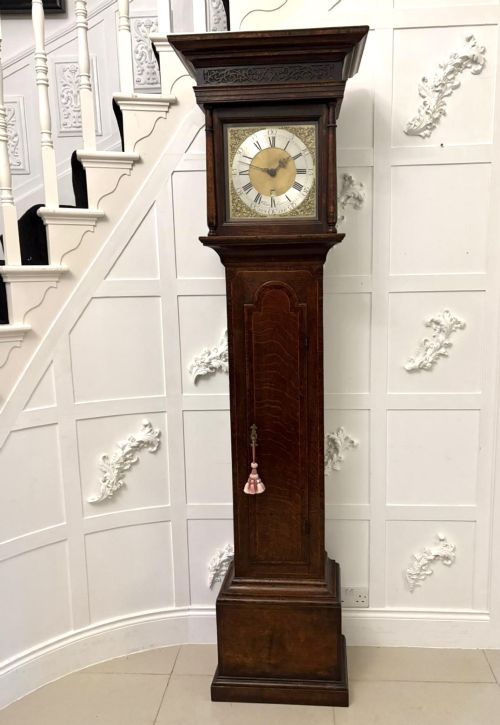


Dial Face Grandfather Clock
A dial face grandfather clock measures the slow turning of hours through centuries of timber and brass.
Dial Face Grandfather Clock
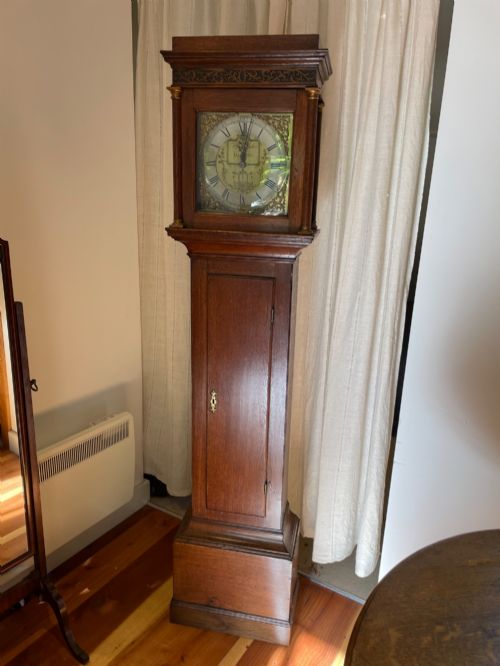
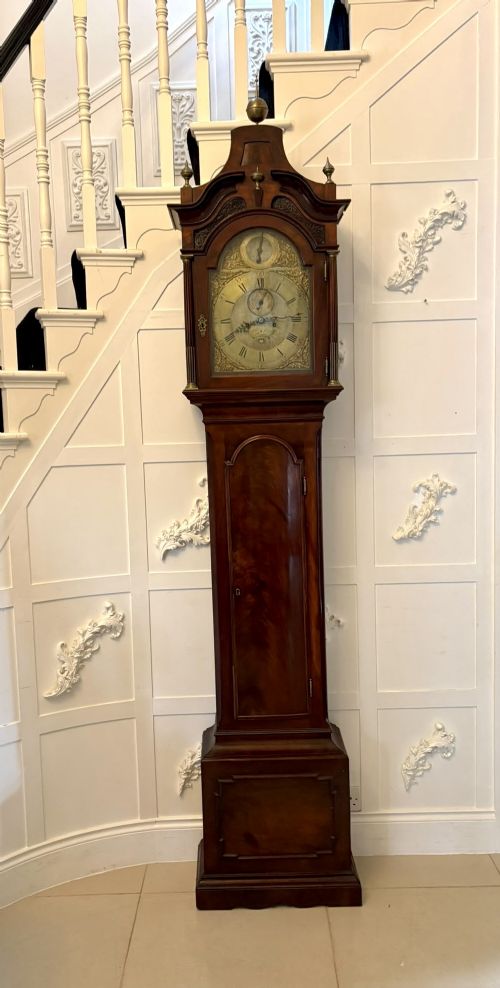
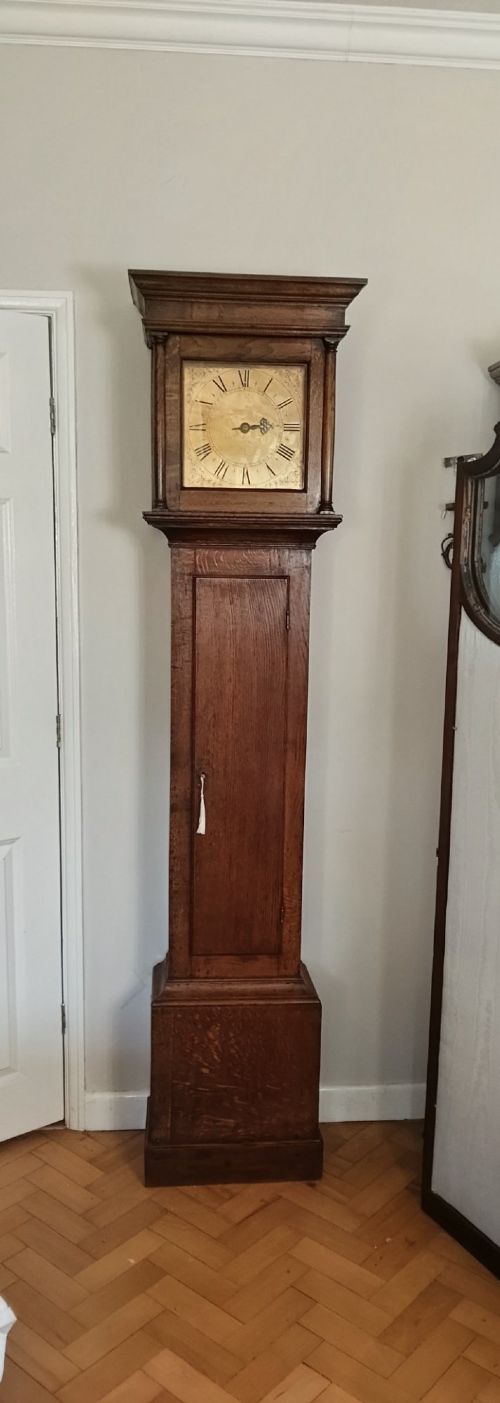
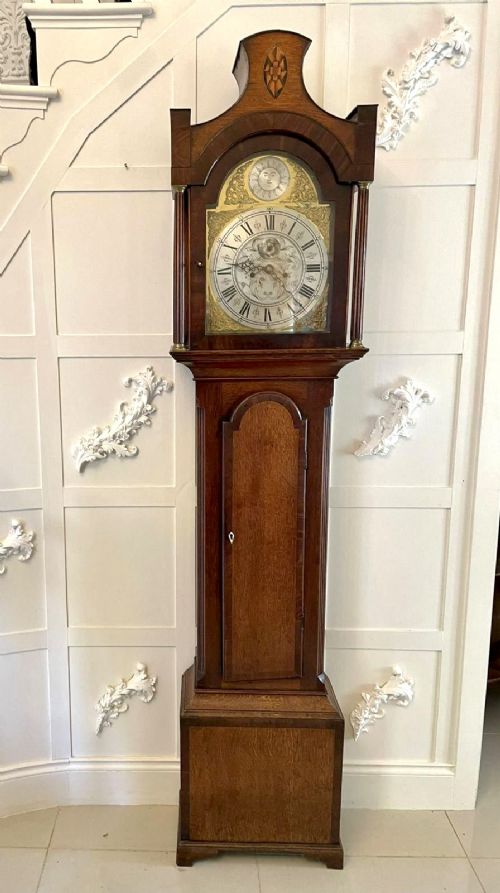
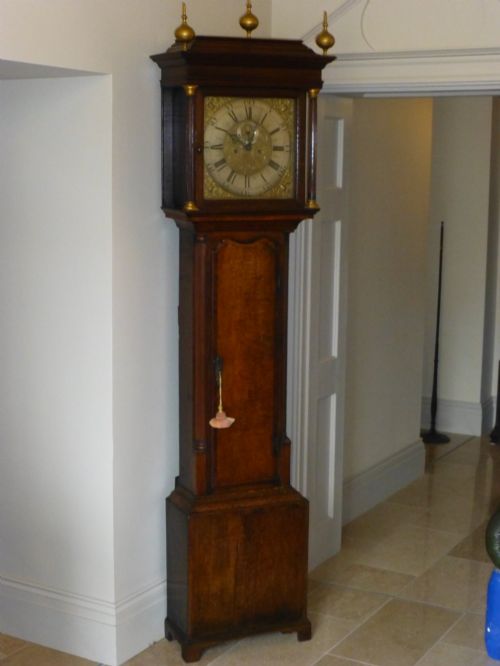
A dial face grandfather clock sits tall in a room, housing a swinging pendulum and a weighted movement inside a tall wooden trunk. These floor-standing timepieces span the eighteenth and nineteenth centuries, emerging from periods such as the Georgian and Victorian eras.
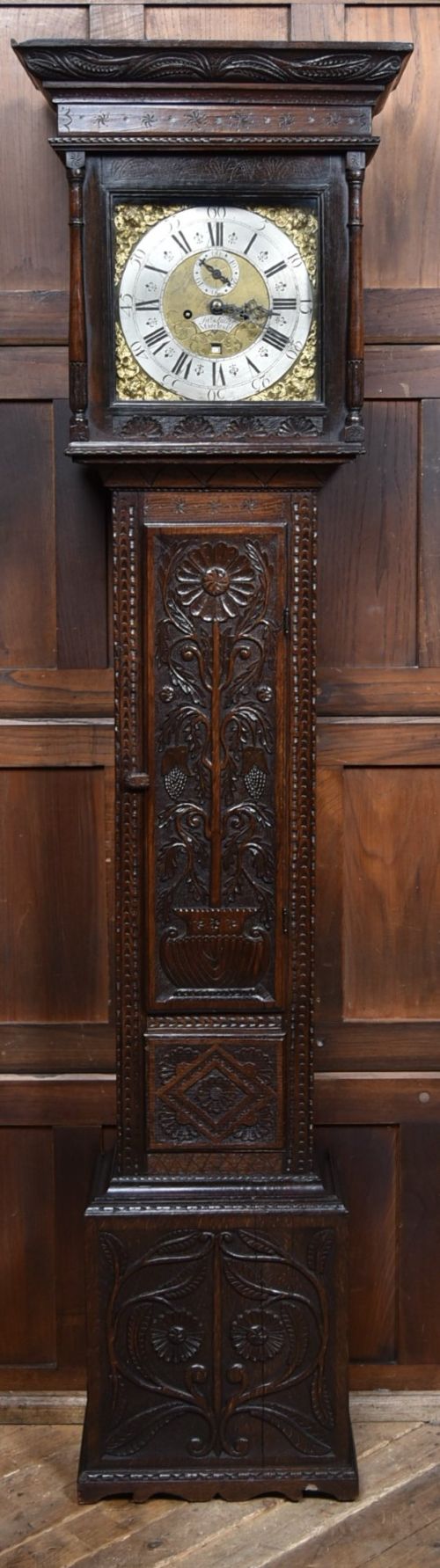
Most examples found here combine regional craftsmanship with durable timbers, often standing in oak or mahogany cases. Provincial clockmakers signed the metal or painted faces, leaving records of workshops from London to Scottish and Irish towns.
Buyers encounter everything from robust brass-dialed country clocks to refined mahogany specimens with arched faces. The form ranges from full-sized longcase pieces down to smaller grandmother clocks made around nineteen hundred.
Materials and Construction
Cabinetmakers built the tall cases using native hardwoods like oak and walnut, alongside imported mahogany for finer urban commissions. Timber panels were joined to house the delicate movement safely while allowing for seasonal wood movement.
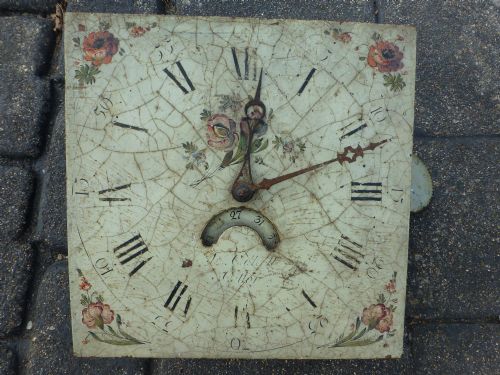
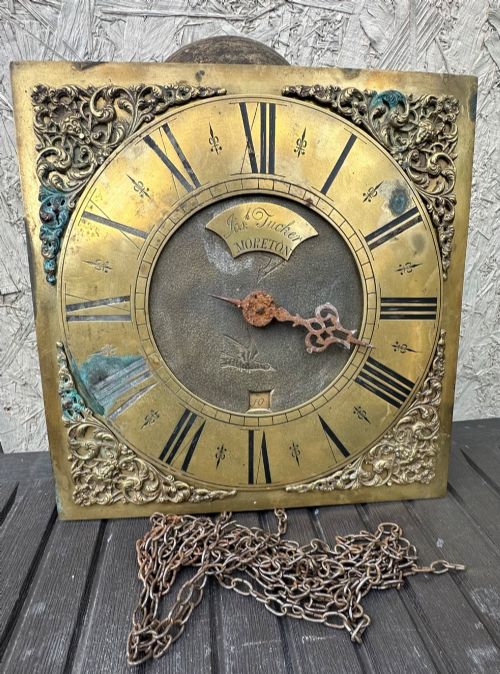
Dial faces combined brass plates with engraved silvered chapters, or utilised iron substrates finished with painted numerals and subsidiary dials. Smiths forged the internal steel and brass gears by hand, cutting teeth that meshed to drive the hands and striking trains.
Dial Face Grandfather Clock Retail Price Guide 2026
Typical asking prices for dial face grandfather clock among the pieces listed under this phrase on Sellingantiques today, from the lower quarter to the upper quarter. They describe what is for sale here now, not the wider market.
Listings feature oak, mahogany, and walnut cases housing both brass and painted iron dial faces.
Judging Quality
Superior examples display crisp engraving on brass dials and refined proportions in the cabinet work, where secondary woods are used sparingly. The marriage of case and movement remains original, with maker signatures matching across dial and internal brass plates.
Lesser pieces often show mismatched components where movements and cases were united long after initial manufacture, or cases altered to fit replacement dials. The execution of carved details and the warmth of the timber finish separate ordinary utility clocks from master provincial work.
John Taylor London·Jn Smith·Smith of Chester·Joseph Gibson·David Morice·Samuel Young·John Pollard·Jn Wright Linton·Richard Northen·Robert Thomson·James Draycot Wells·Standring of Bolton·George Clapham·Jonathan Blake
The Dial Face Grandfather Clock Glossary
- Longcase clock
- A tall pendulum clock housed in a protective wooden case standing directly on the floor. This term is synonymous with grandfather clock.
- Moonphase
- A specialised dial mechanism tracking the phases of the lunar cycle across a rotating painted disk. It often appeared on better eight-day country clocks.
- Grandmother clock
- A smaller, more slender version of the traditional longcase clock, typically produced during the early twentieth century. These shorter cases suit modern ceiling heights.
- Eight day
- A movement designed to run for eight days between windings, requiring two weights hung on chains or cords. This contrasts with thirty-hour movements that need daily attention.
Dial Face Grandfather Clock: Frequently Asked Questions
How do I wind an old clock?
Most eight-day movements require a key to pull the weights back up to the top of the trunk once a week. Care must be taken not to overwind the springs or pull the weight chains too abruptly.
Ensuring the pendulum hangs centrally helps the beat remain even after winding. Listen for a steady tick-tock rhythm to confirm the suspension is correct.
Where should I place a longcase clock?
These tall floor clocks need an interior wall away from direct sunlight, central heating vents, and damp doorways. Stable temperatures protect the antique timber case from splitting.
Positioning the case on a firm, level floor is essential for the pendulum to swing evenly. Many examples include internal wall brackets to secure the tall trunk safely.
How do I tell an oak clock from mahogany?
Oak displays a distinct open grain with visible medullary rays, often showing a warm brown tone that deepens over centuries. It was the primary choice for eighteenth-century provincial makers.
Mahogany offers a denser, finer grain with reddish-brown hues and occasional flame figures. It became popular for urban luxury pieces during the Georgian and Regency periods.
What is the difference between brass and painted dials?
Brass dials feature engraved numerals, cast corner spandrels, and a metallic finish that reflects candlelight. They dominate the earlier eighteenth-century pieces on this page.
Painted iron dials emerged later, allowing for floral decoration, lunar calendars, and stark black numerals against a white ground. They became standard by the nineteenth century.