


Devotional Wall Art
Devotional wall art encompasses centuries of sacred imagery, from continental oil paintings to carved crucifixes designed for domestic prayer.
Devotional Wall Art
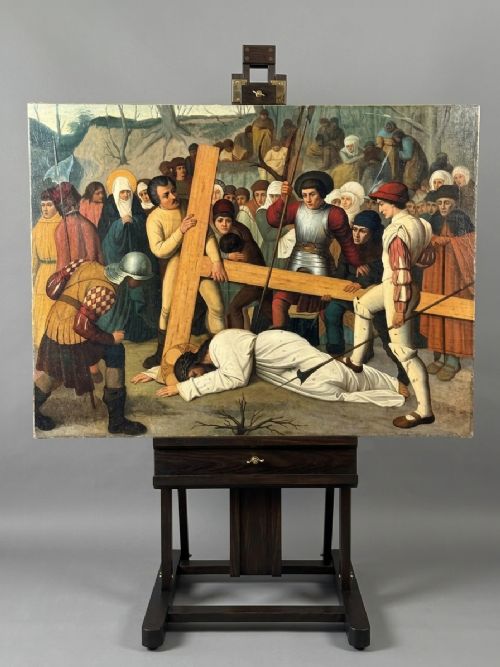
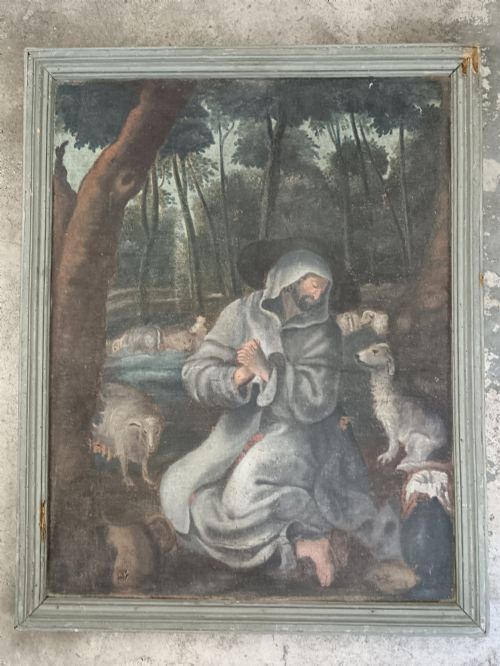
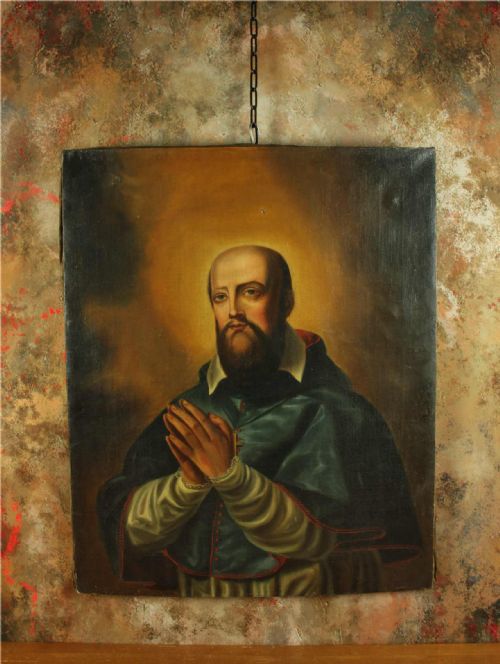
Devotional wall art encompasses paintings, icons, and crucifixes created to inspire contemplation within private and public spaces. When searching for devotional wall art, buyers encounter oil paintings on canvas and wood panel, alongside framed prints and metal-mounted icons.
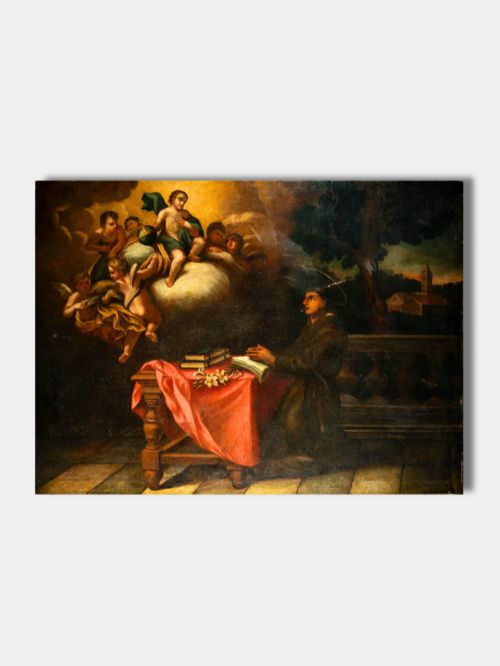
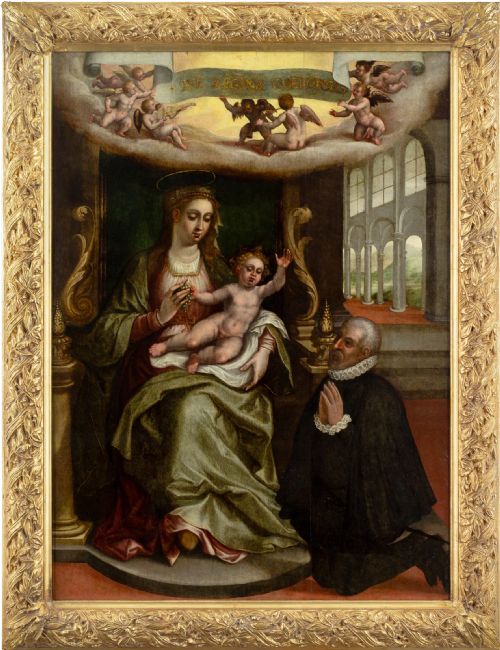
The pieces on this page originate primarily from European workshops, spanning the sixteenth century through the early twentieth century. Italian, Spanish, and Russian influences dominate the selection, ranging from large canvases depicting saints to smaller painted wooden panels.
Materials and construction methods
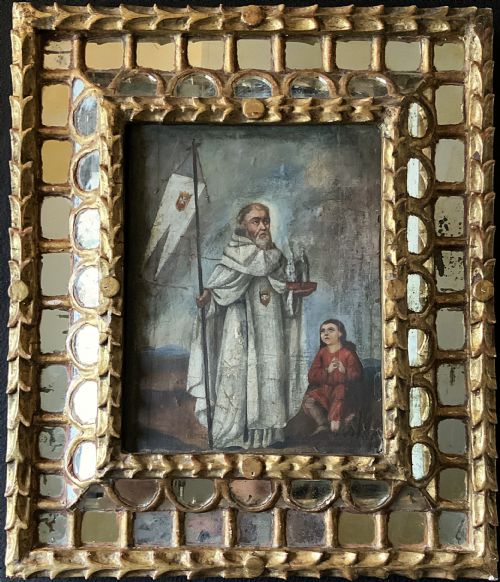
Makers utilised oil paint applied to stretched canvas or prepared wooden panels, occasionally incorporating gold leaf and gesso ground layers. Works such as Russian icons frequently feature metal oklads mounted directly onto wood.
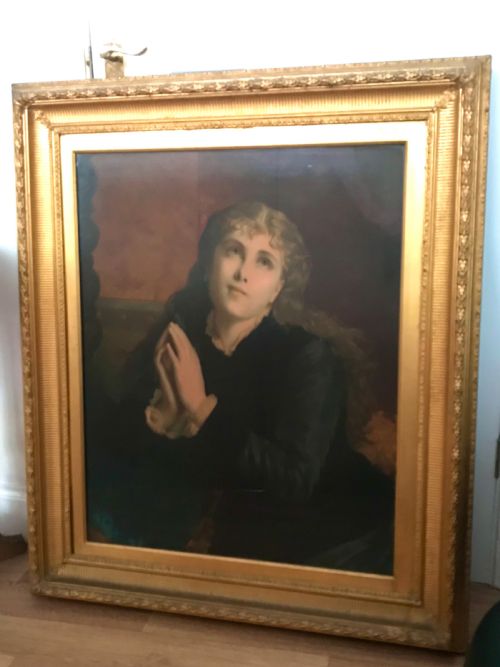
Frames are integral to these pieces, often constructed from giltwood or carved timber that reflects the baroque and gothic revival styles of their respective periods.
Listings feature oil paintings on canvas and wood panels alongside Russian icons mounted on wood, spanning the seventeenth to the twentieth century.
Factors determining quality
The integrity of the original surface, including the condition of the gesso, canvas, and wooden support, dictates the stature of the piece. Period frames that match the age of the artwork enhance the overall coherence of the object.
Jozef Jansessens·Bernardino Luini·Miguel Barroso·Costantino Frixione·Raphael Sanzio Da Urbino·Gaspar de Figueroa
The Devotional Wall Art Glossary
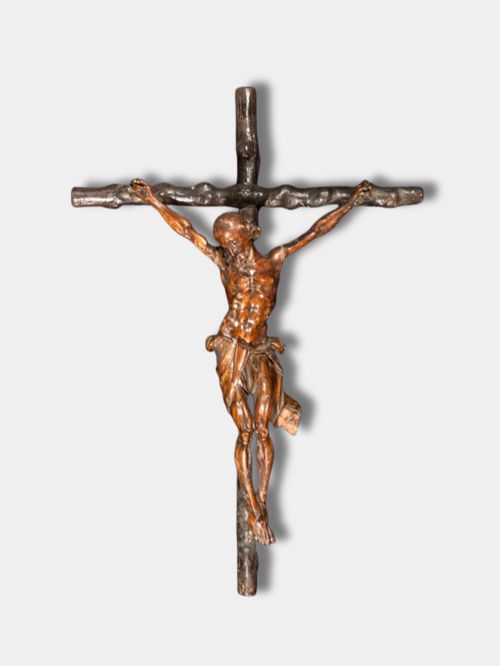
- Corpus Christi
- The figure of Jesus Christ on the cross. This sculptural element is typically carved from wood or cast in metal before mounting.
- Oklad
- A metal cover placed over an icon, leaving only the faces and hands of the figures visible. It is usually stamped or repoussé in brass, silver, or gold.
- Pentimento
- A visible trace of earlier painting beneath the layers of paint, showing where the artist changed their composition. This occurrence helps authenticate older canvases.
- Ex Voto
- A votive offering presented to a saint or divinity in fulfillment of a vow. These pieces often record miraculous healings or preservations.
- Limoges Enamel
- Vitreous enamel applied to metal plates, developed to a high art form in French workshops during the early modern period.
Devotional Wall Art: Frequently Asked Questions
How do I date a religious oil painting?
Dating relies on examining the canvas weave, stretcher construction, and the style of the preparatory gesso ground. Pigment analysis and the stylistic conventions of the depicted school provide further chronological markers.
Secondary indicators include the construction of the wooden panel or the profile of the accompanying frame. Comparing the brushwork to known regional hands from the sixteenth through nineteenth centuries narrows the window of creation.
How were antique devotional paintings displayed?
These works were hung in private domestic chambers, chapels, and monastic cells to aid personal prayer and meditation. Larger canvases often anchored domestic altars in wealthy European households.
Smaller panels and framed prints allowed individuals to carry their devotional practices across different rooms or travel with their sacred imagery. The framing was chosen to complement both the architecture of the interior and the religious subject matter.
What distinguishes school works from master pieces?
School pieces and works produced by followers or circles reflect the prevailing styles of major artists without being painted by their own hands. They demonstrate the widespread influence of masters such as Raphael or Murillo across later generations of painters.
Master works display superior draftsmanship, sophisticated handling of light, and distinct individual brushwork. Provincial copies and follower pieces offer insight into how popular religious imagery circulated through European workshops over the centuries.