

Antique Christian Art
Antique christian art encompasses centuries of devotional painting, carved wood sculpture and icons created to inspire contemplation and faith.
Antique Christian Art
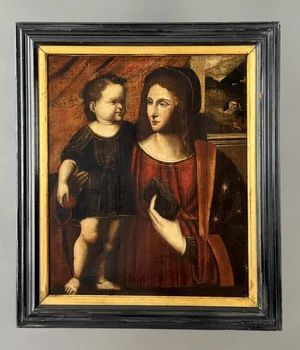
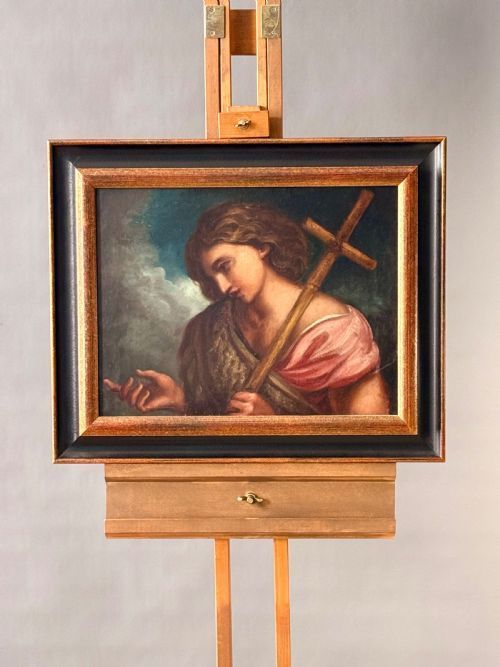
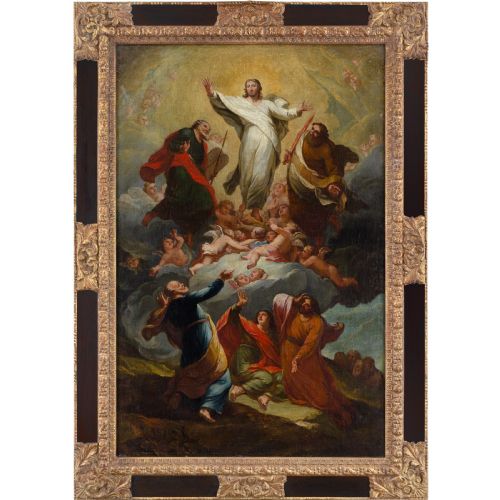
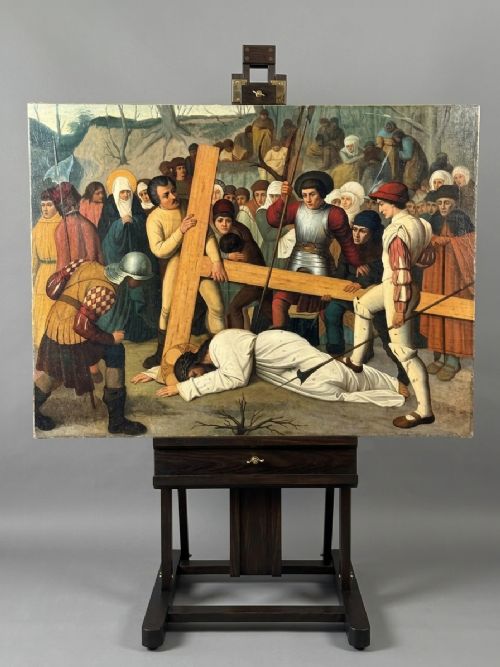
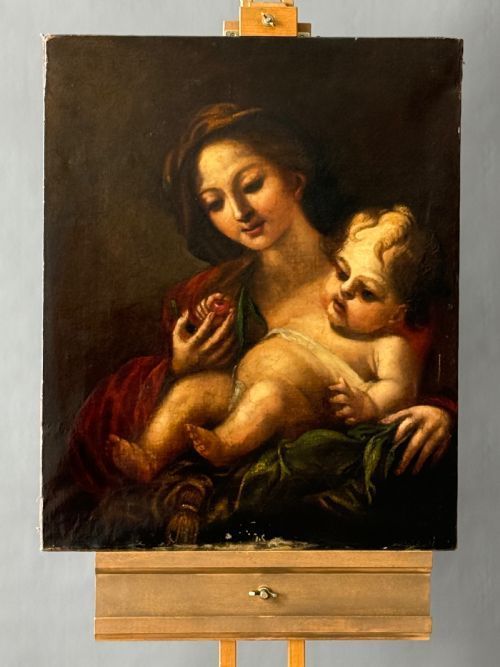
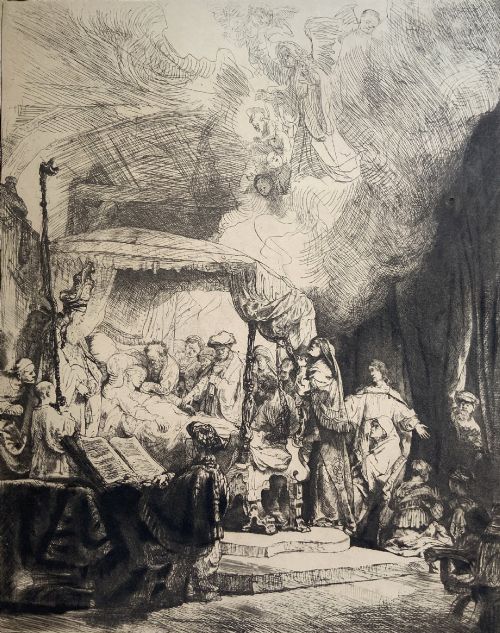
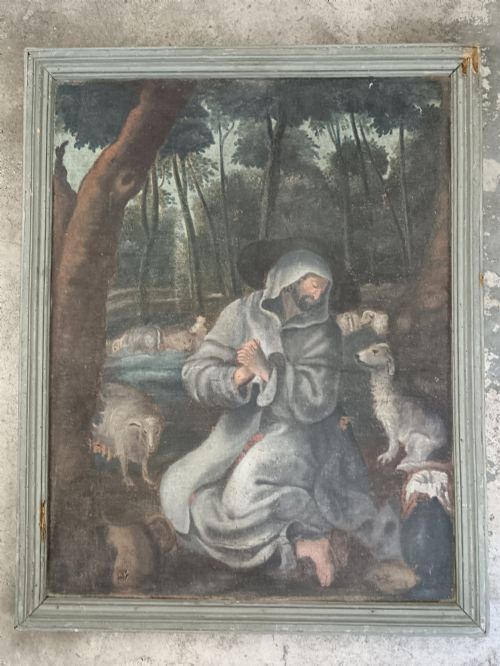
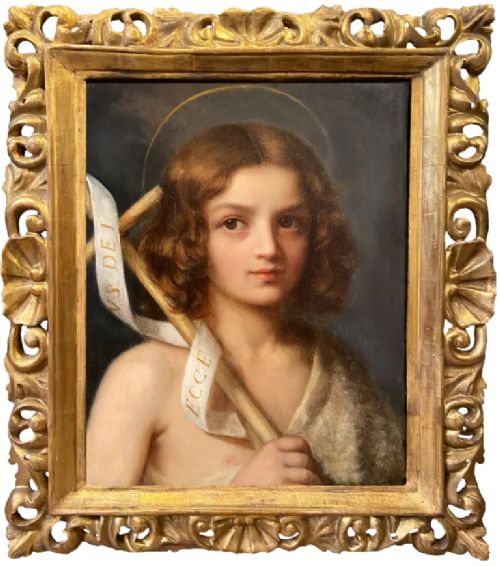
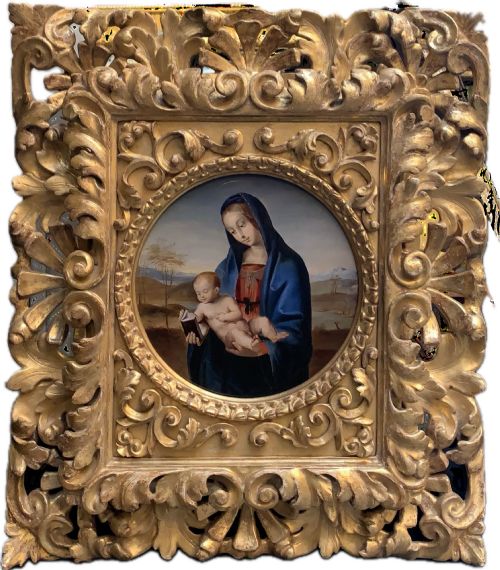
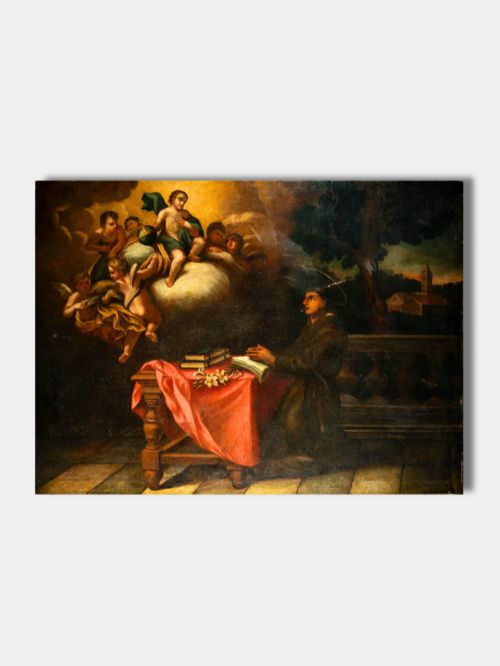
Collectors seeking antique christian art encounter works spanning from the sixteenth century through the Edwardian period, reflecting diverse European traditions. Oil paintings on canvas dominate the selection, ranging from intimate depictions of the Madonna and Child to monumental narrative scenes after old masters.
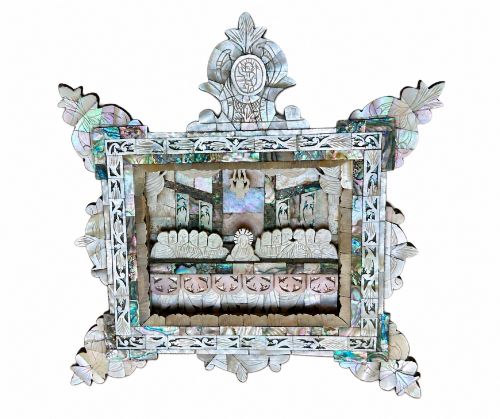
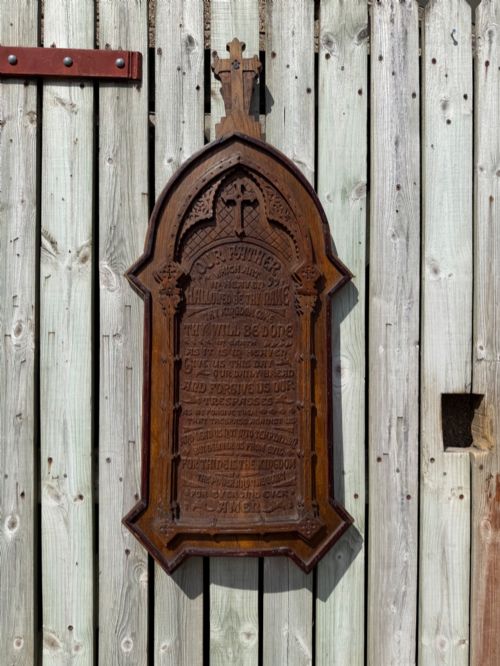
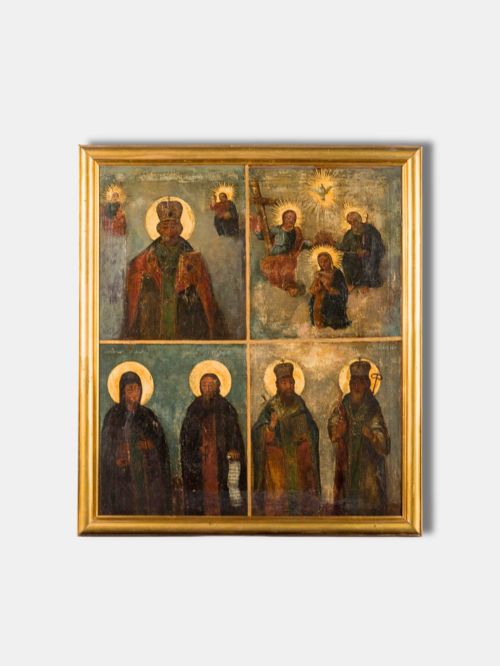
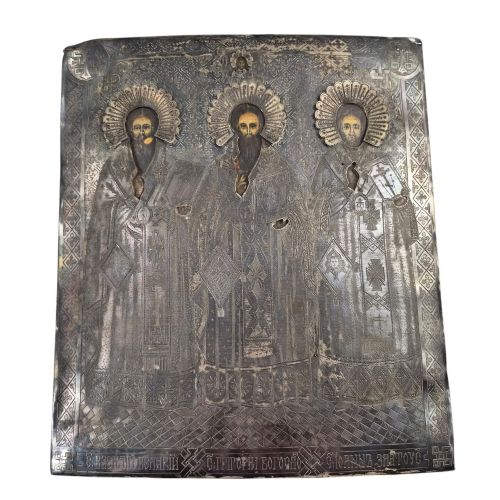
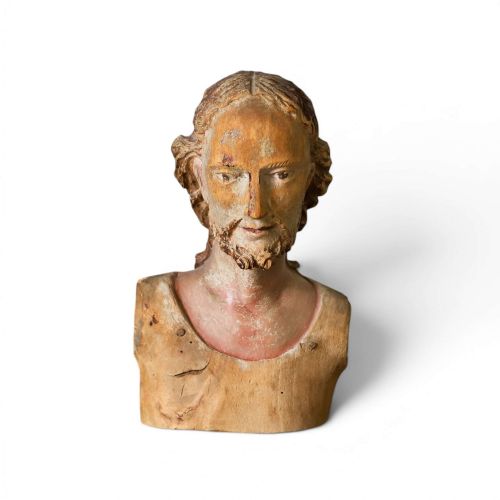
Beyond paintings, the category includes carved olive wood and polychrome figures of saints and biblical figures, alongside metal-clad Russian orthodox icons and Limoges enamel plaques. These devotional objects originated in Italy, Flanders, Germany, Spain and Russia, serving both domestic prayer spaces and ecclesiastical settings.
Materials and methods
Painters utilised oil and tempera upon canvas, wood panels and copper plates, frequently employing gold leaf to illuminate sacred subjects. Pigments were often bound with oils to achieve deep tonality in devotional portraits and narrative altarpieces.
Sculptors carved figures from native timbers such as oak and olive wood, applying polychrome paint and gesso to finish the surfaces. Metalworkers fashioned protective silver rizas for icons, while enamel artisans fused glass powders to metal grounds at high temperatures.
Quality variations in pieces
The standard of execution in painting relies upon the confidence of brushwork and the fidelity of anatomical drawing, particularly in works associated with established schools or followers of master painters. Early canvases demonstrate subtle handling of light and shadow, whereas later decorative copies may lack the same expressive depth.
Sculptural quality is evident in the precision of the carving and the preservation of original polychrome surfaces. Pieces retaining their authentic metal embellishments or primary frames command greater artistic interest.
Heinrich Grünbaum·George Minne
The Antique Christian Art Glossary
- Icon
- A traditional religious image painted on wood panels, most commonly associated with Eastern Orthodox Christian traditions. These sacred depictions often incorporate metal covers or halos.
- Polychrome
- Decorated in a variety of colours. This term frequently describes carved wooden sculptures and figures finished with painted pigments and gesso.
- Riza
- A metal cover or revetment placed over an icon to protect the painted surface while leaving the faces and hands visible. They are commonly executed in silver or brass.
- Pentimento
- A visible trace of earlier painting beneath a layer of paint, revealing changes made by the artist during the composition process. This occurrence helps authenticate older canvases.
- Oleograph
- A mechanical colour print textured to imitate an oil painting on canvas. These reproductions appeared widely during the nineteenth century.
Antique Christian Art: Frequently Asked Questions
What periods do these pieces come from?
The inventory spans several centuries, with particular strength in seventeenth, eighteenth and nineteenth-century European production. Pieces range from Renaissance revival works to earlier devotional items.
Items from the 16th and 17th centuries reflect regional baroque and renaissance schools, while 19th-century examples often include Russian icons and narrative oil paintings.
How were these devotional objects used?
Many of these works served as focal points for private prayer within homes, while others originated in churches and chapels. Portable icons and small paintings allowed individuals to carry their devotion during travel.
Larger altarpieces and narrative canvases were commissioned to educate congregations and adorn sacred spaces with biblical scenes.
How should I care for antique wooden sculptures?
Wooden carvings and polychrome figures require stable indoor environments away from direct sunlight and sudden temperature shifts. Maintaining moderate humidity prevents the wood from splitting and protects delicate paint layers.
Dusting should be performed gently with a dry, soft brush without applying liquid cleaners or polishes to fragile historic surfaces.
How can I distinguish an oil painting from an oleograph?
Examining the surface closely under magnification reveals the brushstrokes and raised texture characteristic of genuine oil paint applied by hand. Oleographs display a uniform dot pattern from mechanical printing or an artificial canvas texture pressed into the ink.
Authentic oil paintings also show natural craquelure in the paint layer over time, whereas printed reproductions do not age in the same manner.