
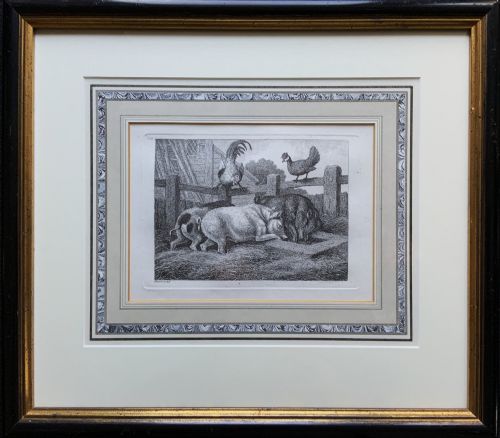
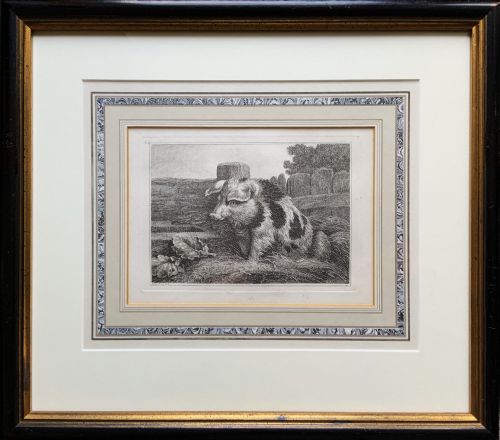
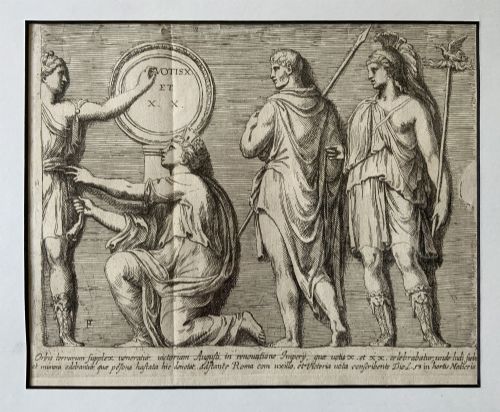
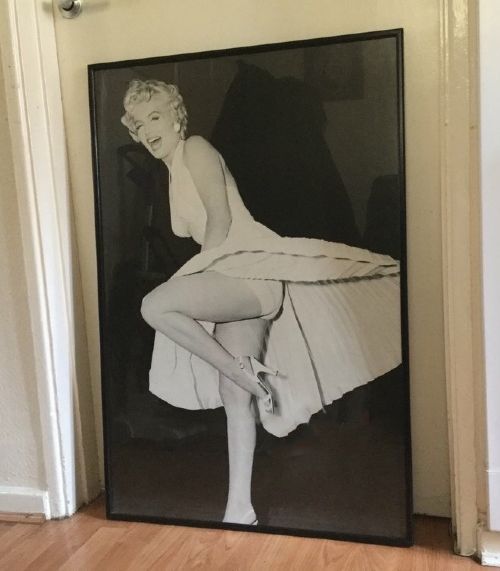


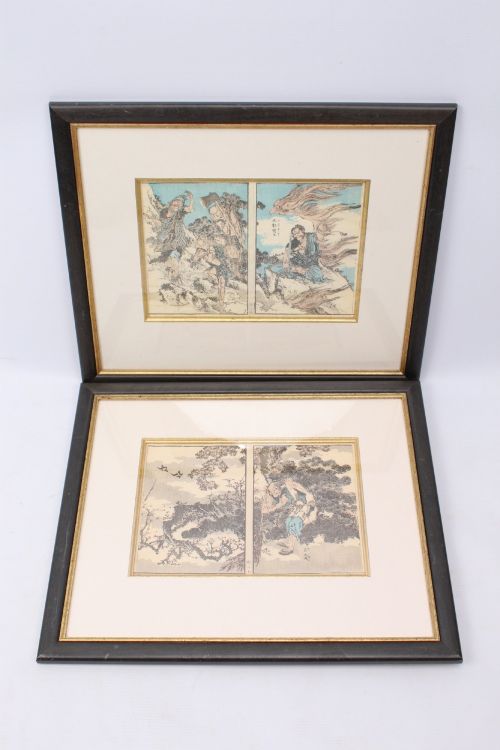
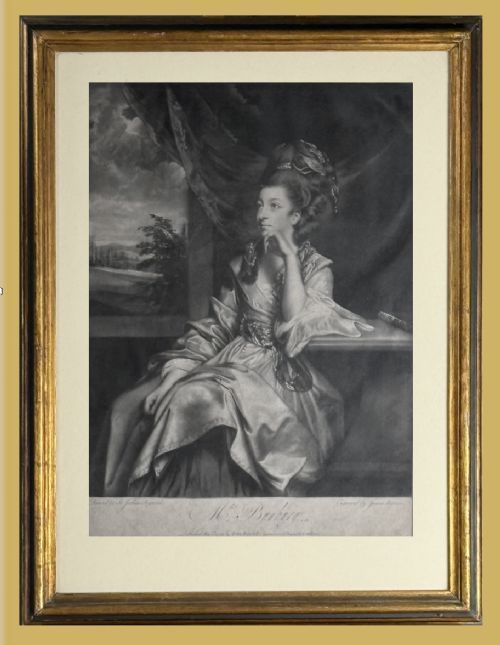
Black Framed Artwork Print
A black framed artwork print brings together historic graphic works and striking surrounds, offering a disciplined way to display centuries of engraving and etching.
Black Framed Artwork Print
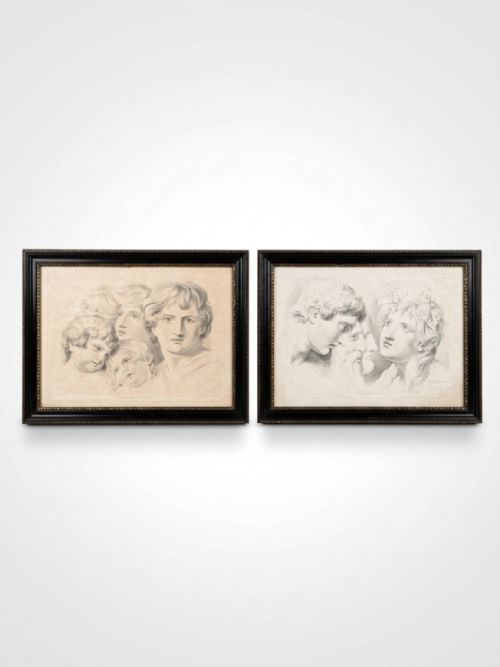
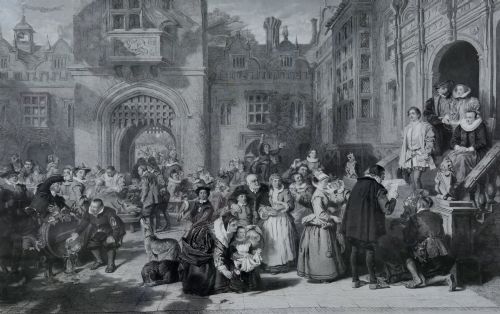
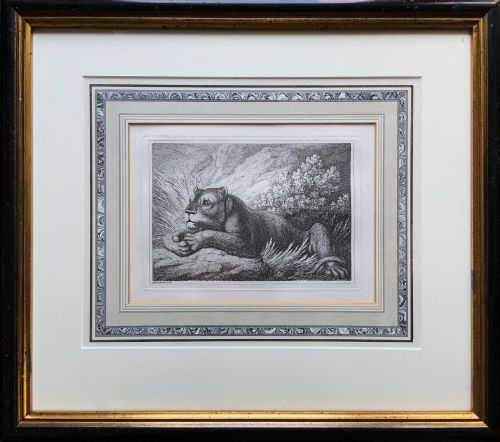
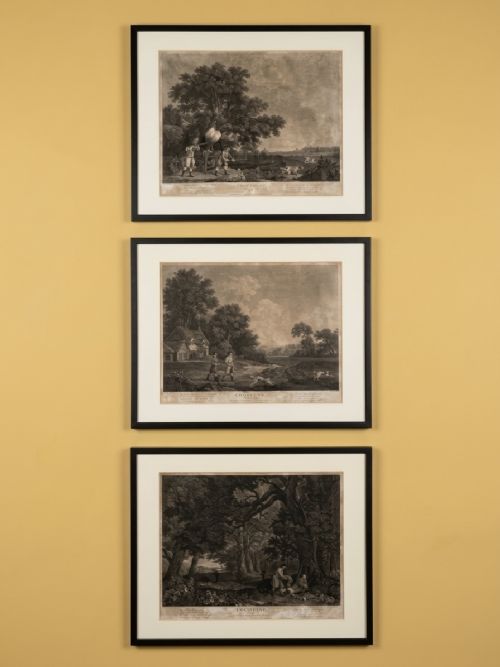
A black framed artwork print encompasses historical engravings, mezzotints, woodblock prints and etchings housed in dark timber or painted surrounds. These pieces span from the seventeenth century through to the early twentieth century, capturing formal portraiture, anatomical studies and pastoral scenes.
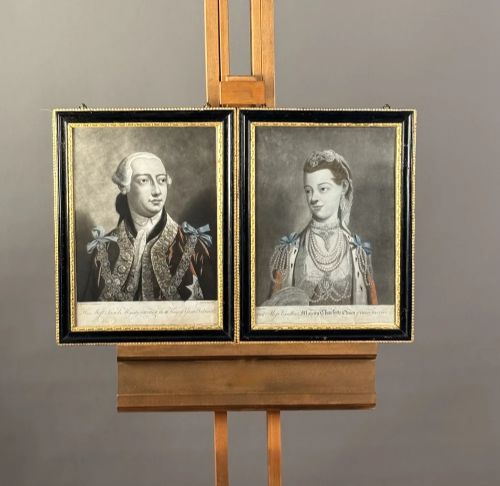
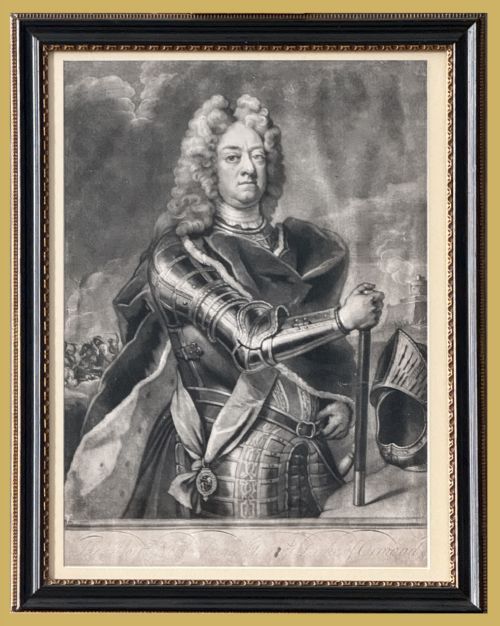
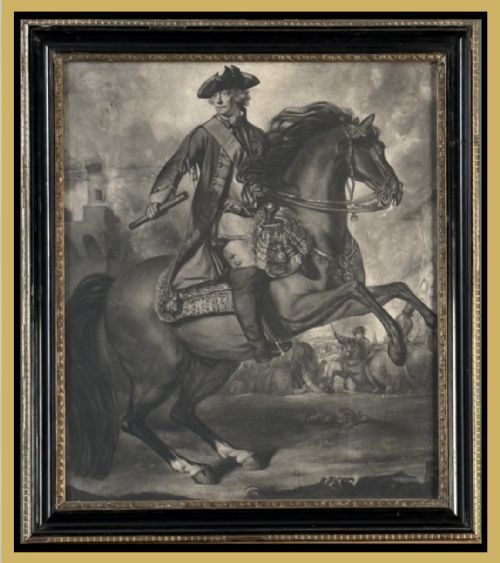
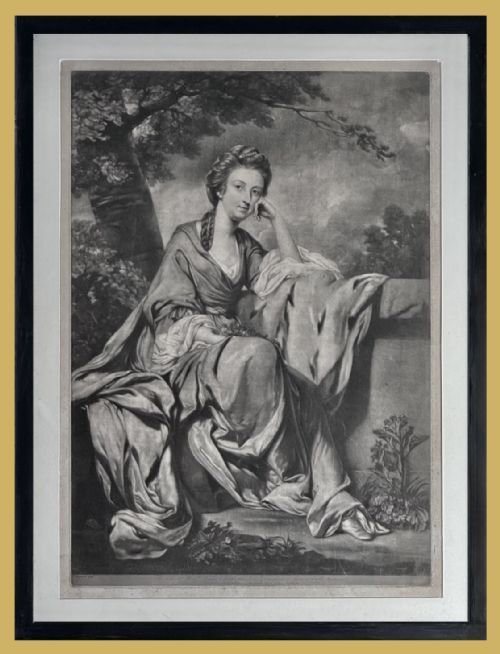
The selection on this page relies heavily on eighteenth-century mezzotints and nineteenth-century etchings, frequently mounted behind glass in wooden or giltwood mouldings. Buyers encounter both single collector proofs and matching pairs originating from British and European workshops.
Subjects range from aristocratic portraiture after painters like Sir Joshua Reynolds and Sir Godfrey Kneller to Japanese woodblock prints and French advertising pieces. Each black framed artwork print provides a direct window into historical printmaking techniques.
How they were made
Printmakers utilised copper plates for etchings and engravings, cutting lines by hand or biting them with acid before applying ink to paper. Mezzotints required the plate surface to be roughened uniformly to produce rich tonal gradations rather than simple lines.
Frames utilise timber such as wood and rosewood, occasionally accented with gold leaf, gilt or giltwood highlights. Glazing with glass protects the paper surface from atmospheric moisture and handling.
Materials recorded across the inventory include ink, paper, glass, wood, gold leaf, gilt and giltwood.
What varies in quality
Quality rests primarily in the crispness of the impression pulled from the plate and the preservation of the paper. Early impressions reveal fine details in facial expressions and background textures that wear down on later printings.
The integrity and age of the framing elements also define the piece. Original period timber frames that retain their initial surface patination elevate the historical cohesion of the artwork.
John Simon·Edward Fisher·John Smith·James Watson·Herbert Dicksee
The Black Framed Artwork Print Glossary
- Mezzotint
- A printmaking process where the copper plate is roughened to produce dark tones and scraped to create highlights. This method achieves subtle shifts in shadow and light, frequently utilised for eighteenth-century portraiture.
- Etching
- A technique where lines are bitten into a metal plate with acid prior to inking and pressing onto paper. It allows for free, expressive linework characteristic of artists across the nineteenth and early twentieth centuries.
- Engraving
- A method of cutting design lines directly into a metal plate using a sharp tool called a burin. The resulting prints exhibit clean, precise lines that survive multiple printings.
- Woodblock
- A relief printing method where material is carved away from a wooden block, leaving the design raised to hold ink. Japanese masters utilised this technique for vibrant and detailed imagery.
- Giltwood
- Timber carved and coated with a thin layer of gold leaf or metallic powder. It provides a luminous contrast against darker framing elements.
Black Framed Artwork Print: Frequently Asked Questions
How do I hang a heavy framed print?
Ensure your wall fixings engage directly with structural studs or utilise appropriate cavity anchors rated for the combined weight of the timber, glass and plate.
Position the centre of the print at standard eye level to balance the visual weight of the dark frame within the room.
Are these prints original period pieces?
The listings feature genuine historical printings from the seventeenth to the early twentieth centuries, created using traditional hand-operated presses and contemporary plates.
Each work reflects the technological standards and artistic styles active during its specific period of origin.
How should I clean the glass?
Apply a mild glass cleaner to a cloth rather than spraying directly onto the frame, preventing moisture from seeping under the rebate and damaging the paper.
Wipe gently across the surface while supporting the frame to avoid stressing antique joints.
Can I remove the print from the frame?
Opening antique frames risks disturbing fragile paper, acidic backing boards and historic seals that protect the artwork from environmental degradation.
Leave the assembly intact to preserve the structural relationship between the print, mount and surround.