





Antique Virgin Mary Portrait
When you look for an antique virgin mary portrait, you examine sacred depictions spanning from the sixteenth century to the twentieth.
Antique Virgin Mary Portrait
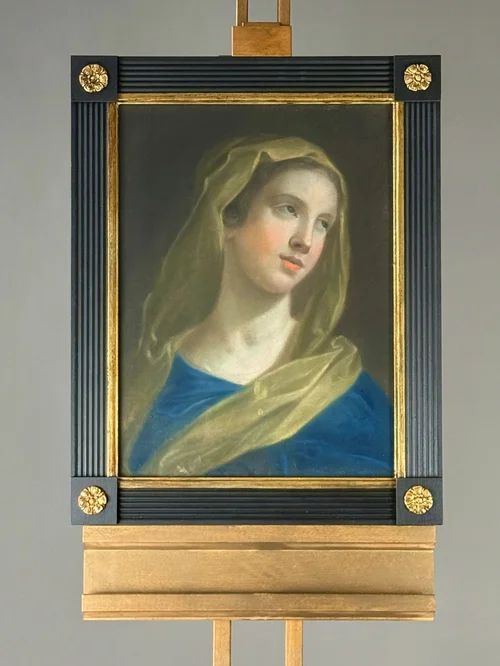
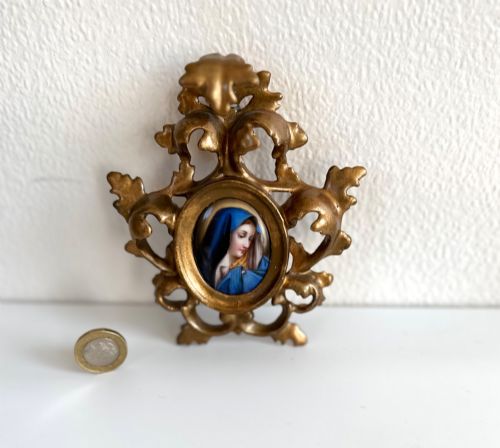
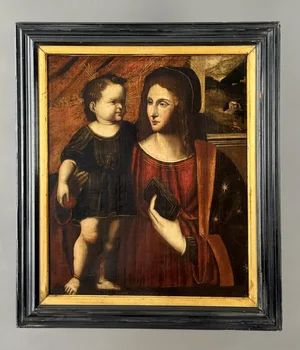
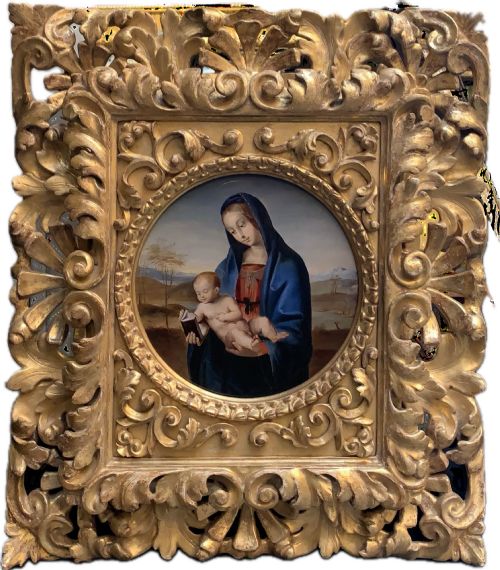
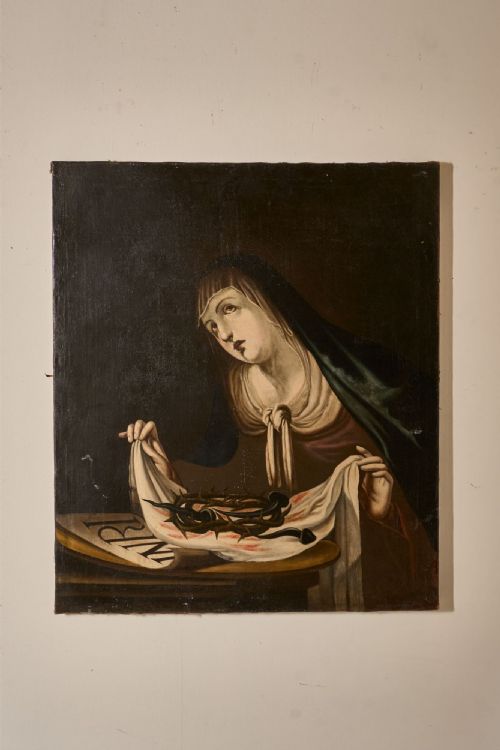
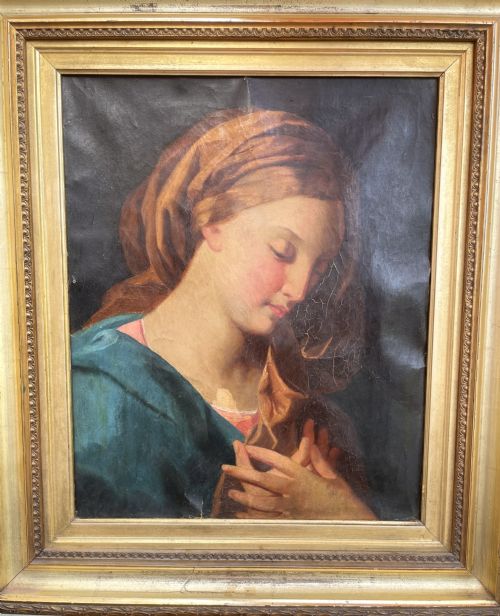
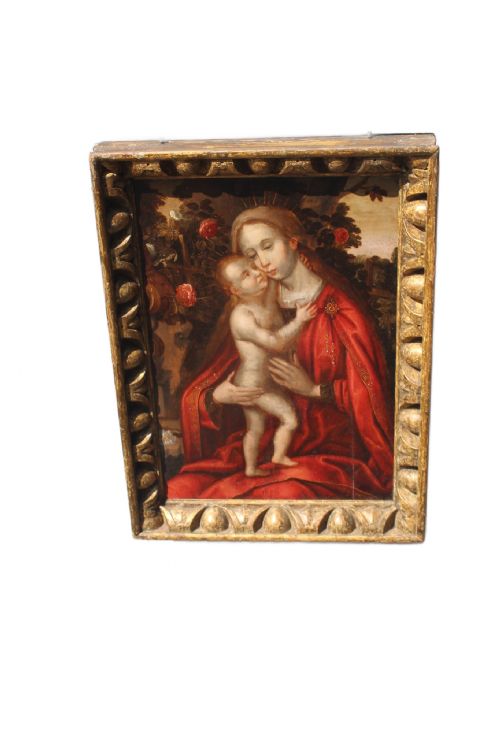
An antique virgin mary portrait encompasses sacred devotional works ranging from sixteenth century panels to nineteenth century canvases. These depictions frequently portray the Madonna and Child, along with specific subjects such as Our Lady of Sorrow and the Divine Shepherdess. The selection on this page centres heavily on oil paintings, accompanied by pastels and gold pendants.
The regional origins stretch across Italy, Spain, and France, reflecting distinct European schools of religious art. Works include direct period pieces, studio productions, and later interpretations after masters like Raphael and Murillo. Buyers encounter both monumental proportions and intimate cabinet-sized pieces.
Materials and Techniques
Artists painted primarily with oil on canvas or wooden panels, utilising prepared grounds to build up rich pigments. Certain early works employ fruitwood panels, while others incorporate gold leaf details to highlight halos and vestments. Pastels on paper appear in eighteenth century examples.
Framing and mounting often involve period giltwood frames that complement the devotional subject matter. Pendant pieces utilise metals such as eighteen karat yellow gold to house miniature portraits.
Several paintings record specific divine interventions, ensuring the Madonna watches over your hallway with divine persistence.
Evaluating Quality and Execution
Condition plays a role, as restored older panels and canvases retain varying degrees of original pigment integrity. The finesse of the surrounding giltwood frame or precious metal mount further distinguishes individual pieces.
Benedetto Luti·Bernardino Luini·Benvenuto Tisi·Costantino Frixione·Juan Ruiz Soriano·Ambrious Benson·Bartolomé Murillo
The Antique Virgin Mary Portrait Glossary
- Oil on Canvas
- A traditional painting medium where pigment mixed with drying oil is applied to a stretched cloth support. This technique allowed artists to achieve rich tonal gradations and durability.
- Fruitwood Panel
- A dense wooden board derived from fruit-bearing trees used as a rigid painting support. Painters favoured this smooth surface for detailed sixteenth and seventeenth century works.
- Giltwood
- Wood carved and coated with a thin layer of gold leaf or gold paint. Frames utilising this finish frequently accompany religious paintings of the period.
- Madonna and Child
- A traditional artistic subject depicting the Virgin Mary with the infant Jesus. It remains a central motif across Italian and Spanish devotional art.
- Ex-Voto
- A votive offering presented to a saint or divinity in fulfillment of a vow. These portraits often record acts of gratitude for perceived divine intervention.
Antique Virgin Mary Portrait: Frequently Asked Questions
What is an antique virgin mary portrait?
These works are historical religious paintings, pastels, and pendants depicting the Virgin Mary, often shown with the infant Christ.
They originate from various European art schools spanning several centuries of devotional tradition.
How do I identify a 16th-century portrait?
Sixteenth-century works typically employ wood panels or early canvas supports with Renaissance stylistic conventions.
Examination of the pigment layer and preparation grounds helps distinguish these early pieces from later revival works.
Where were these religious portraits made?
The pieces originate predominantly from traditional European art centres including Italy, Spain, and France.
Regional schools, such as the Spanish Baroque or Italian Renaissance, heavily influenced the composition and colour palette.
How should I display an old oil painting?
Hang the painting away from direct sunlight and dramatic fluctuations in household temperature and humidity.
Ensure the wall mounting securely supports the weight of the canvas and its period giltwood frame.