
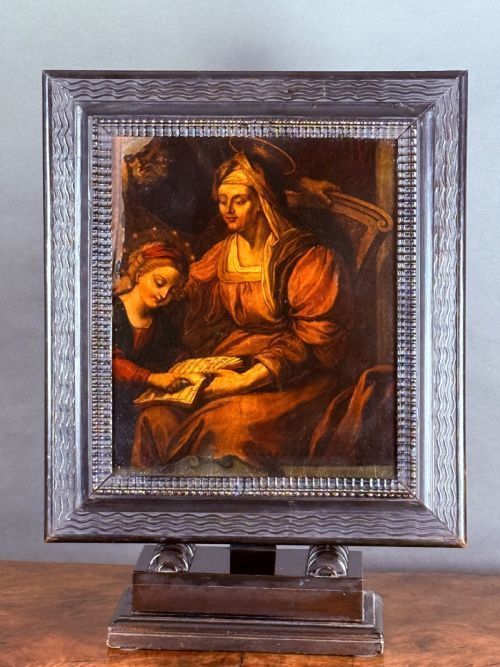
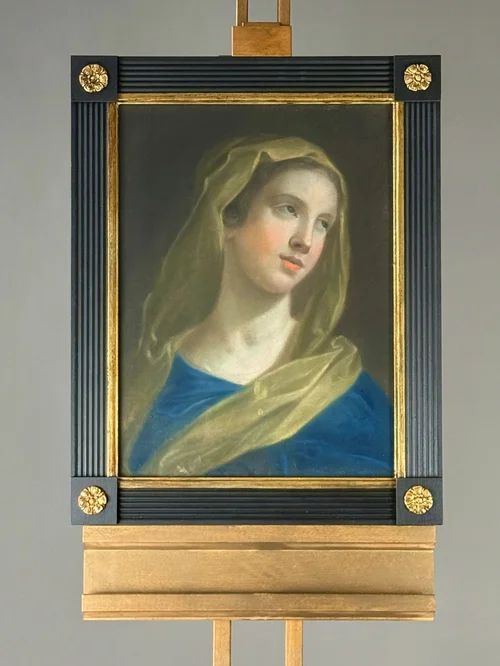
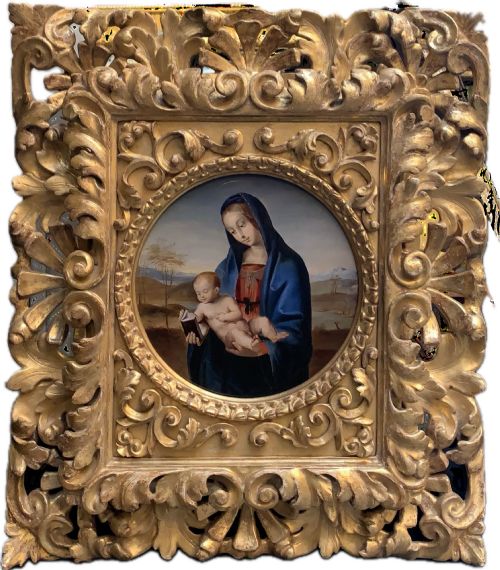


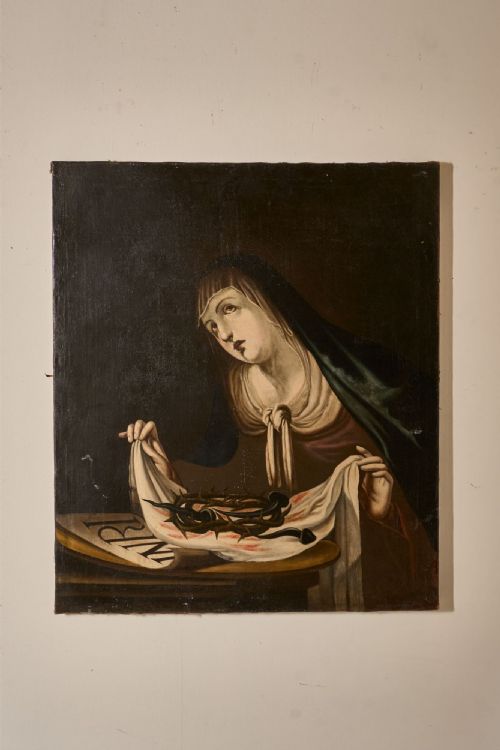




Framed Virgin Mary Artwork
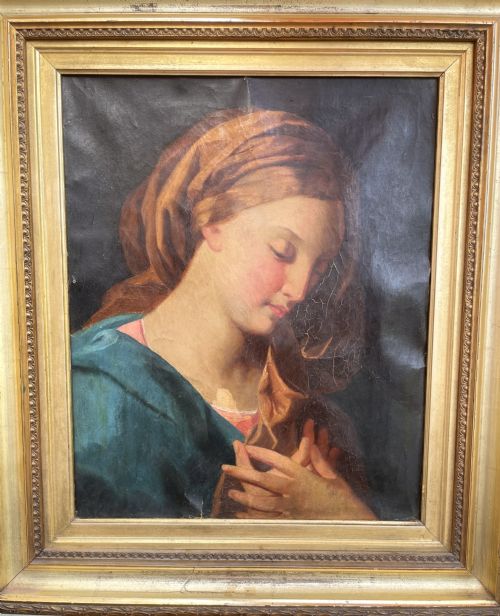
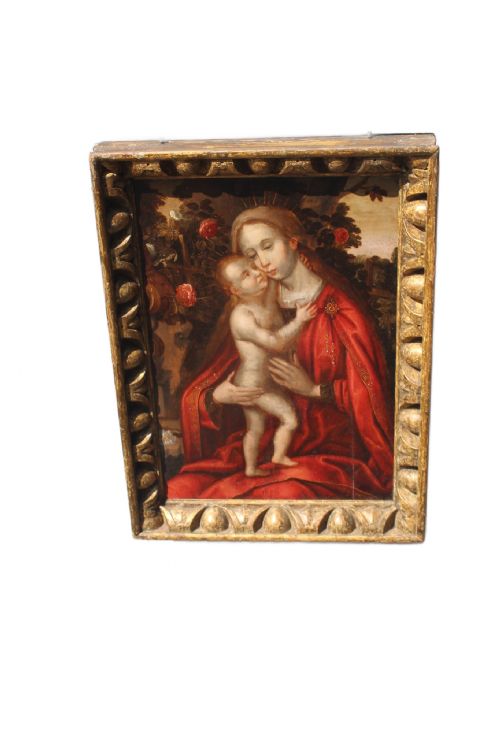
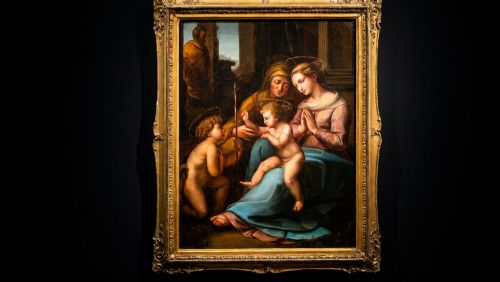
Framed virgin mary artwork brings centuries of devotion and masterwork copies into the home through oil paintings, reverse glass prints, and period frames.
Framed Virgin Mary Artwork
When searching for framed virgin mary artwork, buyers encounter centuries of devotional imagery spanning the sixteenth through the nineteenth centuries. These pieces encompass oil paintings on canvas, delicate pastels, reverse glass mezzotints, and period prints.
The selections frequently manifest as Renaissance Revival interpretations or direct copies after celebrated masters such as Raphael and Murillo. Italian and Spanish schools dominate the available forms, ranging from intimate domestic panels to large proportions.
Buyers frequently meet works attributed to circles or followers of major European artists, as well as distinct devotional objects like the French globe de marie. Each piece preserves traditional iconography, depicting subjects from the Madonna and Child to Our Lady of Sorrows.
Materials and Techniques
Makers utilised oil paint applied to canvas and wood panels, sometimes employing pastel on paper for softer portraiture. Reverse glass techniques created distinct luminous qualities in early eighteenth-century pieces.
Works are typically housed in heavy wooden surrounds, including giltwood frames enriched with gold leaf. These housings range from simple period moulding to ornate Baroque carvings that complement the religious subject matter.
Listings feature works spanning the sixteenth to the twentieth century, utilising oil on canvas, gold leaf, and reverse glass.
Assessing Quality and Execution
The distinction between standard works and superior examples rests in the handling of brushwork and the depth of the composition. Finer pieces demonstrate confident draughtsmanship in facial expressions and drapery, particularly those executed by skilled studio followers or named artists.
The integrity of the original framing significantly influences the character of the piece. Hand-gilded wooden surrounds that match the period of the artwork hold greater visual cohesion than later replacements.
Benedetto Luti·Costantino Frixione·Juan Ruiz Soriano·Orsola Maddalena Caccia·Pompeo Batoni
The Framed Virgin Mary Artwork Glossary
- Reverse glass painting
- A technique where the image is painted directly on the reverse side of a glass panel so the finished work is viewed through the front. This method creates a brilliant enamel-like surface.
- Giltwood
- Wood that has been coated with a thin layer of gold leaf or gold paint. It provides a reflective, ornate border for traditional religious paintings.
- Ex-Voto
- A votive offering presented to a saint or a divinity in fulfilment of a vow. These works often record personal gratitude for miraculous intervention.
- Renaissance Revival
- An artistic movement during the nineteenth century that drew inspiration from the art of the fifteenth and sixteenth centuries. Works in this style emulate the harmony and composition of the high renaissance.
- Spanish School
- A regional grouping of artists sharing techniques and stylistic traits native to Spain. These works often emphasise dramatic lighting and deep emotional intensity.
Framed Virgin Mary Artwork: Frequently Asked Questions
Are these paintings original Renaissance works?
Most examples from the sixteenth and seventeenth centuries are created by followers, circles of known masters, or later artists working in historical styles. True autograph pieces by major masters are exceptionally scarce in this category.
Buyers are more likely to find period copies and interpretations produced centuries after the original composition was first painted.
What is a globe de marie?
A globe de marie is a nineteenth-century French display case featuring a glass dome set over a velvet or mirrored base. They were traditionally used to house bridal memorabilia and sacred mementos.
In religious contexts, they sometimes protect small devotional portraits or miniature prints of the Virgin Mary.
How do I identify a reverse glass painting?
Reverse glass painting involves applying pigment directly to the rear surface of the glass pane so that the final image appears protected behind a glossy barrier. This technique produces a unique surface sheen distinct from canvas.
Inspection often reveals the pigment resting directly against the glass rather than on textile or wood.
Where should I hang religious artwork?
These pieces suit quiet living spaces, hallways, or libraries where traditional lighting enhances the giltwood frames and oil surfaces. They benefit from placement away from direct sunlight to protect the canvas and pigments.
Pairing them with period furniture helps integrate the rich tones of wood and gold leaf into a modern interior.