





Desktop Letter Organiser
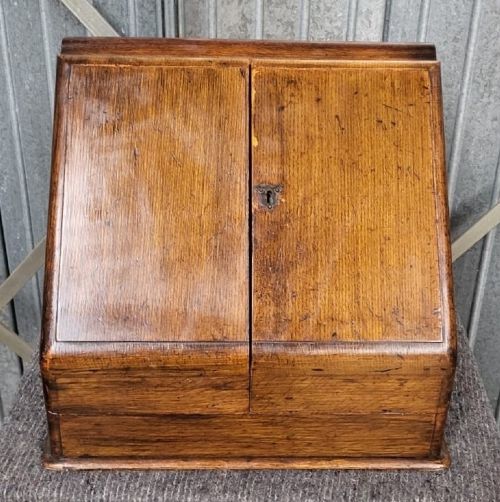
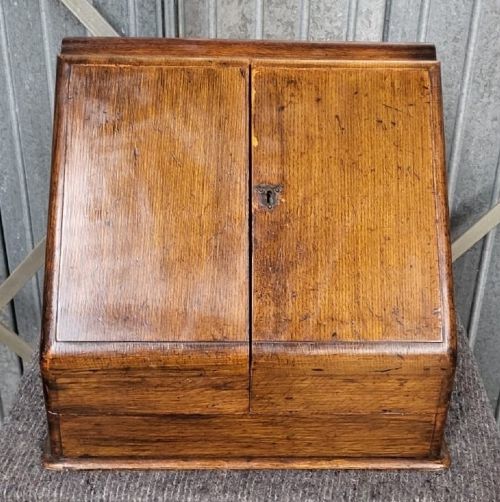
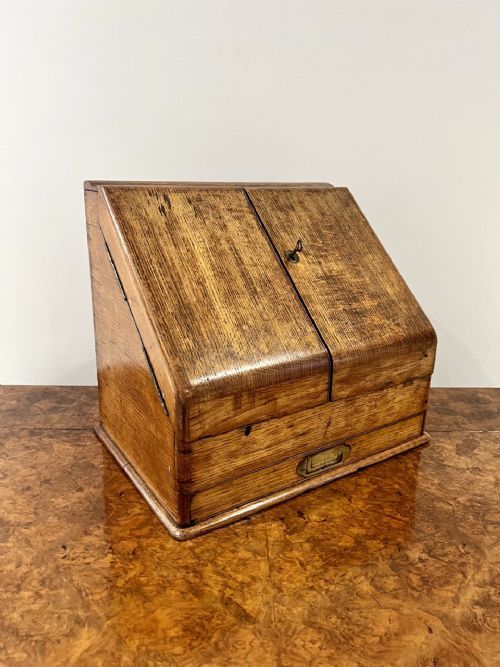
A desktop letter organiser keeps correspondence in order, ranging from simple oak letter racks to elaborate walnut stationery cabinets fitted with brass.
Desktop Letter Organiser
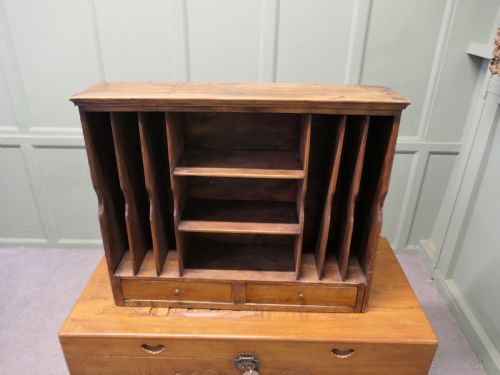
A desktop letter organiser serves as a repository for daily post and writing materials, keeping desks orderly. You will encounter various forms here, including stationery boxes, letter racks, and pigeon holes.
The pieces span several eras, with Victorian and Edwardian examples appearing most frequently. Craftsmen also produced earlier pieces in Georgian styles, alongside Arts and Crafts variants.
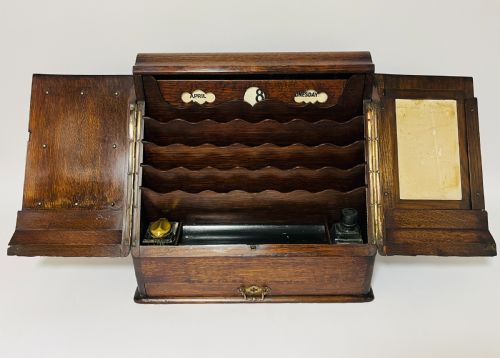
Materials range from sturdy oak and mahogany to decorative rosewood, walnut, and satinwood. Many feature functional additions like ink bottles, adjustable dates, or secret drawers.
Materials and construction
Cabinet makers built these organisers primarily from hardwoods such as oak and mahogany, often utilising walnut, rosewood, and satinwood for finer finishes. Carpenters selected figured timbers and applied marquetry or inlay to enhance visual depth on key surfaces.
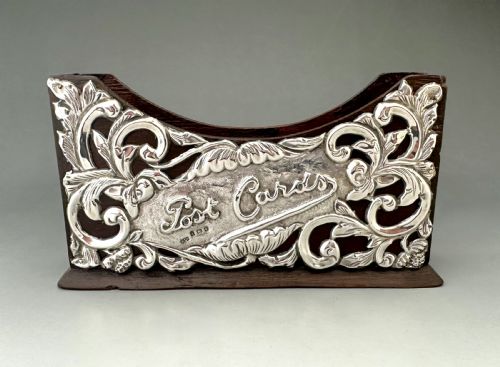
Metal components played a structural and decorative role, with brass hinges, mounts, and ormolu framing the wooden bodies. Silver mounts also appear on select Edwardian and Georgian boxes, while glass formed fitted ink bottles.
Desktop Letter Organiser Retail Price Guide 2026
Typical asking prices for desktop letter organiser among the pieces listed under this phrase on Sellingantiques today, from the lower quarter to the upper quarter. They describe what is for sale here now, not the wider market.
Some Victorian correspondence boxes included clever labels for sorted mail, reminding writers to answer letters promptly.
Quality and execution
The grade of a desktop letter organiser depends heavily on the selection of timber and the precision of its joinery. Finer pieces display carefully matched veneers, tight dovetail joints, and well-fitted drop fronts or pigeon holes.
Decorative hardware dictates value at the upper end of the scale. Solid brass mounts, specialised locks, inlaid marquetry, and original glass ink bottles separate standard desk tidies from exceptional examples.
The Desktop Letter Organiser Glossary
- Stationery box
- A desk accessory designed to hold paper, envelopes, and writing implements, often featuring a sloping lid or drop front.
- Cartonnier
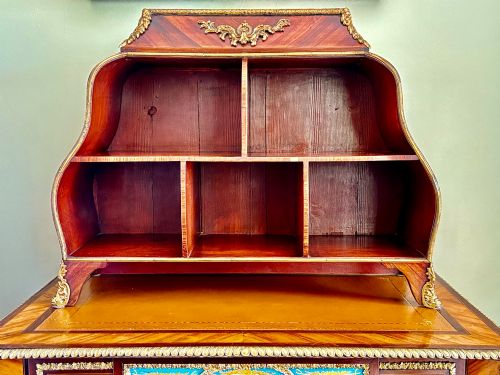
- A desktop cabinet containing multiple tiers or compartments for organising papers and documents, frequently adorned with ormolu mounts.
- Pigeon holes
- Open compartments arranged in rows within a desk or cabinet for sorting incoming and outgoing correspondence.
- Ormolu
- Gilt bronze mounted onto furniture or decorative accessories to provide ornamental highlights, common in French revival styles.
- Marquetry
- Decorative wood veneers cut into intricate patterns and applied to the exterior surfaces of boxes and cabinets.
Desktop Letter Organiser: Frequently Asked Questions
What is a desktop letter organiser?
A desktop letter organiser is a functional desk accessory designed to hold letters, envelopes, and writing paper in a tidy manner.
These pieces range from open wooden letter racks to enclosed cabinets with drop fronts and internal pigeon holes.
How were stationery boxes used?
Victorian and Edwardian users relied on stationery boxes to keep correspondence private and desks orderly.
Many included compartments for answered and unanswered mail, ink bottles, and adjustable dates for daily record keeping.
How do I date an oak letter box?
Dating an oak letter box involves examining the hardware, timber grain, and construction methods used by the cabinet maker.
Victorian and Edwardian pieces often display machine-sawn elements and specific revival styles, whereas Georgian examples show earlier hand-tooled joinery.
Where should I place a desk tidy?
A desk tidy sits comfortably on top of a writing table, partner desk, or bureau to corral loose papers and correspondence.
Enclosed cabinets protect paper from dust, while open letter racks provide quick access to daily post.