
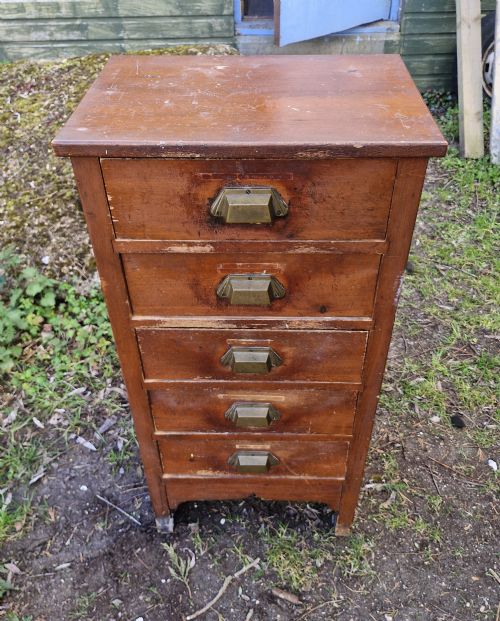


Desk Stationery Cabinet Drawer
These desk stationery cabinet drawer pieces combine tidy compartments with compact writing surfaces, offering a clever way to keep your papers organised.
Desk Stationery Cabinet Drawer
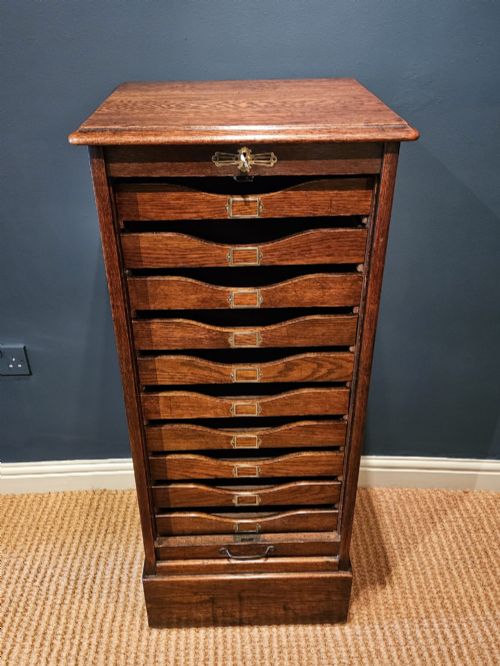
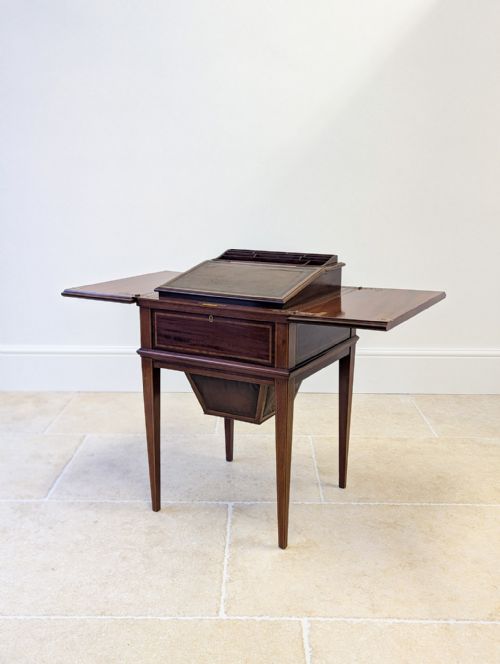
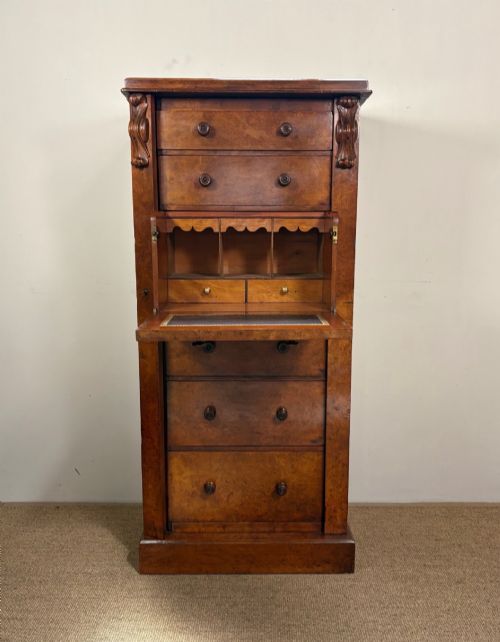
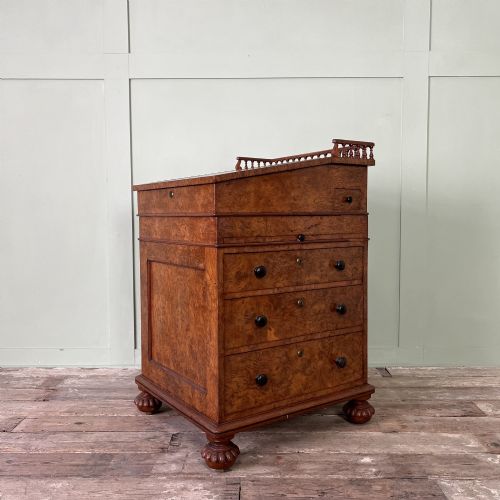
When you search for desk stationery cabinet drawer items, you encounter a mix of compact writing surfaces, filing boxes and compartmented storage forms. These practical pieces span nineteenth century origins through the Edwardian period, built to house letters, ink and paperwork.
The selections on this page lean heavily towards Davenports, writing desks, filing cabinets and small chests of drawers. You will find examples executed in varied timbers with fitted interiors designed for everyday correspondence.
From Regency and Victorian items to later Edwardian and industrial utility designs, each piece reflects the changing demands of home and office administration. The common thread is a dedicated space for stationery alongside functional drawers.
How they were made
Cabinet makers utilised dense hardwoods such as mahogany, rosewood and walnut, frequently selecting burr walnut veneers for decorative surfaces. These timbers were often inlaid with lighter woods like boxwood or satinwood to delineate borders and panels.
Functional metal hardware played a key role, incorporating brass handles, locks and mechanisms that allowed sliding tops, tambour fronts or pop up sections to operate smoothly. Many writing surfaces were inset with tooled leather panels to provide a durable writing plane.
Periods represented span from the Regency era and nineteenth century through Victorian and Edwardian times up to nineteen twenty.
What varies in quality
The distinction between standard examples and finer items rests in the selection of timber figures and the precision of cabinet work. Superior pieces display book matched veneers, tight joinery and well integrated mechanisms that function without strain.
Hardware and interior detailing also mark the grade of a piece, from cast brass handles to neatly fitted stationery compartments with secret drawers. Original finishes and intact leather inserts elevate the character and integrity of the piece.
Gillow and Co
The Desk Stationery Cabinet Drawer Glossary
- Davenport
- A small compact desk featuring a sloped writing surface above a pedestal of drawers. This form became popular during the nineteenth century for drawing room correspondence.
- Tambour
- A sliding door constructed from narrow strips of wood glued to a canvas backing. It runs in tracks to conceal stationery pigeonholes and small drawers.
- Secretaire
- A cabinet or chest incorporating a pull down writing flap that reveals fitted interior pigeonholes. It merges storage space with a dedicated writing surface.
- Campaign desk
- A portable desk designed for easy transport by military officers, typically featuring recessed brass handles and corner brackets. They were constructed in sections for durability during travel.
- Inlay
- A technique where pieces of contrasting wood, such as satinwood or boxwood, are inserted into recessed cavities on the surface. This creates decorative patterns and geometric borders.
Desk Stationery Cabinet Drawer: Frequently Asked Questions
What is a Davenport desk?
A Davenport is a compact writing desk featuring a sloping, hinged top above a pedestal of side drawers. It typically includes internal stationery compartments and was designed for use in smaller rooms.
First appearing in the late eighteenth century, the form remained popular through the Victorian and Edwardian eras. The side drawers often pivot outwards to make better use of space.
How do tambour fronts work?
A tambour front consists of narrow vertical wooden slats glued to a flexible fabric backing. This allows the door to slide smoothly along a curved groove to open and close.
This mechanism was frequently utilised on filing cabinets and stationery desks to conceal pigeonholes without requiring clearance for swinging doors.
Where were these pieces used?
These items were primarily utilised in private homes, studies and offices for managing correspondence and keeping papers orderly. Compact models suited drawing rooms and bedrooms where full sized desks took up too much room.
Larger filing cabinets and pedestal desks served in commercial workspaces and estate offices to handle extensive paperwork and ledgers.
How do I care for leather desk tops?
Leather writing surfaces benefit from gentle cleaning with a slightly damp cloth followed by a neutral leather cream or wax. Avoid harsh chemical cleaners and excessive moisture to prevent cracking.
Keeping these surfaces away from direct sunlight helps preserve the colour and suppleness of the leather over time.
How do I distinguish Victorian from Edwardian pieces?
Victorian pieces generally display heavier proportions, rich dark timbers like rosewood and burr walnut, and rich carved or inlaid details. The designs prioritise substantial presence and dark polished finishes.
Edwardian pieces often lighter in build, frequently drawing inspiration from earlier Sheraton styles with satinwood inlay and brighter mahogany tones. The overall aesthetic feels more streamlined and airy.