

Antique Wooden Desk Cabinet
These antique wooden desk cabinet pieces range from compact stationary boxes to towering bureau bookcases built for study and administration.
Antique Wooden Desk Cabinet
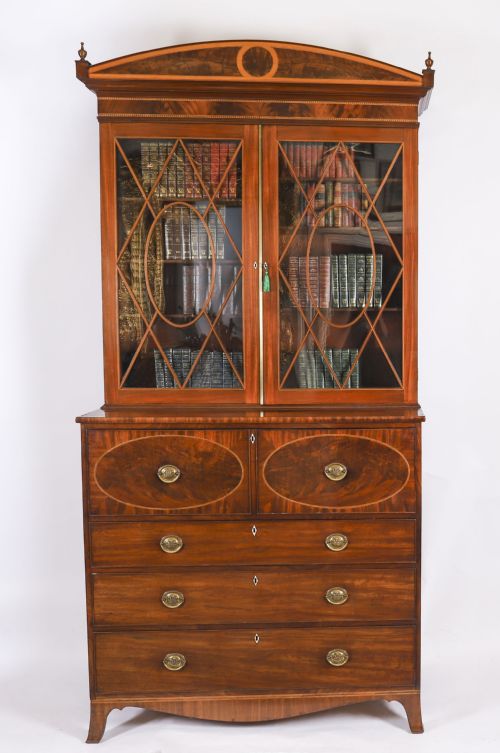
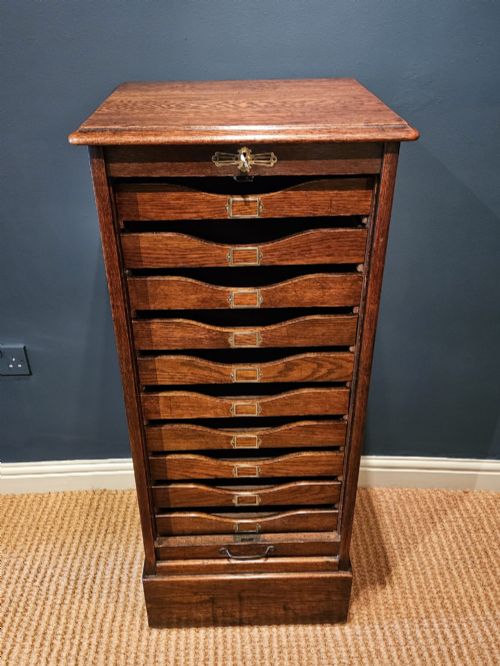
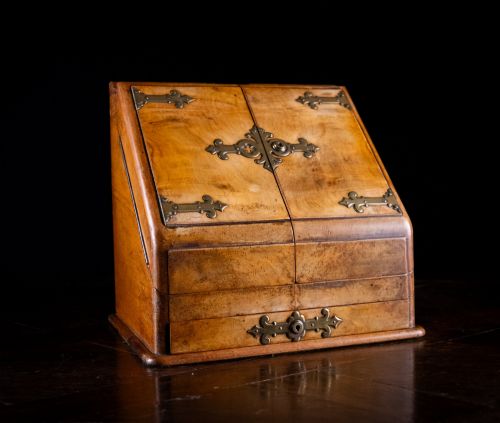
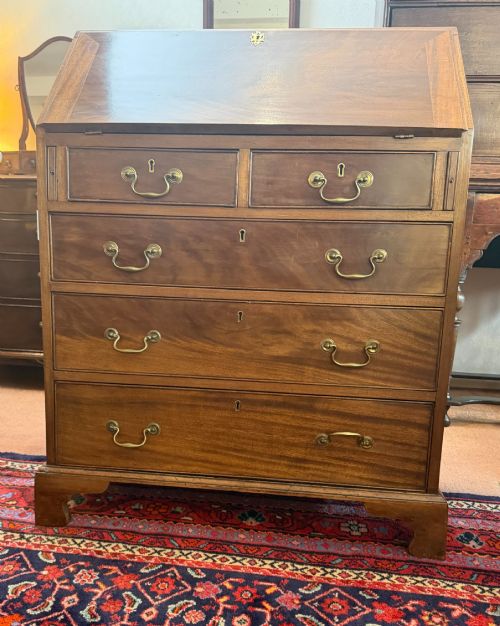
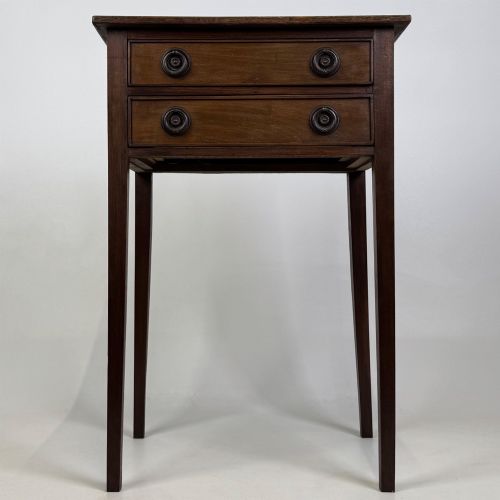
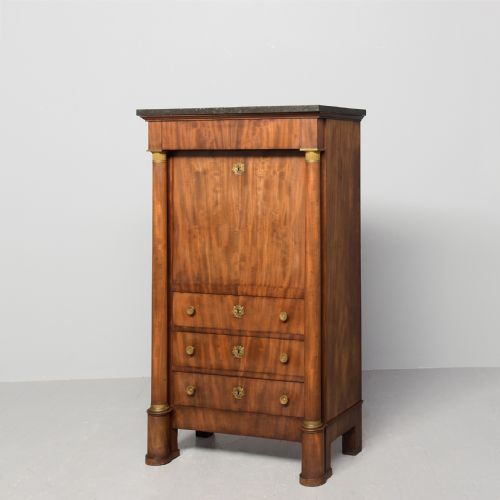
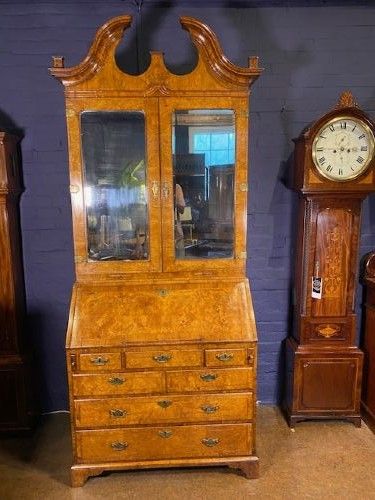
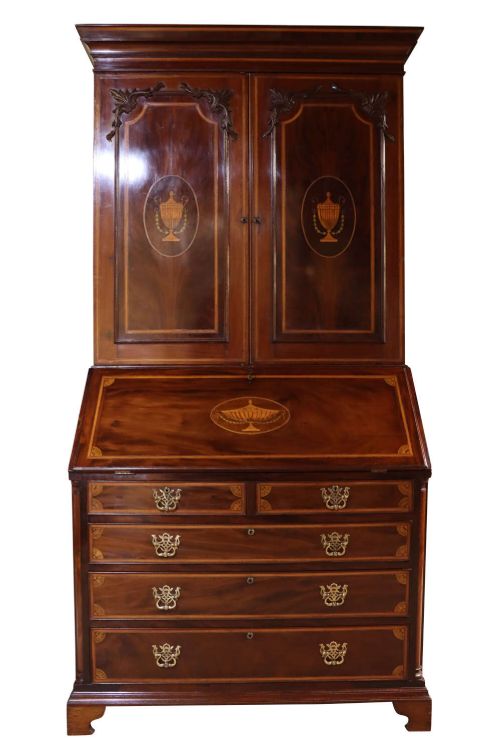
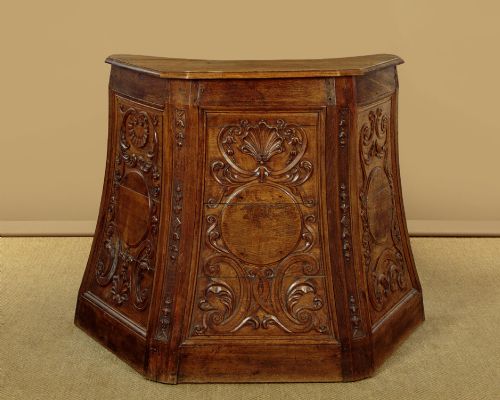
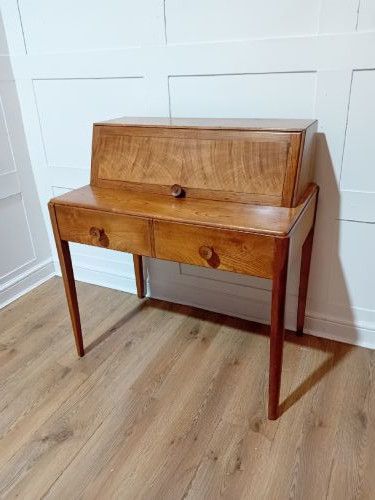
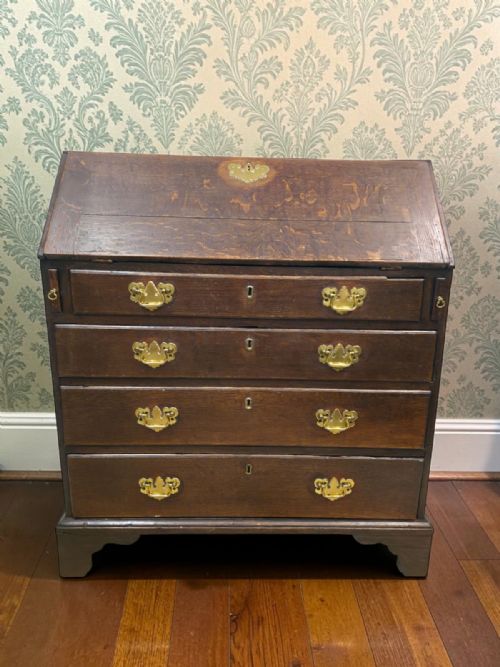
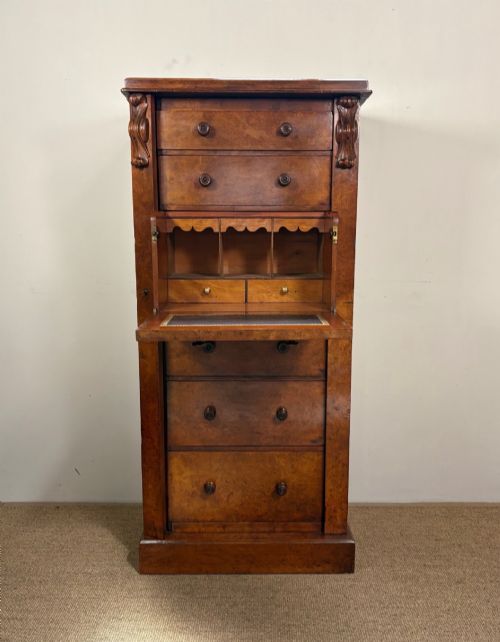
An antique wooden desk cabinet encompasses a diverse group of writing and storage furniture, including compact stationery boxes, fall-front bureaux, tambour front filing cabinets, and large secretaire bookcases. When exploring this selection, buyers encounter pieces spanning the Georgian, Victorian, Edwardian, and Arts and Crafts periods, alongside earlier seventeenth-century examples.
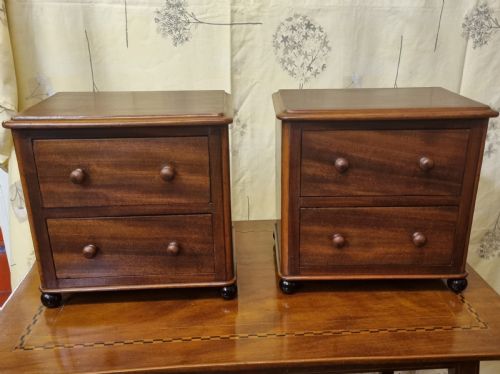
The practical function of these items dictated their construction, leading to varied formats such as miniature apprentice chests, cylinder desks, pedestal filing cabinets, and small side tables. Oak and mahogany appear frequently across these different forms, reflecting the dominant timber choices of British cabinet makers through the nineteenth and early twentieth centuries.
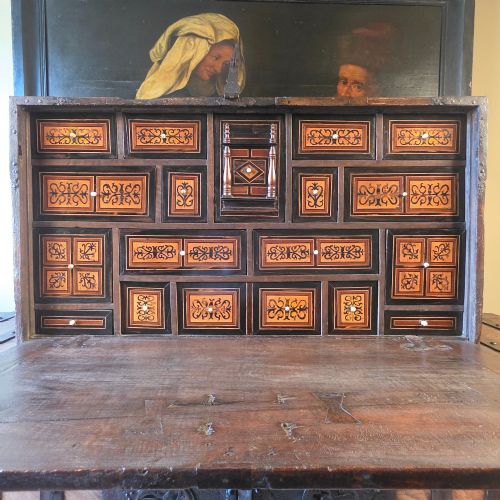
Origin and scale shift considerably within this grouping, moving from substantial walnut bureau bookcases down to tabletop oak desk boxes and pigeon holes. Pieces often integrate specialised compartments designed for correspondence, documents, and writing implements, matching the administrative needs of past households and offices.
Materials and construction methods
Cabinet makers utilised dense hardwoods such as mahogany, oak, walnut, and teak, frequently applying burr walnut or flame mahogany veneers to primary visual surfaces. Secondary woods like pine provide internal structure for drawers and backing boards within these items.
Metal fittings in brass secure doors, drawers, and drop fronts, while leather inserts often line the writing surfaces of secretaires and desks. Specialist mechanisms such as tambour slats permit flexible sliding doors on office cabinets and filing units.
Decorative elements involve careful inlay work using contrasting timbers, carving, and ebonised detailing to define panels and frames. French polishing or wax finishes protect the exterior wood while accentuating the natural grain patterns.
Materials appearing across the current selection include mahogany, oak, walnut, burr walnut, pine, brass, glass, and leather.
Distinctions in craftsmanship and finish
The sophistication of internal joinery and timber selection defines the standard of an antique wooden desk cabinet, distinguishing mass-produced office furniture from bespoke workshop creations. Superior examples display tightly fitted dovetail joints in drawer construction and carefully matched veneer grains across exterior panels.
The integrity of original brass hardware, working locks with keys, and smooth operation of sliding tambour fronts or drop-down writing surfaces indicate careful initial manufacture and preservation. Finer pieces maintain their original leather writing inserts, internal pigeon holes, and fitted stationery compartments without later replacement timber.
Maple and Co·Arthur Basil Reynolds·Bryn Mawr
The Antique Wooden Desk Cabinet Glossary
- Secretaire
- A piece of furniture containing a concealed writing drawer or a fold-down flap that reveals a fitted desk interior. This form combines the storage capacity of a chest or bookcase with a dedicated writing surface.
- Tambour
- A sliding door constructed from narrow vertical strips of wood glued to a canvas or leather backing. This flexible mechanism allows doors to curve around the corners of filing cabinets and desks.
- Bureaux
- A writing desk featuring a sloping fall-front flap that opens to disclose small drawers and pigeon holes. They sit upon legs or directly atop a chest of drawers.
- Stationery box
- A tabletop desk accessory designed to hold envelopes, writing paper, and pens, often featuring tiered compartments and hinged doors.
Antique Wooden Desk Cabinet: Frequently Asked Questions
What is a tambour front cabinet?
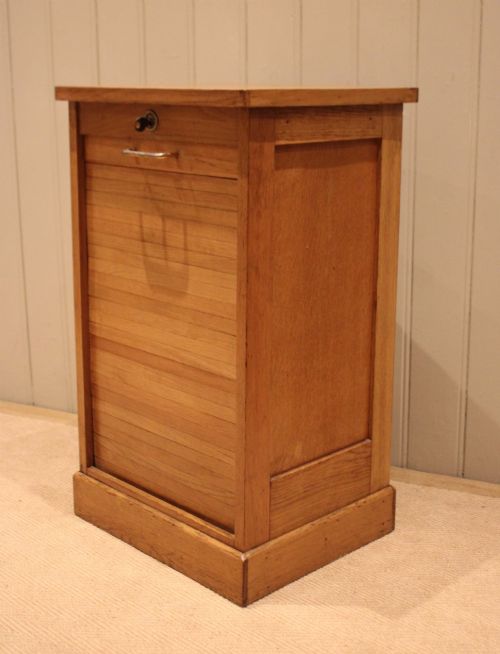
A tambour front cabinet utilises a flexible door made from narrow strips of wood attached to a fabric backing, allowing the door to slide smoothly around a curved track.
This mechanism became particularly popular in Edwardian and early twentieth-century office furniture for concealing internal pigeon holes and shelving efficiently.
How do I identify a Georgian bureau?
Georgian bureaux typically feature a rectangular body with a sloping hinged flap that drops down to form a writing surface, supported by pull-out lopers.
Inside, you will find a central cupboard flanked by small drawers and pigeon holes, while the exterior often showcases solid mahogany or oak timbers with hand-cut dovetails.
What is an apprentice piece chest?
An apprentice piece chest is a small-scale model of a larger chest of drawers, created by a woodworker in training to prove their mastery of specific joinery skills.
These miniature items replicate the precise construction methods, timber choices, and proportions of full-sized furniture intended for domestic use.
Where were stationery boxes used?
Stationery boxes were utilised on top of large partner desks, library tables, and writing desks in prosperous homes and offices.
They kept writing paper, envelopes, and stamps organised and protected from dust within fitted internal compartments and hinged lids.
How do I care for antique wood furniture?
Maintain antique wooden surfaces by keeping them away from direct sunlight and sudden changes in room temperature, which can cause timber to split or veneers to lift.
Apply occasional natural wax polish to nourish the wood grain and protect the finish without building up heavy silicone residues.