


Delft Earthenware Ceramic
Delft earthenware ceramic pieces are tin-glazed objects originating from centuries of European pottery traditions, prized for their distinctive blue and white painted surfaces.
Delft Earthenware Ceramic
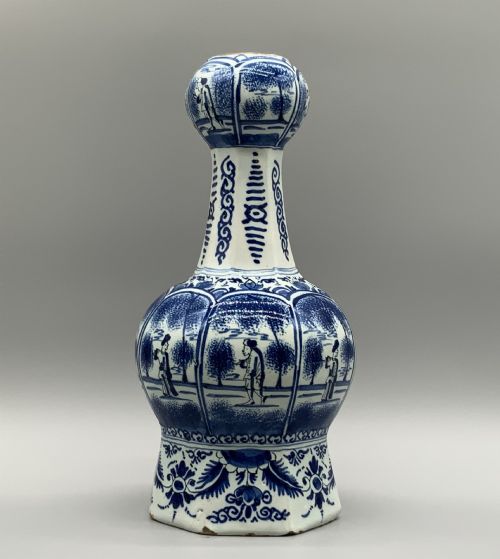
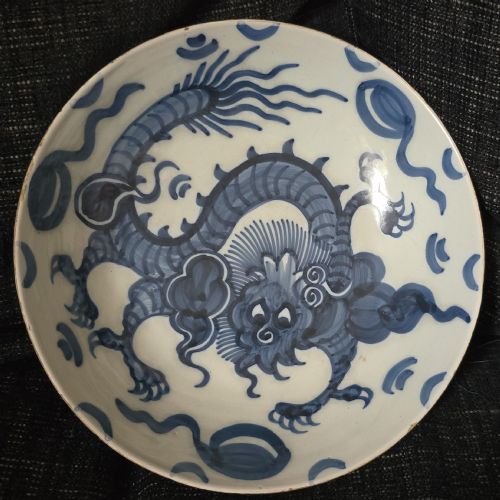
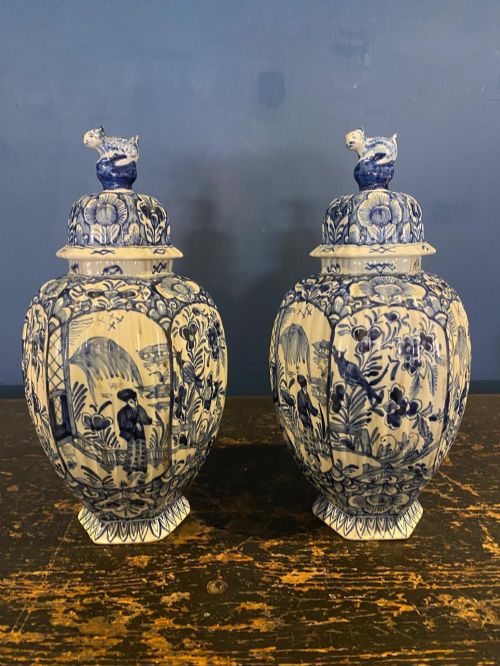
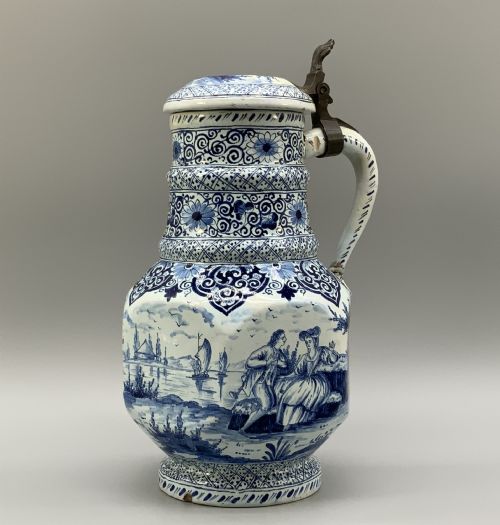
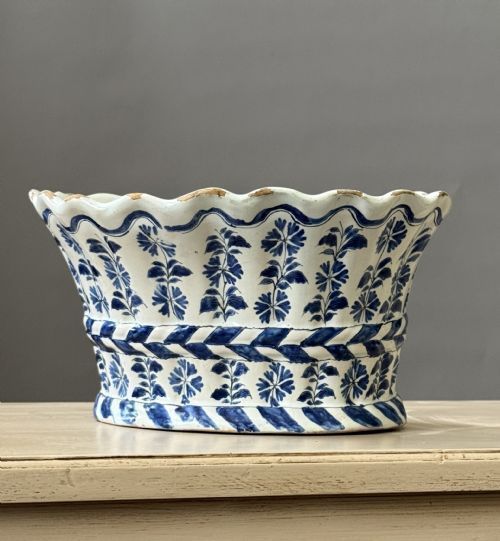
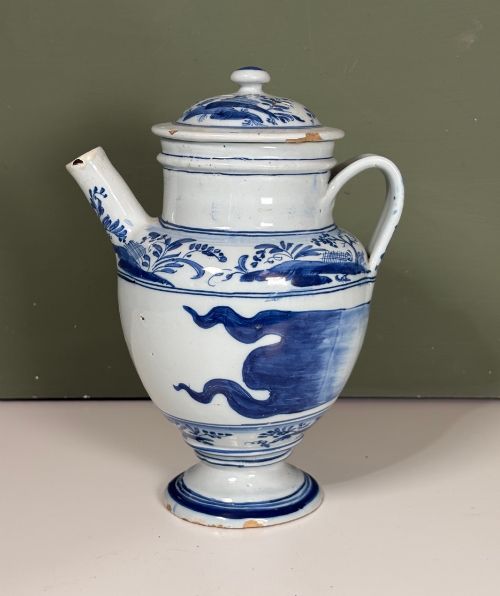
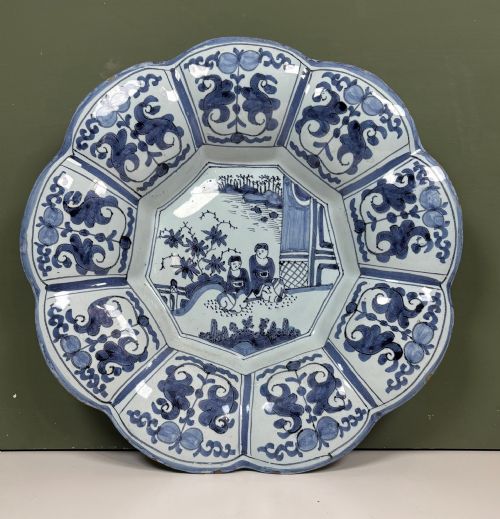
Delft earthenware ceramic objects span charger plates, vases, bowls, and tiles produced across the seventeenth, eighteenth, and nineteenth centuries. Buyers encounter both robust utilitarian vessels and decorative display items originating from Dutch, English, and continental European kilns.
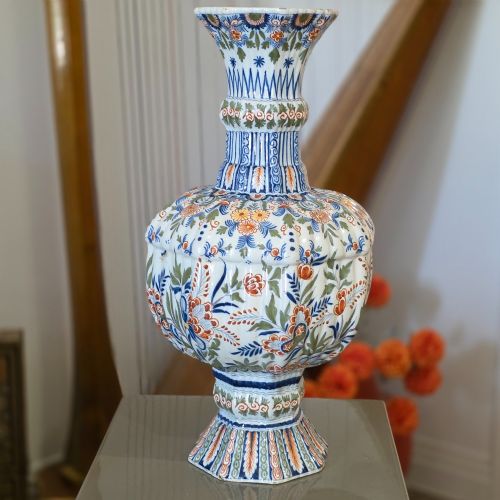
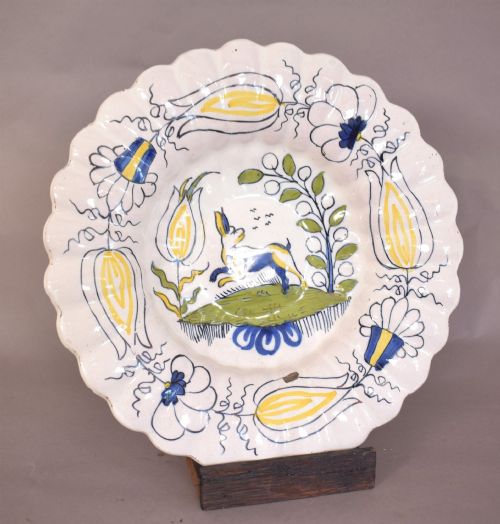
The seventeenth and eighteenth-century examples form the core of what collectors find, featuring traditional blue and white painting alongside manganese and polychrome decoration. Later nineteenth-century revivals and continental pieces also appear, expanding the stylistic range from Dutch Baroque to Moorish influences.
How they were made
Potters shaped local earthenware bodies before coating them in an opaque tin glaze that provided a smooth white ground for painting. Cobalt pigment and other metal oxides were applied directly to this raw glaze before firing, absorbing into the surface to create permanent designs.
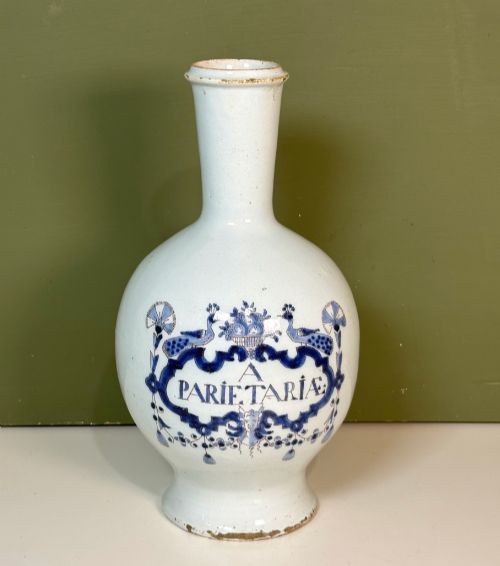
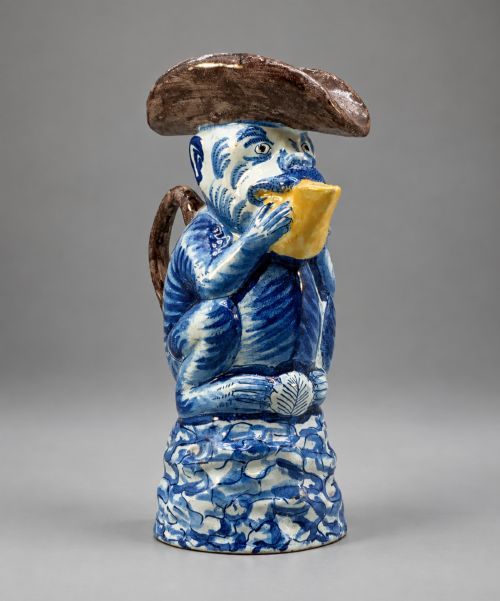
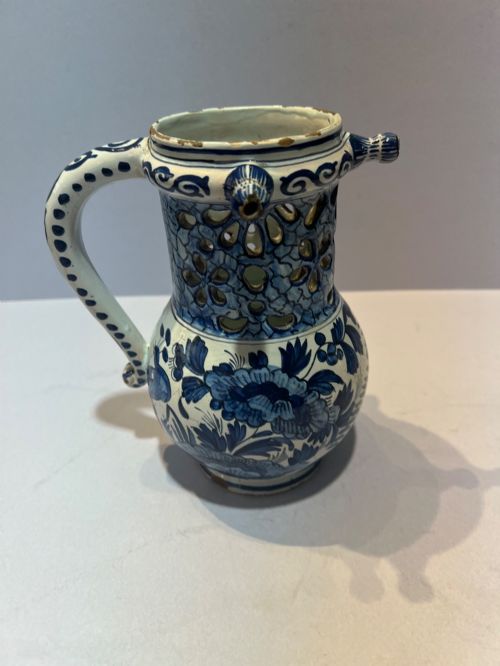
Brushwork relied on hand-painted execution, producing varied botanical, figurative, and Chinoiserie motifs. Specialised forms such as puzzle jugs, apothecary jars, and bough pots required intricate interior channels or multi-part construction.
Listings feature earthenware and tin-glazed ceramic forms ranging from seventeenth-century charger plates to nineteenth-century revival vases and tiles.
What varies in quality
Quality rests in the crispness of the hand-painted brushwork and the stability of the tin glaze over the earthenware body. Superior examples display controlled pigment application and balanced composition without excessive pooling or crawling of the glaze.
The finesse of the potting and the complexity of the form distinguish standard domestic wares from ambitious display chargers and lidded vases. Intact original covers and well-preserved polychrome or manganese palettes elevate the standing of individual pieces.
Royal Bonn
The Delft Earthenware Ceramic Glossary
- Charger
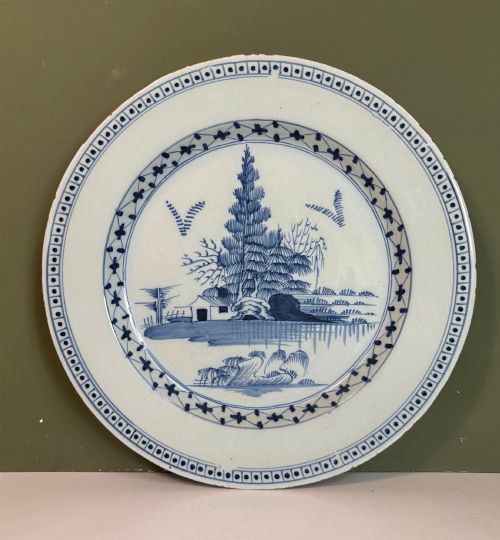
- A large decorative plate intended for display on a wall or dresser rather than dining use. These wide surfaces often carry the most ambitious painted scenes.
- Tin-Glaze
- An opaque white ceramic coating containing tin oxide that conceals the darker earthenware body underneath. It acts as the absorbent canvas for cobalt and metal oxide painting.
- Manganese
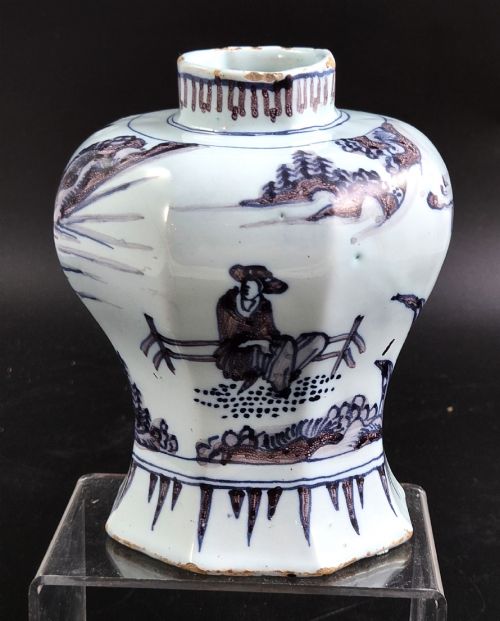
- A purplish-brown metallic pigment used in place of cobalt on certain earthenware pieces. It produces warm brownish tones often seen on eighteenth-century tiles and dishes.
- Puzzle Jug
- A vessel with a perforated neck and hollow rim that forces the user to solve a liquid path to drink without spilling. These interactive ceramic items tested the dexterity of eighteenth-century tavern guests.
- Polychrome
- Decoration utilising multiple colours beyond standard blue and white, typically incorporating yellows, greens, and manganese on tin-glazed surfaces.
Delft Earthenware Ceramic: Frequently Asked Questions
What is delft earthenware ceramic?
It is tin-glazed pottery produced primarily in the Netherlands and England, featuring hand-painted designs on an opaque white surface.
The tradition evolved from imitation of imported Asian porcelain into distinct European styles spanning multiple centuries.
How were delft chargers used?
Larger chargers served primarily as wall decorations or sideboard displays rather than flatware for meals.
Their broad surfaces offered potters and painters ample space to execute complex floral, historical, or Chinoiserie scenes.
How do I date an old piece?
Dating relies on examining the characteristics of the earthenware body, the tint of the tin glaze, and the style of the painted motifs.
Early seventeenth-century items often show stronger Asian influence, while eighteenth-century examples frequently adopt European floral and architectural themes.
Why do some pieces show purple tones?
Peculiar purple or brown tones indicate the use of manganese pigment instead of standard cobalt blue.
This colouring agent was frequently utilised on tiles, dishes, and specialised vessels during the eighteenth century.