

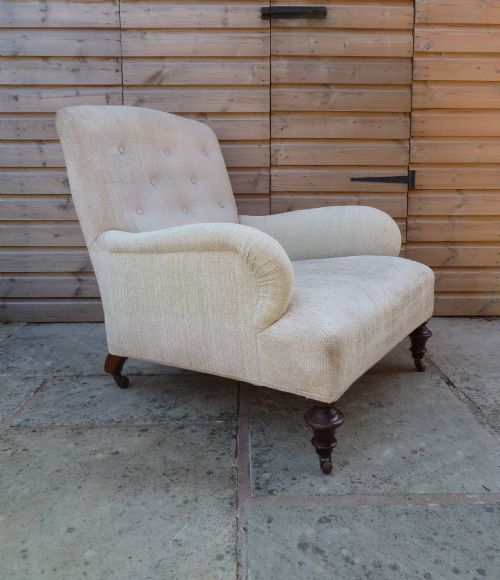
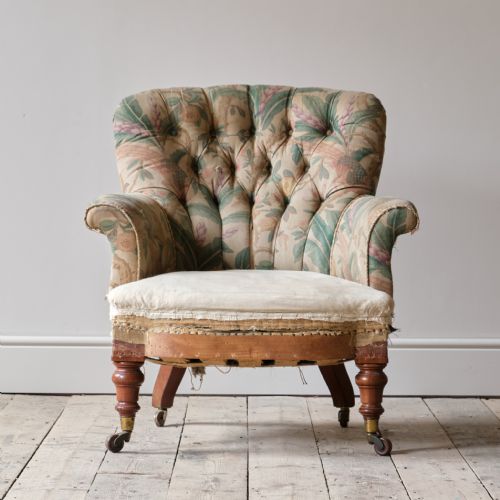
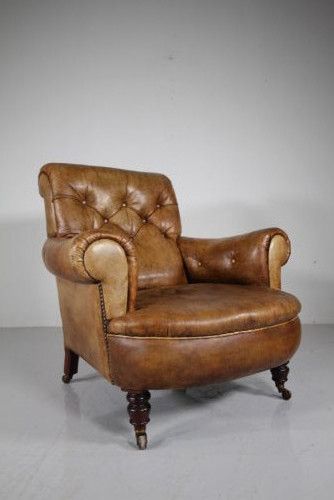
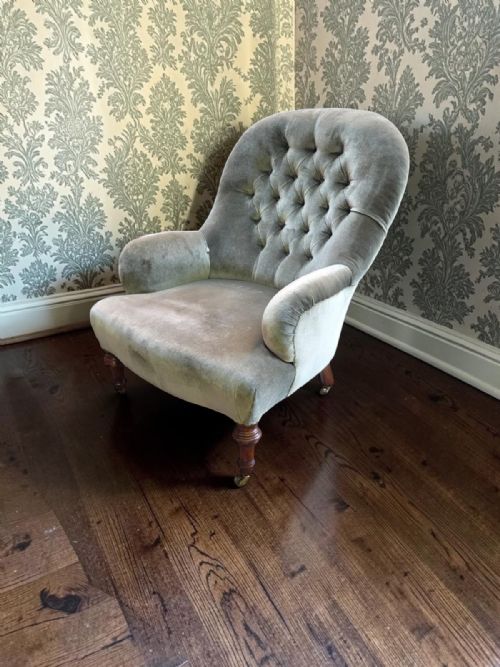
Deep Buttoned Club Chair
A deep buttoned club chair offers profound comfort and enduring build quality, making it the cornerstone of any traditional library or study.
Deep Buttoned Club Chair
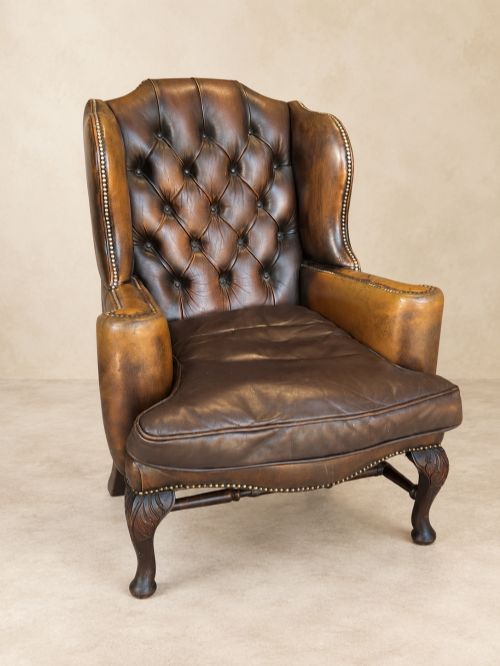
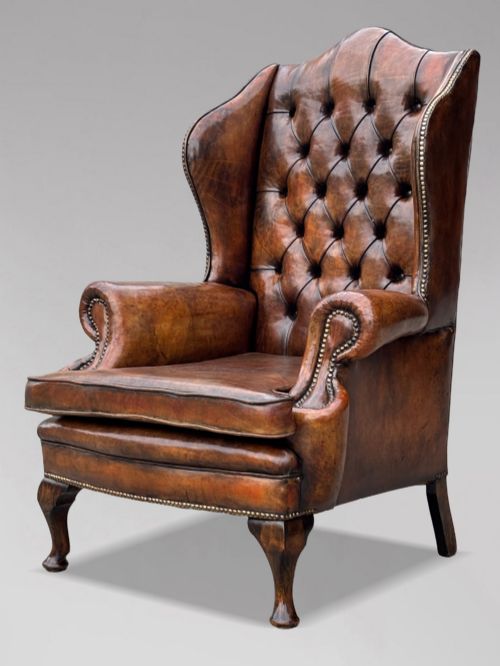
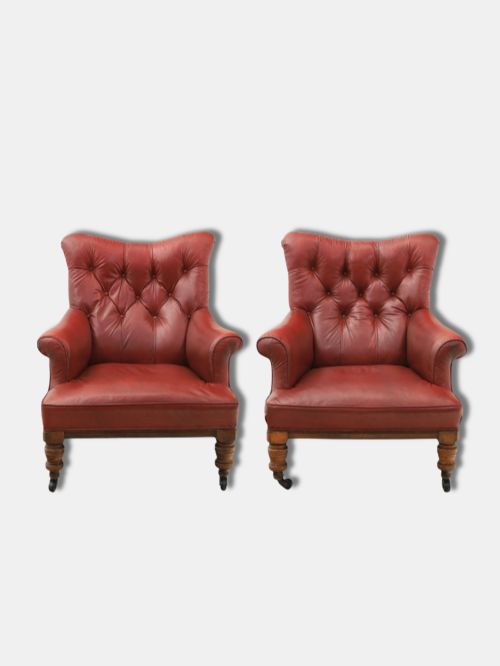
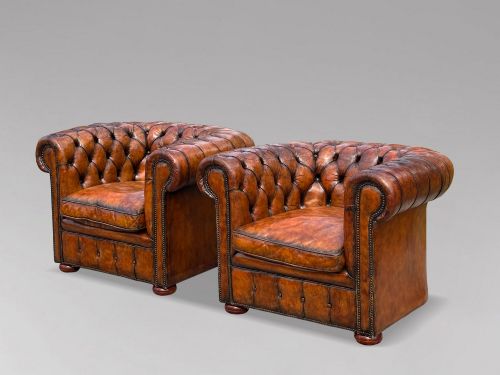
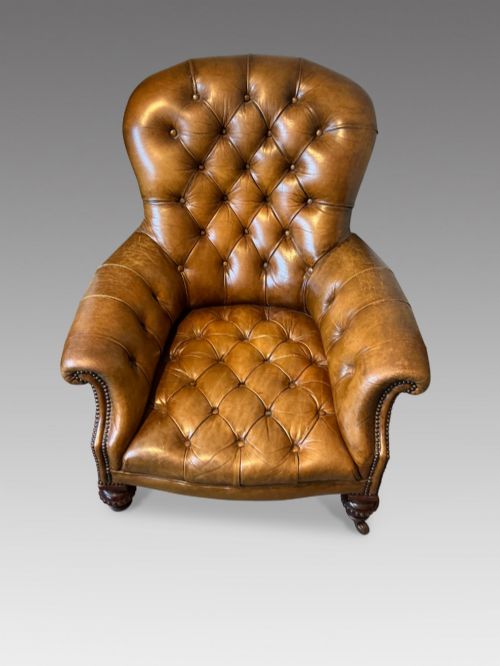
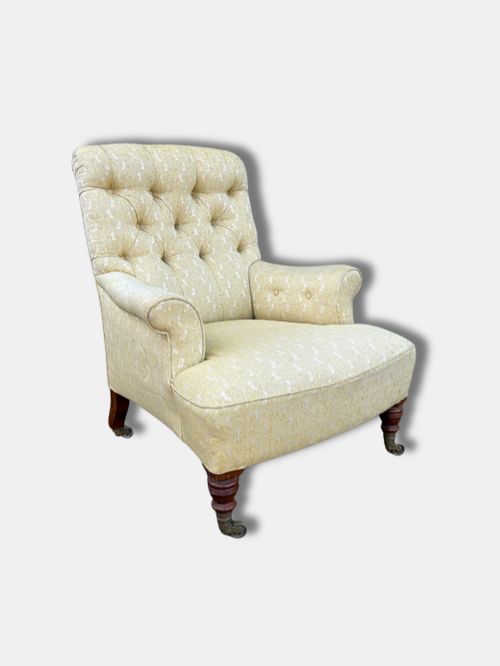
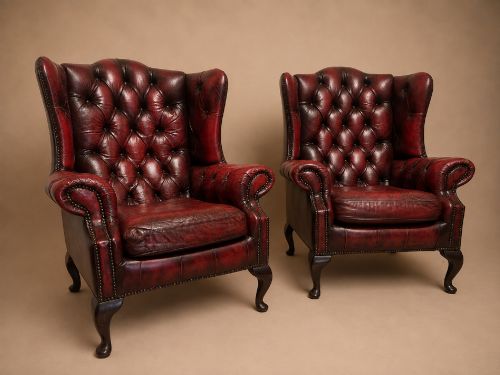
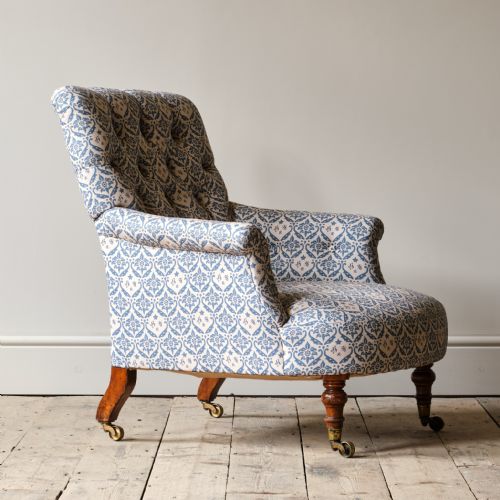
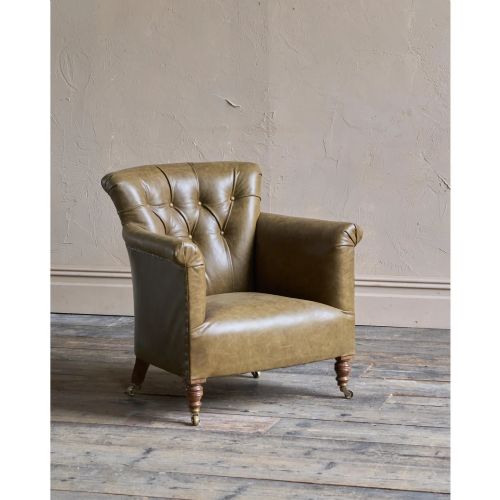
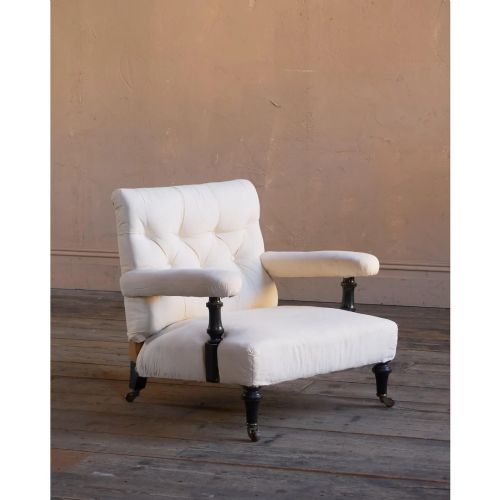
When you search for a deep buttoned club chair, you look at robust seating solutions built to last centuries. These pieces span periods from the nineteenth century through the Edwardian era, taking the form of library armchairs, wing chairs, and low tub chairs.
The most common examples on this page are substantial leather armchairs featuring characteristic tufted upholstery. They emerge from English country house traditions as well as French workshops, reflecting diverse regional tastes of the eighteen-eighties and nineteen-twenties.
Makers and styles range from plain mahogany and oak frames to elaborate walnut pieces upholstered in silk or cotton calico. Buyers find both single armchairs and matched pairs suited for fireside placement.
Materials and Construction
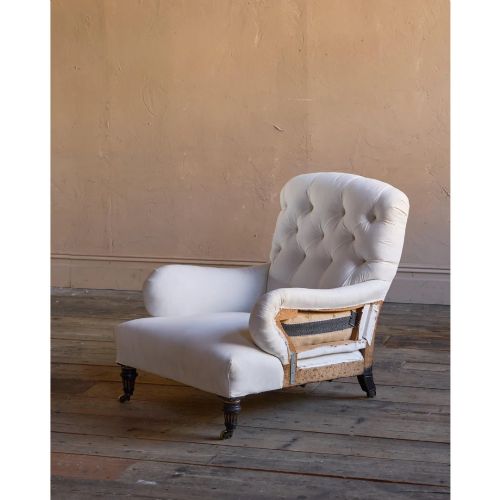
Makers built the foundational frames of these armchairs using sturdy hardwoods like mahogany, walnut, and oak. These timbers provided the rigid skeleton necessary to support heavy daily use without warping.
Upholstery combined leather, cotton, fabric, and calico pulled tight over generous stuffing. Workers secured the deep tufting using sturdy thread tied down to internal webbing, often accented with brass tack work along the seams.
Several library chairs retain old maker numbers stamped into the timber frame, marking inventory from long forgotten workshops.
Factors Determining Quality
Superior examples distinguish themselves through the integrity of the timber frame and the depth of the original hide. High quality chairs retain resilient springing and firm tension in the buttoning, rather than sagging through years of heavy service.
The distinction between top tier pieces and ordinary seating lies in the subtlety of the carved wooden details and the proportion of the arms. Master workshops paid meticulous attention to the alignment of the leather panels and the regularity of each individual tuft.
Howard and Sons·Mellier and Co·Holland and Sons·Gillows
The Deep Buttoned Club Chair Glossary
- Deep buttoned
- Upholstery technique where buttons are pulled deep into the padding to create a geometric pattern of tufts and folds. This secures the internal filling and gives the leather its signature undulating surface.
- Wing armchair
- An upholstered seat featuring protective side panels attached to the backrest. These wings historically blocked drafts and retained warmth from a nearby fire.
- Bergere
- An enclosed armchair with cane or upholstered sides set into a visible wooden frame. Originating in France, these chairs offer lighter proportions than standard club seats.
- Library chair
- A heavy, comfortable armchair designed for prolonged reading in private studies. They frequently feature leather upholstery and sturdy wooden arms.
- Tub chair
- A curved seating form where the back and arms merge into a continuous circular enclosure. This style wraps around the sitter to provide enclosed support.
Deep Buttoned Club Chair: Frequently Asked Questions
How do I care for antique leather?
Apply traditional leather balms sparingly to maintain suppleness and prevent the hide from drying out over decades of use.
Keep these armchairs away from direct sunlight and strong heat sources to preserve the original colour and finish.
Are these chairs comfortable for daily use?
These seating options were engineered for heavy daily reading and relaxation in nineteenth century libraries and country houses.
Deep padding and sturdy internal springs ensure they remain supportive and ergonomic for modern sitting habits.
How do I date a Victorian armchair?
Examine the timber species, frame construction methods, and hardware underneath the seat to determine the manufacturing decade.
Maker stamps on the wooden legs or upholstery webbing often provide precise workshop origins and production dates.
What is a club chair?
A club chair is a heavily upholstered deep seated armchair designed for comfort in private smoking rooms and gentlemen's clubs.
They evolved during the nineteenth century into the iconic leather armchairs found in traditional studies today.