



Decorative Wooden Mirror
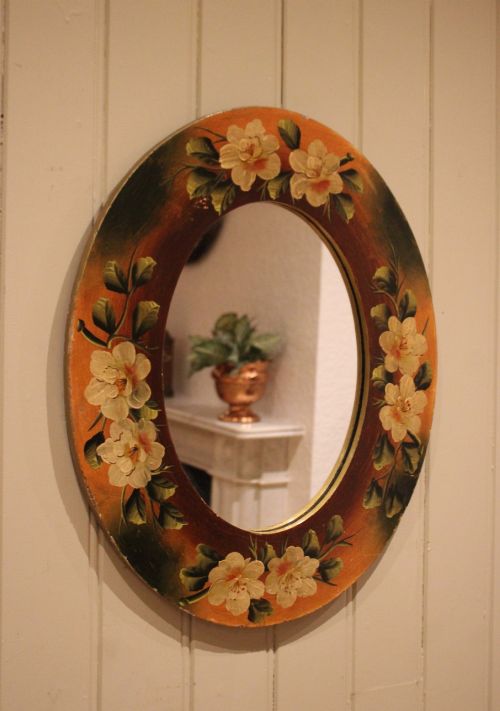
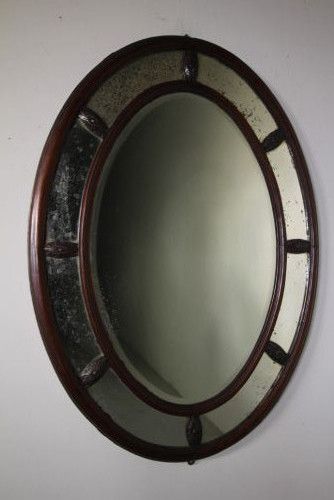
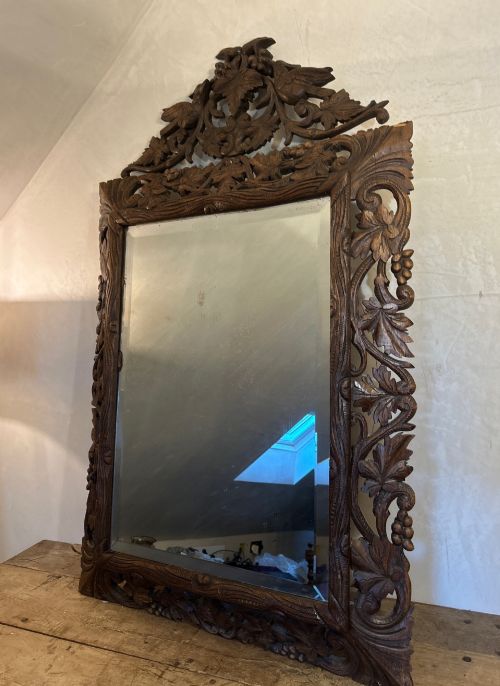
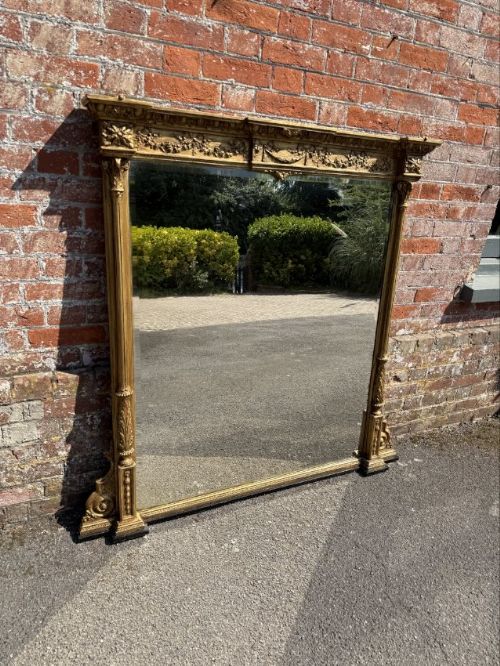
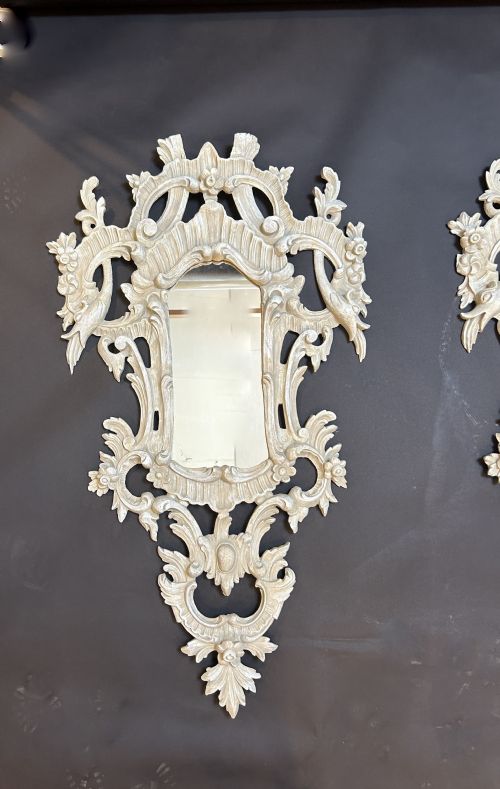
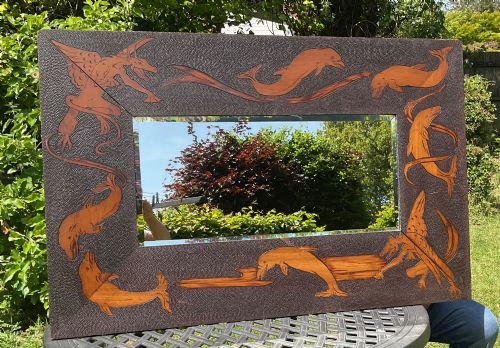
These decorative wooden mirror pieces span centuries of carving and painting, offering immediate character to any room.
Decorative Wooden Mirror
A decorative wooden mirror serves both practical reflection and interior ornamentation, drawing upon centuries of design traditions ranging from stately overmantels to intimate wall hangings. When exploring this selection, buyers encounter everything from grand architectural frames to smaller painted pieces designed for hallways and living spaces.
The objects listed here include various forms such as wall mirrors, overmantel mirrors, cheval mirrors, and wall sconces. Origins stretch across English, French, Italian, Spanish, Indian, and continental workshops, reflecting diverse regional tastes in timber work and surface decoration.
How they were made
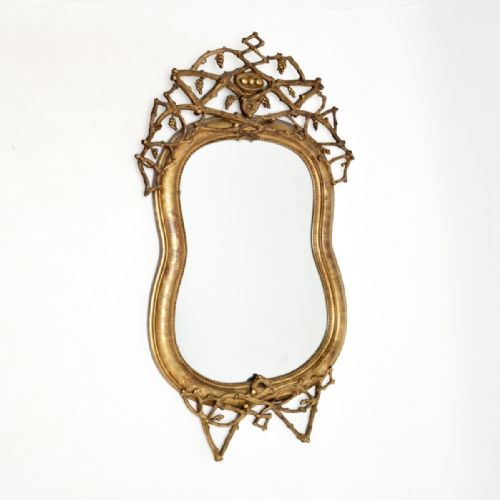
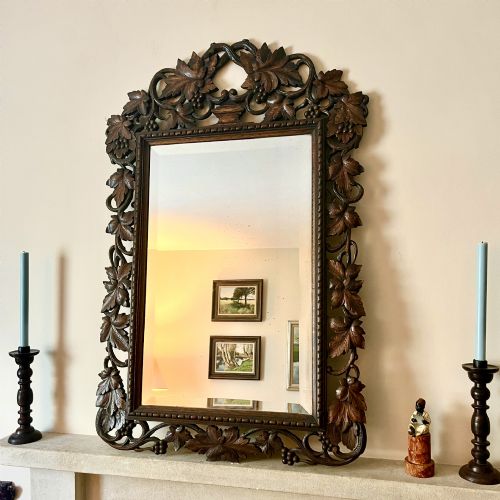
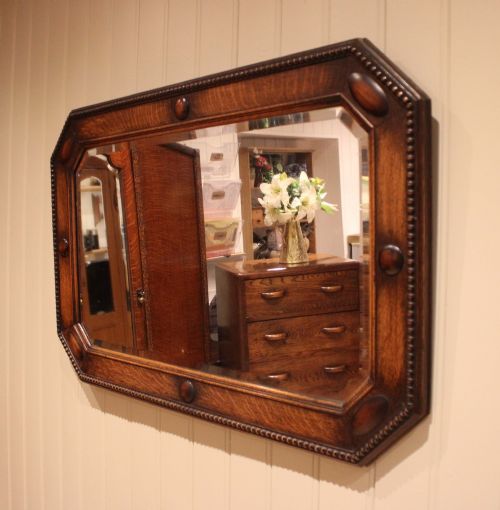
Craftsmen utilised solid timbers such as mahogany, oak, walnut, limewood, and pine, frequently applying gesso and giltwood to create elaborate relief ornamentation. Carving was executed by hand, resulting in deep, tactile details like columns, floral motifs, and Rococo scrolls.
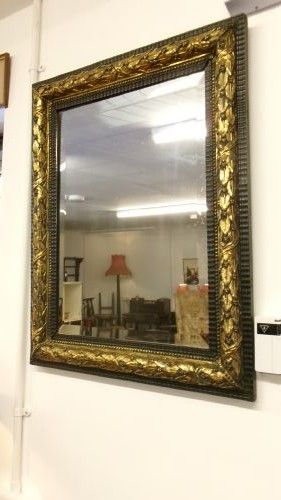
Surface finishes involved painting, over-painting, silvering, and ebonising, alongside specialised techniques like marquetry, shisham and ivory inlay, and oyster veneering. Glass plates were fitted into these frames, sometimes featuring hand-engraved designs or showing natural age through foxing.
Listings feature items spanning the 17th century through the Art Deco era, utilising mahogany, oak, walnut, gesso, and giltwood.
What varies in quality
Quality rests primarily in the depth and crispness of the hand-carving, where skilled execution yields sharp undercut foliage and balanced proportions rather than flat, mechanical moulding. The choice of timber also dictates standard, with dense hardwoods and carefully matched veneers holding greater architectural presence.
The integrity of the surface finish marks another distinction, separating standard painted coats from intricate, layered gilding, ebonising, or marquetry work. Original mirror plates with authentic foxing or engraved details retain higher integrity than modern replacements.
A.J Rowley
The Decorative Wooden Mirror Glossary
- Overmantel mirror
- A large mirror specifically designed to hang above a fireplace mantelpiece. These pieces often feature wide frames to anchor the wall space.
- Giltwood
- Timber that has been coated with a thin layer of gold leaf or gilded paint. This finish creates a luminous metallic sheen popular in formal rooms.
- Foxing
- Age-related spots and discolouration appearing within the mirror glass itself. This chemical oxidation develops naturally across decades.
- Pier glass
- A tall, narrow mirror traditionally hung on the wall space between two windows. They often sat above matching console tables or display shelves.
- Marquetry
- The art of applying pieces of veneer to a structure to form decorative patterns. Craftsmen use various coloured woods to build pictorial scenes.
Decorative Wooden Mirror: Frequently Asked Questions
How do I hang a heavy wooden mirror?
Heavy framed mirrors require secure wall fixings distributed evenly to support the combined weight of the timber and glass plate. Fixing directly into wall studs or using heavy-duty cavity anchors ensures stability.
Overmantel and large wall pieces often utilise substantial hanging wire or brackets attached firmly to the structural frame. Professional installation is recommended for very large antique pieces.
Are antique mirror plates original?
Many older frames retain their original glass, which can be identified by slight distortions, uneven thickness, and natural foxing marks. These characteristics confirm the age and authenticity of the piece.
Replacement glass is sometimes fitted if the original was damaged beyond preservation. Examining the backing and the way the glass is secured helps determine its history.
How do I clean a carved wooden frame?
Carved wooden frames require gentle dusting with a soft brush to remove particles from deep recesses without damaging the timber or gesso. Avoid harsh chemical polishes that can strip aged finishes.
Gilt and painted surfaces should be treated with particular care, using dry cloths only. Moisture can penetrate old adhesives and cause flaking.
Where should I place an overmantel mirror?
An overmantel mirror is traditionally positioned directly above a fireplace to reflect light and anchor the decorative focus of the room. Its proportions are usually chosen to match the width of the mantel shelf below.
These pieces also function effectively on large blank walls in reception rooms. Placing them opposite windows maximises natural light distribution.