



Decorative Wood Storage Box
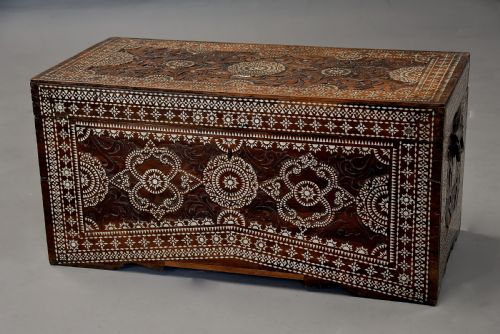
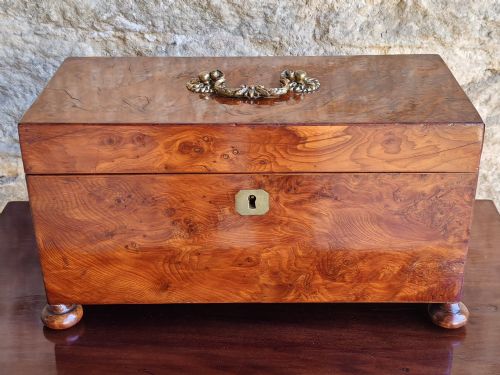
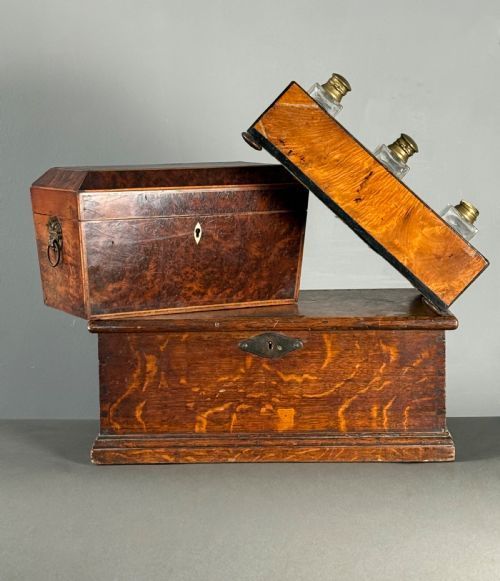
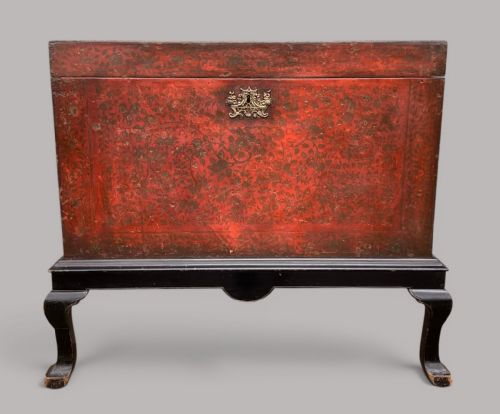
A decorative wood storage box holds small treasures or larger possessions while bringing varied period timber grain and inlay into a room.
Decorative Wood Storage Box
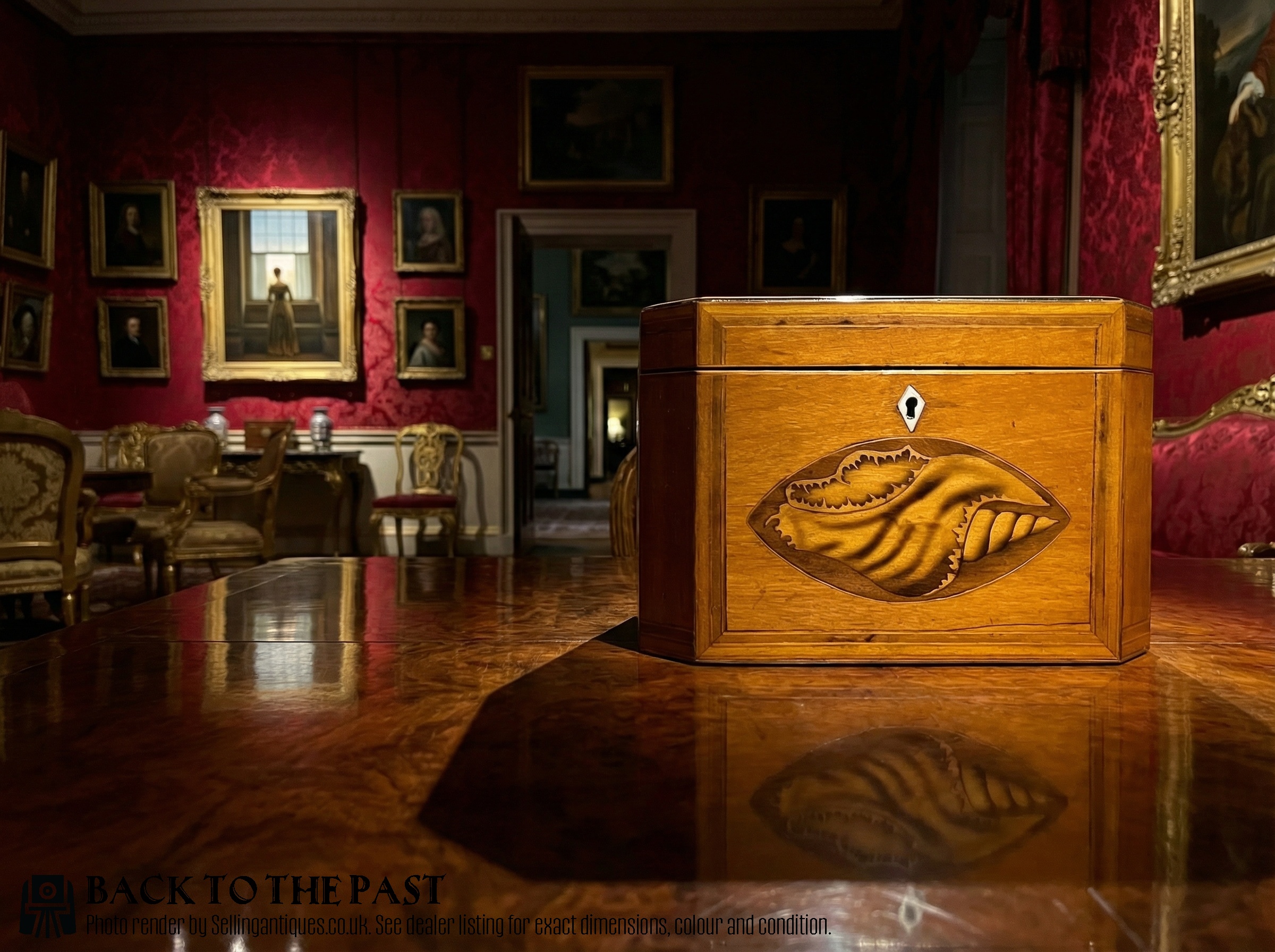
A decorative wood storage box spans tea caddies, trinket cases, larger coffers, and trunks originating from the seventeenth century through to the early twentieth century.
The versions most commonly met on this page include nineteenth-century rosewood tea caddies, Tunbridge ware trinket boxes, and inlaid hardwood chests from various global traditions.
Makers utilised native timbers like mahogany, walnut, and sycamore alongside exotic woods such as partridge wood, amboyna, and burr maple for storage pieces.
Design and Execution
Quality rests in the precision of the timber joints, the complexity of the surface inlays such as satinwood or marquetry, and the intact survival of internal fittings.
Pieces showing disciplined hand-carving or meticulous micro-mosaic patterning separate standard utility items from works of finer decorative execution.
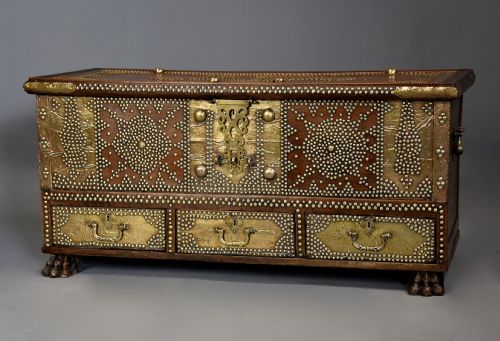
One unexpected box is a novelty biscuit tin cleverly produced to look like an Indian carved hardwood chest.
Hunter and Palmer
The Decorative Wood Storage Box Glossary
- Tea caddy
- A specialised container originally made to store dry tea leaves securely. These often feature internal lidded compartments and fine veneer work.
- Tunbridge ware
- A form of woodworking peculiar to Kent involving thousands of tiny coloured wood blocks arranged to form pictorial mosaics. These create intricate geometric patterns on box lids.
- Marquetry
- The art of applying pieces of veneer to a structure to form decorative patterns. Craftsmen select woods of contrasting natural colours for visual depth.
- Coffer
- A large wooden chest traditionally used for storing valuables or textiles. They frequently display period carving or ironwork.
- Tricker box
- A small receptacle intended for keeping personal trinkets and jewellery. They often include fitted velvet or silk interiors.
Decorative Wood Storage Box: Frequently Asked Questions
What were tea caddies used for?
Tea caddies served to store precious tea leaves securely under lock and key when tea was an expensive luxury commodity in British households.
Their internal compartments kept different tea varieties separated before blending.
How do I date a wooden box?
Dating relies on identifying the underlying timber species, construction methods, and decorative styles characteristic of periods like the Georgian or Victorian eras.
Hardware such as hinges and locks also provides reliable chronological clues.
What is Tunbridge ware?
Tunbridge ware is a distinct British form of decorative woodworking featuring mosaic patterns built from tiny wood prisms.
These mosaics depict landscapes or geometric designs across the lids of small boxes.
How do I care for antique wood?
Antique wooden boxes require stable room temperatures away from direct sunlight and radiator heat to prevent timber splitting or veneer lifting.
Occasional light dusting maintains the dry patina without stripping historic finishes.