

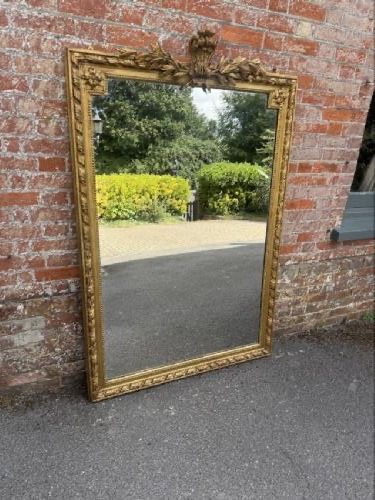
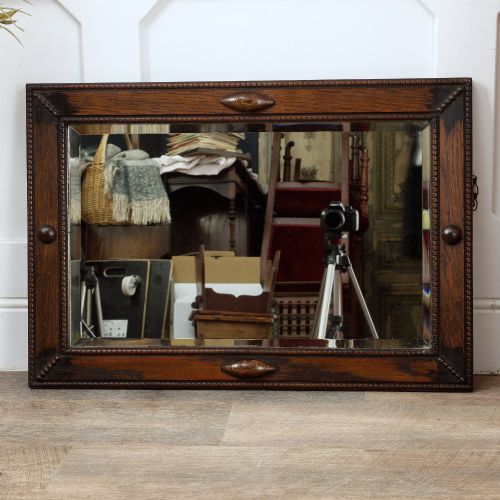
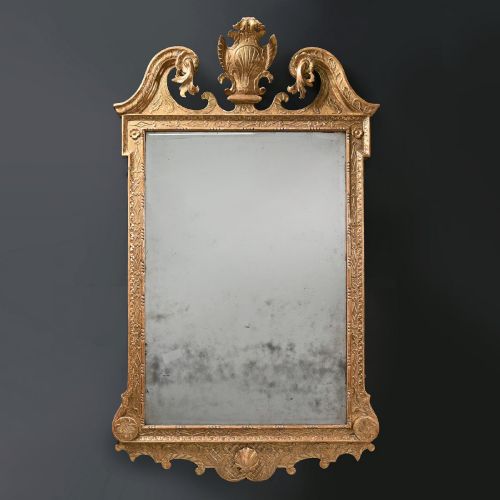
Decorative Wood Mirror
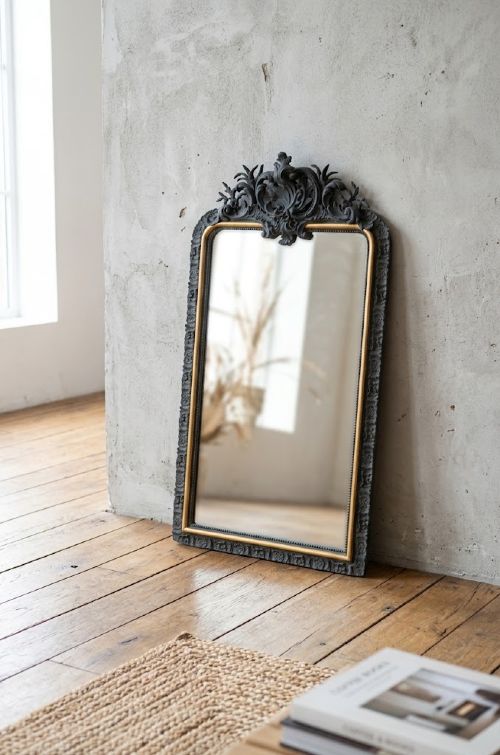
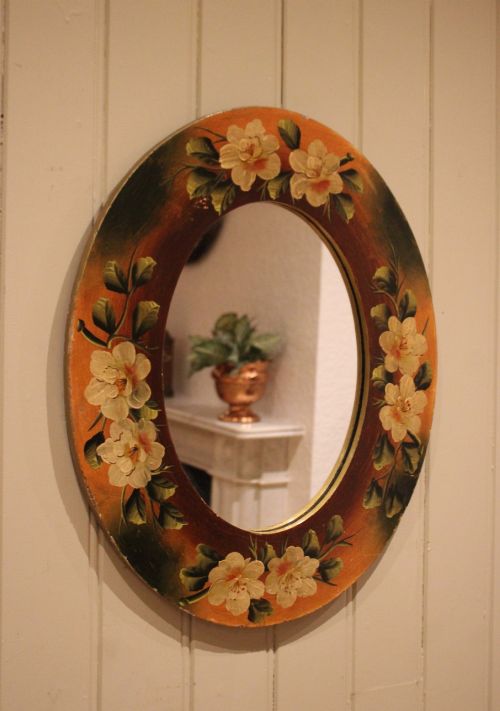
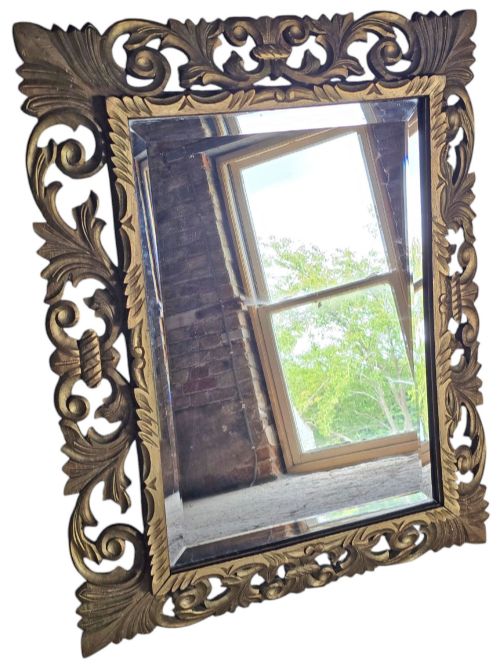
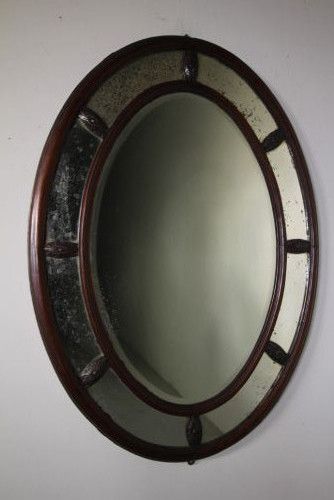
When choosing a decorative wood mirror, buyers seek the ornate carved frames and historic glass that define grand European and English interiors.
Decorative Wood Mirror
A decorative wood mirror functions primarily as an interior focal point, bringing light and scale into a room through elaborate carving and gilding. These pieces span the eighteenth, nineteenth, and early twentieth centuries, reflecting diverse regional tastes from English country houses to French chateaus and Italian workshops.
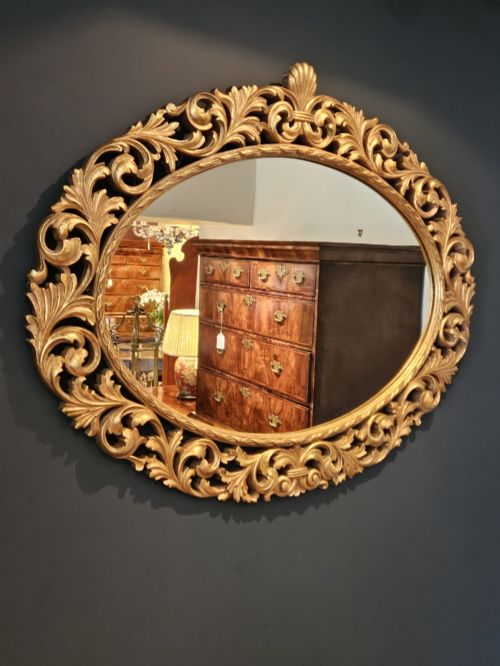
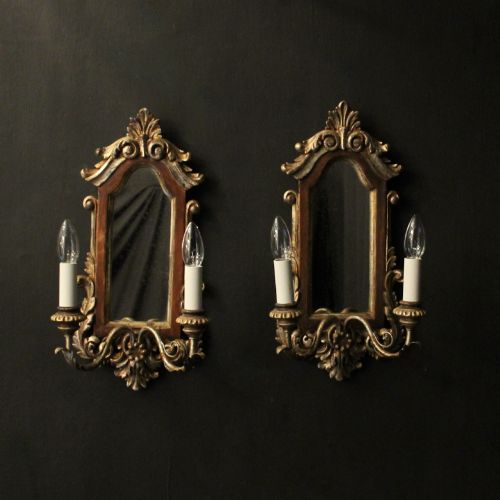
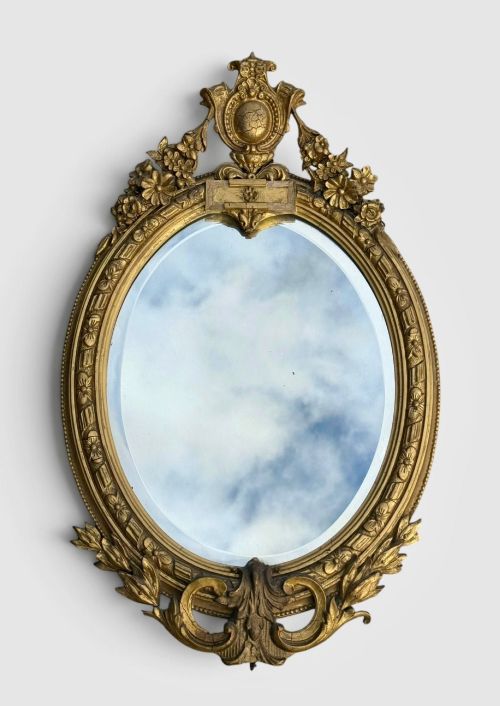
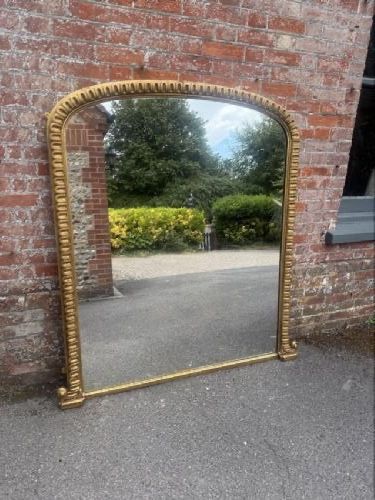
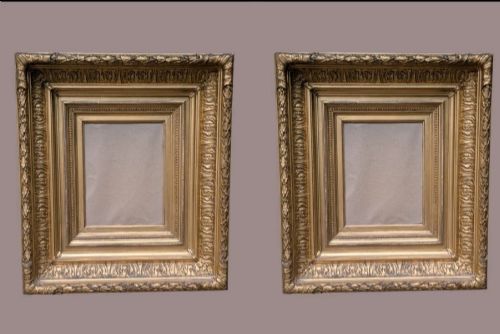
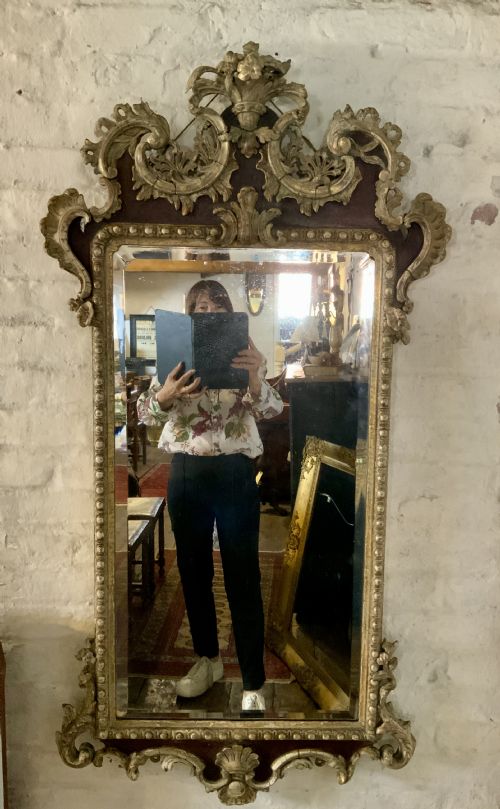
The most common examples on this page are nineteenth-century giltwood and gesso pieces, often taking the form of large overmantels, pier mirrors, or arched wall mirrors. Makers applied layered preparation to carved timber substrates before adding gold leaf, paint, or parcel-gilt finishes.
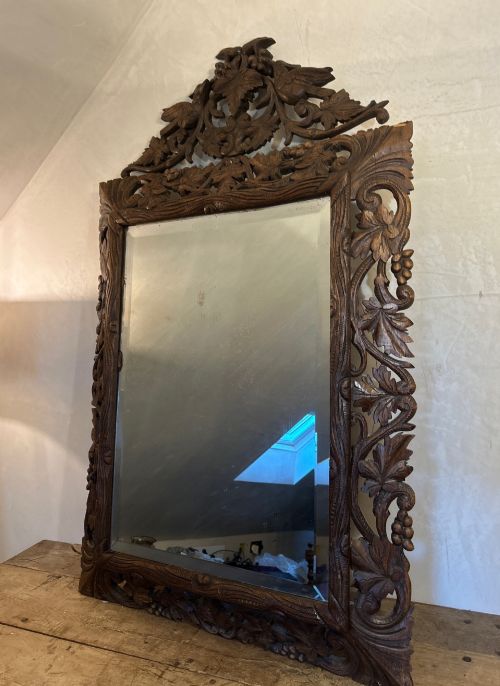
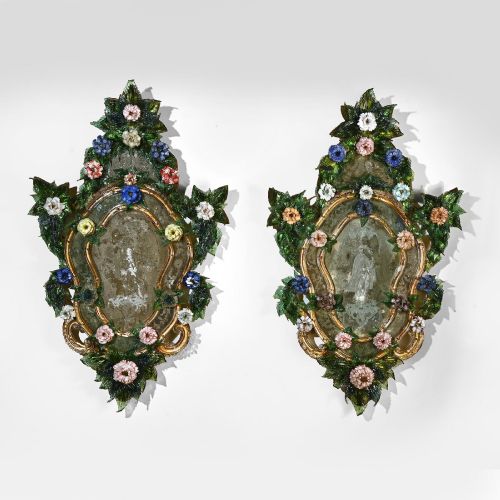
Buyers also encounter specialised regional variants such as Florentine cushion frames, Venetian glass borders, and carved oak or walnut structures. Whether displaying rococo scrolls, neoclassical swags, or Chinoiserie motifs, each object combines utility with sculptural craftsmanship.
How They Were Made
Carvers shaped solid timbers such as oak, walnut, mahogany, and pine to form the structural foundation of each frame. Artisans then applied gesso, a mixture of chalk and binder, directly onto the wood to build up relief details and smooth out the carving.
Gilders laid delicate sheets of gold leaf over the prepared gesso surfaces, burnishing the metal to achieve a brilliant reflective sheen. Alternatively, craftsmen utilised oil paint, ebonising, or distressed finishes to create contrasting tones on the carved wooden ornamentation.
The inventory spans the eighteenth, nineteenth, and early twentieth centuries across English and continental styles.
What Varies in Quality
The depth and crispness of the hand-carving distinguish finer examples from standard production, as skilled artisans achieved intricate undercut foliage, scrolls, and figural masks. Inferior pieces often rely on moulded composition ornaments applied over plain timber rather than deep, hand-chiseled wooden relief.
The preservation of the original gilded or painted surface dictates historical integrity, with untouched gold leaf and authentic patination commanding greater appreciation. Disturbed layers, heavy overpainting, or replaced mirror plates alter the visual balance and age of the object.
The Decorative Wood Mirror Glossary
- Gesso
- A dense plaster mixture applied to wood frames to create a smooth base for gilding or painting. This material allowed carvers to achieve sharp, detailed relief work.
- Giltwood
- Timber coated with a thin layer of gold leaf over a prepared ground. It provides the signature metallic brilliance seen on antique wall mirrors.
- Overmantel Mirror
- A wide glass designed specifically to hang above a fireplace mantel. These expansive pieces frequently incorporate arched tops and column framing.
- Pier Mirror
- A tall, narrow looking glass intended to hang on the wall space between windows. They often feature matching console tables or decorative lower brackets.
- Parcel-Gilt
- Partially gilded woodwork where specific carved details are highlighted in gold against a contrasting painted or stained background. This technique accentuates structural depth.
Decorative Wood Mirror: Frequently Asked Questions
How do I hang a heavy antique mirror safely?
Large antique frames require professional wall fixings distributed across multiple structural points to support the combined weight of timber and glass. Ensure the hanging wire or integrated brackets engage securely with wall studs rather than plaster alone.
Position the frame at an appropriate height to reflect natural light from windows across the room, enhancing the spatial dimensions of the interior.
What is an overmantel mirror?
An overmantel mirror is a wide format looking glass traditionally manufactured to hang directly above a fireplace mantelpiece. Their horizontal proportions complement the hearth structure and anchor the surrounding room layout.
These pieces frequently feature architectural elements like columns, arched tops, or elaborate crestings designed to draw the eye upward.
How do I clean antique mirror glass?
Clean mirror glass gently using a soft microfibre cloth and a mild, ammonia-free cleaning solution applied to the cloth rather than directly onto the glass. This prevents moisture from seeping behind the plate and damaging the historic silvering.
Take care to avoid spraying liquids near the wooden or gilded edges, as moisture can lift delicate gesso and gold leaf over time.
How do I tell if a mirror is Victorian?
Victorian mirrors often exhibit deep gesso frames, dark woods like rosewood and mahogany, or heavy gilt decoration influenced by revival styles. Examining the reverse of the frame often reveals period construction techniques, hand-sawn timber marks, and older fixings.
The silvering on the glass may show characteristic foxing, which appears as small dark spots caused by age and chemical reactions behind the plate.