






Decorative Walnut Cupboard
These decorative walnut cupboard pieces bring warmth and rich grain to a room, offering practical storage disguised in fine timber.
Decorative Walnut Cupboard
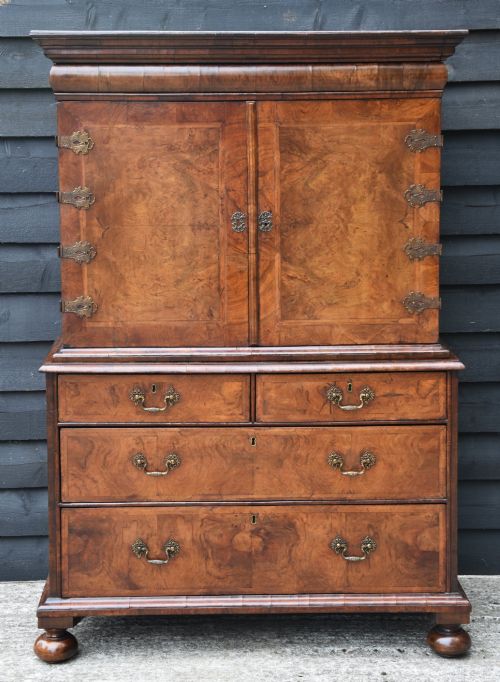
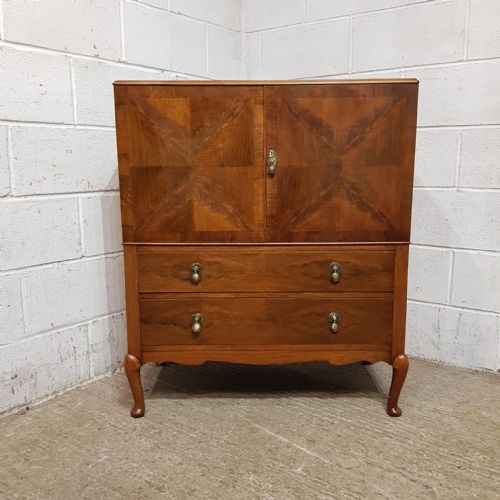
A decorative walnut cupboard covers an array of forms from the seventeenth century through to the nineteen thirties, including side cabinets, cocktail cabinets, tallboys, and corner cupboards. These pieces are chosen for their figured timber and architectural presence, serving as focal storage points in traditional and eclectic interiors.
Buyers on this page are most likely to encounter twentieth-century burr walnut cocktail cabinets and eighteenth-century corner cupboards alongside earlier William and Mary pieces. The selection ranges from compact corner units to imposing cabinets on chests, utilising distinct period styles like Queen Anne Revival and Aesthetic Movement.
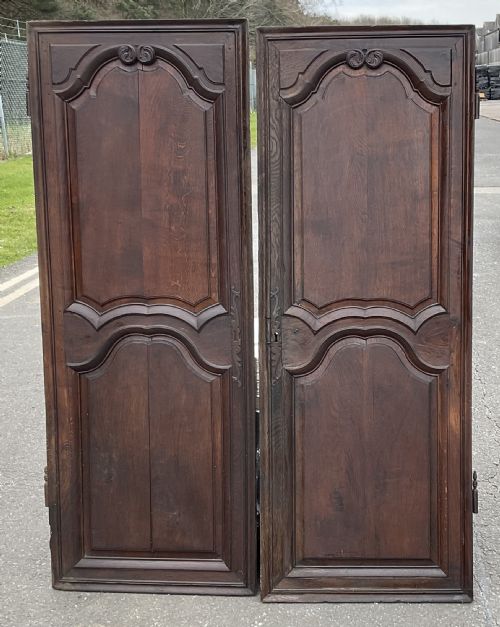
Origin and form vary widely across the inventory, spanning English corner cupboards, French provincial cupboard doors, and small buffets from Spain. Each piece displays the particular craftsmanship of its era, whether that involves simple panelled doors or elaborate inlaid surfaces.
How they were made
Cabinet makers constructed these pieces primarily using solid walnut and burr walnut veneers, prized for their complex swirling grain patterns. These wooden structures were frequently enhanced with contrasting stringing, marquetry inlay, or ebonised wood details to create visual depth on the facades.
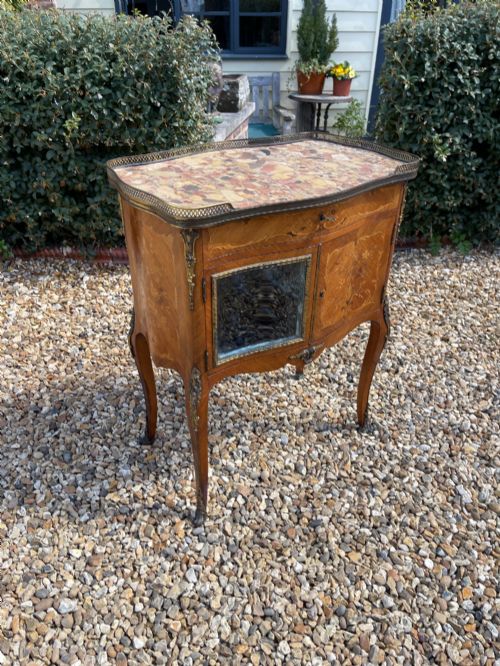
Hardware played a functional and decorative role, incorporating cast brass handles and escutcheons that punctuated the timber surfaces. Specialised variants incorporated glass panels for display purposes, marble tops for durability, and subtle bone or mother of pearl accents for fine detail.
Decorative Walnut Cupboard Retail Price Guide 2026
Typical asking prices for decorative walnut cupboard among the pieces listed under this phrase on Sellingantiques today, from the lower quarter to the upper quarter. They describe what is for sale here now, not the wider market.
Materials documented in these cabinets include burr walnut, brass, marble, bone, ebonised wood, and mother of pearl.
What varies in quality
The visual hierarchy of a decorative walnut cupboard rests upon the selection and matching of the timber veneers, particularly the choice of burr walnut across the primary display surfaces. Superior examples demonstrate symmetrical grain alignment and careful book-matching that turns the natural timber growth into a deliberate pattern.
Construction methods and period integrity define the upper tier of the range, distinguishing purpose-built historical furniture from later adaptations or revivals. The crispness of carved details, the quality of brass furniture, and the stability of internal shelving separate standard utility pieces from exceptional cabinet work.
Gordovil Spain
The Decorative Walnut Cupboard Glossary
- Burr walnut
- A specialised timber veneer harvested from the growth excrescences on walnut trees, prized for its swirling, highly figured abstract patterns. This material was frequently deployed on the primary doors and drawer fronts of eighteenth- and twentieth-century luxury cabinets.
- Cabinet on chest
- A tall storage form consisting of an upper enclosed cupboard section resting upon a lower chest of drawers base. This architectural arrangement became particularly prominent during the late seventeenth and early eighteenth centuries.
- Tallboy
- A tall case furniture form comprising a chest of drawers stacked beneath a matching upper cupboard or smaller drawers. This vertical format maximised storage capacity while maintaining a modest floor footprint.
- Pier cabinet
- A low display cabinet designed specifically to fit into the wall space between windows, known as a pier. These pieces frequently featured glass doors and inlaid timber decoration during the Victorian and Edwardian periods.
- William and Mary
- A design style spanning the late seventeenth and early turn of the eighteenth century, characterised by Dutch influences, seaweed marquetry, and elevated stands. Pieces from this era often feature rich walnut surfaces supported on shaped legs.
Decorative Walnut Cupboard: Frequently Asked Questions
What is a decorative walnut cupboard used for?
These pieces provide concealed storage for tableware, linens, and modern household items while serving as prominent decorative furniture in living spaces or dining rooms. Specialised variants like cocktail cabinets are specifically fitted for glassware and bottles.
The variety of forms means a buyer can select a corner cupboard to utilise awkward angles, or place a side cabinet in a hallway for surface display and interior organisation.
How do I date a walnut cupboard?
Dating relies on examining the construction methods, hardware, timber preparation, and stylistic markers such as Queen Anne or Aesthetic Movement details. Seventeenth- and eighteenth-century pieces often show hand-cut dovetails, pegged joints, and distinctive timber patination developed over centuries.
Later revival pieces from the late nineteenth and early twentieth centuries incorporate machine-sawn elements and different veneer thicknesses while copying earlier historic forms.
How do I care for walnut furniture?
Walnut furniture requires placement away from direct sunlight and sudden temperature shifts to prevent the timber from drying out or splitting. Regular dusting with a soft, dry cloth helps maintain the finish without the buildup of heavy chemical polishes.
Applying a traditional beeswax occasionally preserves the moisture and natural lustre of the burr or straight-grained walnut surfaces.
Are walnut cupboards heavy?
Solid walnut and large cabinet forms are substantial pieces of furniture that require careful handling and often two people to move safely. Taller formats like tallboys and cabinets on chests carry significant weight in their upper sections.
Smaller variants such as corner cupboards or low pier cabinets are more manageable but still benefit from secure placement against walls for stability.