



Decorative Wall Hanging Plates
These decorative wall hanging plates bring colour, pattern and presence to an empty stretch of panelling or plaster.
Decorative Wall Hanging Plates
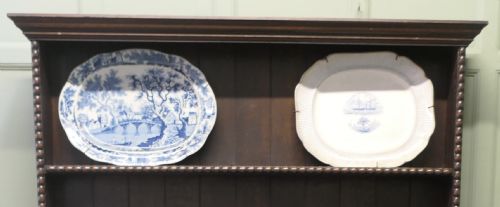
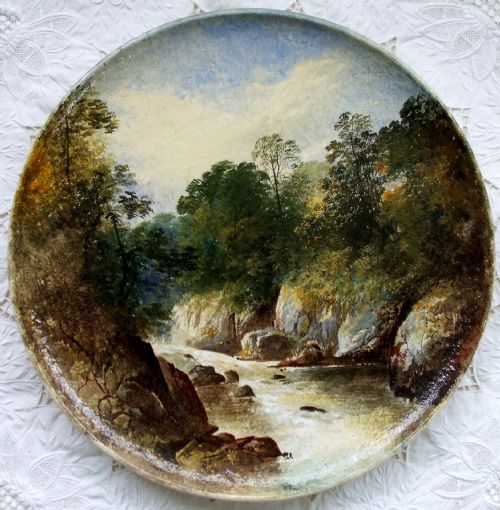
Decorative wall hanging plates span centuries of craft, ranging from blue and white earthenware to beaten metal chargers and painted porcelain plaques. When you search for decorative wall hanging plates, you encounter everything from Japanese Imari wares to Victorian copper and Arts and Crafts brass.
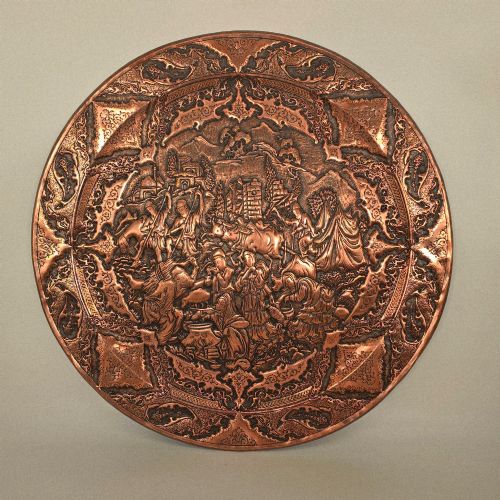
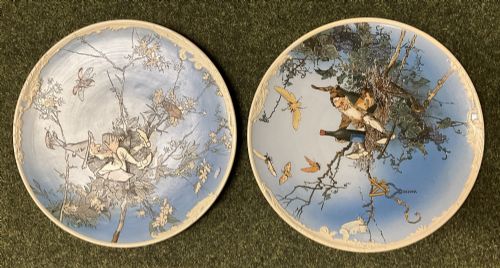
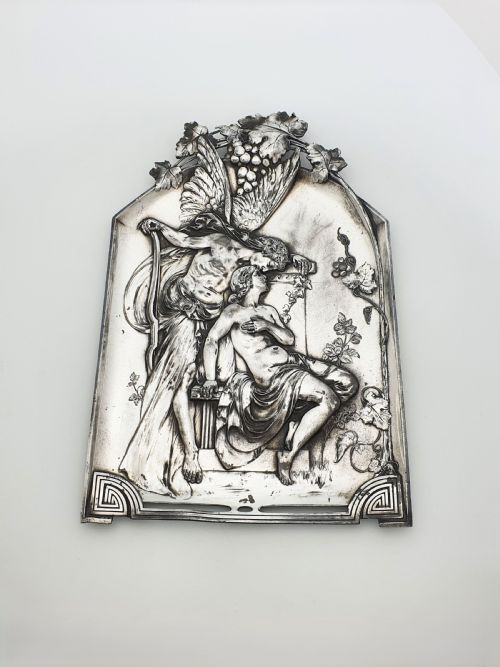
The most frequent examples on this page balance utility and display, often taking the form of large chargers, wall plaques and plates pierced or fitted for suspension. They originate across European, Asian and Persian workshops, reflecting diverse aesthetic movements from Gothic Revival to Art Nouveau.
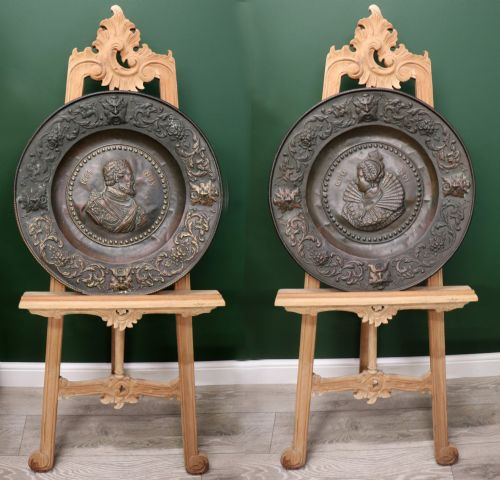
Makers utilised these surfaces for pictorial scenes, armorial bearings and intricate foliate borders designed specifically for interior display. Whether moulded in ceramic or beaten in metal, each piece functions as a focal point within a room.
How they were made
Metalwork pieces rely on manual forming techniques such as repoussé and beating, using copper, brass and pewter to build up relief decoration. Craftsmen worked the sheet metal from the reverse to create raised portraits, fruit and scrolling foliage.
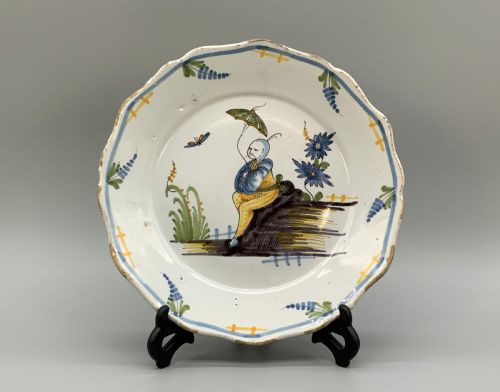
Ceramic and porcelain examples combine throwing or moulding with hand painting and glazing. Potters fired earthenware, faience and fine porcelain bodies before applying cobalt, enamel and coloured glazes to achieve lasting visual depth.
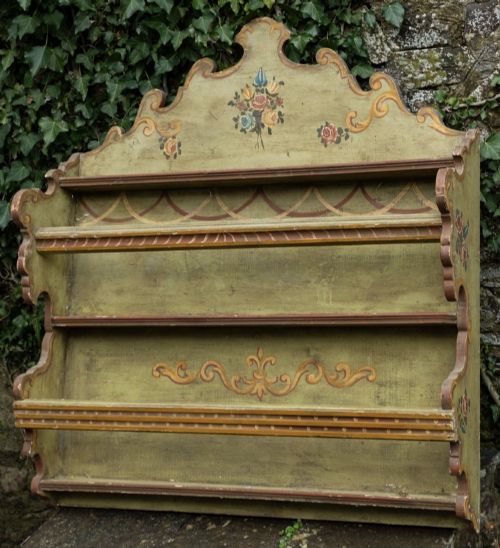
Wood and giltwood frames involve traditional joinery and carved ornamentation, often housing antique glass plates with foxed silvering. These diverse materials required specialised bench skills passed down through regional traditions.
Regional styles represented on this page include Japanese Imari, Anglo-Indian metalwork, Italian Rococo and 18th-century French faience.
What varies in quality
Quality rests upon the crispness of the hand work and the artistic merit of the painted or repoussé surface. Skilled execution distinguishes a sharp, expressive portrait or a deeply chased copper border from a soft, mechanical stamp.
The integrity of the material and the survival of original components dictate the standing of a piece. Original glazes, untouched metal patinas and period hanging fixings preserve the intended character of the object.
Faulkner Bronze Company·Mintons·Copeland Pottery·Mettlach
The Decorative Wall Hanging Plates Glossary
- Charger
- A large decorative plate or dish, traditionally used for formal dining but frequently hung on walls for display.
- Repoussé
- A metalworking technique where the artisan hammers the design from the reverse side to form raised relief on the front.
- Imari
- A style of Japanese export porcelain characterised by underglaze blue and overglaze iron red, gold and green colours.
- Faience
- Tin-glazed earthenware produced in Europe, noted for its opaque white surface and painted decoration.
- Foxed
- Aged mirror glass showing characteristic spots and browning where the silver backing has oxidized over time.
Decorative Wall Hanging Plates: Frequently Asked Questions
How do I hang a heavy metal charger safely?
Heavy metal chargers require dedicated wall fixings anchored directly into masonry or wall studs rather than standard plaster plugs.
Use coated wire or specialised bracket supports that grip the rim securely without scratching the metal surface.
Can I mix ceramic and metal plates on the same wall?
Mixing ceramic plates with beaten copper and brass chargers creates a rich textural contrast on a wall display.
Grouping them by scale or tonal palette helps unify disparate materials and periods within a single arrangement.
How do I clean an antique copper wall plate?
Antique copper and brass plates benefit from gentle dust removal using a soft brush rather than aggressive chemical polishing.
Preserving the natural oxidation and dark patina maintains the historic character valued by collectors.
How do I identify an Arts and Crafts copper charger?
Arts and Crafts copper chargers typically feature visible hand-beaten marks, stylized botanical motifs like pomegranates, and robust patination.
Many pieces reflect the ethos of guilds and workshops that prioritized manual skill over industrial uniformity.