
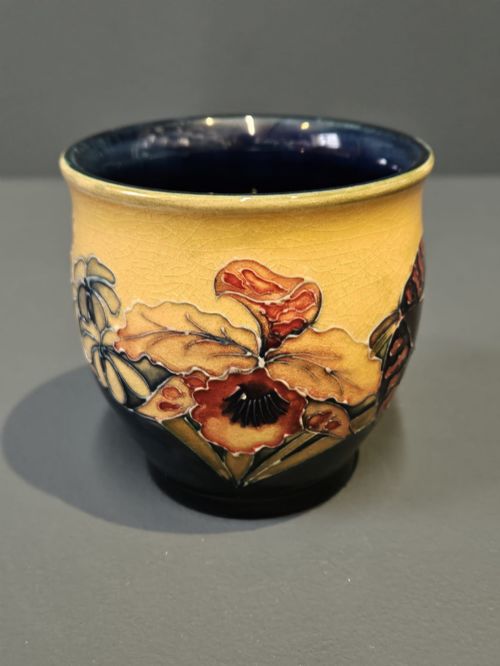


Decorative Pottery Planter
These decorative pottery planters bring character and plant life together, offering substantial vessels for indoor and outdoor greenery across various periods.
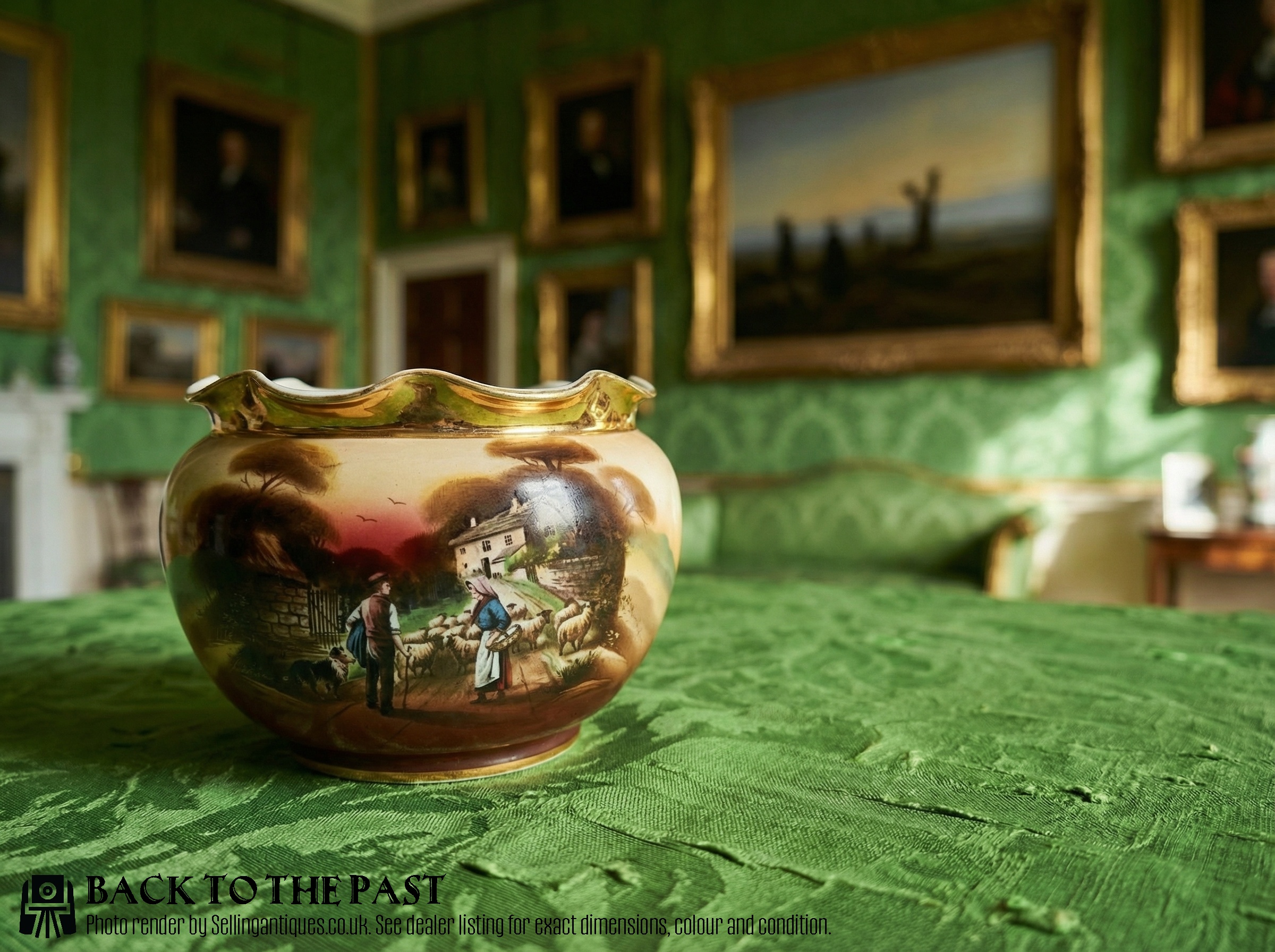
Decorative Pottery Planter
A decorative pottery planter encompasses a range of vessel forms designed to house plants, including jardinieres, pedestals, footbaths, and bowls. These items emerge from periods such as the Victorian era, the Edwardian period, and the 1930s, reflecting diverse design influences from Chinese aesthetics to Majolica tastes.
Buyers frequently encounter jardinieres among these listings, often styled with naturalistic motifs or carried on matched pedestals. Pieces range from single vessels with double or triple handles to larger footbaths adapted for floral displays.
Materials and construction methods
Potters shape these vessels using earthenware, stoneware, and general ceramic bodies, sometimes employing salt glazing techniques or rich surface glazes. Finished surfaces display both high gloss finishes and textured, naturalistic relief modelling.
Certain items utilise specialised production methods like Majolica glazing or incorporate multiple handles during the forming stage to assist with lifting heavier potted plants.
Listings feature earthenware, stoneware, and ceramic bodies spanning the Victorian and Edwardian periods.
Distinctions in quality and execution
Quality shows in the crispness of relief decoration and the depth of the glaze, where well-executed pieces display uniform colour application and sharp botanical or geometric details. Lesser examples feature muddy glaze pooling and softer, less distinct moulding.
The reputation of the pottery or the hand of a named artist elevates a piece, distinguishing standard commercial output from studio work with distinctive aesthetic ambitions.
Doulton Burslem·Doulton Lambeth·Burmantofts·Spode·Linthorpe Pottery
The Decorative Pottery Planter Glossary
- Jardiniere
- A large ornamental pot or stand for holding flowers or plants, typically designed to sit on the floor or a dedicated pedestal. These vessels form a major category of large ceramic planters.
- Majolica
- A type of earthenware coated with an opaque tin glaze and painted with brightly coloured metal oxide pigments. This technique produces vibrant, glossy surfaces found on many Victorian pieces.
- Salt glaze
- A glassy, translucent texture resembling orange peel formed by throwing common salt into the kiln during high-temperature firing. This method creates a durable, weather-resistant finish.
- Footbath
- A large vessel originally intended for personal washing that collectors frequently repurpose as a deep planter. These basins often feature sturdy handles and generous capacities.
Decorative Pottery Planter: Frequently Asked Questions
What is a jardiniere?
A jardiniere is an ornamental pot designed to hold plants or flowers, usually displayed in a prominent room or on a matching pedestal stand. The term derives from the French word for gardener.
These vessels often feature decorative handles, relief patterns, or colourful glazes that distinguish them from standard flower pots. They function primarily as decorative housing for potted plants rather than containers for direct planting.
How do I care for antique planters?
Antique ceramic planters require gentle handling to protect their historic glazes and earthenware bodies from impact damage. Use a plastic liner inside the vessel to prevent moisture from seeping directly into the porous ceramic.
Avoid exposing older earthenware and salt-glazed stoneware to freezing outdoor temperatures, which can cause the material to crack. Clean the surfaces only with a soft, dry cloth rather than harsh chemical detergents.
How do I date these pieces?
Dating relies on maker's marks, impressed factory stamps, stylistic cues, and the specific glazing techniques used during manufacture. Victorian pieces often display registration diamonds or specific pottery ciphers on the base.
Comparing the form and decorative motifs, such as Arts and Crafts or Art Deco styling, helps narrow down the period of production. Examining the wear on the base also provides clues to the age of the item.