


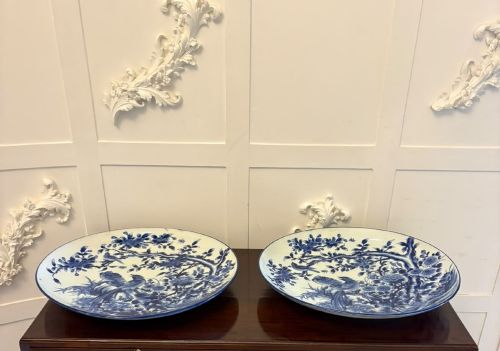
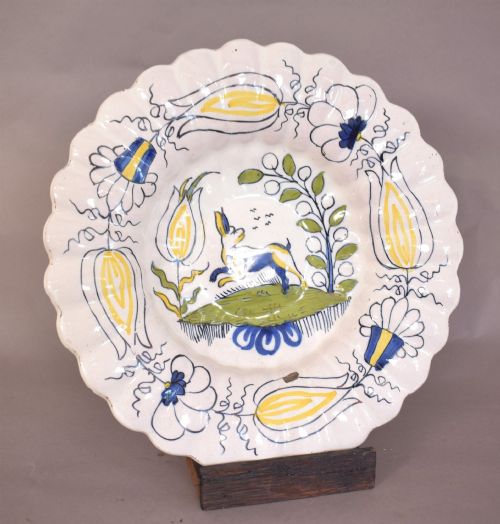
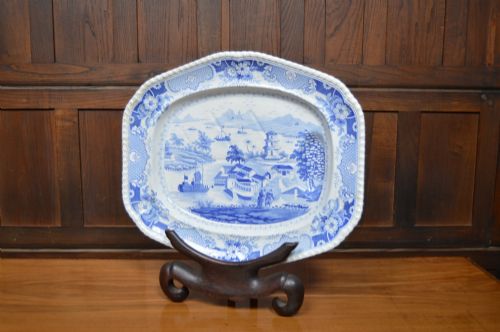
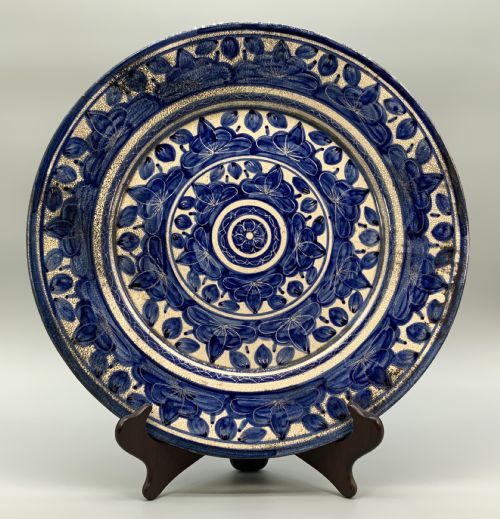



Decorative Pottery Charger
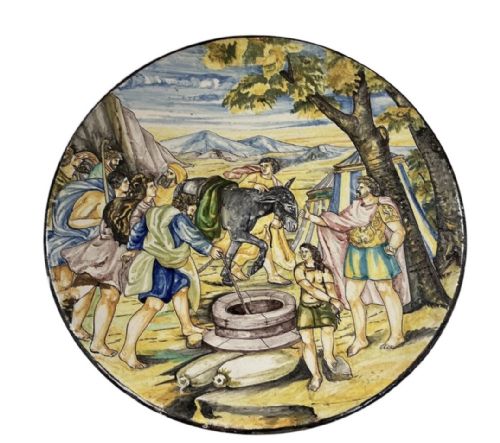
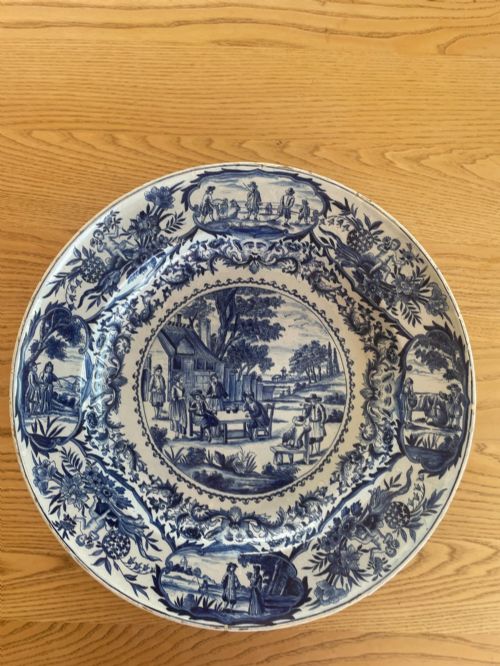
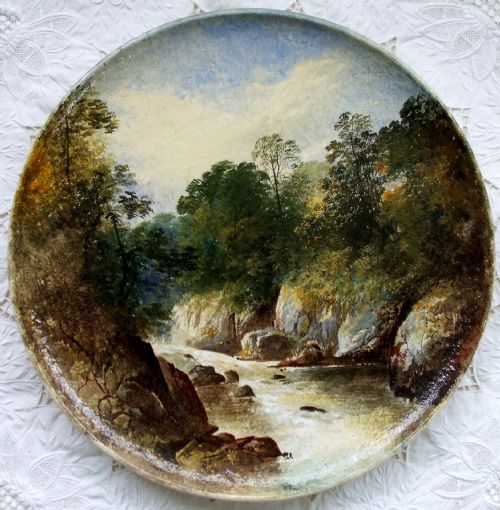
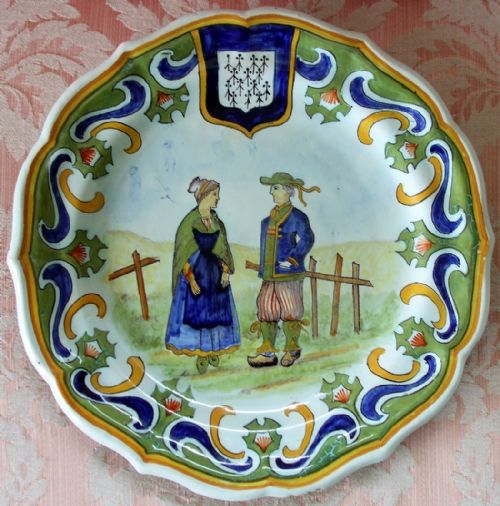
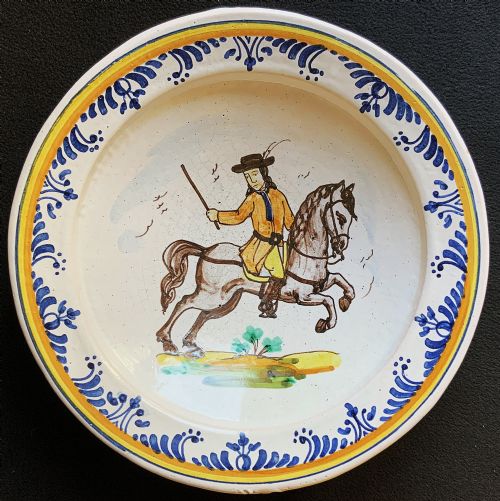
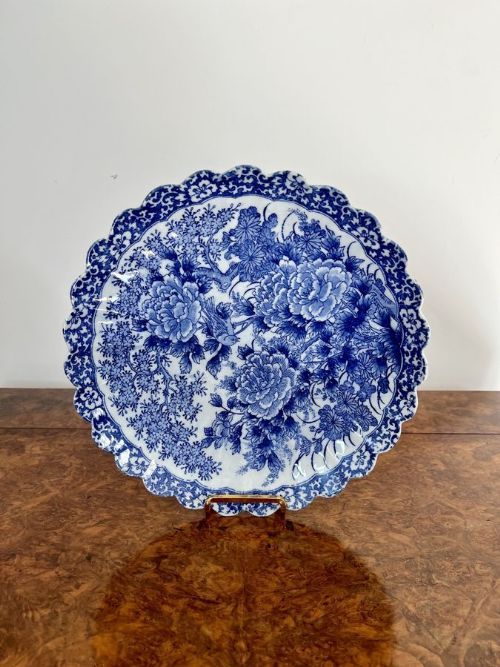
A decorative pottery charger is a large, wall-hanging or table-resting display dish, and these examples bring substantial painted colour and historic ceramic craft into a room.
Decorative Pottery Charger
When you search for a decorative pottery charger, you find broad, shallow display plates designed historically for visual impact rather than dining use. The versions you meet most frequently on this page span from seventeenth-century earthenware up to twentieth-century art pottery.
The selection ranges across tin-glazed earthenware, majolica, porcelain, and ironstone, originating from English, Dutch, French, Italian, Spanish, Austrian, and Japanese kilns. Forms include wall plaques, shallow dishes, and large serving platters adapted purely for ornament.
Makers and regional potteries represented here encompass Delft traditions, Copeland, Mason's, Minton, Moorcroft, and Satsuma production. These pieces demonstrate centuries of shifting taste from blue and white Chinoiserie to vibrant polychrome and Art Deco patterns.
How they were made
Potters shaped these earthenware, ceramic, and porcelain bodies by hand or mould before applying tin glaze, enamel, or blue and white pigments. Grand feu firing fixed manganese and polychrome colours into the wet glaze on tin-glazed pieces, creating a smooth, glossy surface.
Later nineteenth and twentieth-century chargers utilised ironstone bodies, transfer printing, or high-fired ceramic techniques alongside hand-painted details. Majolica and faience pieces relied on opaque lead or tin glazes to receive vibrant surface painting depicting birds, florals, and narrative scenes.
Listings feature earthenware, porcelain, and tin-glazed ceramic spanning the seventeenth to the twentieth century.
What varies in quality
Quality rests in the crispness of the hand-painted brushwork, the depth of the glaze, and the ambition of the pictorial design. Early Delft and Italian maiolica display painterly freedom and confident pigment application that elevate standard tableware into focal artwork.
The complexity of the palette, from manganese and polychrome grand feu firing to intricate Japanese Imari and Satsuma gilding, dictates the visual weight of the charger. Potteries like Minton and Copeland achieved exceptional clarity in transfer printing and hand-finishing on large plaques.
Koshida·Copeland Pottery·Mason·Mintons·Bassano pottery works·Bursley Ware·Moorcroft
The Decorative Pottery Charger Glossary
- Charger
- A large decorative plate or platter intended primarily for display on walls or sideboards rather than for serving food at table.
- Tin-Glazed Earthenware
- Pottery covered with a white tin oxide glaze that provides an opaque white background for painted decoration, seen in Delft and faience.
- Maiolica
- Italian tin-glazed earthenware decorated with colourful, often Renaissance-inspired pictorial scenes and foliage.
- Grand Feu
- A high-temperature ceramic firing technique used in Dutch Delft production to set manganese and polychrome pigments firmly into the glaze.
- Imari
- Japanese porcelain and ceramic styles featuring deep cobalt blue, iron red, and gold ornamentation, widely emulated by European potteries.
Decorative Pottery Charger: Frequently Asked Questions
How were decorative pottery chargers used?
Historically, large chargers sat on sideboards or hung upon walls to display wealth, taste, and fine ceramic artistry during feasts and formal gatherings.
Over time, their primary function shifted entirely to wall display and cabinet presentation, preserving intricate painted scenes away from daily dining wear.
What is the difference between Delft and faience?
Delft specifically describes tin-glazed earthenware produced in the Netherlands, particularly around Delft, famous for its distinctive blue and white or polychrome palette.
Faience is the broader European term for tin-glazed earthenware made in France, Spain, and other regions sharing similar glazing and firing traditions.
How do I tell an 18th-century charger from a 19th-century copy?
Eighteenth-century chargers often exhibit characteristic footrim glaze irregularities, hand-thrown potting marks, and softer tin-glazes with subtle surface crazing.
Nineteenth-century revival pieces typically feature heavier, more uniform industrial ceramic bodies, stamped factory marks, and harder nineteenth-century glaze formulations.