





Decorative Porcelain Wall Platters
These decorative porcelain wall platters bring vibrant colour and intricate patterns straight from historic kilns to interior display spaces.
Decorative Porcelain Wall Platters
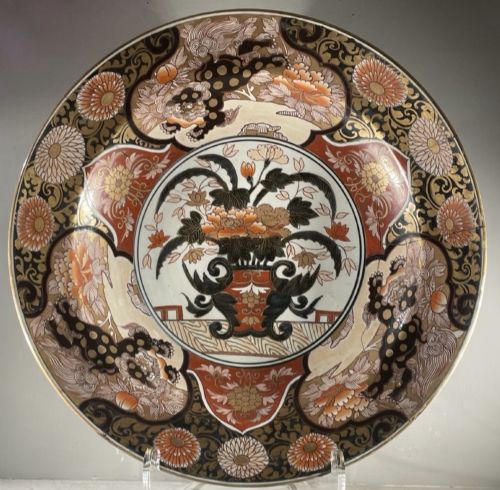
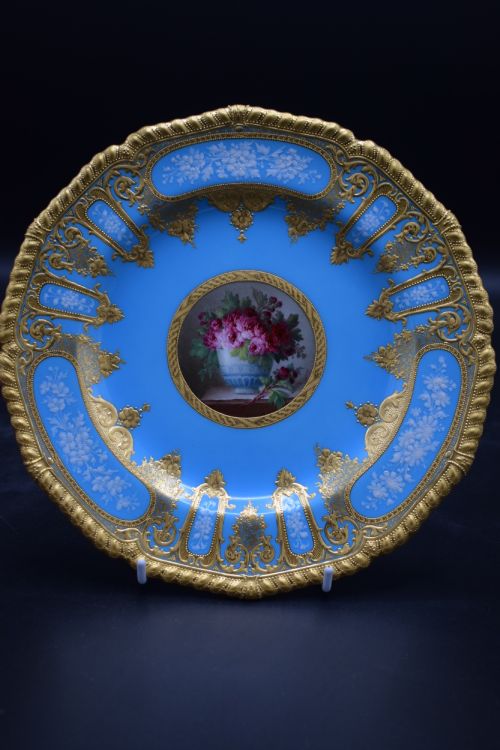
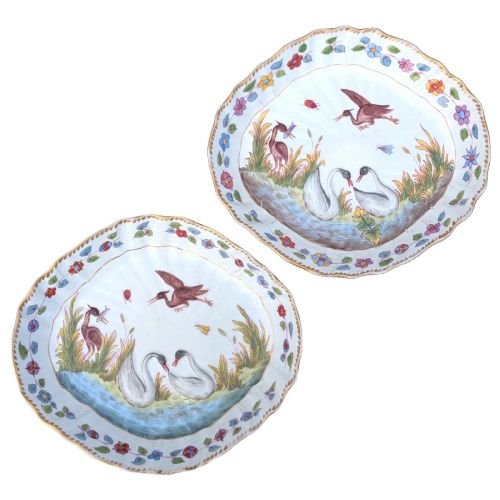
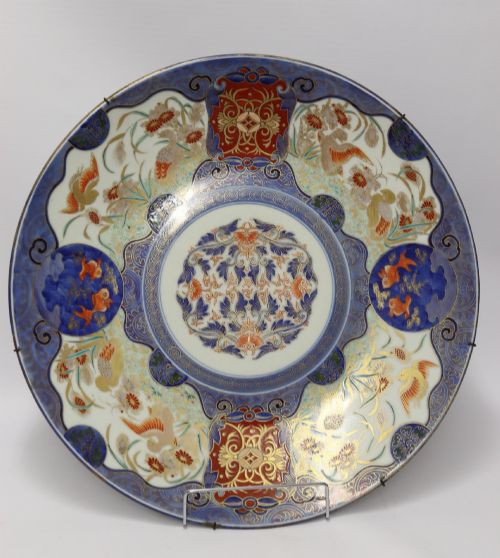
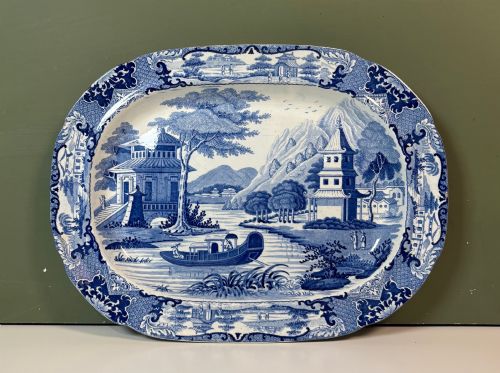
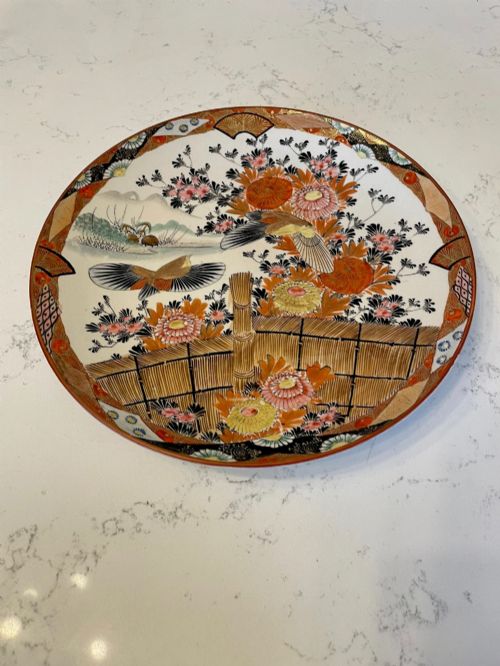
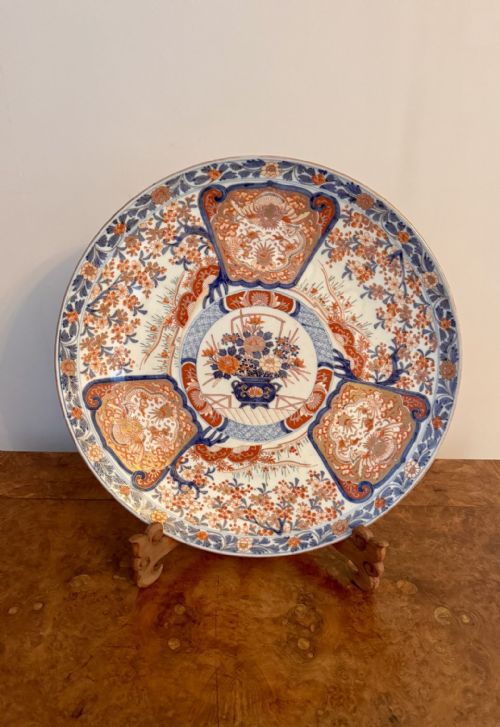
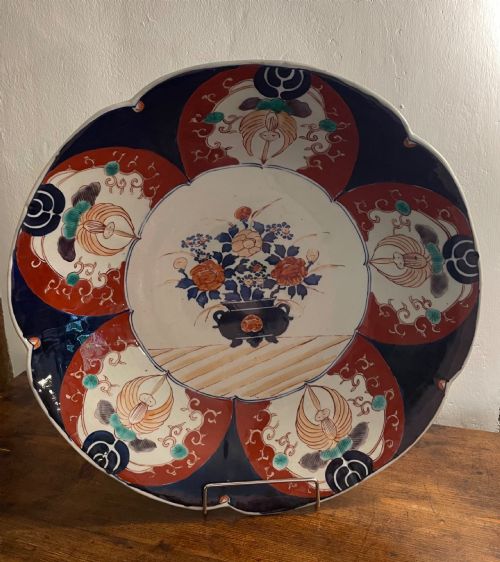
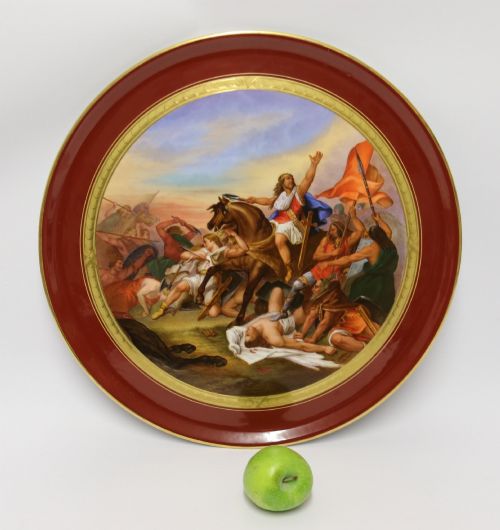
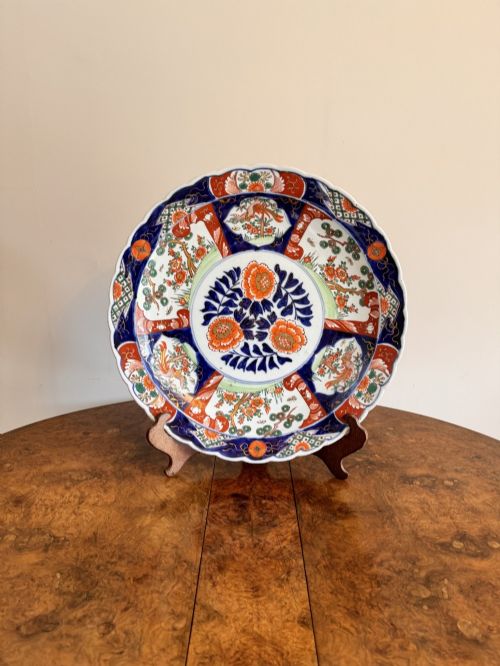
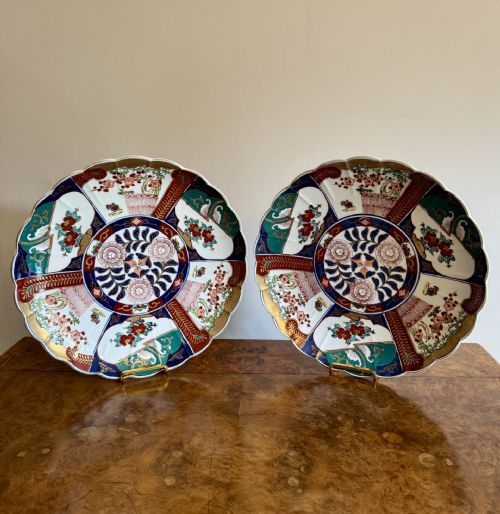
When you search for decorative porcelain wall platters, you encounter a striking array of large plates, chargers, and shallow bowls designed primarily for display rather than dining. The selection spans distinct global traditions, with Japanese Imari pieces from the late nineteenth century appearing frequently alongside Chinese export wares and European ceramics.
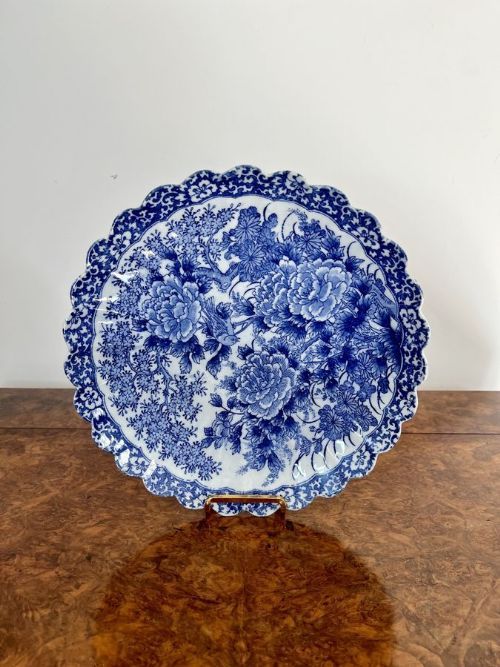
Forms range from traditional circular chargers to square-shaped plates and scalloped-edge dishes that catch the eye when hung on a wall or supported on a cabinet. Makers utilised various regional aesthetics, moving from cobalt blue underglazes to rich polychrome enamels and gilded highlights.
The periods represented stretch from the eighteenth century through the Victorian and Edwardian eras into the early twentieth century, offering varied stylistic expressions from Neoclassical European scenes to Meiji period oriental motifs.
Materials and production methods
Potters shaped these pieces using fine ceramic materials and porcelain, applying white glazes as a smooth foundation for subsequent decoration. Cobalt pigment provided the deep blues seen in underglaze painting, while overglaze enamels added reds, golds, and other bright pigments during secondary firings.
Skilled artisans employed hand-painting techniques to execute detailed motifs such as koi carp, floral wisteria, landscapes, and figurative subjects. Certain workshops utilised gold leaf and gilt detailing to accent borders and focal points, elevating the visual weight of the charger.
Decorative Porcelain Wall Platters Retail Price Guide 2026
Typical asking prices for decorative porcelain wall platters among the pieces listed under this phrase on Sellingantiques today, from the lower quarter to the upper quarter. They describe what is for sale here now, not the wider market.
Several Japanese chargers depict the Seven Lucky Gods sharing space with swimming koi carp and blossoming peonies.
Distinguishing quality in porcelain wall pieces
Quality rests upon the precision and complexity of the hand-painted brushwork, distinguishing swiftly executed commercial items from pieces bearing the careful signature of a master artist. Finer examples display a crispness in the cobalt underglaze and a harmonious balance of polychrome enamels and gold leaf.
The clarity of the porcelain body and the evenness of the glaze application also separate standard production wares from exceptional output. Pieces that retain sharp moulding, such as intricate scalloped edges or defined square corners, demonstrate superior craftsmanship during the initial shaping stage.
John Davenport of Longport·Coalport Porcelain·Mason·Shozo
The Decorative Porcelain Wall Platters Glossary
- Charger
- A large decorative plate or platter traditionally used for display on a wall or sideboard rather than for serving food at the table.
- Imari
- A style of Japanese porcelain featuring a distinctive palette of underglaze blue, iron red, and gilt, which heavily influenced European ceramic design.
- Moriage
- A Japanese ceramic technique using raised slip to create textured, three-dimensional decorative elements such as flowers and foliage.
- Famille Rose
- A Chinese porcelain palette introduced in the eighteenth century, characterised by opaque pink enamel alongside other soft pastel colours.
- Aka-e
- Japanese decoration executed primarily in red enamel, frequently combined with other colours and gold.
Decorative Porcelain Wall Platters: Frequently Asked Questions
How do I hang a heavy porcelain charger safely?
Displaying large plates securely requires specialised wall brackets or spring-loaded plate hangers designed to distribute the weight evenly without pinching the rim.
Ensure the hanging wire or hook fixes directly into wall studs or employs sturdy masonry anchors rather than resting on simple plaster fixings.
How should I clean antique porcelain platters?
Dust these pieces gently with a soft, dry brush or a microfiber cloth to prevent particulate buildup on delicate overglaze enamels and gold leaf.
Avoid submerging antique ceramics in water or using harsh cleaning agents, as moisture can penetrate unglazed bases and chemical solvents can damage fragile pigments.
How can I tell a Meiji period piece from an earlier one?
Meiji period Japanese porcelain, dating from 1868 to 1912, often exhibits vibrant polychrome enamel work and complex pictorial scenes influenced by opening trade.
Earlier eighteenth-century wares tend to rely more strictly on underglaze blue and white or restrained iron red palettes with simpler botanical arrangements.