




Decorative Painted Wood Panel
These decorative painted wood panel examples bring historic hand-painted artistry and rich architectural character straight to your walls.
Decorative Painted Wood Panel
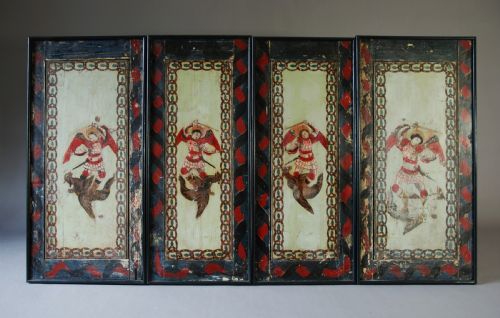
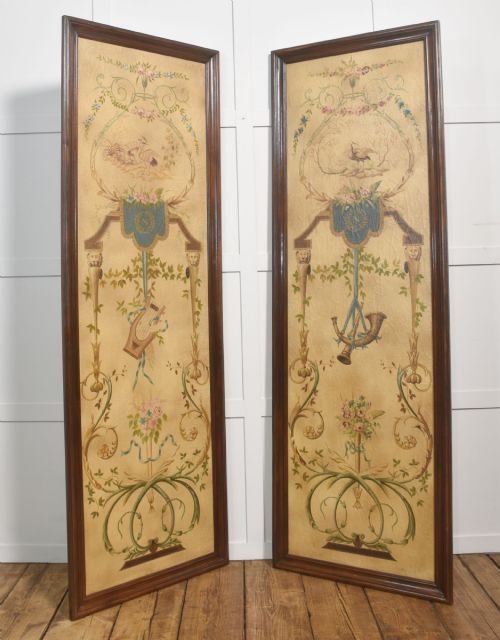
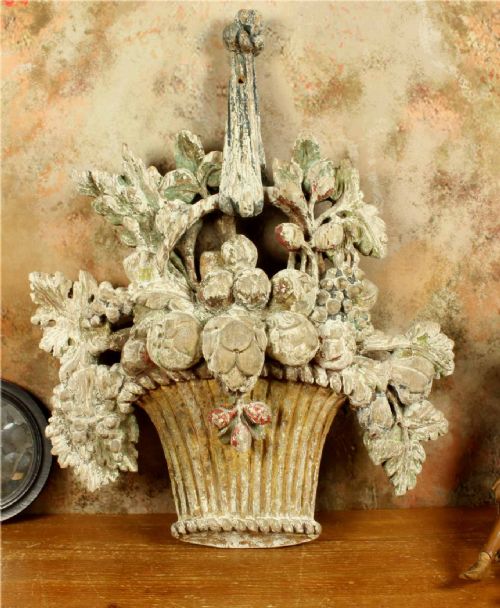
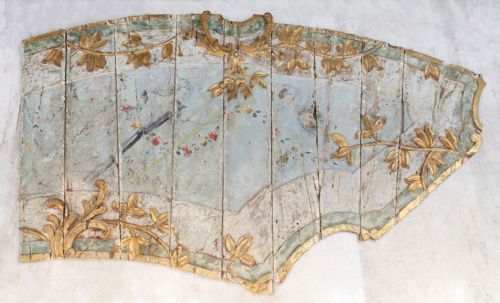
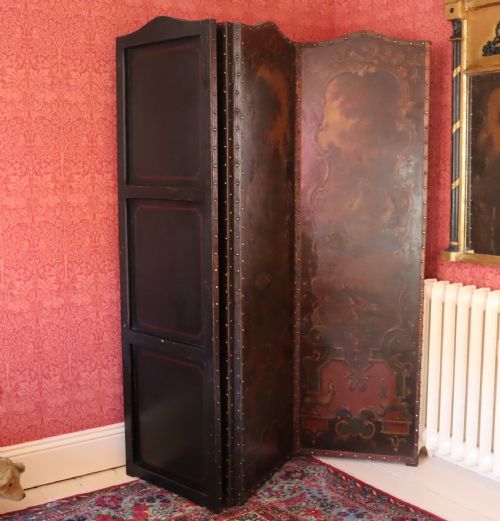
A decorative painted wood panel represents a diverse category of antique architectural fragments, folding screens, and wall art originating from various European and Asian traditions. Buyers searching for a decorative painted wood panel will encounter pieces ranging from naive pine depictions of saints and floral carvings to grand French boiserie and trumeau mirrors.
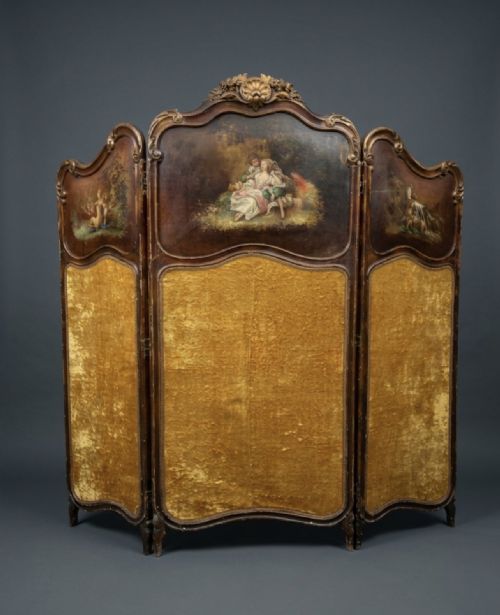
The selection on this page leans heavily toward nineteenth-century French and continental examples, alongside eighteenth-century works and folding room dividers. Forms vary widely from single wall panels and carved architectural doors to multi-fold screens and reverse-painted mirror inserts.
Origins span across French provincial and neoclassical styles, Italian workshops, Chinese cart doors, and Burmese lacquerware. This variety allows collectors to source items suited for grand salon settings or more rustic interiors.
Materials and construction methods
The primary substrate across these pieces is wood, frequently pine, walnut, or carved timber fashioned into architectural elements, doors, and screens. Artisans applied pigments, paint, and occasionally gold leaf or parcel gilt directly onto the timber or over prepared grounds.
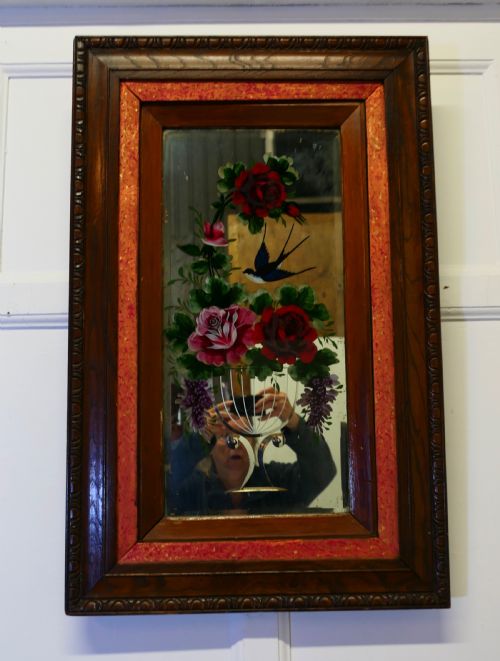
Surface decoration frequently includes hand-painted figural scenes, floral motifs, and foliate details, sometimes combined with reverse-painted glass, etching, and brass or iron hardware. Many items integrate hand-carved reliefs that provide physical depth beneath the layers of pigment.
Several panels started life quite differently, serving as Sicilian carts, carousel rides, or Chinese doors before finding new life on modern walls.
Assessing quality in antique painted panels
Quality in a decorative painted wood panel rests upon the skill of the original hand-painting and the integrity of the carved woodwork. Finer examples display confident brushwork, expressive figural detail, and harmonious integration of pigment and gilding upon the timber substrate.
The architectural provenance also dictates standing, with authentic period boiserie, trumeau frames, and substantial early screens holding greater distinction than later reproductions or minor fragments. Preservation of the original painted surface without excessive modern overpainting remains a central measure of authenticity.
The Decorative Painted Wood Panel Glossary
- Boiserie
- French wood panelling used to decorate interior walls, often carved and painted. These panels frequently form part of a coordinated decorative scheme within historic rooms.
- Trumeau
- An architectural term for a pier or wall section between windows or doors, commonly featuring a mirror or a painted panel above. They frequently incorporate gilded frames and classical motifs.
- Parcel Gilt
- A decorative technique where portions of an object are partially gilded with gold leaf while other areas show painted or bare wood. This creates contrast against the pigmented background.
- Modesty Screen
- A portable folding screen historically used to shield individuals from drafts or to create private spaces within a room. They often feature multiple painted or carved wooden panels.
- Chinoiserie
- A European artistic style reflecting Chinese aesthetic influences, characterising many decorative screens and panels from the eighteenth and nineteenth centuries. The style employs motifs of figures, landscapes, and floral patterns.
Decorative Painted Wood Panel: Frequently Asked Questions
How were antique screens used historically?
Folding screens served to divide large rooms, create private dressing areas, and block cold drafts coming from large windows or stone fireplaces.
Their mobility allowed owners to rearrange interiors easily as heating needs or social layouts changed throughout the day.
Where should I hang a wall panel?
Wall panels and architectural fragments suit living rooms, hallways, and dining spaces where they act as sculptural focal points.
Ensure the wall can support the weight of timber carvings and frames, keeping them away from direct heat sources that might dry out the old wood.
How do I care for painted wood surfaces?
Dust the surface gently with a soft, dry cloth and avoid chemical cleaning agents that can damage aged pigments and gold leaf.
Maintain stable indoor humidity levels to prevent the timber substrate from warping or the paint layers from flaking over time.
How can I tell the period of a panel?
Dating relies on examining the wood species, tool marks from hand carving, and the composition of the pigments used in the painted decoration.
Stylistic cues such as neoclassical proportions or French provincial motifs further help place pieces within eighteenth or nineteenth-century production.