


Decorative Leaded Glass Panel
These decorative leaded glass panel options bring coloured light and historic architectural character directly into a modern interior.
Decorative Leaded Glass Panel
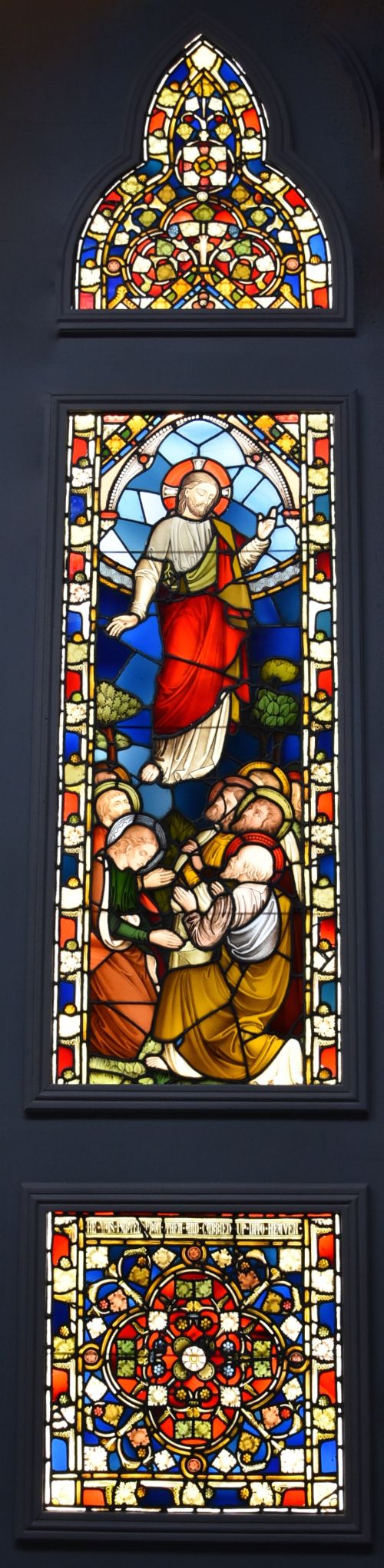
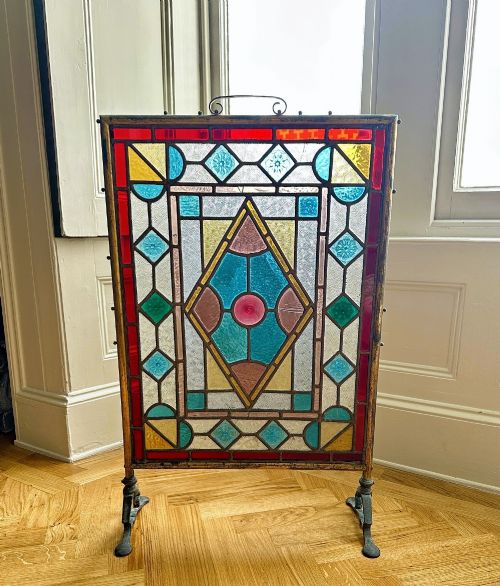
When you search for a decorative leaded glass panel, you find architectural salvage, windows, and firescreens spanning the Victorian, Edwardian, and early twentieth-century periods. The examples listed here range from large mid-nineteenth-century triptychs to smaller domestic windows featuring hand-painted countryside scenes, floral motifs, and figurative designs.
You are most likely to meet panels originating from the late nineteenth and early twentieth centuries, particularly around nineteen hundred, executed in styles that include Arts and Crafts, Gothic Revival, and Art Nouveau. These items function equally as architectural inserts for interior doors or as standalone decorative objects mounted in rooms.
What varies in quality
Quality depends on the complexity of the glass selection, ranging from simple clear bullseyes to intricate combinations of stained and hand-painted glass depicting elaborate scenic narratives. The fineness of the lead cames and the precision of the soldered joints also indicate the level of craftsmanship invested in the original workshop.
Condition varies according to the integrity of the lead matrix and the stability of the glass panes, noting that structural reinforcement with iron bars or timber frames often distinguishes large architectural triptychs and screens from standard window panels.
Look closely for a visiting Dutch boy and girl or a Shakespeare emblem hiding among the painted countryside scenes.
The Decorative Leaded Glass Panel Glossary
- Came
- A slender strip of lead with a grooved profile used to hold individual pieces of glass in place within a window. These strips are soldered together at each intersection to form the structural grid.
- Bullseye
- A small, circular centre piece of blown glass showing a concentric thickening where the glassblower's pontil rod was attached. They appear clear or tinted in older windows.
- Triptych
- A picture, carving, or window composed of three hinged or fixed panels side by side. Large ecclesiastical and secular examples often use this format to present a narrative scene.
- Firescreen
- A portable screen placed before a fireplace when not in use to block draughts or unappealing grates. Many period examples mount stained glass panels onto iron or timber stands.
Decorative Leaded Glass Panel: Frequently Asked Questions
How do I hang a leaded glass panel?
Secure the panel into a strong wooden window frame or mount it within a wall opening using substantial brackets that support the weight along the bottom edge.
Avoid hanging heavy leaded glass from simple wire hooks, as the soft lead came stretches and sags under its own mass over time.
Can these panels be used outside?
Most of these pieces were made for internal architectural settings or sheltered domestic environments rather than exterior weather exposure. Placing them inside protects the delicate hand-painted surfaces and the soft lead structure from wind pressure and frost.
If installed externally, secondary double glazing or protective exterior glass is usually necessary to shield the historic materials.
How do I clean leaded glass safely?
Wipe the glass gently with a soft microfibre cloth and a mild, neutral cleaning solution applied to the cloth rather than sprayed directly onto the window. Keep moisture away from the lead cames and soldered joints to prevent corrosion and protect any hand-painted details.
Harsh chemical solvents and abrasive scourers will permanently damage the painted enamel and aged metal.
What is the difference between stained glass and leaded glass?
Stained glass refers specifically to glass that has been coloured during its manufacture by adding metallic oxides or painted with vitreous enamels. Leaded glass describes any window construction where pieces of glass are joined together using lead cames, regardless of whether the glass is coloured or clear.
Many antique panels combine both techniques by using stained and painted glass within a leaded framework.