

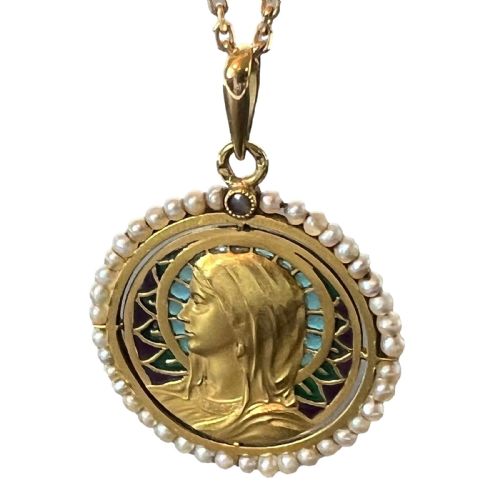
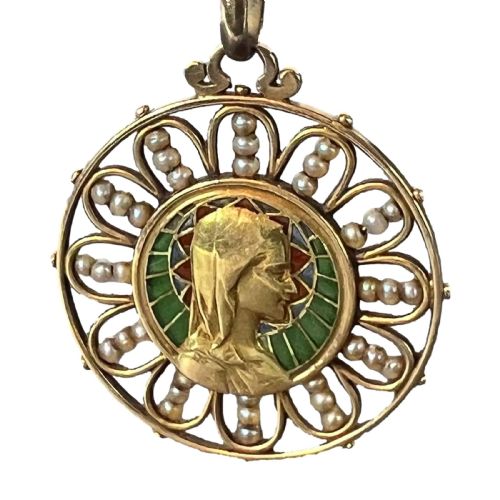


Art Nouveau Stained Glass
Art nouveau stained glass captures the lyrical forms of a defining era, bringing coloured light and botanical line into modern interiors.
Art Nouveau Stained Glass
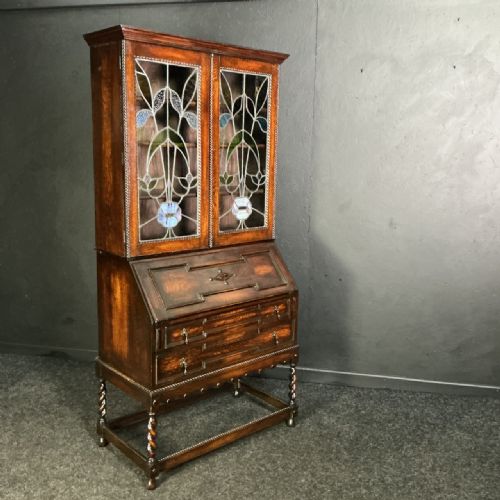
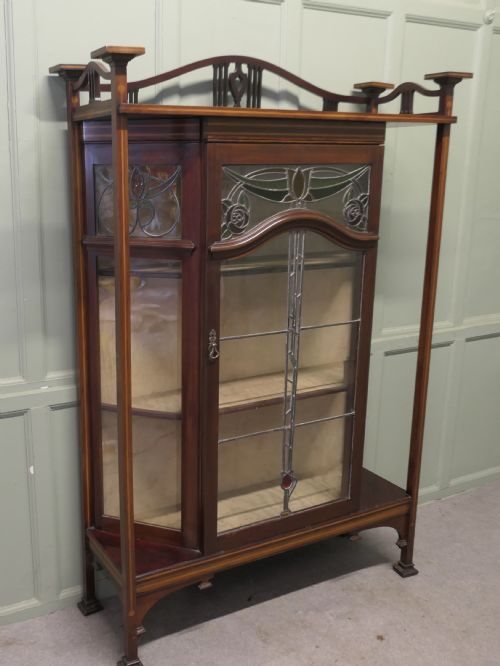
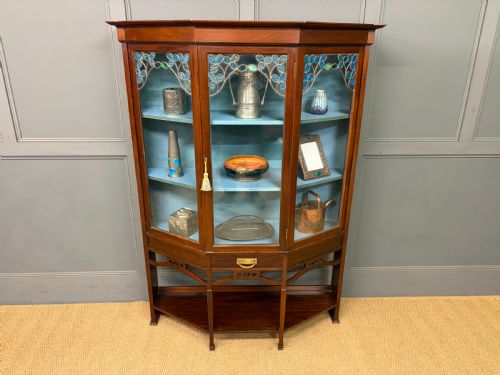
When you search for art nouveau stained glass, you encounter architectural panels, windows, and hanging lanterns designed to diffuse coloured light through domestic and commercial spaces. These works appear from the late nineteenth century through the Edwardian period, often taking the form of large leaded panels intended for doors and transoms.
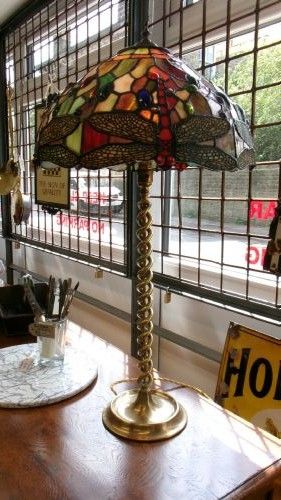
The objects frequently feature stylised floral motifs, botanical curves, and geometric leading characteristic of the movement. Alongside architectural salvage, buyers find smaller pendant lamps and panels incorporating similar coloured glass and lead construction.
The examples recorded here span Victorian origins up to the nineteen-twenties, reflecting how long the aesthetic persisted in British and continental production. Leaded windows and glazed doors form the core of what you meet on this page.
How they were made
Maker's workshops built these windows by joining individual pieces of coloured or painted glass within networks of pliable lead cames. Artisans cut the glass by hand, sometimes applying surface paint or enamels before firing the panels in a kiln.
The finished leaded matrix was then soldered at the joints and cemented to ensure weather resistance and structural rigidity within wooden window frames or doors.
Parrots and foxes peer out from leaded glass doors alongside traditional floral motifs.
What varies in quality
The distinction between ordinary and exceptional panels lies in the complexity of the glass selection and the fluidity of the lead line. Superior pieces utilise varied glass textures, such as opalescent, rippled, or flashed varieties, which catch and refract light with greater depth.
Design sophistication also sets examples apart, where the rhythm of the leading mimics organic growth rather than repeating rigid geometric grids. Hand-painted details and the weight of the surrounding timber frame further elevate the standing of a window.
Shapland and Petter·Rene Lalique·S Theeman·Tiffany Studios NYC
The Art Nouveau Stained Glass Glossary
- Came
- A slender channel of lead, zinc, or brass used to hold individual pieces of glass together in a window. These strips are soldered at the intersections to form a rigid structural web.
- Leaded glass
- Windows or panels constructed from small pieces of glass held within a network of metal cames. This technique allows for intricate figurative and abstract patterns.
- Flashed glass
- Glass made with a thin layer of coloured glass fused over a base of clear or contrasting glass. Artisans acid-etch or abrade away parts of the top layer to reveal the contrasting hue underneath.
- Transom
- A strengthening horizontal framing member across a window or the top of a door. In domestic architecture, these spaces frequently house decorative glazed panels.
- Architectural salvage
- Building components rescued from demolition or renovation projects for reuse. This category encompasses windows, doors, and glazed panels from historic properties.
Art Nouveau Stained Glass: Frequently Asked Questions
Where were these windows originally installed?
These panels typically occupied prominent positions in domestic halls, stairwells, and exterior doors. They provided privacy while allowing natural light to enter the interior spaces.
Builders also placed them in commercial premises, pharmacies, and public buildings to project a stylish, modern aesthetic.
How do I hang a heavy stained glass panel?
Large windows require substantial weight-bearing fixings secured directly into wall studs or window frames. Chains and hooks must match the structural load of the lead and glass.
Professional installation is recommended for oversized panels to prevent sagging or distortion of the lead cames over time.
Are these windows made of genuine period glass?
The inventory on this page dates from the nineteenth century through the nineteen-twenties, incorporating authentic materials of those eras. Variations in texture and hue confirm traditional production methods.
Craftsmen of the period utilised specialised glass types, including opalescent and textured sheets, unique to historical manufacturing techniques.
How do I clean antique stained glass?
Gentle dusting with a soft cloth removes everyday debris without disturbing the lead matrix. Avoid harsh chemical cleaners that might damage painted surfaces or brittle solder joints.
If washing is necessary, use mild soap and water, drying the metal and glass thoroughly with a lint-free cloth afterwards.