





Decorative Glass Dishes
These decorative glass dishes span periods from the Victorian era through Art Deco, bringing coloured, moulded and opalescent forms into interiors.
Decorative Glass Dishes
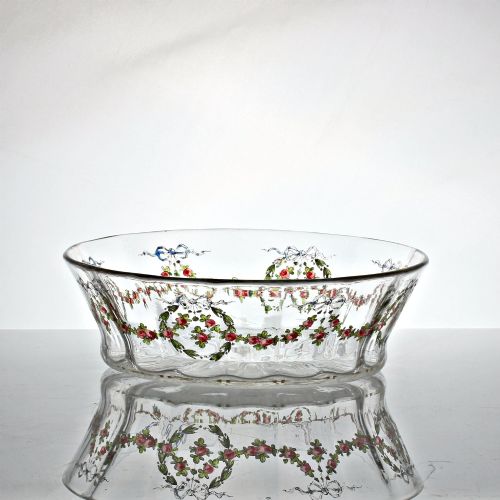
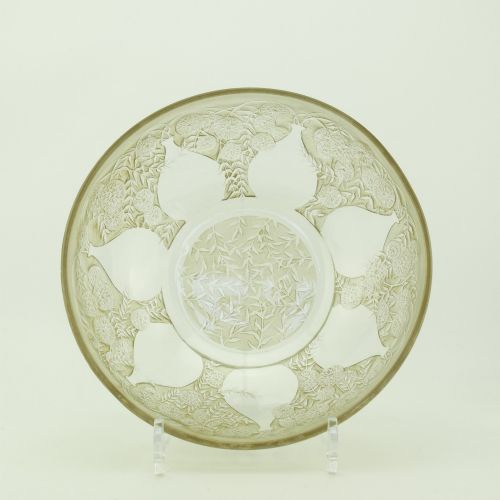
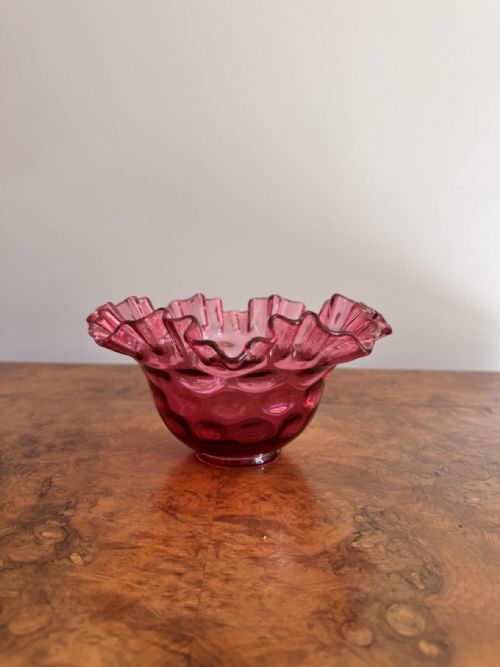
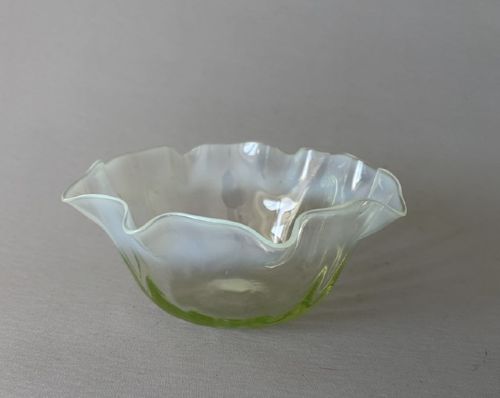
Decorative glass dishes encompass plates, bowls, centrepieces and serving dishes designed primarily for display and formal table use rather than everyday service. When searching for decorative glass dishes, buyers encounter works ranging from Victorian cranberry glass and Edwardian cut crystal to French Art Deco opalescent pieces.
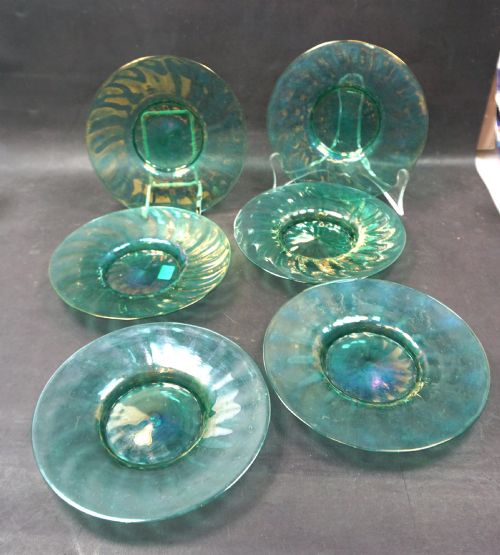
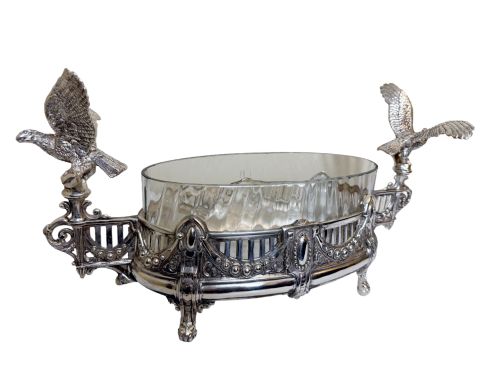
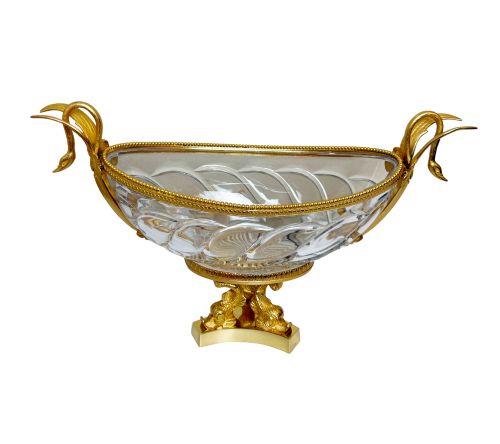
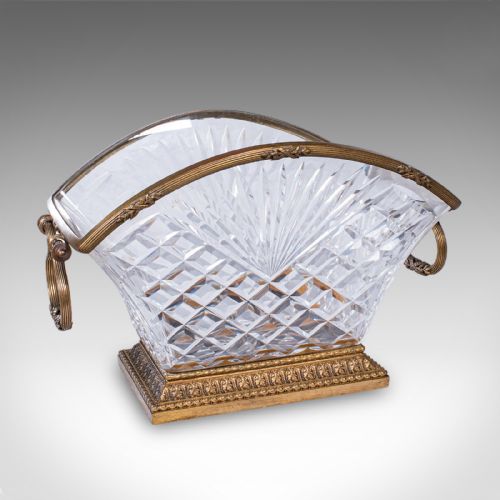
The selection on this page leans heavily towards early twentieth-century production, particularly the distinct styles of the 1920s and 1930s. Art Nouveau iridescent vessels, Venetian green glass plates, and heavy crystal bowls mounted in ormolu or silvered bronze feature prominently among these forms.
How They Were Made
Makers utilised various techniques including press-moulding, hand-cutting, and blowing to shape the glass. Opalescent and iridescent effects were achieved through specific chemical additions and heat manipulation during the cooling process.
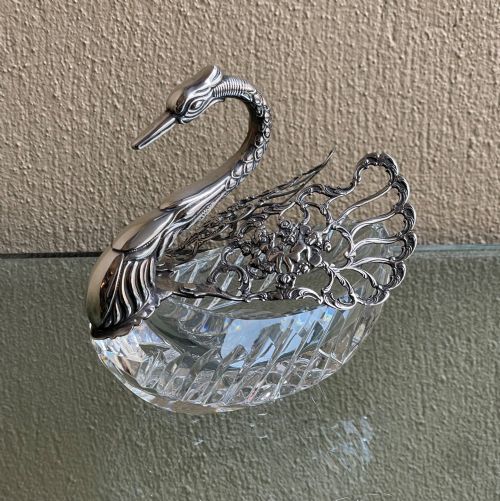
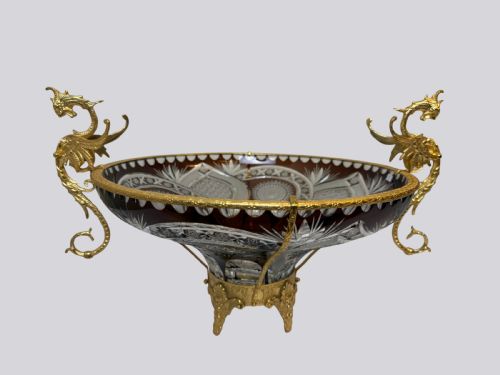
Many glass inserts were combined with metal mounts, incorporating gilt bronze, ormolu, and silvered bronze frames produced via casting. Surface enrichment also involved enamel painting, gilding with gold leaf, and sepia staining.
Decorative Glass Dishes Retail Price Guide 2026
Typical asking prices for decorative glass dishes among the pieces listed under this phrase on Sellingantiques today, from the lower quarter to the upper quarter. They describe what is for sale here now, not the wider market.
Listings feature pieces spanning from the 1860s through the 1930s, uniting Victorian cut crystal, Art Nouveau iridescent glass, and Art Deco opalescent plates.
What Varies in Quality
Quality rests in the precision of the moulding or the depth of the hand-cut facets. Crisp detail in relief-moulded designs separates superior examples from softer secondary casts.
The integration of materials also determines standard, where finely chased bronze mounts fit precisely to the contours of the glass vessel rather than appearing generic or loose.
Rene Lalique·Loetz·Monart Glass·Baccarat·Louis-Antoine Damon·François-Eugène Rousseau·Whitefriars
The Decorative Glass Dishes Glossary
- Opalescent glass
- Glass that displays milky, bluish highlights where the material thickens, commonly utilised in moulded decorative plates and bowls.
- Iridescent glass
- Glass treated with metallic vapours while hot to produce a shimmering, rainbow-like surface sheen associated with Art Nouveau design.
- Ormolu
- Gilt bronze mounted on or around decorative objects, providing a bright metallic contrast to coloured or clear glass.
- Tazza
- An elevated shallow bowl or plate resting on a stem and foot, used historically for serving small portions or display.
Decorative Glass Dishes: Frequently Asked Questions
Were these dishes used for food?
Many of these pieces served as sweetmeat dishes, bon-bon holders, or table centrepieces for fruit and confectionery during formal dining. Others were strictly decorative salvers and cabinet plates meant for visual display.
Heavily gilded items or those containing uranium and vaseline glass are generally suited for display rather than modern food service.
How do I date a glass bowl?
Examine the base for pontil marks, wear patterns, signature etchings, and manufacturing style. Victorian pieces often feature heavy hand-cutting, whereas 1920s and 1930s items frequently display press-moulded relief work.
Contextual clues like matching metal mounts or specific colour palettes such as cranberry and opalescent white also help narrow down the period.
What is opalescent glass?
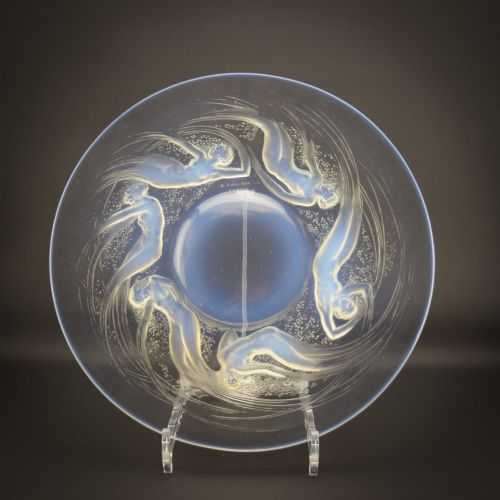
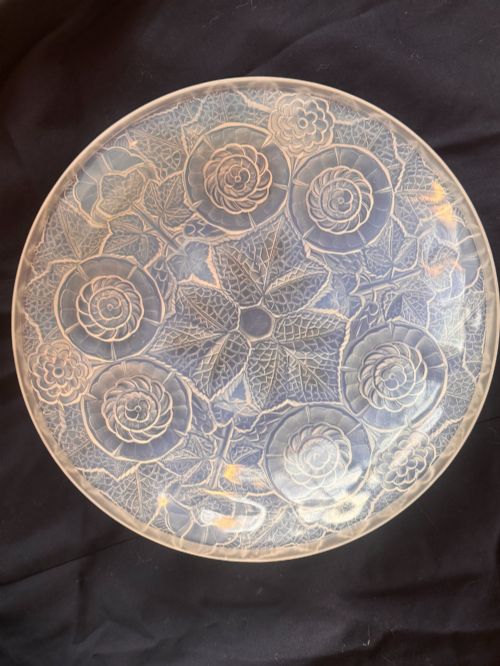
Opalescent glass is a semi-translucent material that scatters light, creating a milky blue or pearlescent glow across raised surface details. It gained massive popularity during the Art Deco period through French mould-pressed production.
When held to the light, the thicker areas catch a warm amber or fiery tone while thinner sections appear pale and milky.