

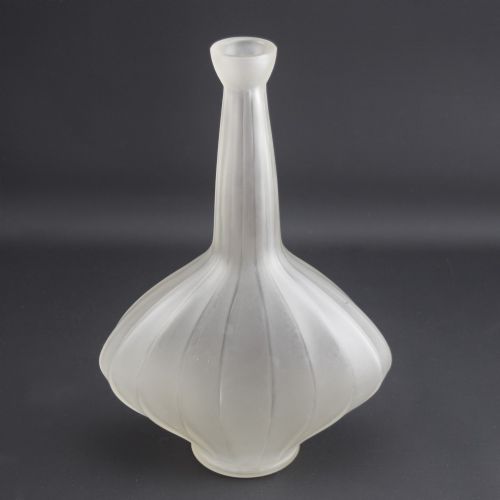


1920s Glass Plates
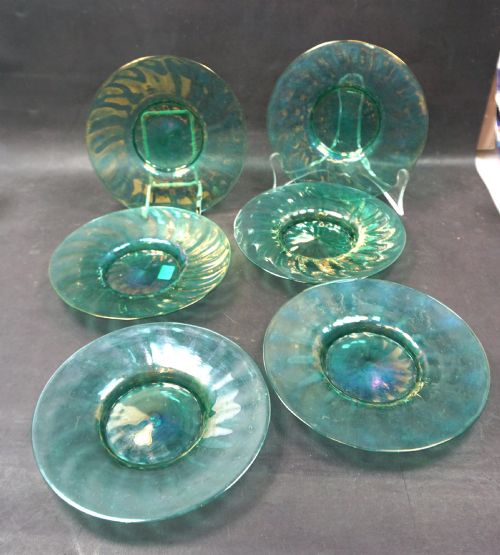
These 1920s glass plates bring tactile weight and distinct period geometry to a table, combining pressed and blown forms from the early twentieth century.
1920s Glass Plates
When searching for 1920s glass plates, collectors encounter items spanning the 1900s to the 1930s, featuring styles such as Art Deco, Art Nouveau, and Venetian Art Glass. The selection includes specific decorative plates alongside broader forms like barware and condiment stands.
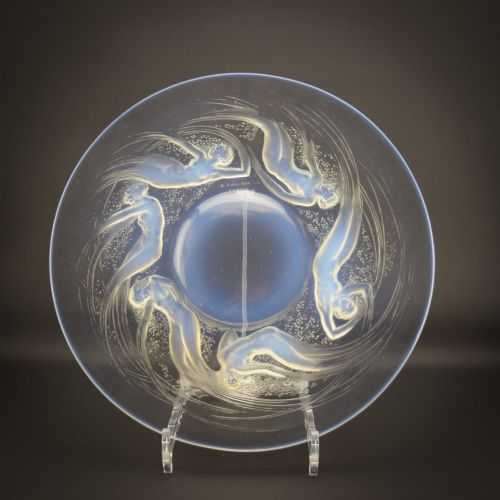
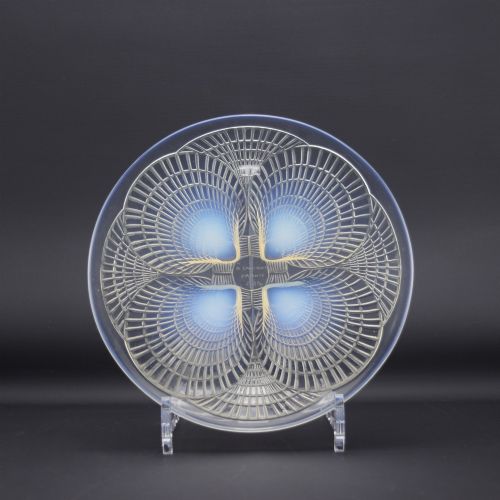
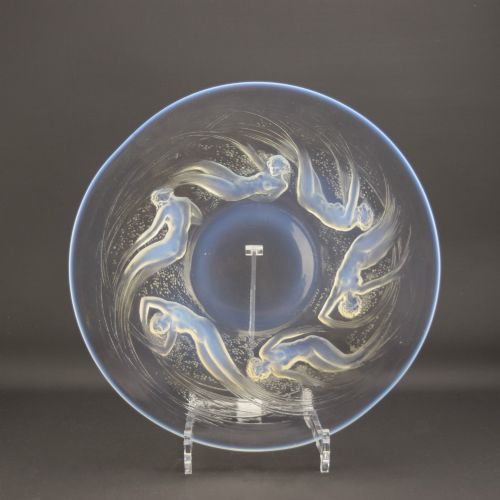
The most prominent examples among these 1920s glass plates are moulded opalescent pieces bearing specific maker titles and relief motifs. These items range from flat table plates to deeper coupes and salvers.
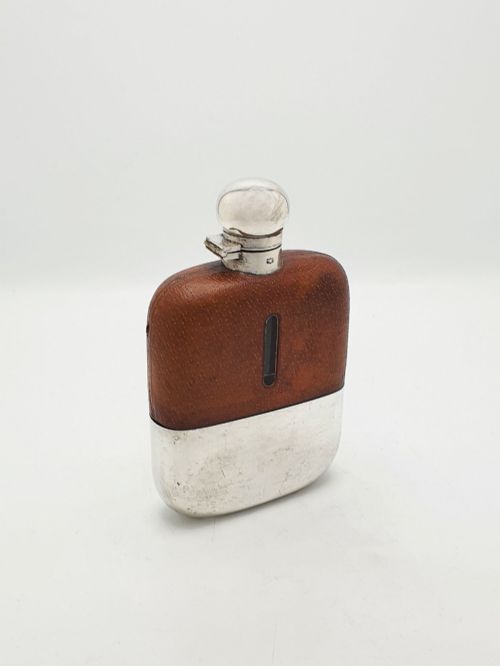
Origins stretch from Venice to France, often intersecting with silver-plated mounts and accessories. The material expression varies from plain transparency to rich coloured glass and iridescent finishes.
Judging the range
Quality separates through the crispness of moulded relief and the depth of the opalescent finish. Pieces with sharp, well-defined motifs display superior execution compared to softer, worn impressions.
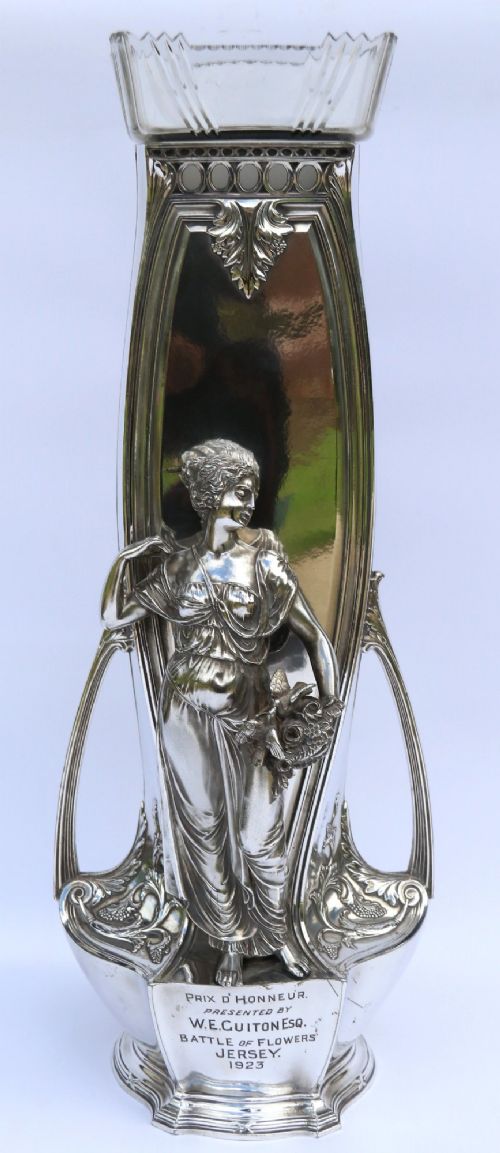
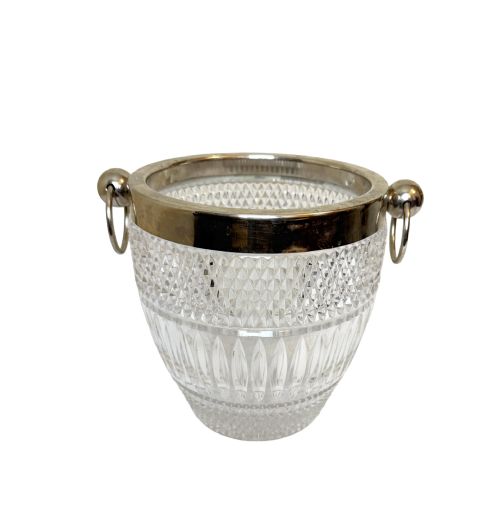
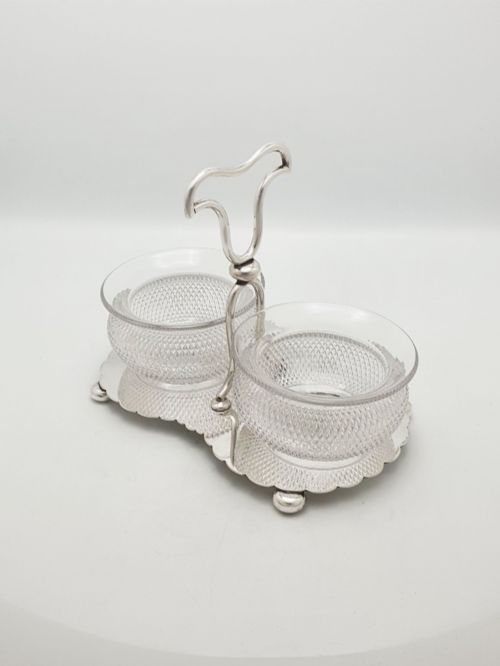
The integration of materials also dictates standing, particularly where cut glass meets substantial silver-plated mounts. Superior examples maintain balance between the glass body and any metal framework.
1920s Glass Plates Retail Price Guide 2026
Typical asking prices for 1920s glass plates among the pieces listed under this phrase on Sellingantiques today, from the lower quarter to the upper quarter. They describe what is for sale here now, not the wider market.
Dogs chase fish across these tables, immortalised in glass plates entitled 'Chasse Chiens' and 'Poissons'.
Rene Lalique·WMF·P H Vogel And Co·Elkington
The 1920s Glass Plates Glossary
- Opalescent glass
- Glass that displays a milky, translucent quality with blue or amber highlights when lit from the front. This effect was heavily utilised by French makers in the period.
- Moulded glass
- Glass formed by pressing molten metal into a metal mould to create raised patterns. This technique allowed for consistent production of intricate decorative reliefs.
- Cut glass
- Glass decorated by grinding facets or patterns into the surface using a wheel. It provides sharp light refraction and a heavy feel.
- Silver plate
- A base metal coated with a thin layer of silver. It frequently appears on mounts, rims, and associated serving hardware.
- Art Deco
- A design style characterised by streamlined forms, symmetry, and geometric patterns. It dominates the aesthetic of the period.
1920s Glass Plates: Frequently Asked Questions
What defines a 1920s glass plate?
These items are pressed, moulded, or cut tableware pieces produced around the 1920s, often reflecting Art Deco or Art Nouveau aesthetics.
Many examples feature distinct opalescent finishes or geometric motifs that mark them out from Victorian predecessors.
How were these plates used originally?
They served primarily as decorative table service items, holding fruit, desserts, or small course dishes during formal dining.
Some larger versions functioned as salvers or centerpieces rather than everyday functional plates.
How do I care for antique glass?
Wash pieces by hand in warm, soapy water using a soft cloth, avoiding abrasive pads that can scratch the surface.
Take care with silver-plated mounts by keeping polish away from the glass body to prevent staining.
How can I tell periods apart?
Look to the decorative motifs and manufacturing techniques, where heavy geometric lines point to the 1920s.
Softer floral curves and organic shapes often indicate earlier Art Nouveau influences from the turn of the century.