



Italian Blown Glass
These Italian blown glass pieces bring exceptional Venetian craftsmanship into your home, ranging from grand chandeliers to delicate wine glasses.
Italian Blown Glass
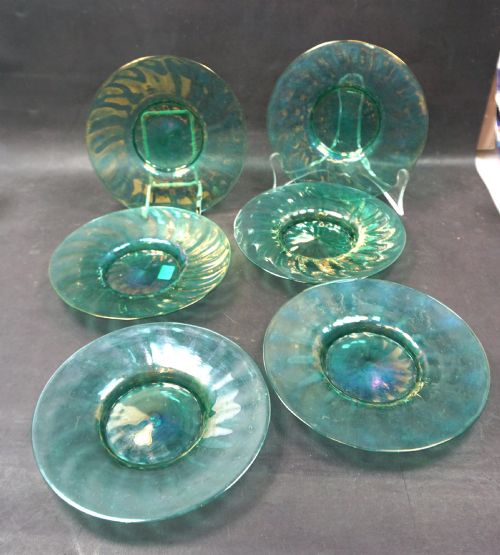
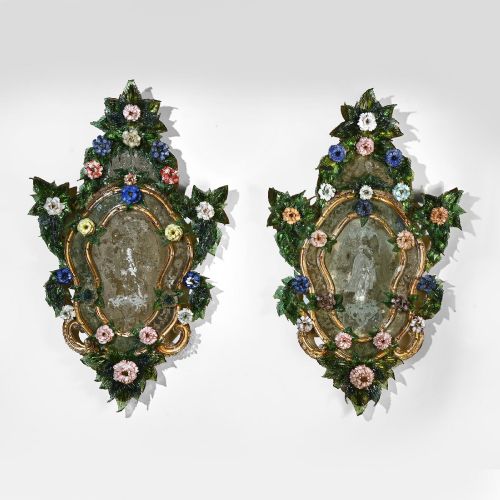
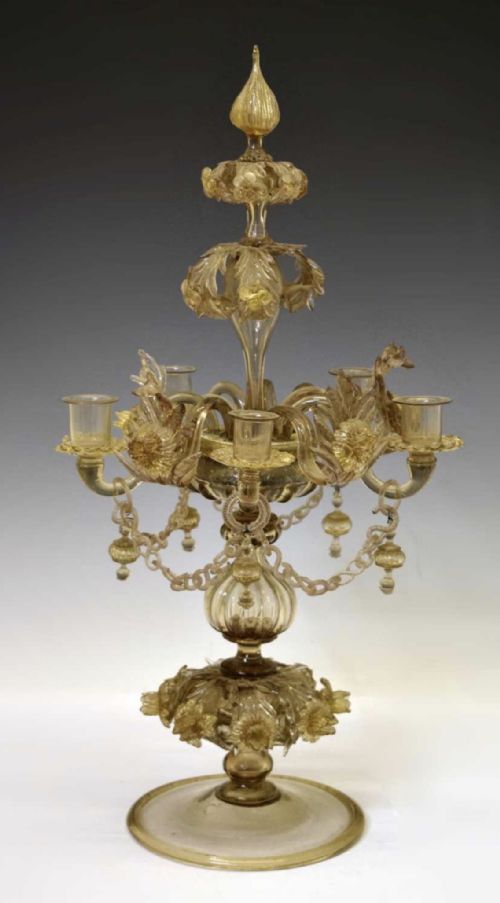
When you search for italian blown glass, you encounter centuries of Venetian artistry spanning delicate drinkware, grand chandeliers, and decorative mirrors. The items on this page showcase diverse forms including plates, candelabras, table lamps, snuff bottles, and pendant lights.
The selections originate from periods such as the eighteenth century, the nineteenth century, and the twentieth century. You will frequently find Venetian and Murano pieces that reflect classical styles alongside mid-century Italian designs.
How italian blown glass was made
Artisans formed these objects primarily through traditional glassblowing techniques, shaping molten material into complex vessels, lighting, and decorative accessories. Many pieces incorporate specialised elements such as aventurine inclusions, iridescent glass finishes, and lattico glass.
Makers often combined blown glass with auxiliary components like metal, mirror glass, gold gilt, and gilt wood to create elaborate chandeliers, candelabras, and framed mirrors. These supportive materials enhanced the structural integrity and visual depth of the glasswork.
Italian Blown Glass Retail Price Guide 2026
Typical asking prices for italian blown glass among the pieces listed under this phrase on Sellingantiques today, from the lower quarter to the upper quarter. They describe what is for sale here now, not the wider market.
A daring black snuff bottle hides glittering aventurine inclusions inside, proving that eighteenth-century Venetians knew how to keep secrets sparkle-filled.
What varies in quality in italian blown glass
Quality in these works rests upon the precision of the glassblowing, the clarity and depth of the material, and the complexity of the design. Elaborate multi-branch chandeliers and intricately decorated ewers demonstrate a higher level of technical mastery than simpler vessels.
The inclusion of specialised decorative elements, such as gold gilt or aventurine inclusions, distinguishes finer examples. Attribution to notable workshops like Salviati or AVEM adds significant distinction to individual pieces.
Salviati·AVEM
The Italian Blown Glass Glossary
- Murano Glass
- Glass made on the Venetian island of Murano, renowned for centuries of master craftsmanship. This material forms the basis of many decorative objects and drinkware sets.
- Aventurine Glass
- Glass containing glittering metallic inclusions, typically copper, suspended within the transparent matrix. Artisans utilised this technique to add sparkle to dark glass bodies like snuff bottles.
- Lattico Glass
- Opaque white glass threads encased in clear glass, creating a distinctive striped pattern. This method appears on traditional nineteenth-century Venetian claret jugs and goblets.
- Iridescent Glass
- Glass treated with metallic oxides to produce a shimmering, rainbow-like surface sheen. This finish catches the light dynamically on various decorative items.
Italian Blown Glass: Frequently Asked Questions
How do I care for italian blown glass?
Dust these delicate glass items gently with a soft, dry cloth to prevent surface scratching. Avoid using harsh chemical cleaners or submerging antique pieces in water.
Keep them positioned securely away from high-traffic edges where accidental bumps might occur. For wired items like lamps and chandeliers, consult a professional electrician for maintenance.
Where were these glass items made?
These pieces originate primarily from Venice and the adjacent island of Murano in Italy. Venetian artisans maintained centuries-old traditions of glassmaking within these specific regions.
The materials and styles reflect the distinct aesthetic heritage of Italian workshops spanning the eighteenth through the twentieth centuries.
What forms do these glass objects take?
The selection encompasses a wide variety of functional and decorative items for the home. You will find tableware such as wine glasses, goblets, claret jugs, and plates.
Larger decorative objects include multi-branch chandeliers, candelabras, wall mirrors, table lamps, snuff bottles, and caged pendants.
How can I identify older Venetian glass?
Examine the piece for traditional construction traits such as pontil marks, trapped tiny air bubbles, and hand-formed asymmetries. Specific techniques like lattico threads or aventurine inclusions often point to distinct production eras.
Historical styles, such as Victorian Venetian revivals or eighteenth-century mirror frames, provide further clues to dating an object.