







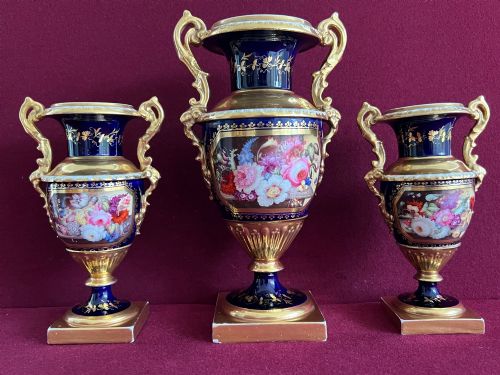

Decorative Floral Urn
A decorative floral urn brings a room to life with botanical motifs rendered in ceramics, enamel, and metal across multiple centuries.
Decorative Floral Urn
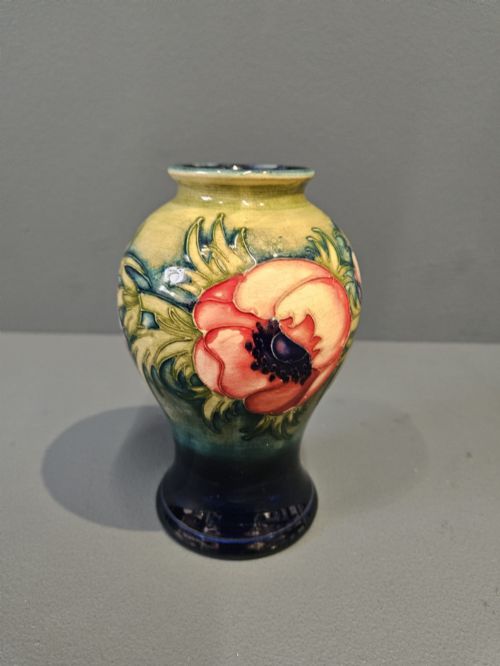
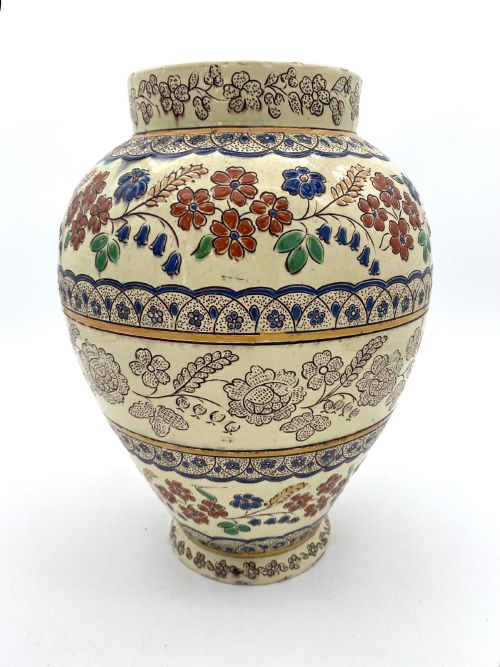
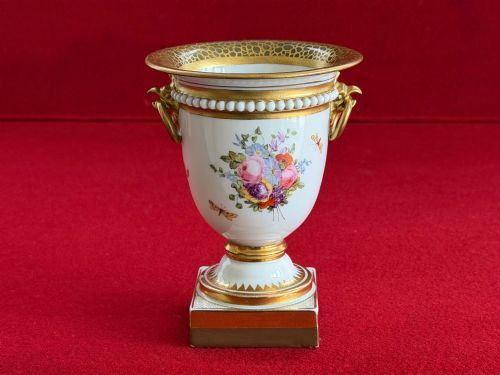
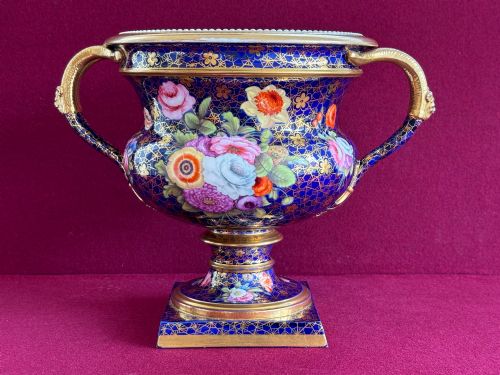
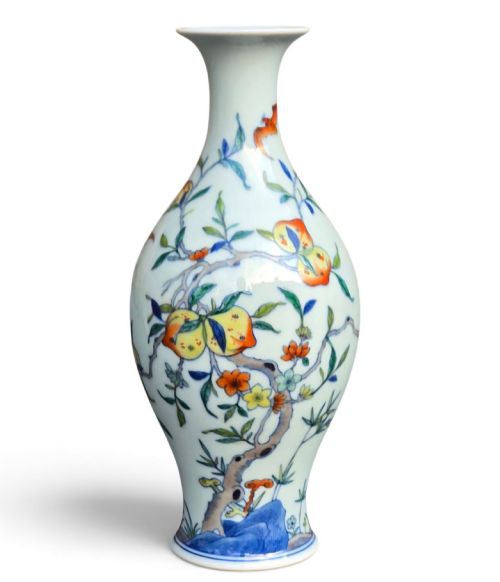
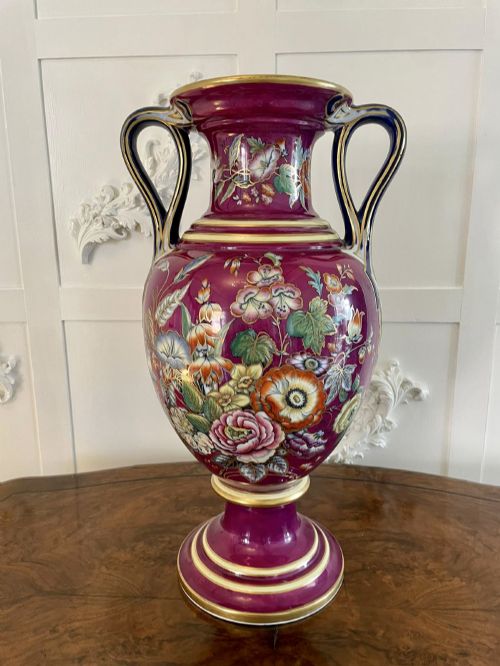
A decorative floral urn encompasses vessels shaped as vases, ginger jars, ewers, and campagna urns, typically selected to display botanical motifs in domestic settings. The pieces span periods from the eighteenth century through the Edwardian era and the early twentieth century, reflecting diverse international traditions.
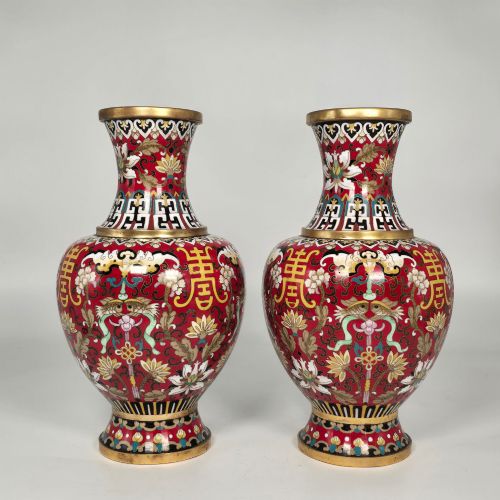
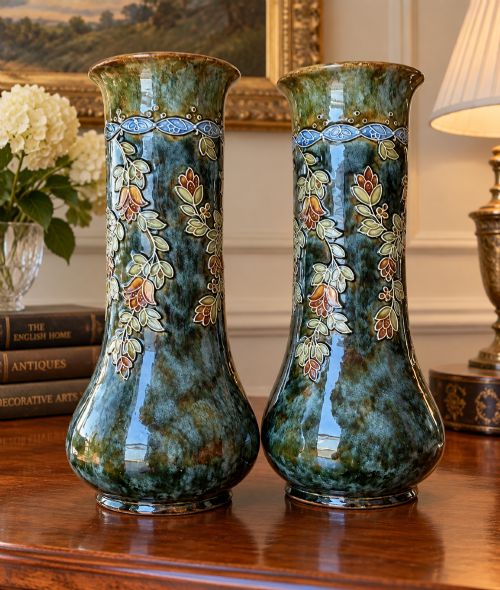
British factories such as Royal Worcester, Spode, and Royal Doulton appear frequently alongside Japanese Imari, Satsuma, and Chinese cloisonné productions. Collectors encounter earthenware, porcelain, stoneware, and enamelled copper bearing hand-painted or cloisonné flower decorations.
The selection ranges from cabinet-sized bud vases to large scale pairs and garnitures intended for mantelpieces and pedestals. Floral subjects dominate the surface designs, linking varied regional aesthetics through a shared focus on natural ornament.
Materials and methods
Ceramic bodies utilise porcelain, earthenware, and stoneware, shaped on the wheel or cast in moulds before receiving hand-painted glazes, enamel work, or transfer printing. Factories like Minton and Coalport applied rich gilding and polychrome pigments to porcelain surfaces.
Cloisonné pieces employ copper bases fitted with thin metal wires that form cells for coloured enamel pastes, which are fired and polished to a smooth finish. Metal vessels also incorporate bronze and silver through casting, champlevé, and intricate inlay techniques such as pietra dura on marble.
Decorative Floral Urn Retail Price Guide 2026
Typical asking prices for decorative floral urn among the pieces listed under this phrase on Sellingantiques today, from the lower quarter to the upper quarter. They describe what is for sale here now, not the wider market.
Listings span earthenware, porcelain, stoneware, copper, and silver, documenting production methods from Victorian Britain to Meiji period Japan.
Assessing execution
Quality rests upon the precision of the hand painting, the clarity of the glaze, and the crispness of applied ornament like metal wirework or moulded relief. Skilled artists achieved subtle tonal gradations in floral subjects, whereas lesser pieces display mechanical repetition.
The integrity of the form and the preservation of original gilding and enamel determine the standing of a vessel. Pairs and complete garnitures maintain greater visual balance than single survivors when placed within a room.
Flight, Barr and Barr·Royal Doulton·Royal Worcester·Minton·Coalport·Spode
The Decorative Floral Urn Glossary
- Cloisonné
- Enamelwork in which coloured pastes are separated by thin metal wires soldered to a metal base. This technique creates detailed patterns across vases and jars.
- Garniture
- A matched set of three or more vases or urns designed to be displayed together on a mantelpiece or sideboard. They typically feature a central vessel flanked by smaller matching pieces.
- Imari
- A style of Japanese export porcelain decorated in underglaze blue and contrasting iron red, gold, and green. The palette is bright and densely patterned with floral and botanical motifs.
- Campagna urn
- A classical bell-shaped vessel with a footed base and flared rim, originating from ancient Roman marble prototypes. British potteries adapted this classical form extensively during the nineteenth century.
- Blush ivory
- A porcelain body developed by Royal Worcester featuring a soft, matte cream ground decorated with pastel flowers and gold highlights. It became popular during the late Victorian and Edwardian periods.
Decorative Floral Urn: Frequently Asked Questions
How do I display a garniture set?
Place the tallest vessel in the exact centre of the mantelpiece or shelf, with the matching smaller pieces arranged symmetrically on either side.
Keep the grouping clear of heavy clutter so the painted floral details and matching forms can be appreciated from across the room.
What is the difference between porcelain and earthenware?
Porcelain is fired at much higher temperatures, resulting in a vitrified, non-porous body that rings when tapped and often appears translucent under strong light.
Earthenware uses coarser clay fired at lower temperatures, producing a heavier, opaque vessel that requires an impermeable glaze to hold water.
Can these vases hold water for fresh flowers?
While ceramic and metal vessels were made to hold water historically, antique pieces often develop internal hairline fractures or porous spots over time.
It is safer to use a discreet glass insert inside older vases or to display them dry to protect the interior glaze and body.