

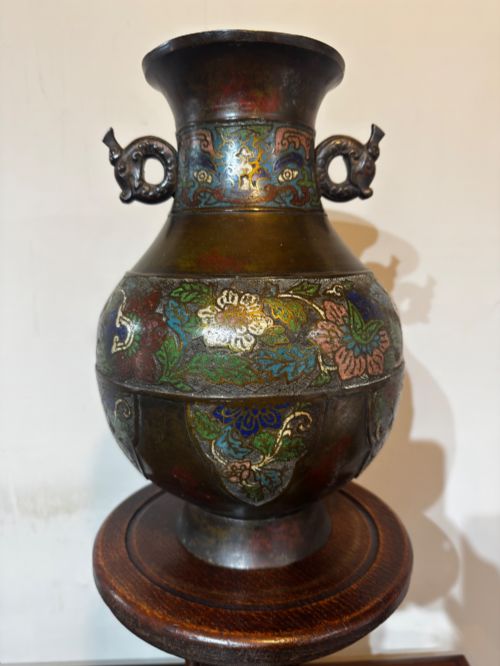


Decorative Enamelled Metalwork
Decorative enamelled metalwork brings together rich metallic surfaces and vitreous colour, uniting historical craftsmanship from Asian and European traditions.
Decorative Enamelled Metalwork
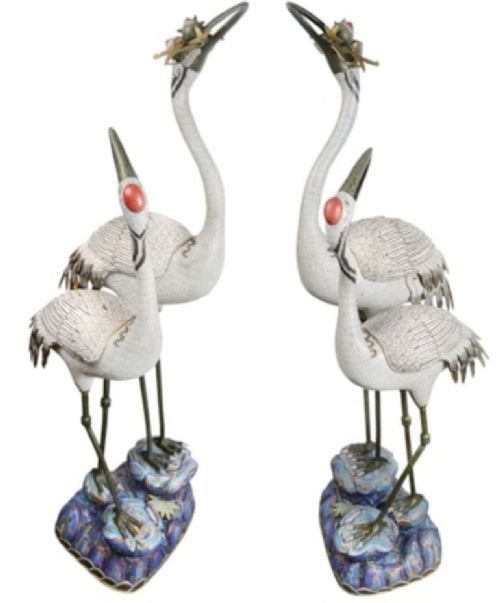
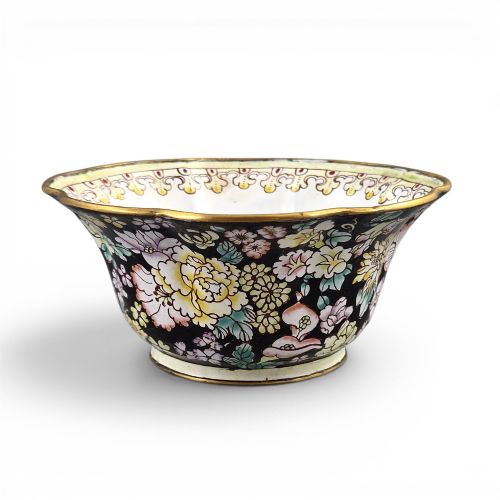
When exploring decorative enamelled metalwork, collectors encounter pieces spanning from the nineteenth century into the early twentieth century, originating primarily from Japanese Meiji workshops and Chinese imperial kilns alongside European makers.
The selection centres heavily upon large chargers, decorative plates, and substantial vases, alongside smaller scholar's objects and lidded vessels.
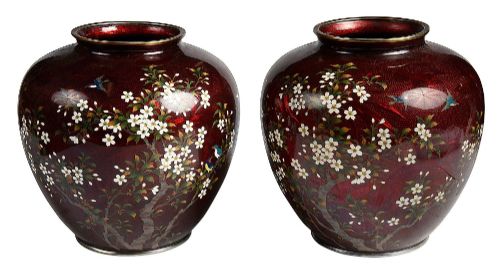
Japanese Meiji examples frequently depict natural subjects such as birds, koi, and dragons, while Chinese pieces display formal symmetry and auspicious symbols.
Materials and construction methods
Artisans formed the foundation of each object using copper, bronze, or brass, shaping bowls, plates, and towering palace vases before applying surface decoration.
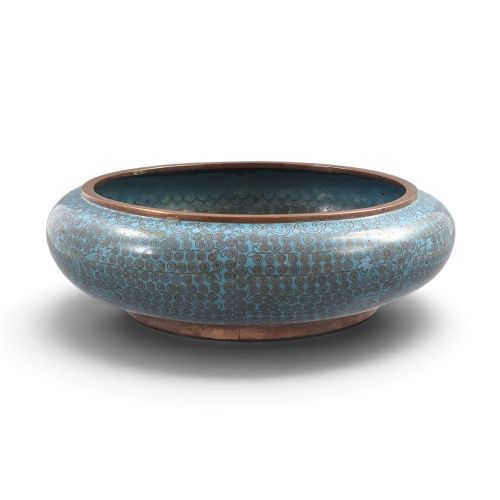
Wire work, particularly cloisonné involving thin brass or silver wires soldered to the metal body, created individual cells that held coloured enamel pastes.
Firing fused the glass powders into hard, glossy surfaces, followed by extensive polishing to achieve smooth finishes across complex pictorial designs.
The listings span periods from the nineteenth century through the 1930s, featuring copper, brass, and bronze foundations.
Distinctions in craftsmanship and execution
Superior examples display extreme precision in wire placement, where partitions remain entirely uniform and invisible beneath the polished enamel layers.
Depth of colour and complexity of shading distinguish masterworks from standard production pieces, particularly where translucent enamels reveal underlying engraved textures.
Signatures by renowned makers or workshops indicate heightened attention to detail and superior artistic ambition during the manufacturing process.
Ando Jubei·Kinkozan
The Decorative Enamelled Metalwork Glossary
- Cloisonne
- A technique where metal wires are soldered to a base to form cells that hold enamel paste before firing. This method allows for intricate pictorial designs across vases and chargers.
- Ginbari
- A Japanese foiling technique where patterned metallic foil is placed beneath transparent enamel to create textured light effects. This method often appears on Meiji period vases.
- Champleve
- A process where troughs or cavities are dug directly into a metal surface to receive enamel, leaving thick metal walls between compartments. It differs from wire-based methods by utilising the parent metal as the border.
- Basse-Taille
- An enamel method where the metal ground is hammered or engraved in low relief before applying translucent enamel. Light passes through the coloured glass to highlight the underlying carving.
- Charger
- A large decorative plate intended for display on walls or stands rather than dining use. These items frequently showcase complex imagery such as dragons or phoenixes.
Decorative Enamelled Metalwork: Frequently Asked Questions
How should I clean my enamelled metalwork?
Dust surfaces gently using a soft, dry cloth to prevent scratching the polished vitreous layers. Avoid liquid cleaners or chemical polishes which can seep into microscopic fissures or damage exposed metal wires.
Keep pieces away from direct sunlight and areas subject to sudden temperature shifts to protect the historical enamel from stress. Proper placement ensures the glass pastes remain stable over decades of domestic display.
Were these chargers made for daily use?
Large chargers and decorative plates served primarily as ornamental display pieces in both Eastern and Western interiors. Their intricate wirework and delicate glass surfaces made them unsuited for practical dining tasks.
Craftsmen designed these heavy items to be mounted on walls or supported by specialised stands. This decorative function preserved the detailed pictorial scenes from physical wear.
How do I identify Meiji period pieces?
Japanese items from the Meiji era frequently feature meticulous silver wire cloisonne and Ginbari foil backgrounds under translucent red or blue enamel. Natural motifs like iris flowers, leaping koi, and imperial dragons dominate the pictorial themes.
Many superior examples carry artist signatures or workshop marks embedded directly into the base or edge. Examining the density and thinness of the wirework often confirms this distinct period of production.
What distinguishes Chinese cloisonne from Japanese work?
Chinese imperial and traditional pieces generally employ thicker bronze or brass foundations with heavier wire outlines and broader colour fields. The decorative vocabulary emphasises formal floral patterns, scholar's objects, and archaic symbols.
Japanese production from the later nineteenth century favoured thinner copper bases and exceptionally fine, hair-like wire grids. The resulting surfaces achieved pictorial realism with subtle tonal gradations mimicking paintings.