




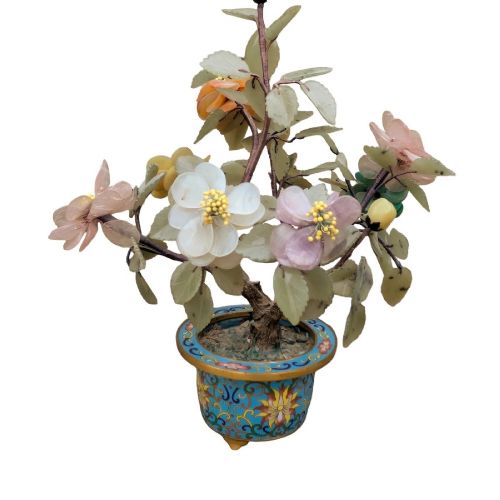


Decorative Enamel Pots
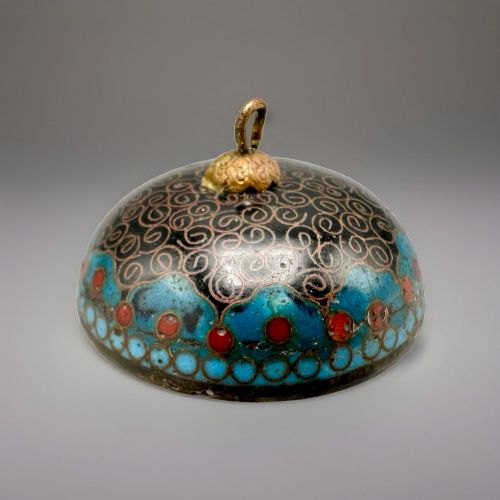
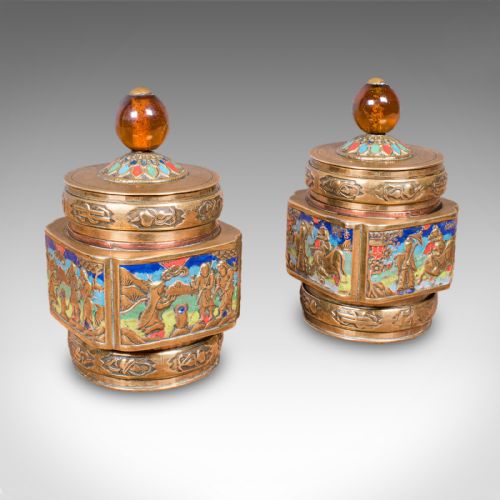
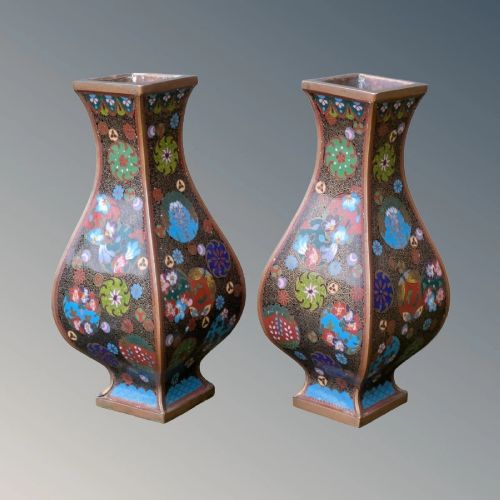
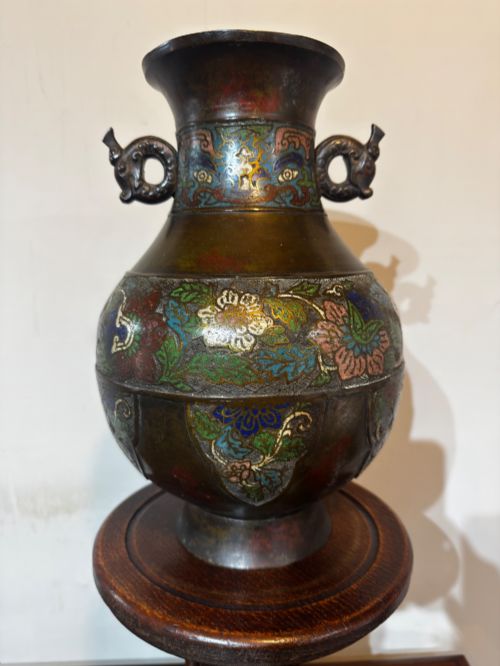
These decorative enamel pots combine rich metallic hues and intricate cloisonné or champleve surface work to bring colour and texture to any interior.
Decorative Enamel Pots
Decorative enamel pots encompass a diverse group of lidded jars, ginger jars, tea caddies, ashtrays, and jardinieres originating from Japanese Meiji and Edo periods as well as Chinese Qing dynasties and Edwardian workshops.
The pieces on this page span several decades from the nineteenth century into the mid-twentieth century, showing forms designed for both display and utilitarian use.
Buyers will encounter vessels combining traditional Asian metalwork techniques with European decorative styles from the Edwardian era onward.
How they were made
Craftsmen built these vessels using copper, brass, and bronze as a foundation, applying metal wires to form cells for colourful enamel pastes.
Surface decoration frequently integrated gold leaf, glass elements, and hardstone details alongside porcelain and stoneware bodies.
Firing and polishing cycles locked the enamel colours into place, creating durable finished surfaces with distinctive metallic outlines.
Decorative Enamel Pots Retail Price Guide 2026
Typical asking prices for decorative enamel pots among the pieces listed under this phrase on Sellingantiques today, from the lower quarter to the upper quarter. They describe what is for sale here now, not the wider market.
Several small spice pots and ashtrays quietly survived a century of household use without losing a single wire of their original cloisonne plumage.
What varies in quality
Quality separates ordinary production pieces from finer work through the precision of the wirework and the evenness of the enamel filling.
The clarity of the colour palette and the complexity of bird, mosaic, or floral motifs distinguish superior specimens across different periods.
Makuzu Kozan II
The Decorative Enamel Pots Glossary
- Cloisonne Enamel
- A metalwork technique where thin wires are soldered to a base to form compartments filled with enamel paste. It produces intricate patterns separated by fine metallic lines.
- Champleve
- A technique where troughs or cells are carved directly into a thick metal surface and filled with enamel before firing. This method yields bolder outlines than wire-based cloisonne.
- Jardiniere
- A large decorative pot or stand designed to hold live plants or floral arrangements. They appear in ceramic, cloisonne, and bronze formats across nineteenth-century collections.
- Tea Caddy
- A small lidded container historically used for storing loose tea leaves. Many antique examples feature secure fitted lids and portable dimensions.
Decorative Enamel Pots: Frequently Asked Questions
How were ginger jars used?
Ginger jars originally served to store and transport spices, salt, and preserved ginger along trade routes. Over time, European and Asian households adopted them purely as ornamental objects for mantelpieces and side tables.
In modern settings, they function effectively as standalone display pieces or as lidded containers for small household items.
How do I care for antique enamel?
Antique enamel benefits from gentle dusting with a soft, dry cloth to prevent accumulation in recessed wire channels. Avoid harsh chemical cleaners, abrasive sponges, and prolonged exposure to direct sunlight.
Maintaining a stable indoor humidity helps protect the underlying metal and prevents stress on the vitreous enamel surface.
How are periods identified?
Period identification relies on a combination of stylistic markers, metal composition, and manufacturing techniques. Meiji and Edo pieces often display specific avian or geometric motifs tied to Japanese imperial workshops.
Edwardian and later twentieth-century items incorporate distinct colour palettes and heavier brass or copper foundations that reflect changing global trade.