




Decorative Door Porter
A decorative door porter holds back a heavy draft, and you will find them cast in brass and iron across the Georgian, Victorian, and Edwardian periods.
Decorative Door Porter
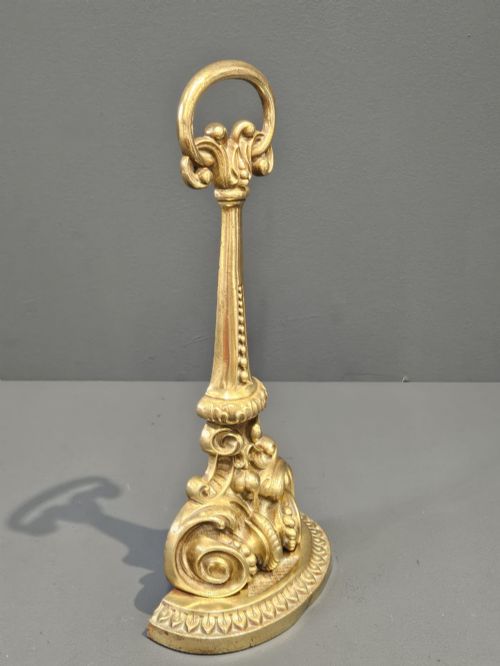
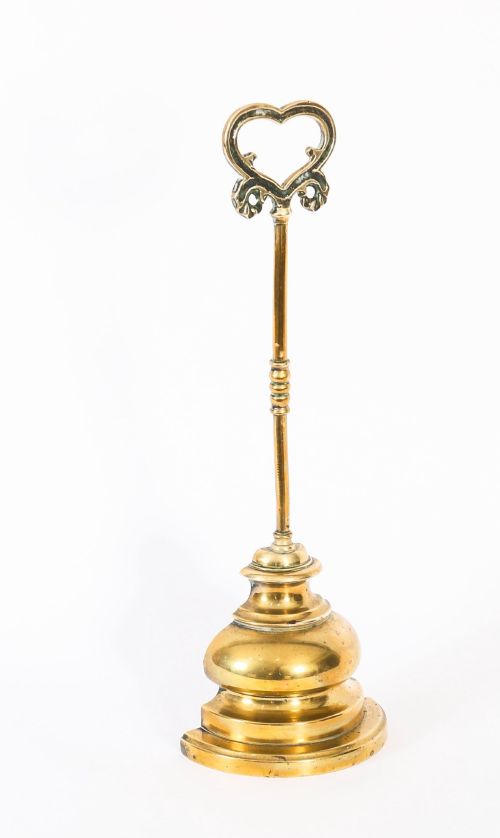
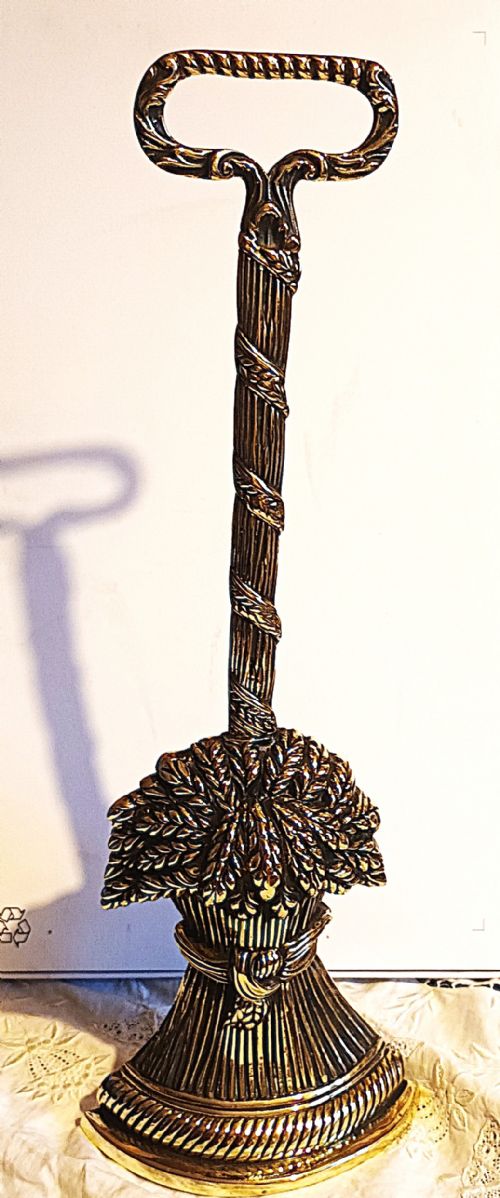
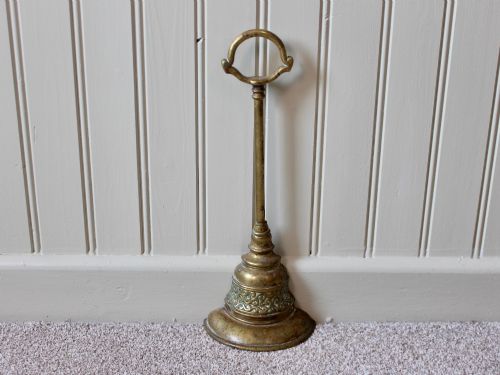
A decorative door porter is a heavy piece designed to keep interior doors open against drafts, combining utilitarian function with sculptural form. When you search for a decorative door porter, you encounter substantial objects cast in metals like brass, bronze, and iron.
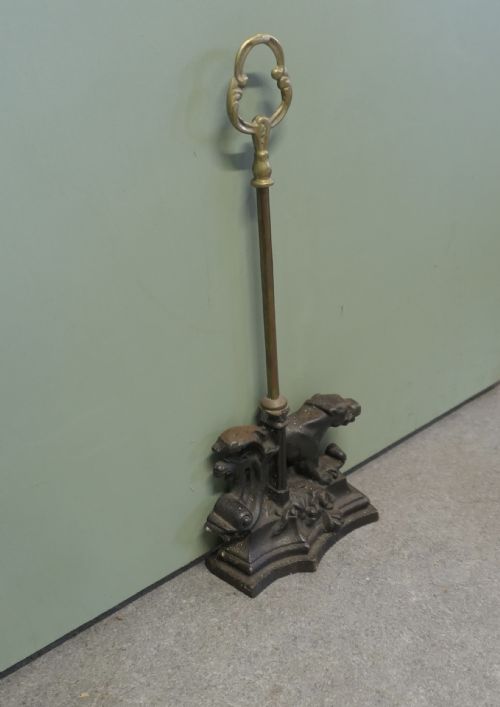
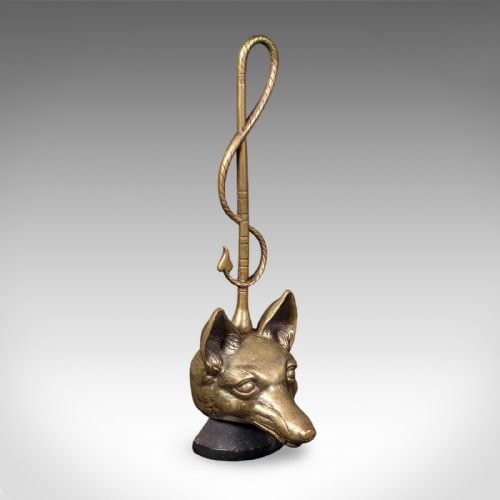
The pieces on this page span the Georgian, Regency, Victorian, and Edwardian periods, taking the shape of figures, animals, and heraldic motifs. You are most likely to meet Victorian brass and cast iron examples, often shaped as animals, mythological creatures, or recognizable characters like Mr Punch and Lord Nelson.
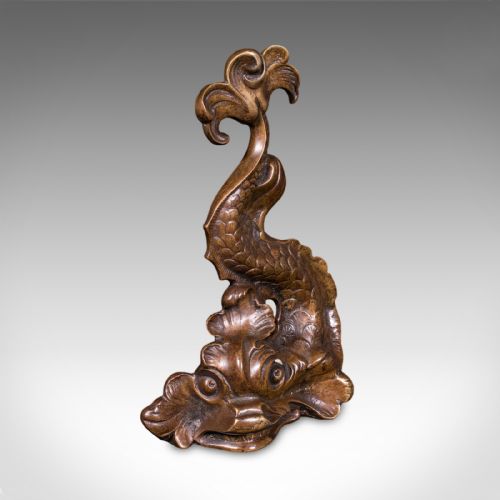
Forms range from simple architectural stops to elaborate depictions of dogs, lions, cherubs, and dolphins. English country house styles sit alongside Dutch brass pieces and items linked to the Great Exhibition.
Materials and Casting Techniques
These porters rely heavily on metalcasting, utilising cast iron, brass, and bronze poured into moulds to create heavy, durable bodies. Many examples show the enduring popularity of cast brass and iron for domestic hardware.
Several door porters take the form of Mr Punch, standing ready to keep your doors open with a grin.
Distinctions in Quality and Execution
The choice of material and the presence of original painted or gilded surfaces also influence the character of the piece. Heavier castings with integrated handles and balanced bases demonstrate superior planning by the maker.
Tonks
The Decorative Door Porter Glossary
- Door porter
- A heavy movable weight placed against a door to prevent it from swinging shut. These objects were essential in large houses with numerous draughty rooms.
- Cast iron
- An iron-carbon alloy poured into a mould to form solid shapes. This material provided the necessary weight for utilitarian door hardware.
- Regency
- An English architectural and decorative style period spanning the early nineteenth century. Pieces from this era often incorporate classical motifs like dolphins.
- Gilt bronze
- Bronze coated with a thin layer of gold or gold-coloured alloy. This finish adds a reflective quality to decorative metal objects.
- Doorstop
- An alternative term for a door porter. Both words describe the same heavy household accessory.
Decorative Door Porter: Frequently Asked Questions
How were door porters used?
They sat on the floor near the base of a door to hold it steady against draughts. Servants moved them from room to room as needed.
Their substantial weight prevented heavy wooden doors from swinging shut unexpectedly in large houses.
How do I date a cast iron porter?
Dating relies on stylistic clues, motifs, and material finishes typical of specific periods like the Victorian era or Regency times. Victorian examples frequently feature popular characters or animal studies.
Examining the crispness of the casting and any remaining paint helps connect the piece to its manufacturing era.
Where should I place a door porter?
Place the porter on the floor directly in the path of the door you wish to keep open. Ensure the base sits flat against the surface.
They function well in hallways and reception rooms where airflow needs management.