

Decorative Chinese Vase
A decorative chinese vase brings vibrant colour and layered history into a room, spanning nineteenth-century porcelain, cloisonné, and bronze vessels.
Decorative Chinese Vase
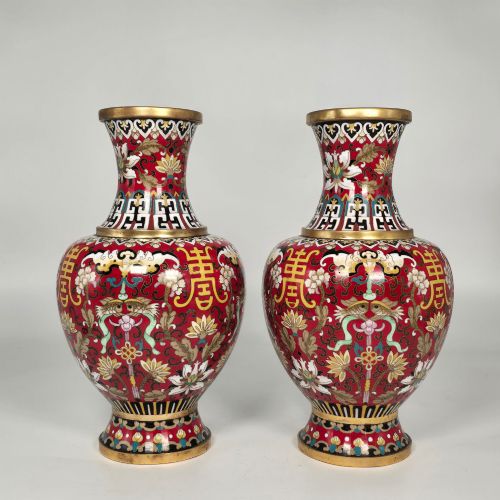
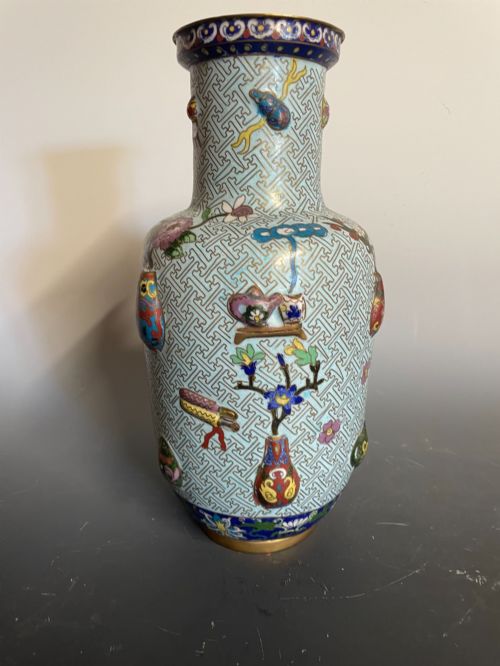
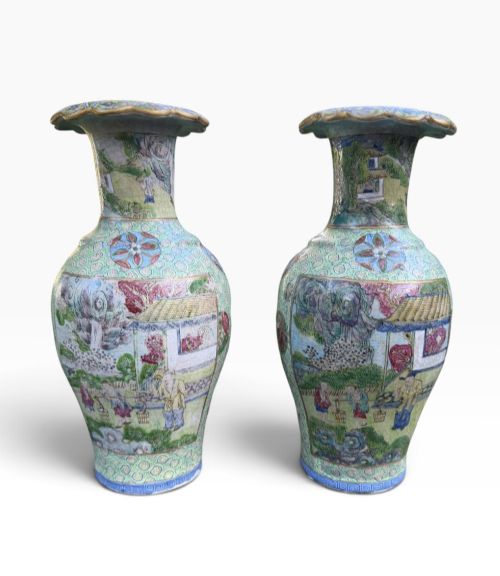
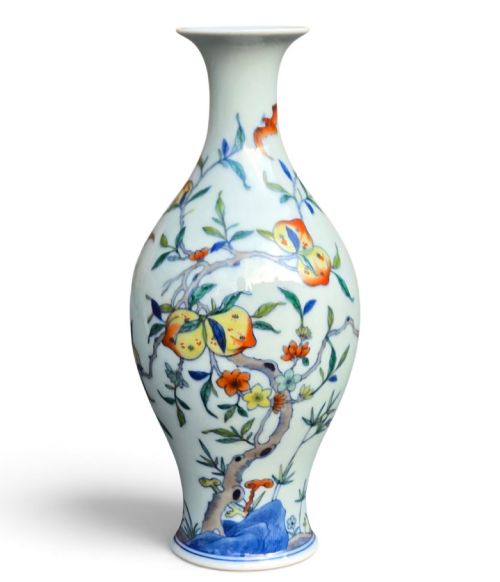
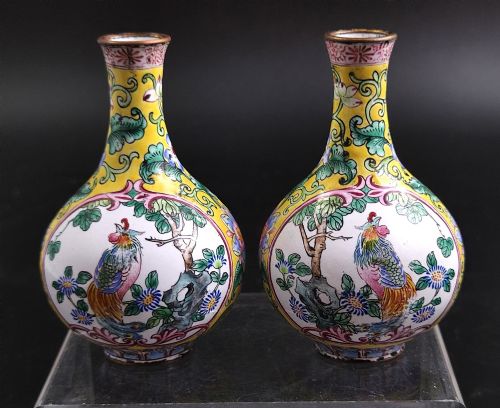
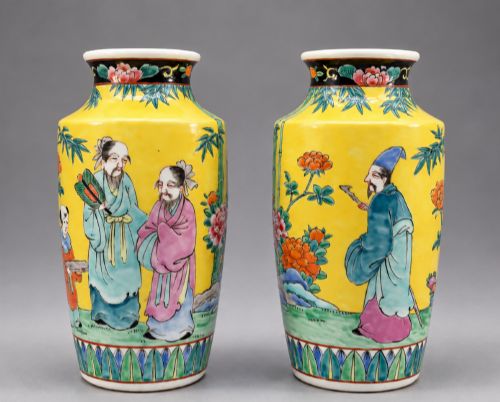
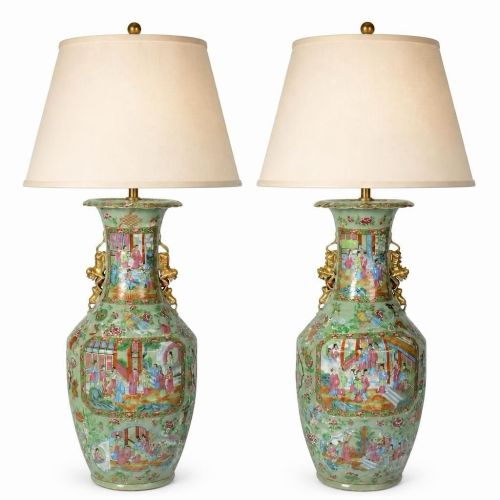
A decorative chinese vase encompasses an array of historical vessels, spanning porcelain ginger jars, bronze temple urns, and intricate cloisonné pieces created for export and domestic use.
The pieces appearing most frequently across this selection date from the nineteenth century, alongside examples from the early twentieth century, the Qing dynasty, and the Chinese Republic period.
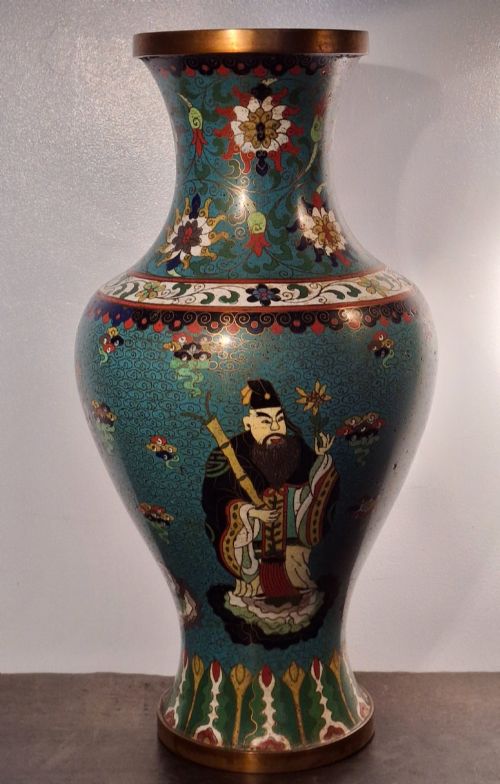
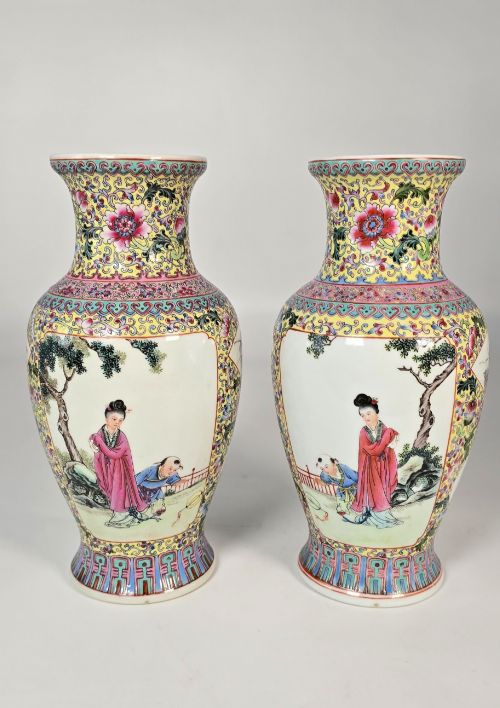
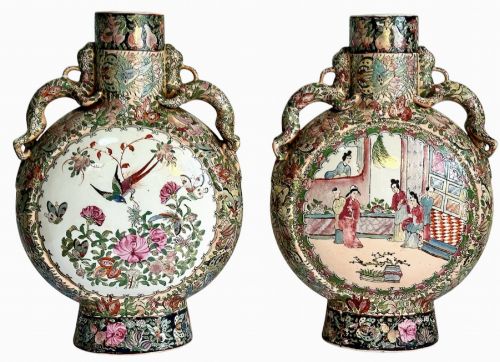
Forms vary widely from baluster vases and moon flasks to monumental floor vases, table lamps, and ginger jars adorned with motifs ranging from Daoist immortals to floral scenes.
How They Were Made
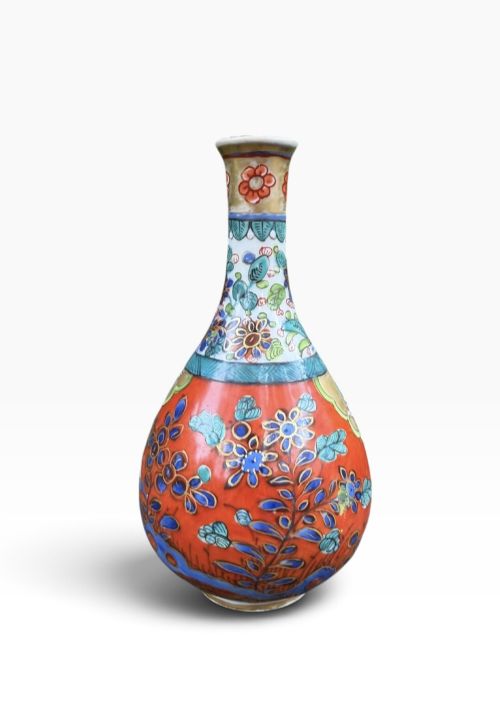
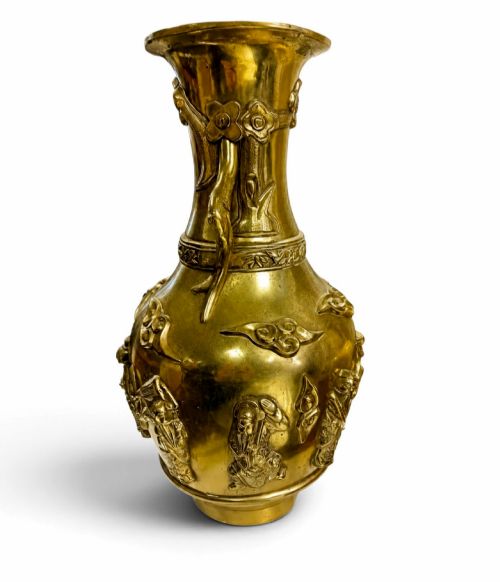
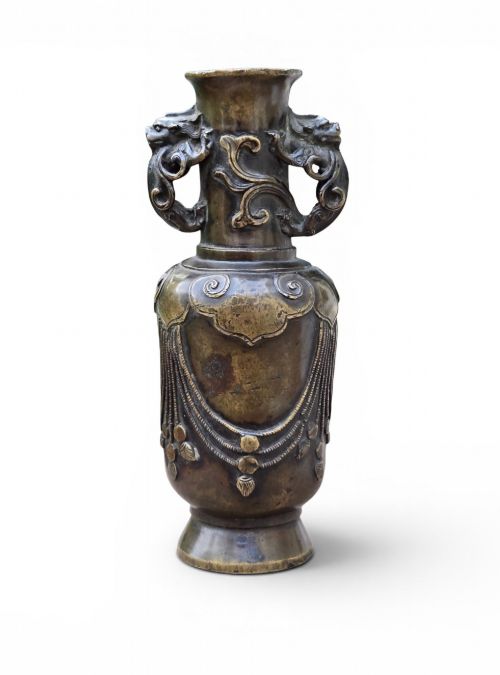
Craftsmen utilised various core mediums, working porcelain with hand-painted enamel palettes like famille rose and famille verte, or shaping copper alloys, brass, and bronze into vessels.
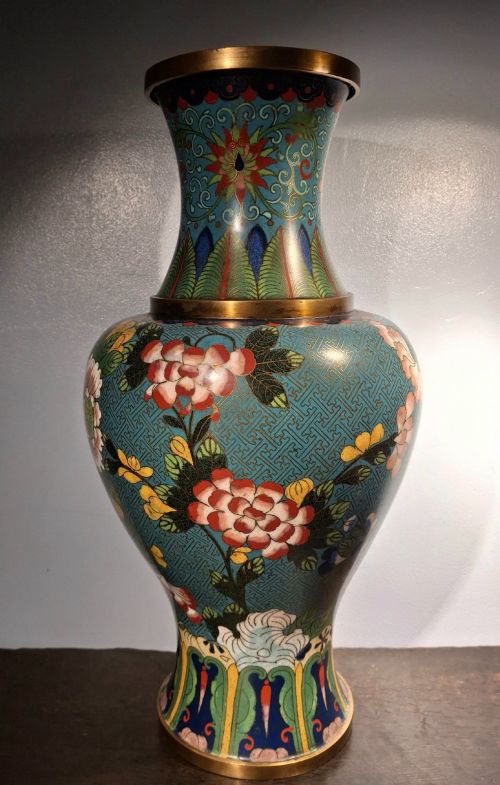
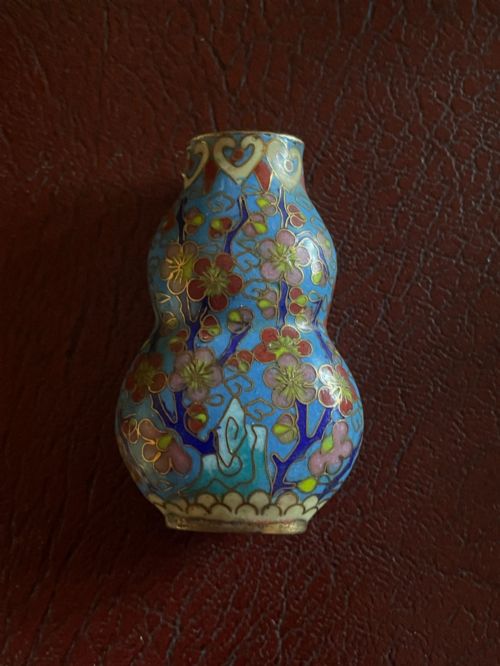
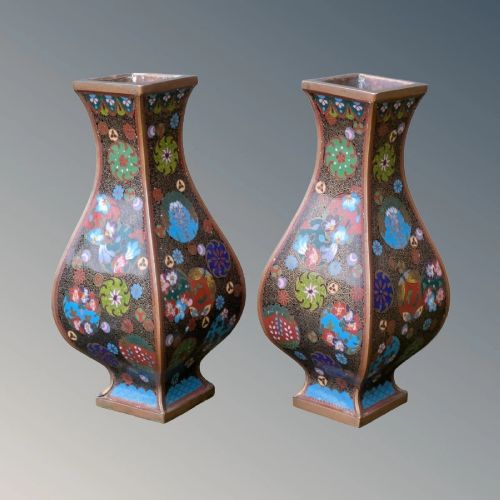
Cloisonné and champlevé techniques involve soldering wire compartments or carving depressions onto metal bases, subsequently filling those cells with enamel paste before firing and polishing.
Decorative Chinese Vase Retail Price Guide 2026
Typical asking prices for decorative chinese vase among the pieces listed under this phrase on Sellingantiques today, from the lower quarter to the upper quarter. They describe what is for sale here now, not the wider market.
Several heavy bronze vessels feature dragon handles designed to grip the air while guarding the hearth.
What Varies in Quality
Quality rests upon the precision of the hand-painting, the crispness of relief work in metal or cinnabar lacquer, and the complexity of the decorative scheme.
Finer vessels display harmonious balance in their proportions, deliberate weight in bronze or copper castings, and well-preserved enamel layers across the body and neck.
The Decorative Chinese Vase Glossary
- Famille Rose
- A prominent palette of opaque pink or rose enamel introduced during the Qing dynasty. It allowed artists to achieve subtle gradations of tone in floral and figural scenes.
- Cloisonné
- An enamelwork technique where flat metal wire is soldered onto a metal body to create cells. These partitions are filled with vitreous paste and fired multiple times.
- Baluster
- A tall vase form featuring a rounded body that tapers toward a narrow neck and flaring rim. This silhouette is frequently encountered in nineteenth-century porcelain.
- Cinnabar Lacquer
- A technique involving numerous brushed layers of red lacquer applied to a wooden or metal core. Carvers then cut intricate motifs directly into the hardened material.
Decorative Chinese Vase: Frequently Asked Questions
How are these vases cleaned?
Dust porcelain and cloisonne gently with a soft, dry cloth to protect the surface enamels.
Avoid liquid cleaners and abrasives, especially on aged bronze, brass, and lacquer finishes.
Can these vases hold water?
Many historical vessels, particularly metal and lacquer pieces or converted lamps, are intended for dry display.
Check the interior condition and construction before introducing moisture to porcelain or antique metalwork.
How do I date a vase?
Examine the materials, base marks, and manufacturing techniques alongside stylistic cues such as palette choice.
Nineteenth-century examples often exhibit distinct baseline wear and specific enamel compositions compared to later Republican pieces.
Were these made for export?
A significant portion of nineteenth-century production targeted Western markets through trade ports like Canton.
These export pieces combined traditional craftsmanship with decorative styles designed to appeal to European interiors.