





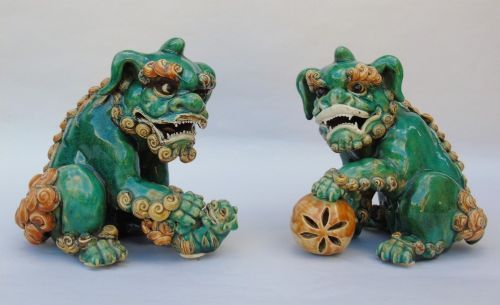
Decorative Chinese Statue
These decorative chinese statue examples bring centuries of sculptural form into a room through carved jade, bronze, pottery, and wood.
Decorative Chinese Statue
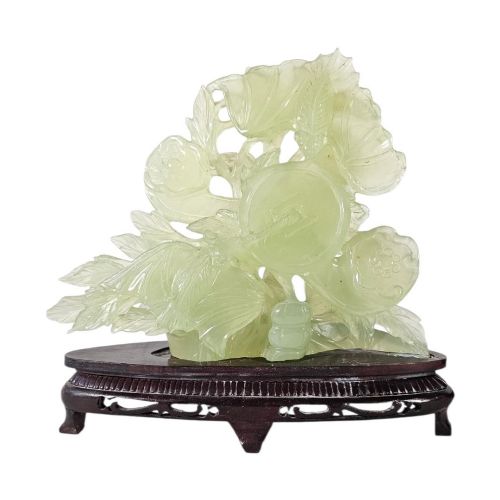
A decorative chinese statue encompasses figures, animals, and mythological beasts rendered across eras from the eighteenth century through the mid twentieth century. Buyers seeking these works encounter guardian lions, Buddhist figures, cranes, horses, and various birds shaped from traditional materials.
The selection on this page ranges from early nineteenth century wood carvings and bronze horses to Republic period jade figures and cloisonne pieces. Animal forms such as foo dogs, ducks, quails, and monkeys appear frequently alongside human figures including Buddha and Luohan representations.
Originating across multiple periods, these sculptures reflect both imperial traditions and later export styles, including French Chinoiserie interpretations. Forms vary from small tabletop figurines to imposing pairs designed for prominent display.
How they were made
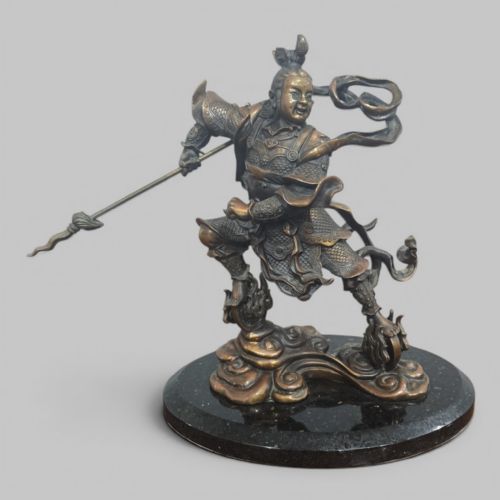
Carving forms the foundation of many pieces, utilising hardstone, jade, wood, and hardwood to shape figures with detailed surface textures. Artisans also employed casting techniques in bronze, cast iron, and gilt metal to produce durable sculptures and pairs of animals.
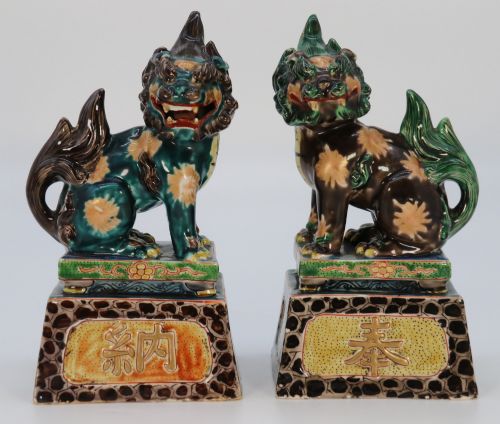
Ceramic and pottery works utilise porcelain and earthenware bodies finished with glazes such as sancai and famille rose enamel decoration. Gilt wood and lacquer treatments add surface depth and colour to sculptural forms.
Decorative Chinese Statue Retail Price Guide 2026
Typical asking prices for decorative chinese statue among the pieces listed under this phrase on Sellingantiques today, from the lower quarter to the upper quarter. They describe what is for sale here now, not the wider market.
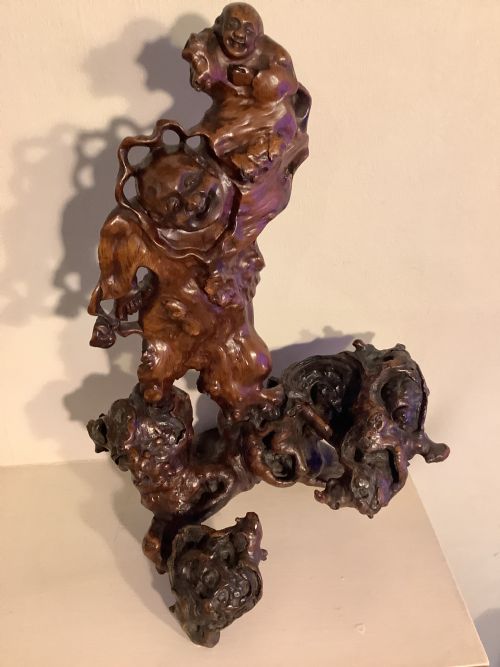
A gnarled piece of wood carved cleverly as a man carrying a boy proves nature often provides half the sculpture.
What varies in quality
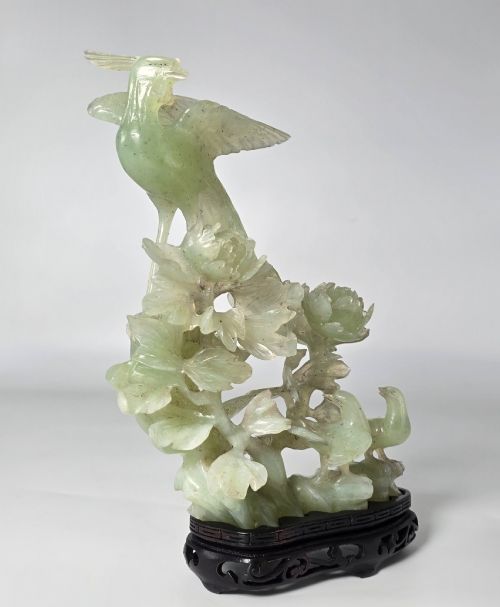
The choice of material dictates the character of the object, with translucent jade and finely finished hardwoods representing higher tiers of craftsmanship compared to cast iron or standard pottery. Balance and proportion within pairs also influence the standing of a piece.
Zhu Mao Ji
The Decorative Chinese Statue Glossary
- Foo Dog
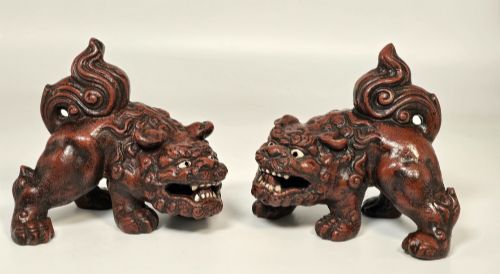
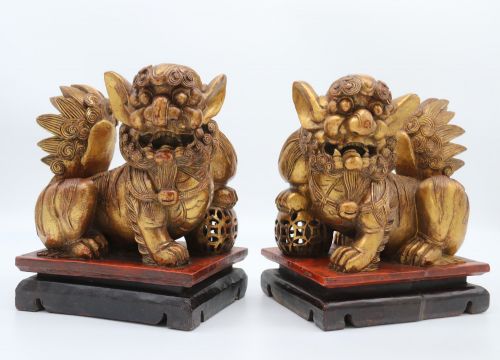
- A traditional guardian lion sculpture placed to protect a space. These mythical beasts appear frequently in pairs carved from stone, wood, or cast in metal.
- Sancai
- A three colour glaze technique used on pottery and porcelain. This finish typically combines amber, green, and cream tones.
- Cloisonne
- Enamelwork created by soldering wire compartments onto a metal base before filling them with paste and firing. The method produces detailed patterns across animal and sculptural forms.
- Famille Rose
- A palette of opaque enamel colours dominated by pink, introduced during the Qing dynasty. It decorates porcelain figures and vessels.
- Republic Period
- The era in Chinese history following the Qing dynasty, spanning from 1912 to 1949. Pieces from this time show continued skill in jade and ceramic production.
Decorative Chinese Statue: Frequently Asked Questions
What is a foo dog statue?
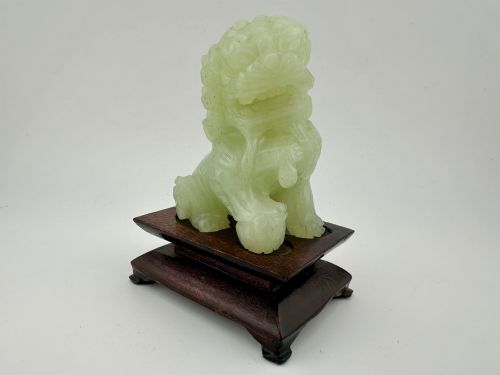
A foo dog is a traditional guardian lion sculpture often displayed in pairs to protect a home or building. These figures appear in materials ranging from bronze and pottery to carved wood and jade.
Historically placed at thresholds or interior focal points, they symbolise protection and authority in Chinese art.
How do I identify a jade sculpture?
Jade sculptures display a distinct hardness and a cool, smooth touch that distinguishes them from softer stones. Colour varies from pale green to white, often shaped into guardian lions, birds, and figures.
Examining the depth of the carving reveals the skill involved in working this resistant material.
What does sancai glaze mean?
Sancai translates to three colours, referring to the amber, green, and cream lead glazes used on pottery and porcelain figures. This technique creates a streed and varied surface effect across horses and lions.
Potters applied these glazes to earthenware bodies during early periods and later revival styles.
Where were bronze statues placed?
Bronze statues of horses, figures, and animals served as decorative and symbolic objects within interiors. Their weight and durability made them suitable for prominent display on furniture or pedestals.
Over time, bronze develops a natural patina that highlights the cast details of the sculpture.