
Decorative China Wall Plate
When you search for a decorative china wall plate, you are looking at porcelain and bone china pieces designed for display.
Decorative China Wall Plate
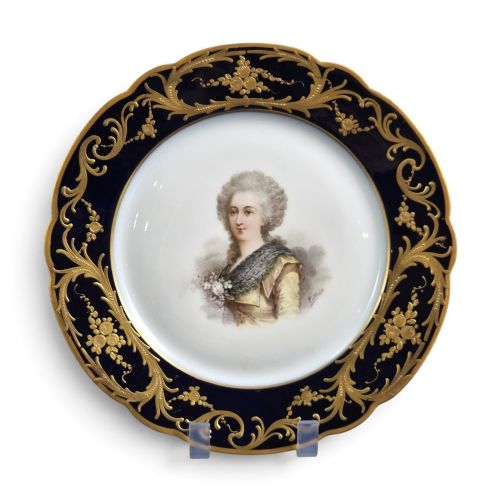
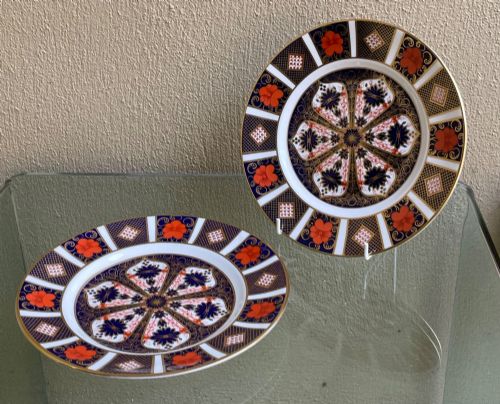
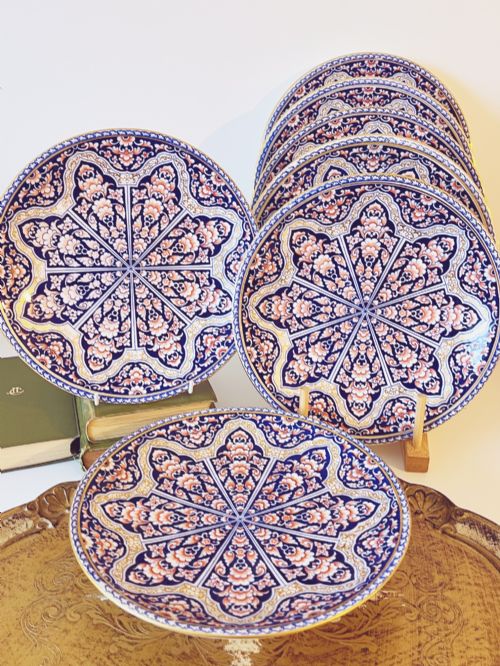
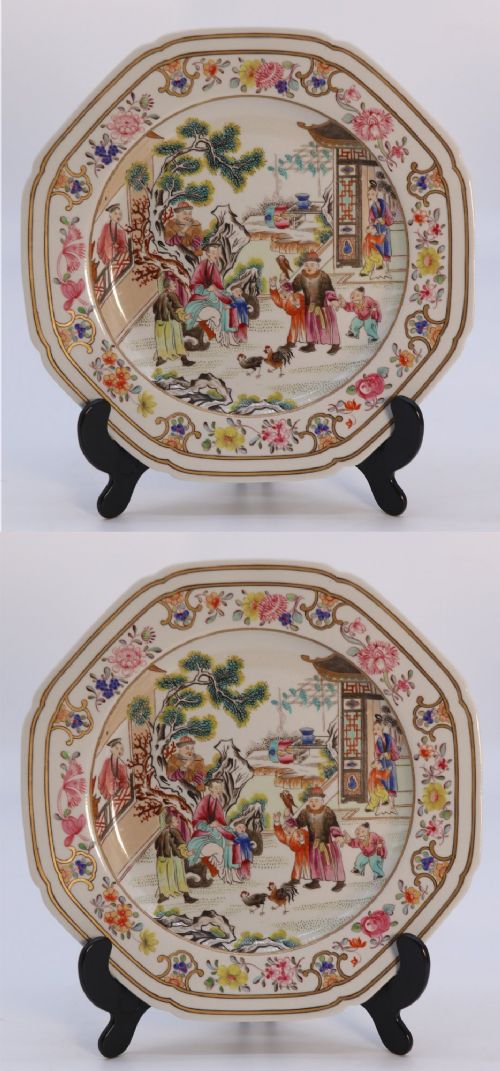
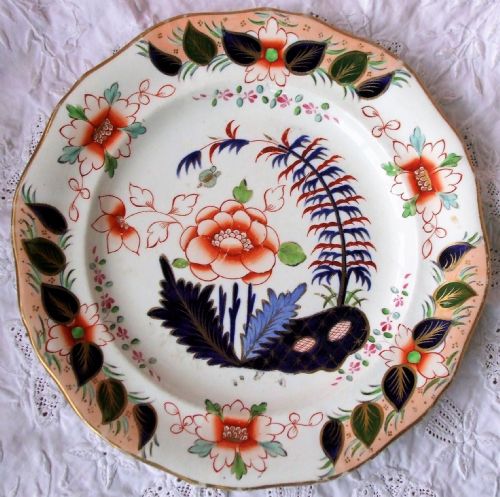
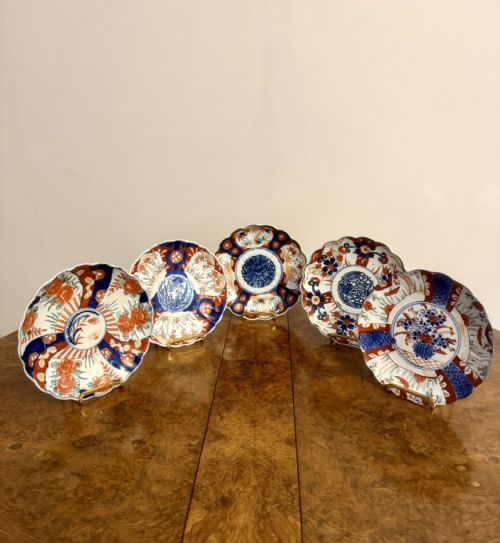
When you search for a decorative china wall plate, you find cabinet plates, chargers, and dessert services originating from nineteenth-century England, France, Germany, and Japan. The pieces span periods from the eighteenth century through to the mid-twentieth century, encompassing traditional English, Japanese Imari, and Victorian styles.
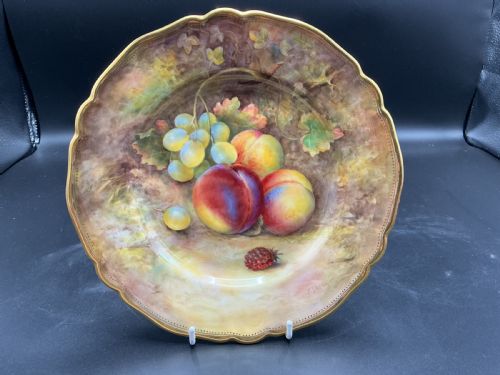
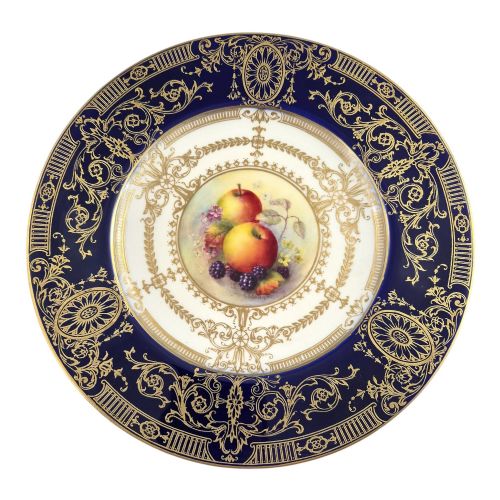
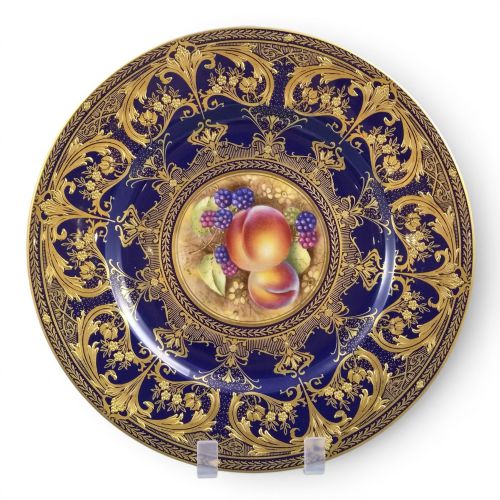
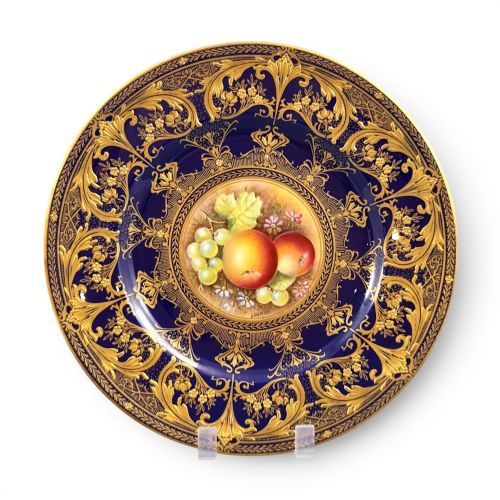
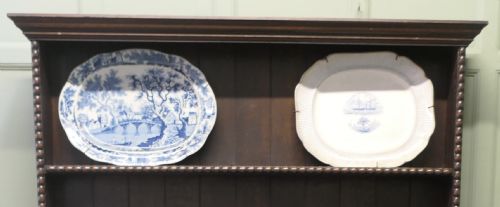
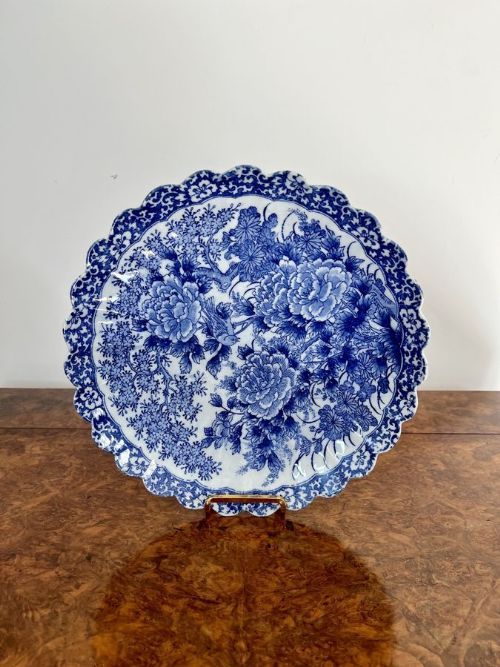
You are most likely to meet nineteenth-century porcelain and bone china items, including hand-painted fruit plates by named artists, armorial porcelain, and blue and white chargers. Makers and factories such as Royal Worcester, Minton, and Spode appear frequently among these ceramic items.
How they were made
These items utilise porcelain, bone china, ironstone, and ceramic bodies, formed into plates, platters, chargers, and comports. Potters shaped the clay before applying glazes, enamel colours, and underglaze blue pigments.
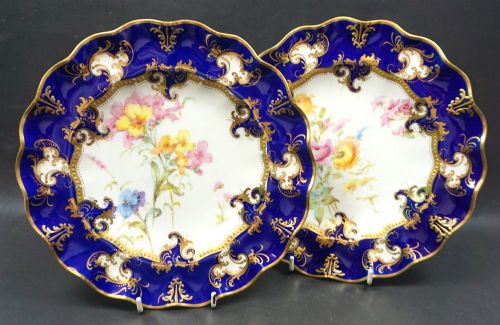
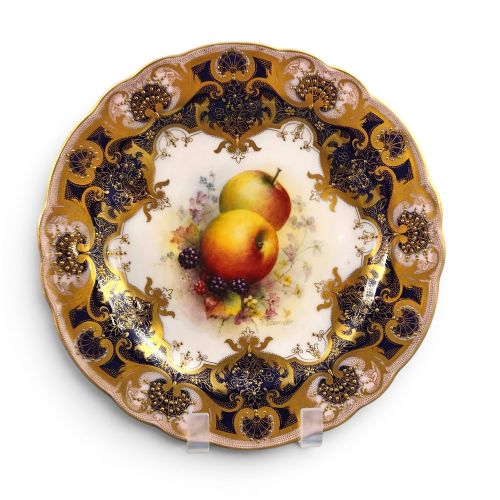
Decorations often incorporate hand-painting, gold leaf, and gilding, with specific patterns fixed through kiln firing. Some pieces feature moulded elements such as scalloped edges or basketweave textures.
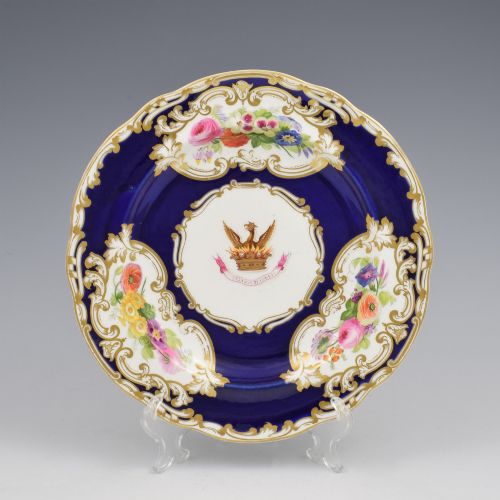
Several plates depict exotic birds and mythical beasts, including painted phoenixes rising proudly from bright flames.
What varies in quality
The standard of painting separates standard factory output from exceptional cabinet plates, particularly where artists sign fruit or portrait studies. The precision of the gilding and the crispness of moulded details like basketweave or ribbon rims also distinguish finer examples.
The provenance and completeness of a service, such as matching sets or pairs with documented factory marks, elevate certain pieces above single utilitarian plates.
Royal Crown Derby·Royal Worcester·Spode·John Davenport of Longport·Pucher Deroche·Coalport·Chamberlain's·Minton·Helena Wolfsohn·Meissen·Ridgway·Worcester·Crescent China
The Decorative China Wall Plate Glossary
- Cabinet plate
- A decorative plate intended for display in a cabinet or on a wall rather than for dining. These often feature detailed hand-painting and rich gilding.
- Imari
- A decorative style inspired by Japanese export wares, characterised by iron red, underglaze blue, and gold. English factories frequently copied these palettes.
- Bone china
- A type of soft-paste porcelain containing animal bone ash, producing a strong, highly translucent ceramic body. It became standard in nineteenth-century English manufacture.
- Gilding
- The application of gold leaf or gold dust to ceramic surfaces to highlight rims and motifs. Higher quality pieces often feature raised tooling within the gold.
- Armorial
- A ceramic design featuring a family crest, coat of arms, or motto. These were typically commissioned by landed families.
Decorative China Wall Plate: Frequently Asked Questions
How do I hang a decorative china wall plate?
Displaying plates on walls requires secure hangers that grip the rim without causing damage to the ceramic or glaze.
Spring-loaded brass wire holders or coated steel disk adhesives attached to the reverse are standard methods used by collectors.
Were these plates used for dining?
Many items listed as cabinet plates or chargers were created exclusively for visual display in reception rooms.
Other pieces originate from larger dessert services intended for dining use, though surviving examples often show minimal wear due to careful preservation.
How do I identify the date of a plate?
Makers frequently applied impressed ciphers, painted factory marks, or pattern numbers to the reverse of the ceramic body.
Matching these marks with historical factory records and date codes reveals the specific decade of production.
What is the difference between porcelain and bone china?
Traditional porcelain relies on hard-paste kaolin and petuntse fired at high temperatures to create a dense vitrified body.
Bone china incorporates calcined bone ash into the clay mixture, resulting in a lighter, whiter material with high translucency.