
Floral Painted Bone China
Floral painted bone china brings together delicate brushwork and refined ceramic forms across centuries of English tradition.
Floral Painted Bone China
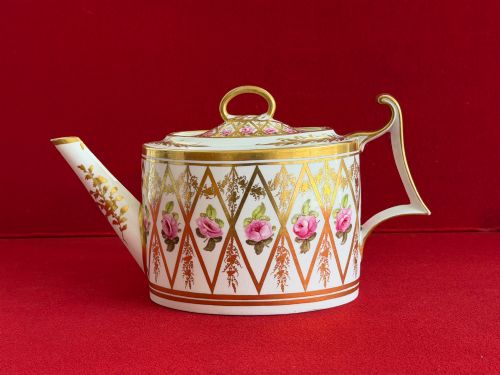
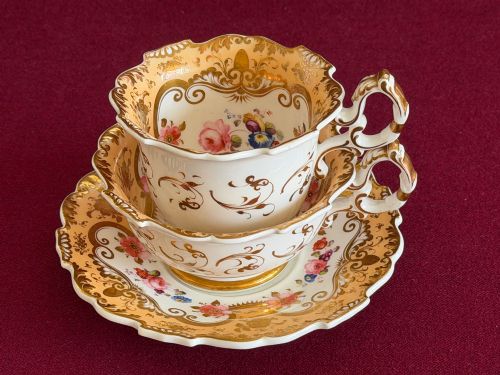
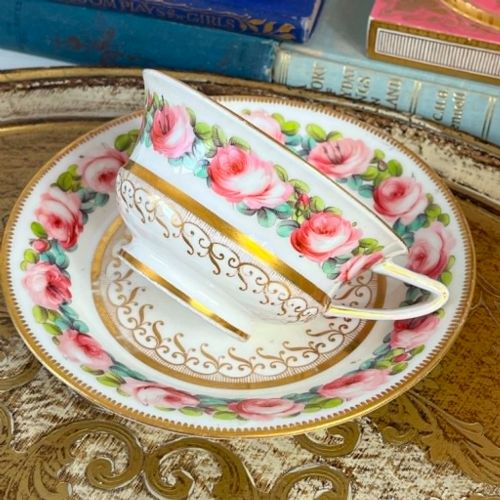
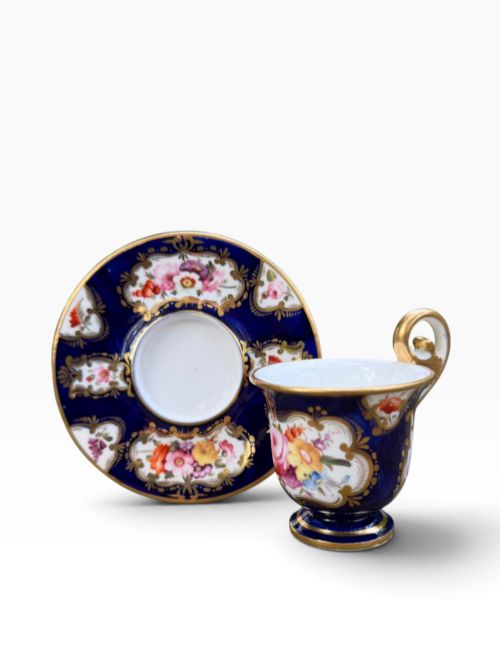
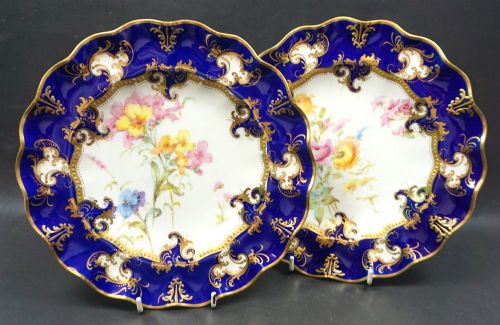
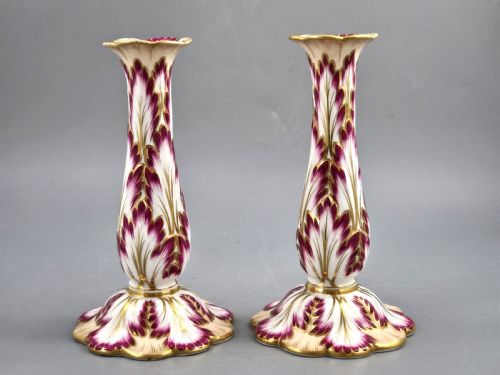
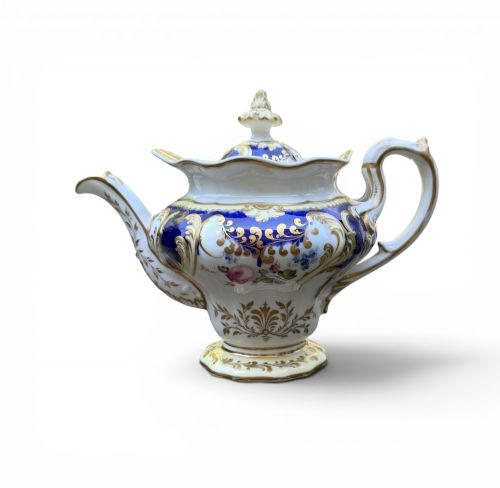
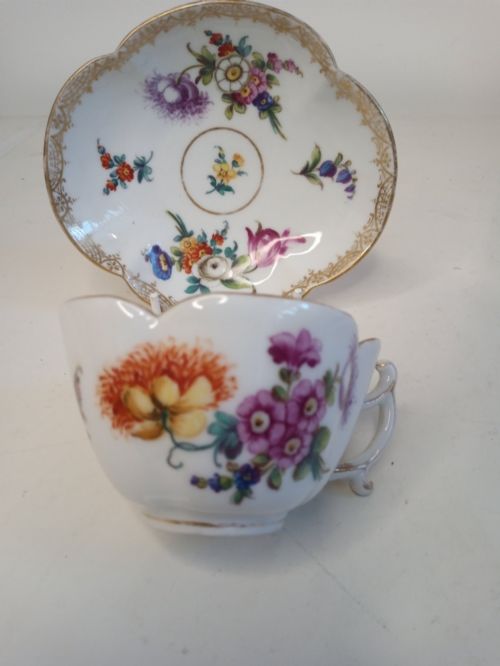
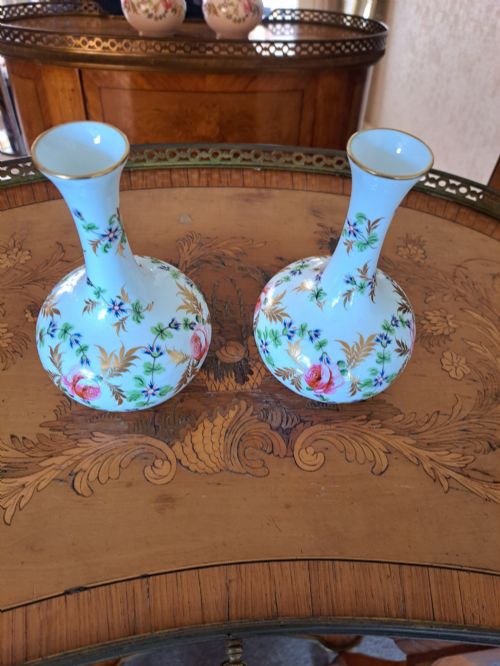
When searching for floral painted bone china, collectors encounter a diverse range of items including teacups, cabinet plates, teapots, and vases. These objects span from the Georgian and Regency periods through the Victorian era and into the twentieth century.
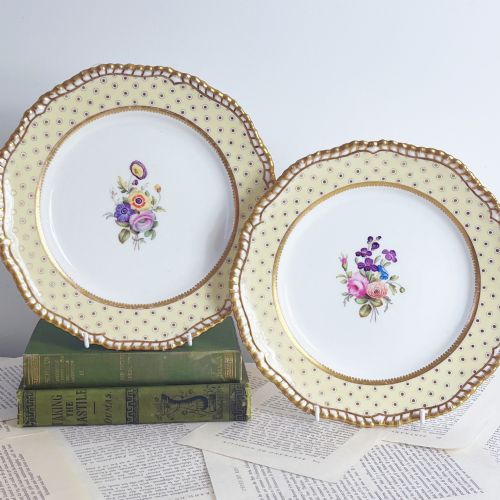
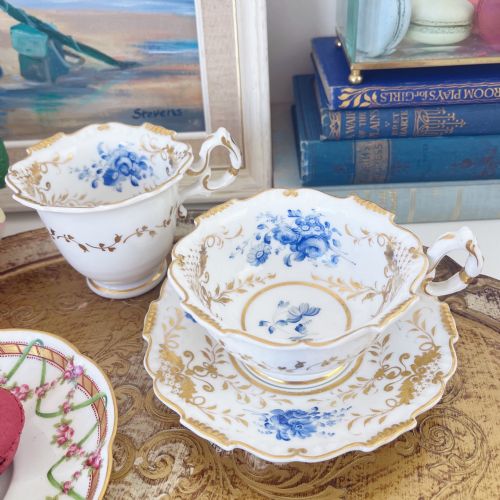
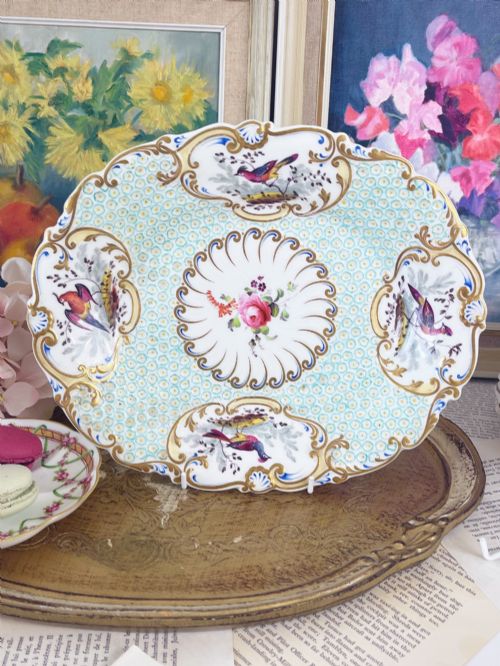
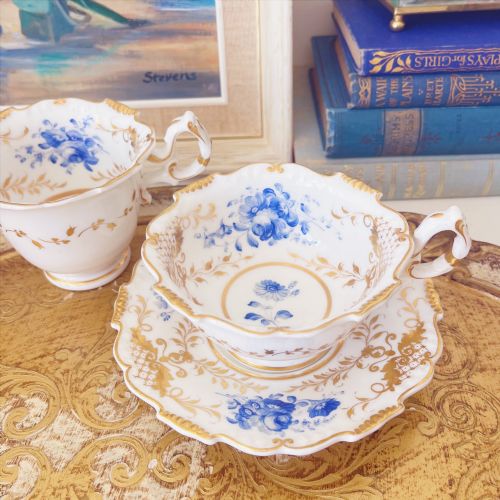
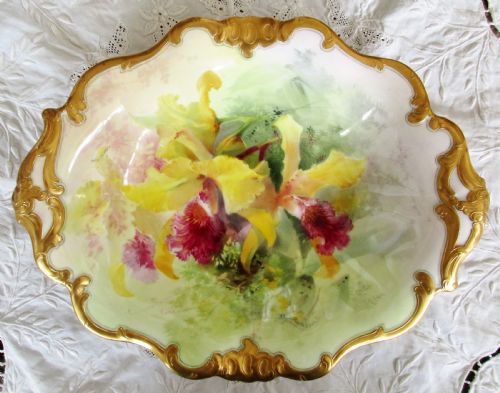
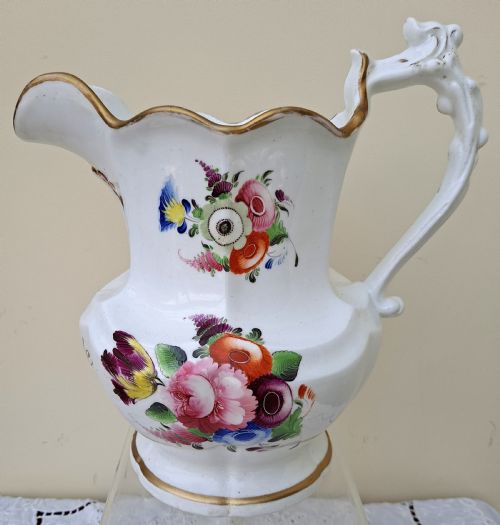
The pieces most frequently met on this page are cabinet plates, teacups and saucers, and decorative vases produced by historic English factories. They showcase hand-painted botanical motifs, ranging from cabbage roses to botanical serving dishes.
Makers such as Spode, H & R Daniel, Coalport, and Royal Worcester dominate the selection, reflecting the high standards of nineteenth and early twentieth-century ceramic production.
How they were made
The manufacture of these ceramics relies on fine bone china or porcelain bodies shaped into tableware and decorative vessels, often incorporating moulded elements like basketweave textures or rococo scrolls.
Decoration is achieved through meticulous hand-painting of floral designs, sometimes paired with enamel colours and lavish applications of gold leaf and gilding to accentuate handles, rims, and panels.
Listings feature porcelain, enamel, gold leaf, and bone china across Regency, Victorian, Edwardian, and Georgian styles.
What varies in quality
The distinction between standard items and the top of the range rests primarily on the finesse and detail of the hand-painted artistry. Pieces decorated by named artists or featuring complex botanical studies command greater appreciation.
The crispness of the moulding, the preservation of the gold leaf and enamel embellishments, and the overall balance of the form further differentiate standard production wares from exceptional cabinet pieces.
Spode·H & R Daniel·Derby Porcelain·Coalport·Royal Crown Derby·Royal Doulton·Newhall·Ridgway·Copeland·Minton·Rockingham·Yates·Royal Worcester·Wedgwood
The Floral Painted Bone China Glossary
- Bone china
- A type of porcelain composed of clay mixed with bone ash, producing a strong, translucent body. It served as the standard canvas for many nineteenth-century floral painters.
- Cabinet plate
- A decorative plate intended for display in a cabinet rather than for dining use. These pieces often feature elaborate hand-painted scenes and rich gilding.
- Gilding
- The application of gold leaf or gold paint to ceramic surfaces. It highlights rims, handles, and borders on fine tea wares and vases.
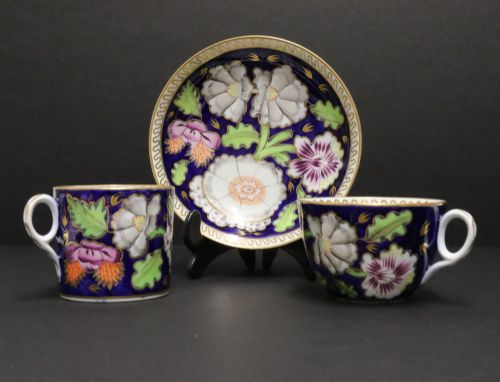
- Trio
- A matching set comprising a teacup, a coffee cup, and a saucer. They were popular in Regency and Georgian domestic settings.
- Sucrier
- A covered container designed to hold lump sugar for tea service. They frequently match the decorative patterns of contemporaneous teapots and cups.
Floral Painted Bone China: Frequently Asked Questions
How do I identify the period of floral painted bone china?
Dating these ceramics relies heavily on factory marks stamped or painted on the underside, alongside stylistic clues such as Regency shapes or Victorian decorative motifs.
Form, paste composition, and the specific palette of the hand-painted flowers also provide reliable indicators of whether a piece originates in the Georgian era or later.
How should I care for antique bone china?
Preserving these pieces requires gentle hand washing in warm water with mild soap, avoiding modern dishwashers that can strip away delicate enamels and gold leaf.
Displaying them securely away from direct sunlight protects the pigments from fading and keeps the delicate porcelain bodies safe from accidental knocks.
What is the difference between porcelain and bone china?
Traditional porcelain relies on kaolin and petuntse, whereas bone china incorporates animal bone ash into the mixture to increase strength and translucency.
English factories adopted bone china widely during the nineteenth century because it allowed for thinner walled vessels and a brilliant white background for floral painting.