


Gilt Fine China Plate
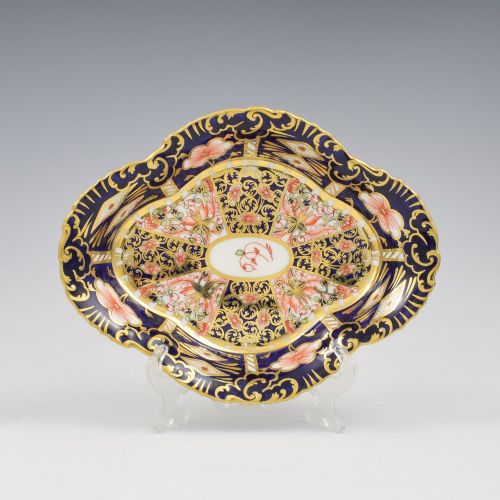
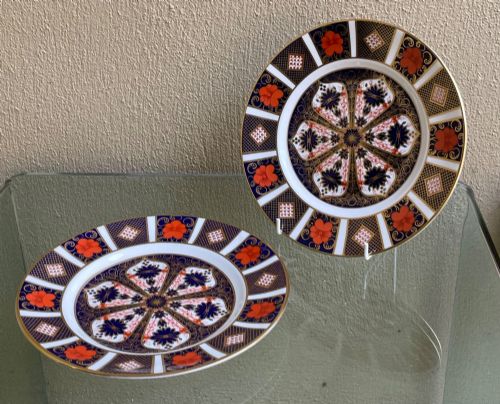
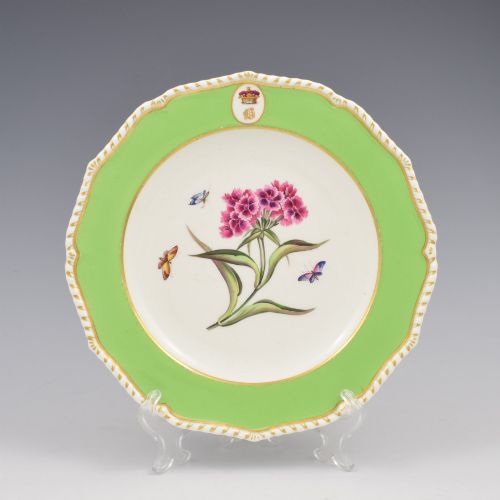
These gilt fine china plate examples bring Regency elegance to your table, offering hand-painted botanical motifs and armorial crests.
Gilt Fine China Plate
When you search for a gilt fine china plate, you enter a world of decorative cabinet plates, dessert plates, and dinner service pieces spanning the Georgian, Regency, and Victorian periods. Most pieces you meet on this page hail from English factories such as Worcester, Derby, and Coalport, combining traditional porcelain bodies with rich gilding.
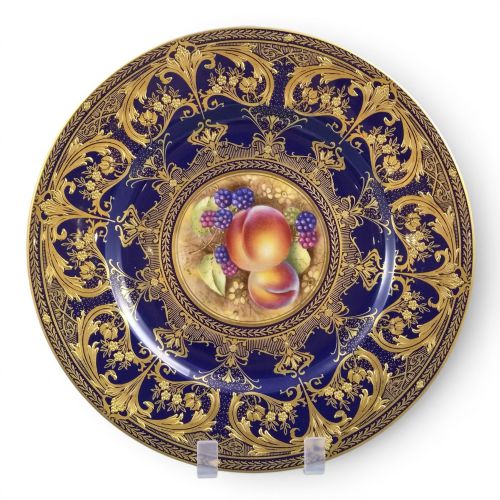
The forms range from botanical dessert plates featuring sweet williams and roses to armorial plates bearing family crests and hand-painted fruit scenes. You also encounter foreign examples like German porcelain from Bavaria, showing how widely the taste for gilt-edged ceramics spread during the nineteenth century.
What varies in quality
The distinction between ordinary production and top-tier execution rests in the precision of the hand-painting and the weight of the gilding. Named artists and specific manufactories elevate certain dessert plates and cabinet dishes into true works of miniature art.
Crisp armorial details, botanical accuracy, and well-preserved gold leaf separate exceptional examples from standard factory output. The finesse of the brushwork on subjects like butterflies and fruit dictates the standing of each piece.
Sweet williams and butterflies share table space with noble crests, proving that Regency diners liked their dessert with a side of natural history.
Royal Crown Derby·Royal Worcester·Bloor Derby·Coalport·Barr Flight and Barr·Chamberlain Worcester·Minton
The Gilt Fine China Plate Glossary
- Armorial plate
- A ceramic dish decorated with a family coat of arms or crest. These were often commissioned by landed families for grand dining services.
- Cabinet plate
- A decorative dish meant for display in a cabinet rather than for daily dining use. They frequently feature elaborate hand-painted scenes.
- Gilding
- The application of gold leaf or gold paint to the rims and borders of porcelain. It adds a reflective, luxurious edge to the tableware.
- Botanical plate
- A piece featuring detailed, accurate paintings of flowers and plants. Popular in the Regency period, these often named the specific plant species on the reverse.
Gilt Fine China Plate: Frequently Asked Questions
Can I use these plates for dining?
Most of these pieces are cabinet plates or dessert plates intended for display or light service. Their delicate porcelain and hand-applied gilding mean they deserve careful handling rather than heavy daily use.
Hand washing in warm water without abrasive sponges helps preserve the gold leaf and the painted botanical details for years to come.
How do I identify the period?
Makers' marks on the reverse, stylistic cues like Regency armorial designs, and the specific type of porcelain body point toward particular decades. Georgian and Regency pieces often feature hand-written pattern names or factory scripts underneath.
Comparing the painting style and the colour palette with known factory production periods helps narrow down the exact manufacturing window.
What is an armorial crest?
An armorial crest is a heraldic symbol belonging to a specific family, painted directly onto the centre or border of the porcelain. Wealthy patrons ordered these custom services to display their lineage during formal dinners.
Finding a documented family crest adds historical context and ties the dish to a specific British estate.
How should I display them?
Cabinet plates look best in glass-fronted display cabinets or mounted securely on walls using specialist plate hangers. Keeping them away from direct sunlight protects the enamel colours and the brightness of the gold leaf.
Grouping plates from the same period or maker creates a striking visual arrangement that highlights their shared aesthetic.