

Decorative Ceramic Statues
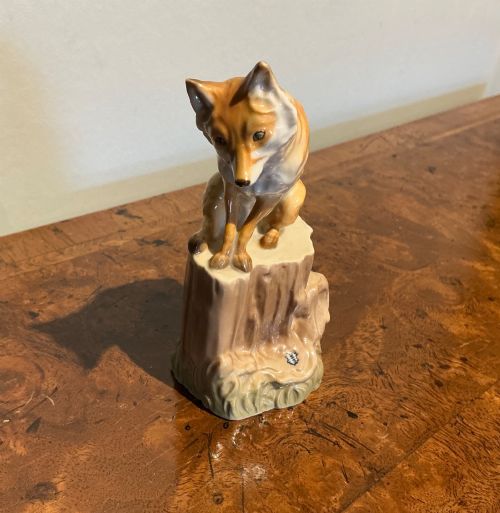
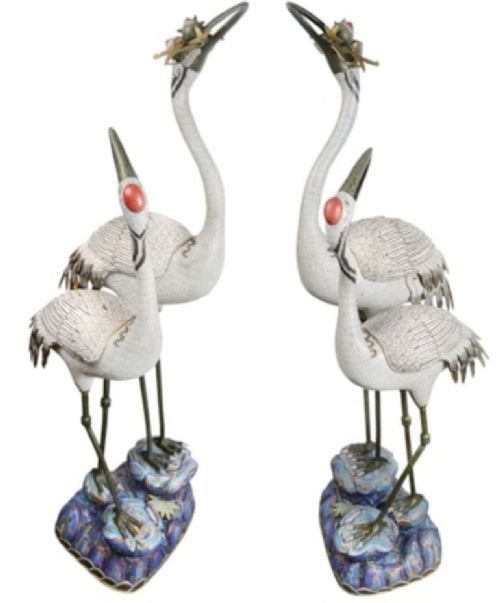
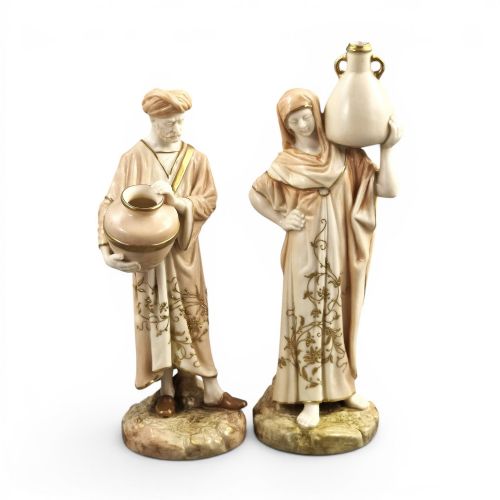
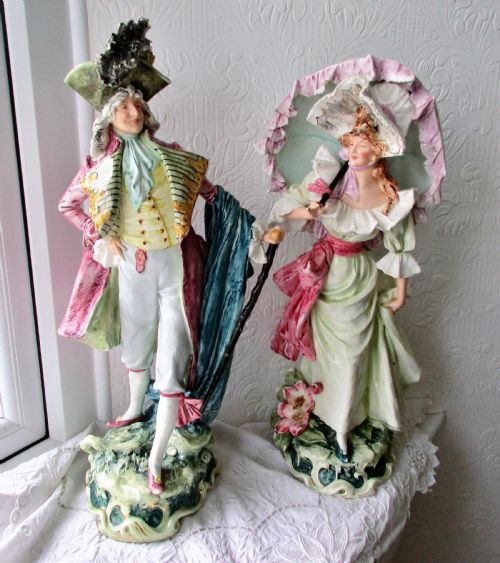
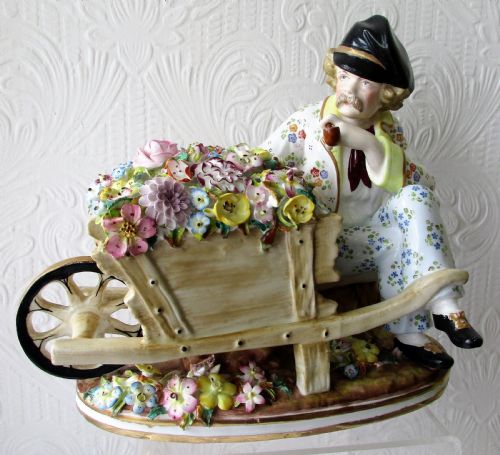
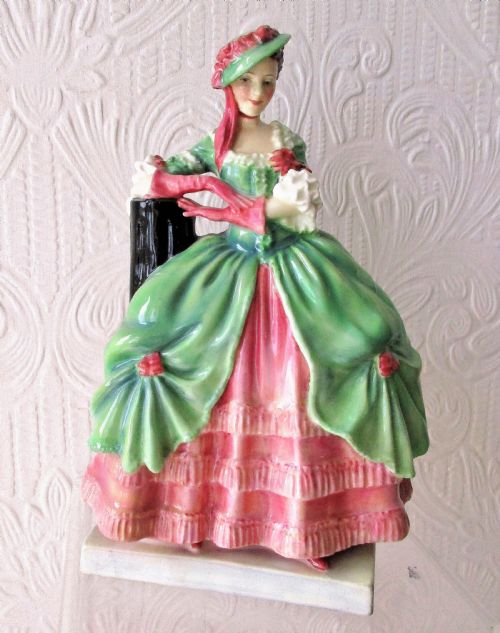
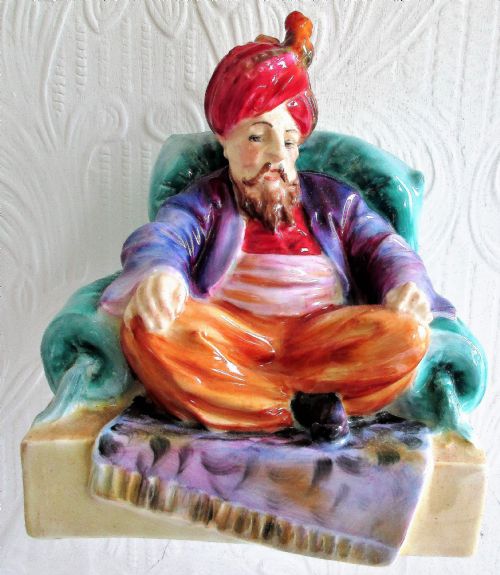
These decorative ceramic statues bring personality and character to a room, offering finely modelled figures ranging from nineteenth-century animals to twentieth-century dancers.
Decorative Ceramic Statues
Decorative ceramic statues encompass sculpted figures, birds, animals, and human representations modelled in clay, porcelain, and earthenware. When exploring decorative ceramic statues, buyers encounter pieces originating from European factories and Asian kilns spanning the nineteenth and twentieth centuries.
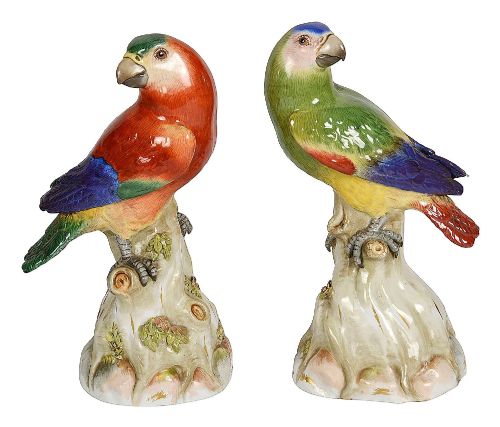
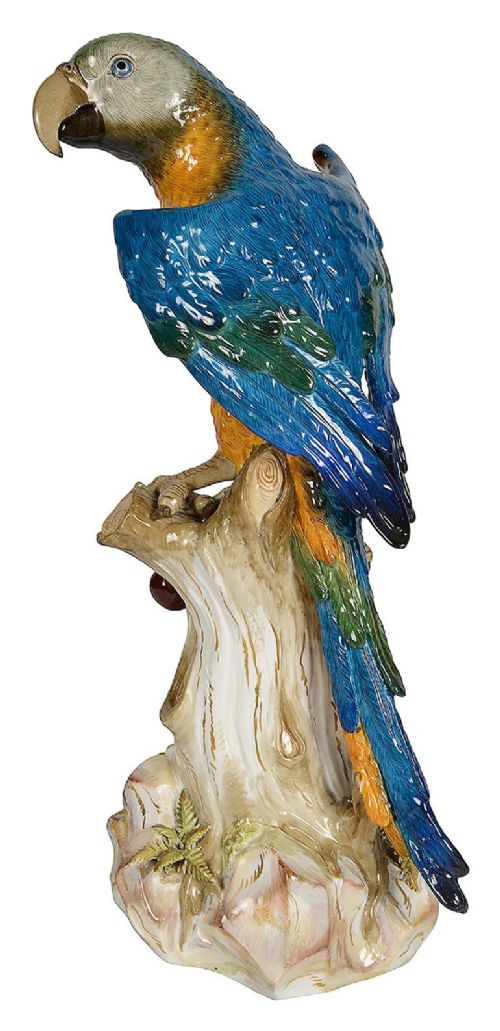
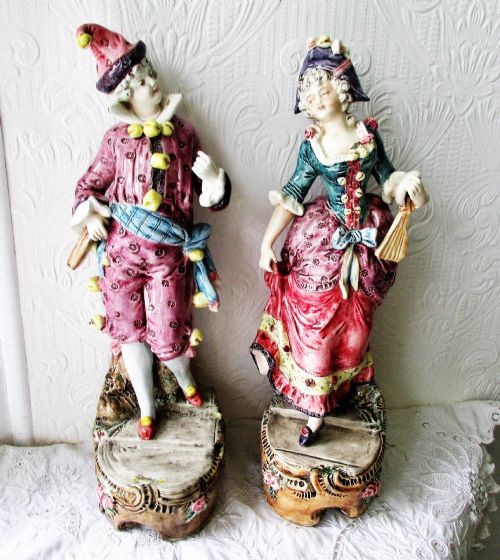
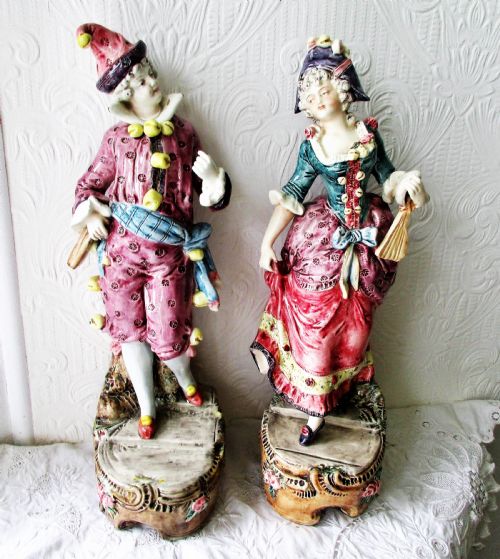
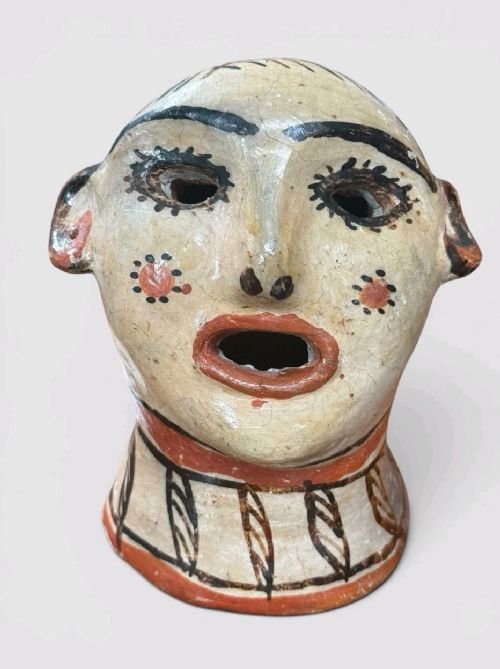
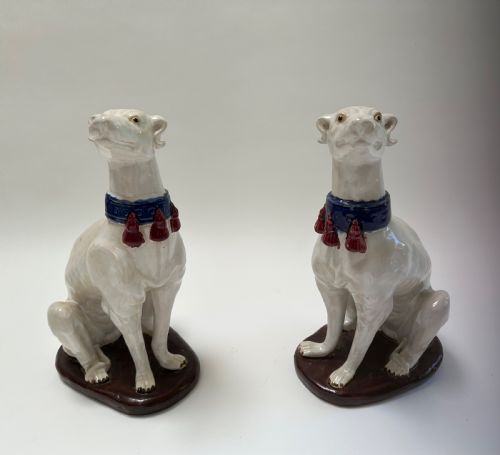
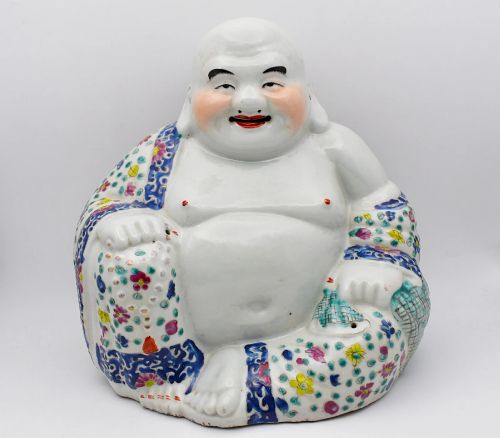
The selection on this page ranges from large Meissen parrots and French earthenware carnival figures to Chinese porcelain Buddha figures and Italian majolica dogs. These objects serve primarily as ornamental centrepieces and mantel figures rather than utilitarian vessels.
Figurines and larger sculptural busts dominate the available forms, reflecting both European revivalist styles and Asian export traditions. Collectors select these pieces to introduce texture, colour, and historical narrative into domestic interiors.
How they were made
Makers utilised porcelain, earthenware, terracotta, and hard-paste ceramic bodies, often shaping pieces through hand-sculpting or press-moulding techniques. Artisans applied coloured glazes, enamel decoration, and occasional gold leaf accents before firing the pieces in kilns.
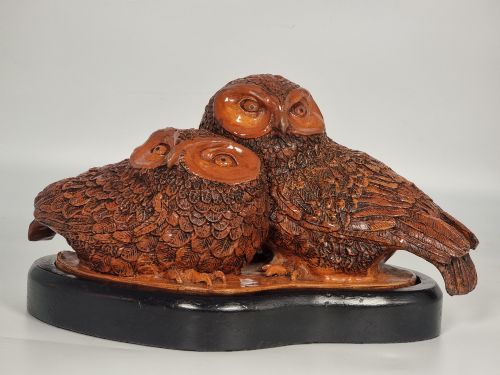
Surface finish defines much of the visual character, with workshops employing glossy glazes, matte biscuit porcelain, or sancai multi-coloured glazing. Bases sometimes received separate treatment, such as ebonised wooden mounts for ceramic animal studies.
Listings feature works spanning the nineteenth century through the 1960s, executed in porcelain, earthenware, terracotta, and biscuit porcelain.
What varies in quality
Quality rests upon the crispness of the modelling and the precision of the hand-painted details across faces, drapery, and feathers. Superior examples display subtle facial expressions and naturalistic postures rather than stiff or generic rendering.
The sophistication of the glaze application and the complexity of the kiln firing separate standard production items from ambitious sculptural works. Finer pieces maintain clean lines without glaze pooling or distortion acquired during high-temperature firing.
Nymphenburg·Meissen·Royal Worcester·Goldscheider·Royal Dux
The Decorative Ceramic Statues Glossary
- Biscuits
- Unglazed porcelain fired once to a porous state, offering a matte surface with a texture akin to fine marble. This finish became popular for nineteenth-century portrait busts and classical figures.
- Majolica
- Earthenware covered with an opaque tin-lead glaze that accepts bright metal-oxide colours for painting. Italian workshops utilised this technique to produce vibrant animal and figural sculptures.
- Sancai
- A three-colour lead-glazed pottery technique originating in China, traditionally employing amber, green, and creamy white tones. This glaze pools naturally across the contours of modelled horses, ducks, and guardian figures.
- Famille Rose
- A palette of opaque pink enamel introduced to Chinese porcelain decoration during the Qing dynasty. Artisans applied these soft floral and figural pigments over the fired glaze.
- Okimono
- A small Japanese carved or modelled decorative ornament designed for display on a household shelf or tokonoma. These figures frequently represent deities, folklore characters, or daily occupations.
Decorative Ceramic Statues: Frequently Asked Questions
Where should I display large ceramic statues?
Large figures and animal pairs suit stable, sturdy surfaces where their weight receives proper support, such as sideboards, console tables, or dedicated pedestals.
Positioning them away from high-traffic walkways protects delicate extremities and glazed surfaces from accidental knocks.
How do I clean antique porcelain figures?
Dust accumulated on detailed surfaces responds best to a soft, dry artist's brush that reaches into crevices without snagging delicate fingers or painted elements.
Avoid immersing antique ceramic pieces in water, particularly those with enamel decoration or unglazed biscuit surfaces that absorb moisture.
What is the difference between porcelain and earthenware?
Porcelain utilises refined white kaolin clay fired at extremely high temperatures until the body vitrifies into a dense, non-porous material.
Earthenware employs common clay fired at lower temperatures, resulting in a more porous structure that requires an impermeable glaze for stability.
How can I identify the age of a figure?
Makers' marks stamped, impressed, or painted on the underside offer the most reliable starting point for dating a ceramic statue to a specific factory period.
Stylistic cues such as costume details, glazing characteristics, and modelling conventions also help narrow down the decade of manufacture.