






Decorative Ceramic Charger Plate
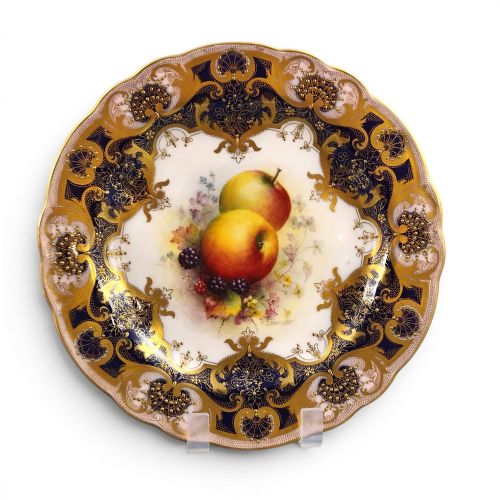
A decorative ceramic charger plate brings colour and presence to a room, serving as both a historical record and a focal point on a wall or cabinet.
Decorative Ceramic Charger Plate
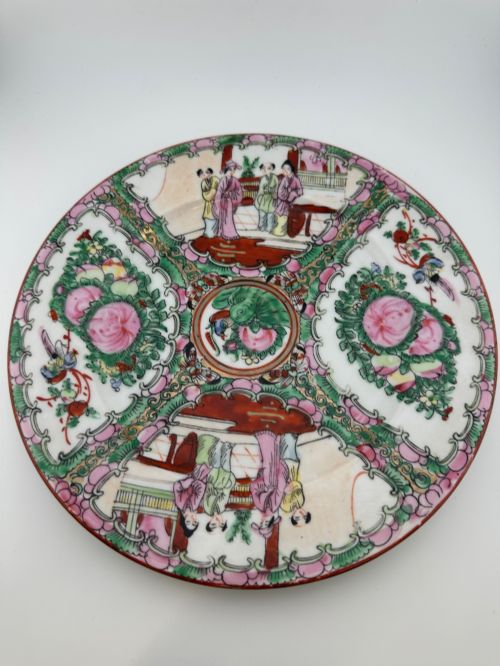
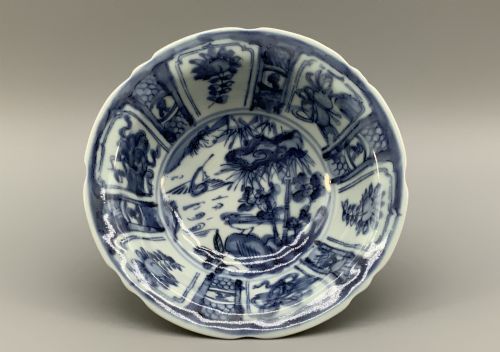
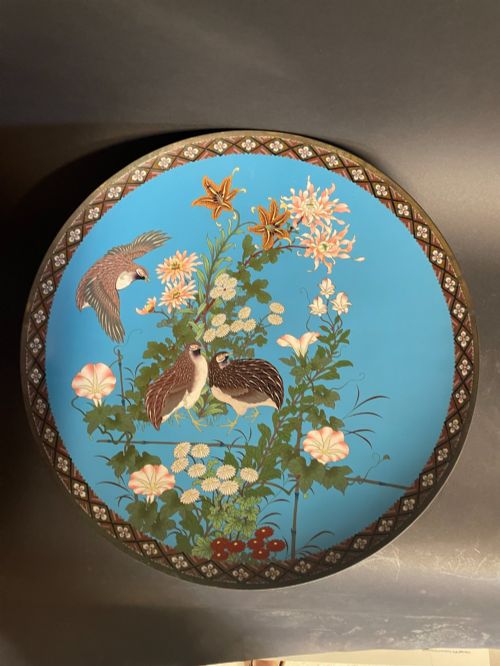
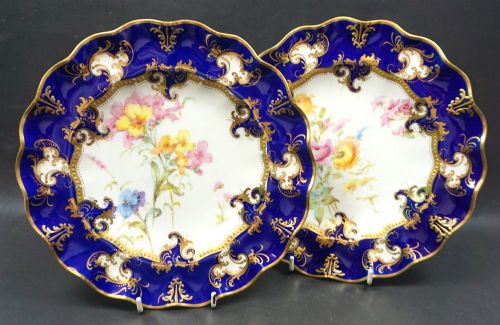
When searching for a decorative ceramic charger plate, collectors encounter a diverse range of large display dishes originating from European potteries and East Asian kilns. These substantial vessels were traditionally designed for ceremonial dining or visual display rather than everyday service.
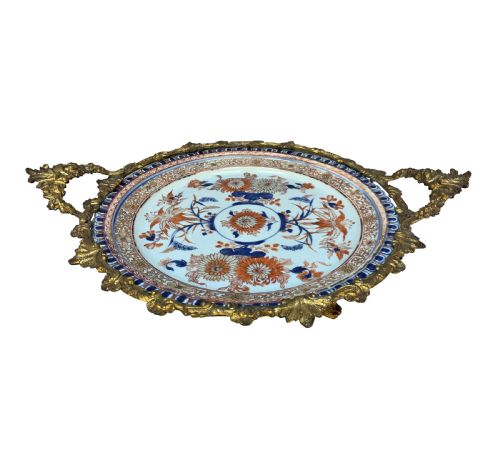
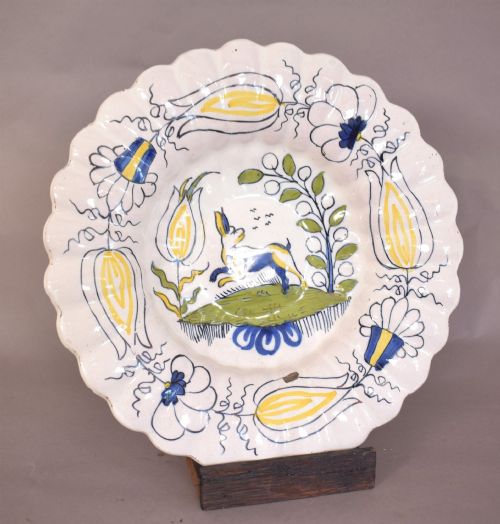
The selection on this page leans heavily towards Japanese Imari pieces from the Meiji period and Dutch or French tin-glazed earthenware chargers from the eighteenth century. Alongside these, buyers find English ironstone, French soft-paste porcelain, and Continental faience.
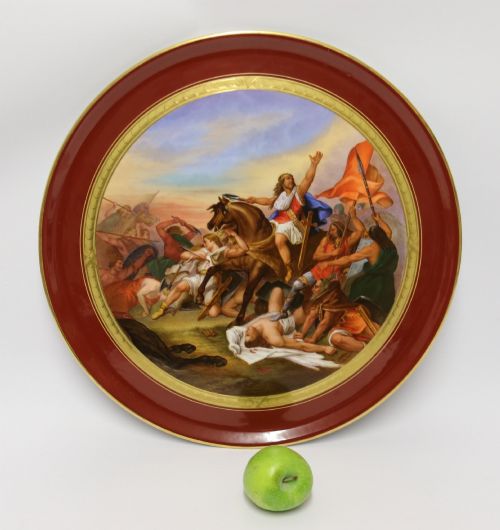
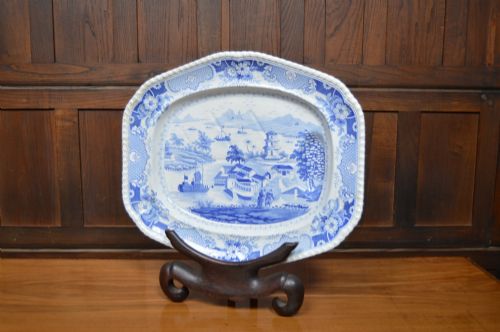
Forms vary from classic circular platters with scalloped edges to square plates, lobed bowls, and framed ceramic plaques. Their origins span Staffordshire potteries, Arita kilns, and Sèvres, reflecting centuries of global trade and aesthetic exchange.
How They Were Made
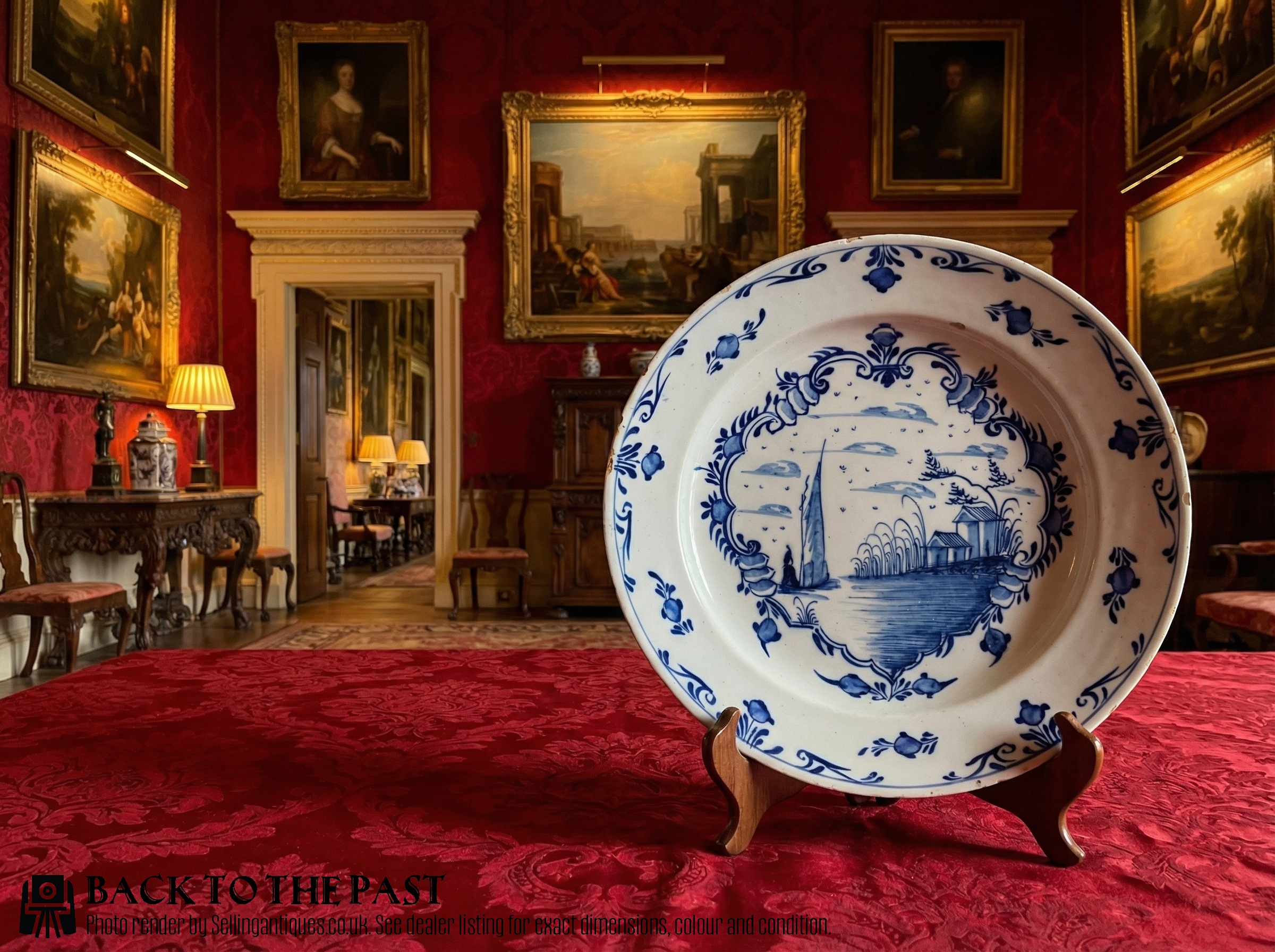
Potters utilised earthenware, stoneware, and porcelain bodies, shaping them on the wheel or pressing them into moulds before firing. Tin-glazed earthenware received an opaque white glaze that provided a smooth surface for hand-painted mineral pigments.
Decoration relied on underglaze blue, polychrome enamels, and occasionally gold leaf or ormolu mounts to elevate the status of the piece. Japanese wares utilised intricate hand-painted motifs, while European factories employed transfer printing or master painters for detailed pictorial scenes.
Listings span from the seventeenth century through to the mid-twentieth century, uniting Japanese Arita porcelain with European faience and English ironstone.
What Varies in Quality
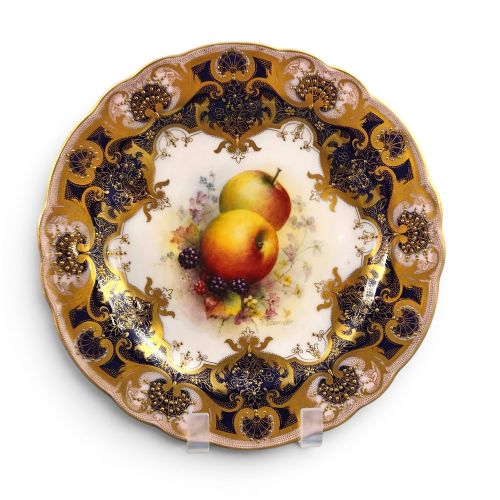
Quality rests in the crispness of the hand-painted brushwork, the depth and stability of the glaze, and the sophistication of the composition. Master painters at factories like Royal Worcester or Sèvres achieved a level of fine detail that elevates a functional ceramic into a pictorial artwork.
The weight of the porcelain body, the symmetry of a scalloped edge, and the preservation of polychrome enamels or gilding determine the standing of an individual charger. Early examples display the subtle imperfections of manual production that distinguish authentic period pieces from later copies.
Koshida·Royal Crown Derby·Royal Worcester·John Davenport of Longport·Copeland Pottery·Desvres
The Decorative Ceramic Charger Plate Glossary
- Charger plate
- A large decorative plate traditionally used beneath smaller course plates or displayed independently on walls and cabinets.
- Imari
- A style of Japanese porcelain featuring a distinct palette of underglaze blue, iron red, and gold, widely imitated in Europe.
- Tin-glazed earthenware
- Pottery covered with a glaze containing tin oxide, producing an opaque white surface suitable for painted decoration.
- Soft-paste porcelain
- A ceramic composition made from clay and glass frit, fired at lower temperatures than true hard-paste porcelain.
- Faience
- European tin-glazed earthenware, particularly associated with French, Dutch, and Spanish traditions.
Decorative Ceramic Charger Plate: Frequently Asked Questions
How were charger plates used?
Historically, large chargers served as ornamental centerpieces on dining tables or sat beneath service plates during formal banquets to mark status and wealth.
Over time, owners transitioned these heavy dishes to wall displays or cabinet shelves, utilising wire hangers and stands to showcase the painted surfaces.
How do I hang a heavy charger?
Wall display requires a spring-loaded brass or coated-wire plate hanger sized specifically to the diameter and rim depth of the ceramic piece.
Ensure the hanger grips the rim securely without putting undue pressure on historic glazes or fragile scalloped edges before securing it to a wall stud.
How do I date a Delft charger?
Eighteenth-century Dutch and English Delft chargers often feature unglazed foot rims that reveal porous earthenware bodies, along with subtle warping from wood-fired kilns.
Brushwork on older pieces tends to show softer edges and variation in the cobalt blue pigments compared to later nineteenth-century revivals.
What is the difference between Imari and Arita?
Arita is the Japanese town and production region where the porcelain clay was mined and fired in the Saga Prefecture during the Edo and Meiji periods.
Imari refers to the port town from which these distinctive blue, red, and gold decorated porcelains were shipped to Europe and the rest of the world.