



Decorative Ceramic Bottle Vase
These decorative ceramic bottle vase examples bring together centuries of global pottery traditions, offering distinctive shapes that suit any interior.
Decorative Ceramic Bottle Vase
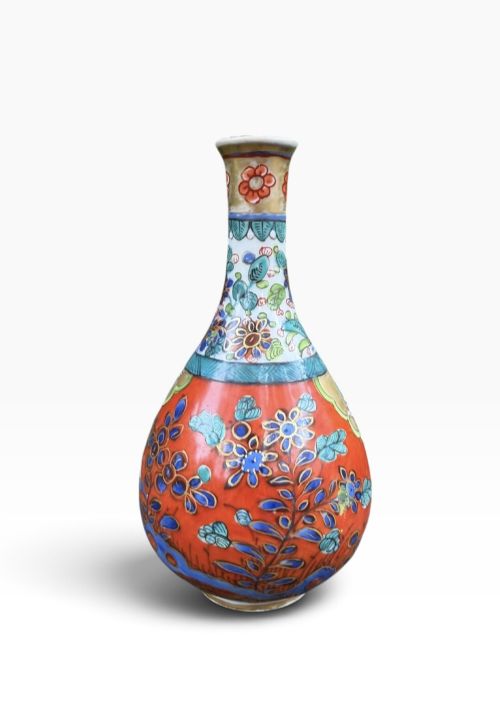
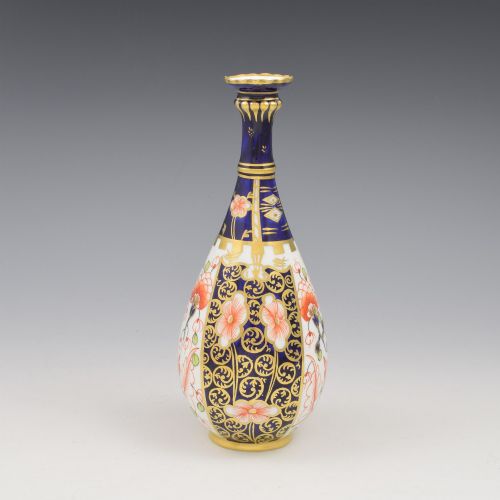
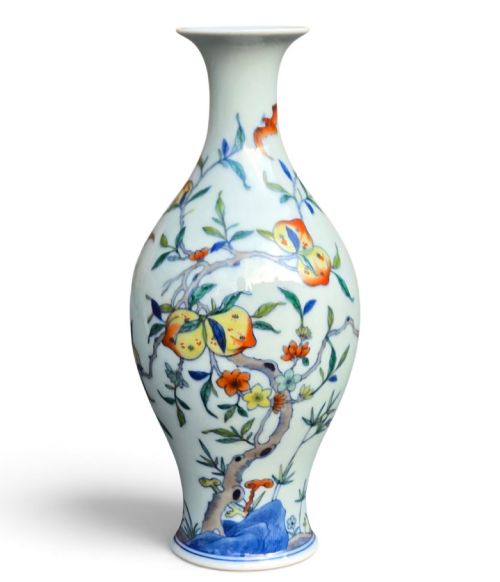
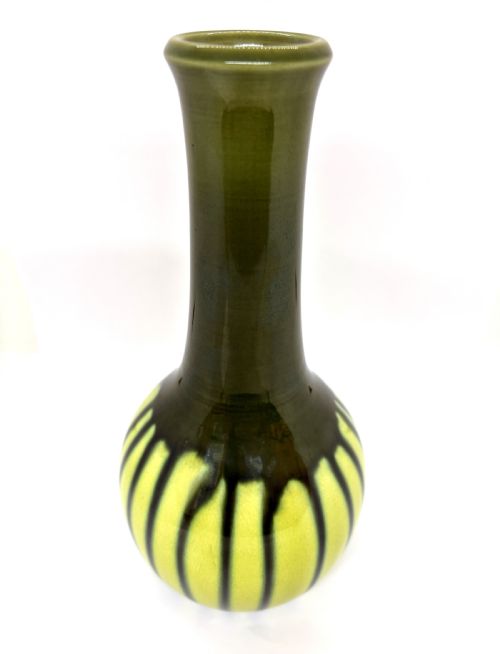
A decorative ceramic bottle vase is a vessel defined by a narrow neck and an expanded body, appearing across multiple eras from the eighteenth century to the twentieth century. These pieces encompass various forms including pilgrim flasks, moon flasks, and traditional bottle shapes with flaring necks.
The selections available here span diverse cultural traditions, ranging from English porcelain and studio pottery to Italian maiolica and East Asian porcelains. Buyers encounter works influenced by styles such as Art Nouveau, Art Deco, Italian Baroque, and the Arts and Crafts movement.
Functional origins vary among these objects, with some designed as utilitarian containers or rose water sprinklers before transitioning into purely decorative display items. The enduring appeal lies in the contrast between slender necks and generous bodies, which provides a striking silhouette for interior presentation.
Materials and construction
Makers utilised fundamental earthen materials such as stoneware, earthenware, and porcelain, shaping them on the wheel or moulding them into complex vessel geometries. Glazes, tin glaze, and enamel provide the primary surfaces, often enriched with cobalt pigments or applied gold leaf.
Firing techniques determined the final appearance of the body, allowing for smooth vitreous surfaces in porcelain or textured, absorbent finishes in traditional earthenware. Surface decoration ranges from hand-painted polychrome scenes to lustrous metallic sheens fixed during secondary kiln firings.
Decorative Ceramic Bottle Vase Retail Price Guide 2026
Typical asking prices for decorative ceramic bottle vase among the pieces listed under this phrase on Sellingantiques today, from the lower quarter to the upper quarter. They describe what is for sale here now, not the wider market.
Listings incorporate nineteenth-century porcelain and stoneware alongside twentieth-century studio pottery and earthenware.
Evaluating quality and execution
The standard of execution rests heavily on the control of the glaze and the precision of the painted or moulded ornament. Superior examples exhibit deliberate balance between the proportions of the neck and the body, alongside crispness in applied or incised decorative motifs.
Provenance and studio attribution also distinguish notable pieces, particularly those bearing recognised factory marks or individual artist signatures. The harmony of the decorative palette, whether rich cobalt blue or complex polychrome enamel, dictates the visual impact of the finished vessel.
Flight Barr and Barr·Doulton Lambeth·Royal Lancastrian·Roger Guerin
The Decorative Ceramic Bottle Vase Glossary
- Maiolica
- Tin-glazed earthenware produced in Italy, known for vibrant polychrome painting and opaque white surfaces. This technique dates back to the Renaissance and continued through the eighteenth century.
- Moon flask
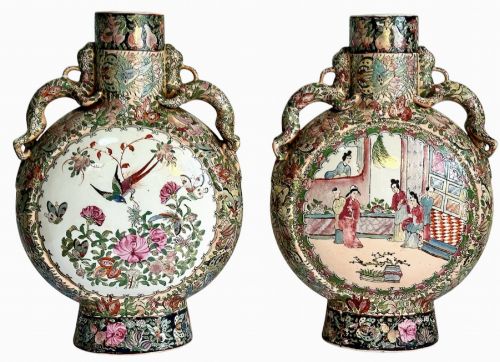
- A flattened circular flask with a short neck and small handles, frequently associated with Chinese ceramic forms. These vessels often rest on a small oval foot.
- Lustre
- A type of ceramic glaze that imparts a metallic sheen through a reduction firing process. This finish reflects light with iridescent copper or gold tones.
- Pilgrim flask
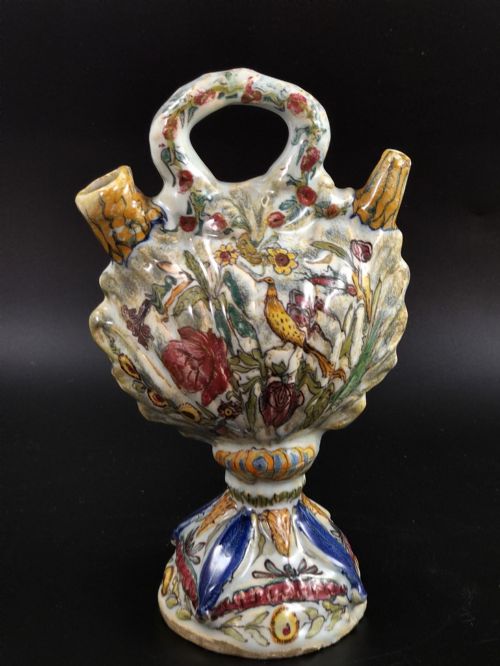
- A travel vessel shape with flattened sides and suspension loops, later adapted purely for decorative display. Italian examples often feature shell motifs.
- Famille rose
- A palette of Chinese porcelain enamels dominated by opaque pink or rose colours, introduced during the Qing dynasty. The style gained immense popularity in European collections.
Decorative Ceramic Bottle Vase: Frequently Asked Questions
How do I display a bottle vase?
These vessels suit placement on mantels, sideboards, or open shelving where their upright profiles create vertical interest. Their narrow openings mean they work best on their own as sculptural objects rather than functional flower holders.
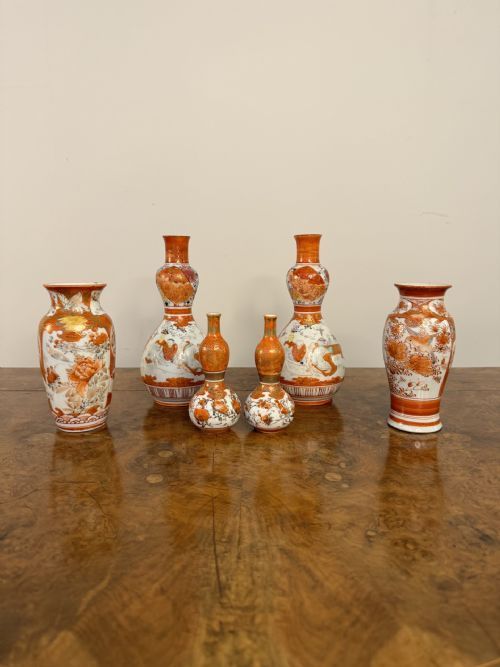
Grouping pieces of differing heights or contrasting glazes can also create an effective focal point in a room. Ensure they rest on stable, level surfaces away from heavy traffic areas to protect delicate ceramic edges.
What is a pilgrim flask?
A pilgrim flask is a traditional container design featuring a flattened body and handles used originally for carrying liquids on journeys. Over time, potters adapted the shape into an ornamental form valued for its balanced geometric symmetry.
On this page, examples range from Italian maiolica versions to Chinese moon flasks created in this enduring tradition. Their distinctive flat surfaces provide an ideal canvas for narrative painting and decorative motifs.
How do I identify the period?
Dating ceramic vessels involves examining the material body, glaze characteristics, and any factory marks or signatures stamped on the base. Stylistic clues such as Art Nouveau curves or Art Deco geometries also point towards specific manufacturing decades.
Comparing the potting technique and the composition of the glaze against documented examples helps narrow down the era of production. Documentation or historical provenance can further confirm the age of an antique piece.
Are these vases waterproof?
Many antique ceramics, particularly porous earthenware or historic tin-glazed pieces, are not guaranteed to hold water safely. Micro-fissures in aged glazes can allow moisture to seep through to the ceramic body over time.
It is generally safest to use these vessels for dry display or utilise a discreet internal container if holding fresh stems. Preserving the interior keeps the historical fabric of the ceramic stable.