
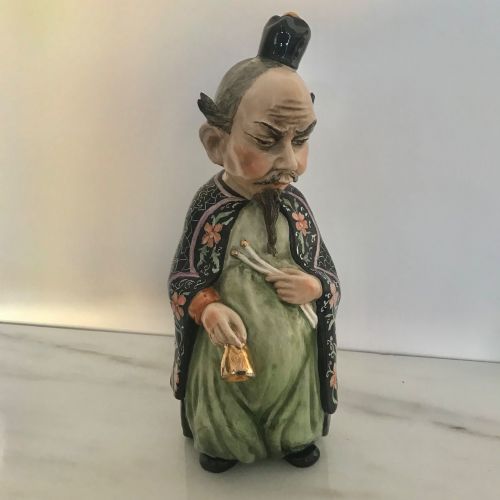
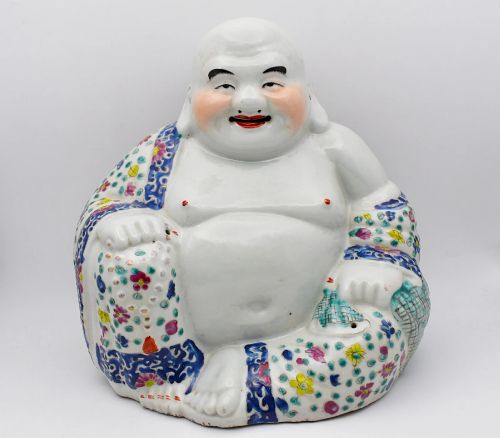


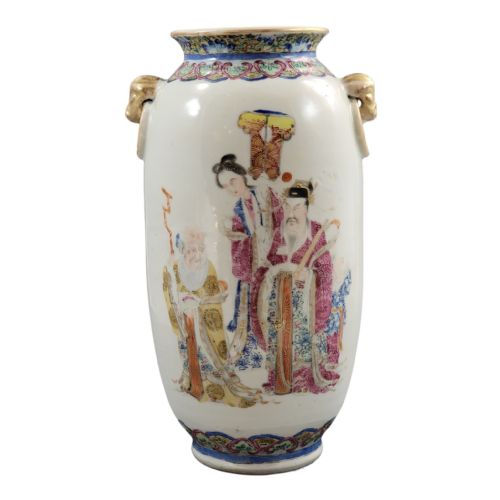


Figure Painted Chinese Ceramic
Figure painted chinese ceramic objects bring narrative scenes and traditional motifs directly onto porcelain and pottery.
Figure Painted Chinese Ceramic
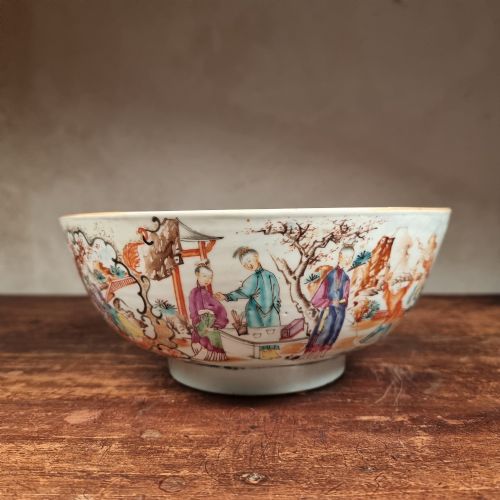
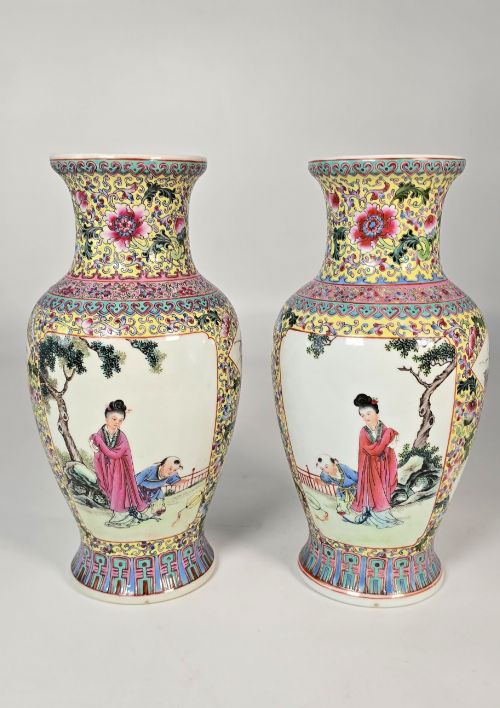
A figure painted chinese ceramic piece typically presents scholars, officials, and immortals rendered across porcelain vessels, bowls, and snuff bottles. These works span multiple centuries, capturing dynasties from the Tang through the Qing period alongside later Republican era pieces.
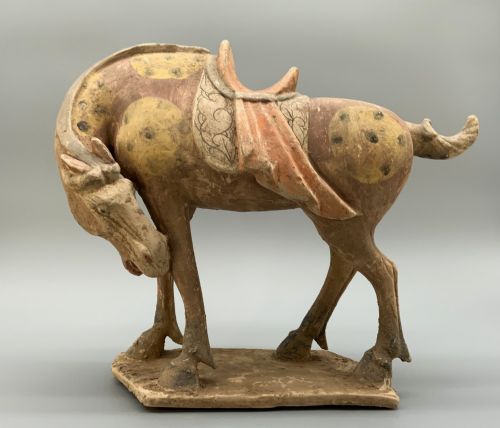
Buyers encountering this selection regularly meet nineteenth century famille rose vases, brush pots, and table lamps bearing hand enamelled decoration. Alongside these, earlier terracotta items and export porcelain cups demonstrate how figural scenes migrated across different ceramic bodies over time.
The forms range from utilitarian vessels adapted into lamps to dedicated display objects like decorative figures and statues. Each piece uses the ceramic surface as a canvas for detailed pictorial narratives involving historical and mythological subjects.
Materials and production methods
Potters shaped these objects using hard-paste porcelain, soft-paste porcelain, or terracotta, applying mineral pigments and glazes before firing. Artisans utilised overglaze enamel decoration, famille rose palettes, and traditional blue and white pigments to build up complex figurative compositions.
Certain vessels integrate additional embellishments such as gold leaf accents and sancai glazes to highlight specific robes, vessels, and architectural elements within the painted scenes. Kiln workers controlled firing temperatures to fix both underglaze cobalt and delicate overglaze enamels to the ceramic body.
Listings feature porcelain, terracotta, and soft-paste porcelain across centuries ranging from early Tang pottery to twentieth century Republican period works.
Distinctions in execution
The refinement of the brushwork separates standard production from superior examples, visible in the articulation of facial expressions and the drape of scholar robes. Master painters achieved greater depth and precision in the rendering of eyes, hands, and ornamental details on figures like Budai and Shoulao.
The clarity and saturation of the enamel palette dictate visual impact, with high quality pieces exhibiting clean separations of colour without bleeding. The underlying porcelain body also matters, where thinner walls and smoother glazes indicate more demanding manufacturing standards.
Zhu Mao Ji·Gao Hengsheng·Jingdezhen
The Figure Painted Chinese Ceramic Glossary
- Famille rose
- A major palette of opaque overglaze enamel colours introduced in the Qing dynasty, dominated by pink and rose shades derived from colloidal gold. This palette allowed painters to achieve nuanced tonal gradations in figure robes and floral backgrounds.
- Famille verte
- A green enamelled palette predominant in the Kangxi period, utilising vibrant greens alongside iron red, yellow, and blue. It creates high contrast decorative schemes on vases and plates.
- Bitong
- A cylindrical brush pot used by scholars for holding writing brushes on a desk. Examples in porcelain frequently carry figural narratives around the exterior wall.
- Mingqi
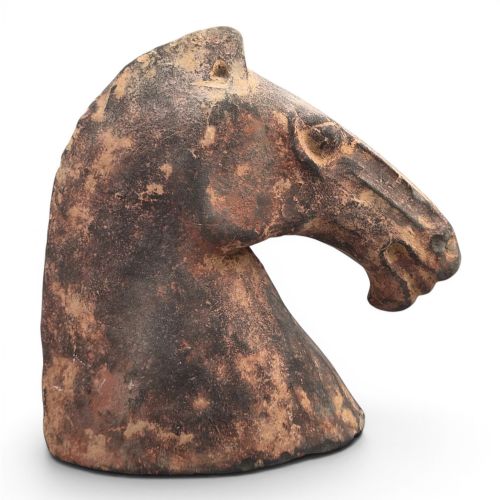
- Burial goods and tomb figures placed in tombs to accompany the deceased, such as terracotta horse heads and attendants. These items reflect ancient funerary practices.
- Sancai
- A three colour lead glaze technique typical of the Tang dynasty, combining amber, green, and cream or white tones. It frequently coats pottery horses and figures.
Figure Painted Chinese Ceramic: Frequently Asked Questions
How do I identify a Qing dynasty vase?
Examine the base for reign marks or stylistic indicators such as famille rose enamel work and dense scholar motifs. The weight of the porcelain and the treatment of the foot rim also help indicate the period of manufacture.
Compare the style of the figure painting against known nineteenth century examples to confirm whether the piece belongs to the late Qing period or a later revival.
What is a Mingqi tomb figure?
Mingqi are burial objects placed in ancient tombs to serve the deceased in the afterlife. They often take the form of terracotta horses, animals, or attendants.
These pieces originate from early dynasties and provide insight into ancient sculpture techniques and ritual customs.
How should I clean porcelain table lamps?
Dust the ceramic body gently with a dry, soft microfiber cloth to prevent the accumulation of dirt on the enamel surface. Avoid using chemical cleaners or soaking the fitted electrical components.
Keep porcelain pieces away from direct sunlight to preserve the vibrancy of overglaze enamels and gold leaf highlights over time.
What do scholar scenes represent?
Scholar scenes depict traditional figures engaged in scholarly pursuits, contemplation, or leisure in garden settings. These narratives draw on Chinese history, philosophy, and folklore.
Figures such as immortals and sages symbolise longevity, prosperity, and wisdom, making them common subjects for decorative ceramics.