
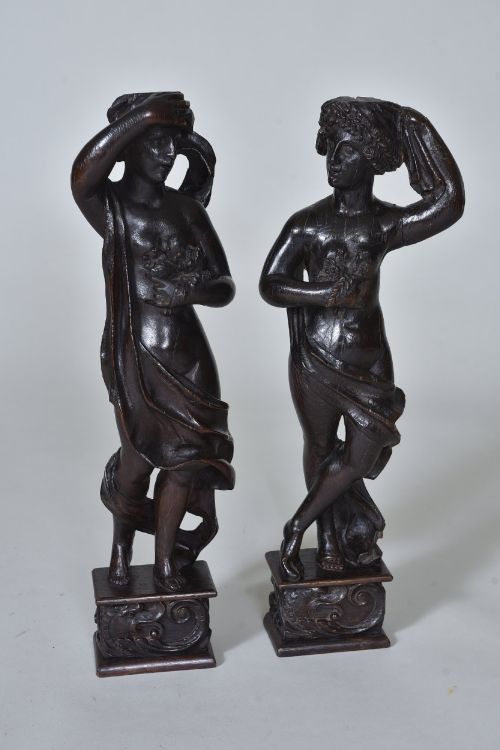
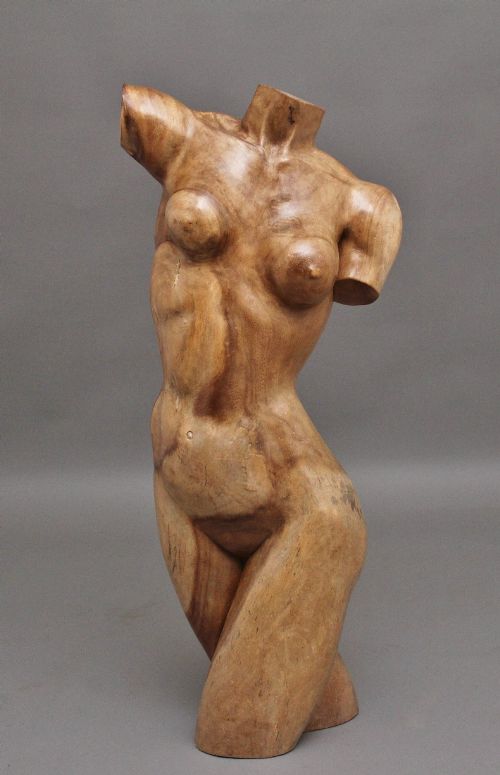
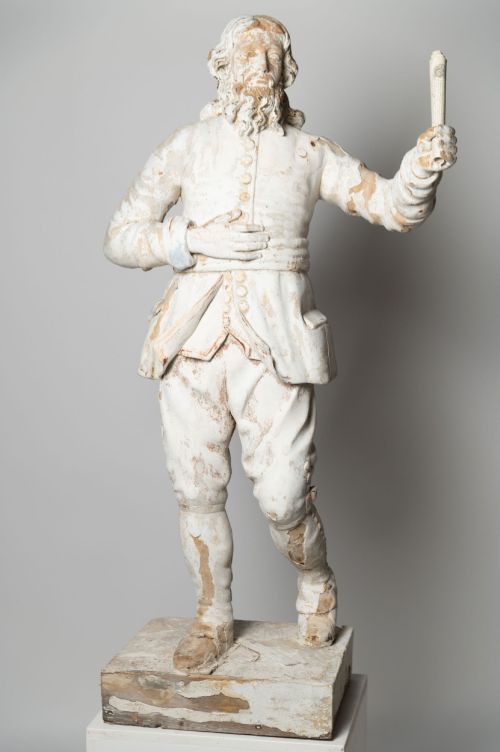
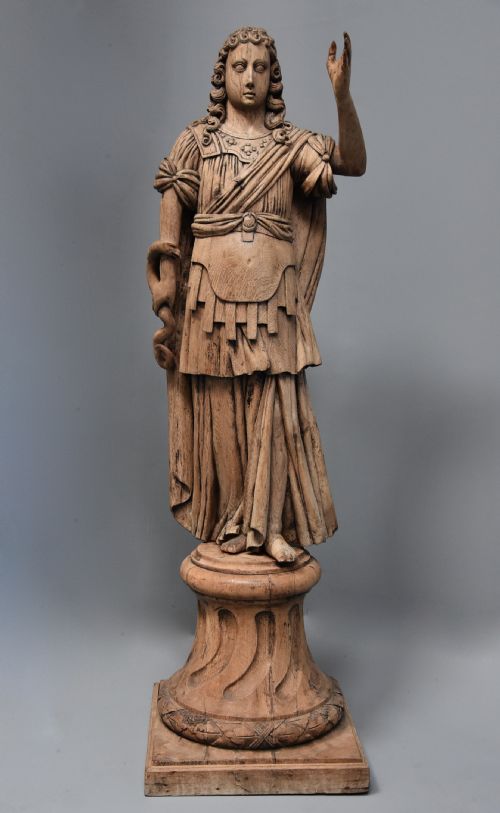

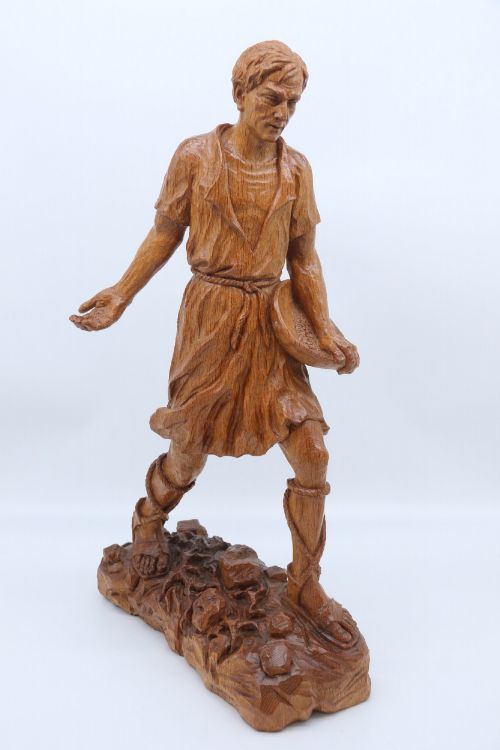


Decorative Carved Wooden Figure
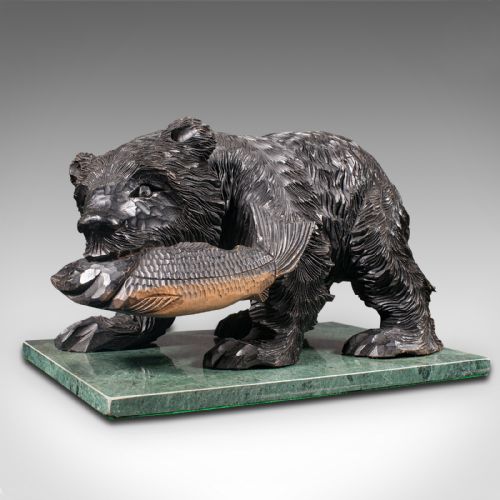
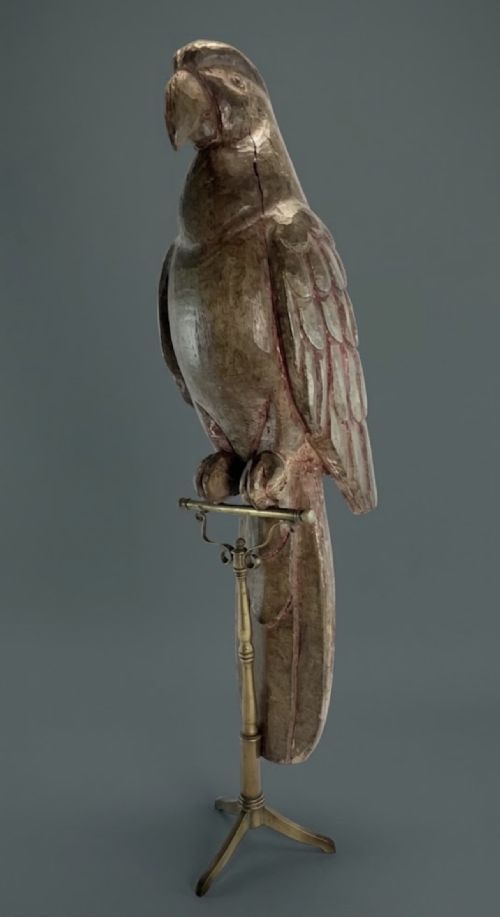
A decorative carved wooden figure brings immediate character to a room, ranging from folk art animals to gilded figures.
Decorative Carved Wooden Figure
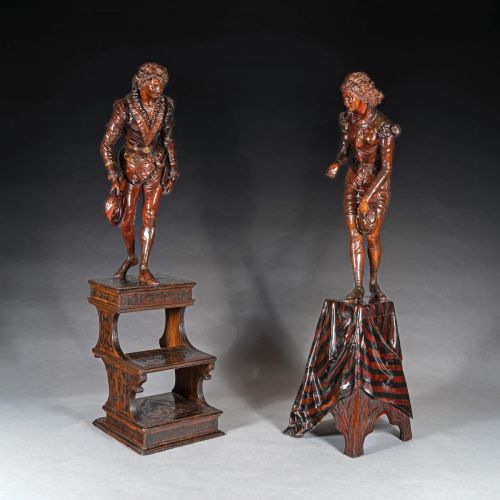
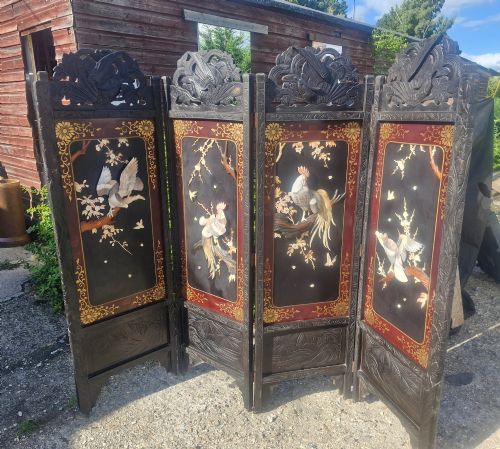
A decorative carved wooden figure covers a wide span of sculptural forms, from animal studies and human torsos to architectural fragments and folding screens. When searching for a decorative carved wooden figure, buyers encounter examples originating from European, Asian and Anglo-Indian workshops across several centuries.
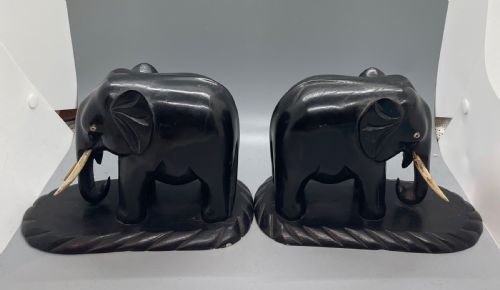
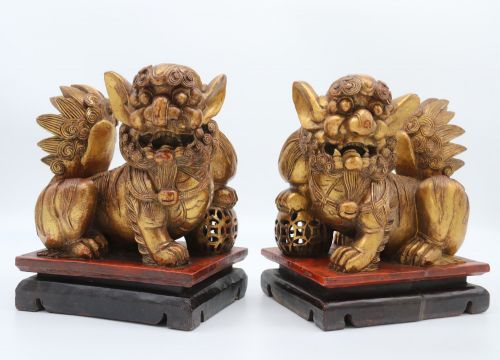
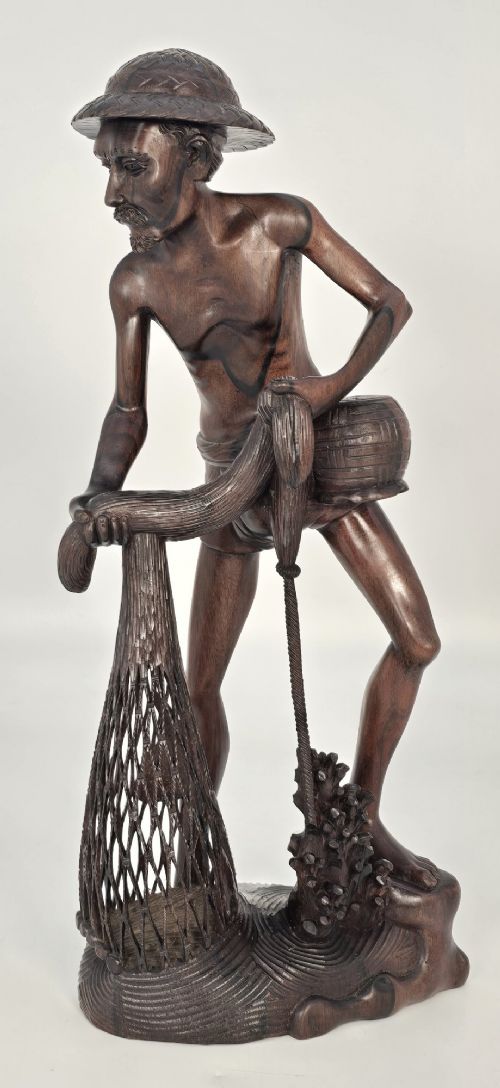
The selections on this page draw heavily from the nineteenth and early twentieth centuries, alongside earlier Continental oak carvings and Georgian works. Forms range from life-size human figures and religious lions to functional bookends, floor lamps and fairground ride fragments.
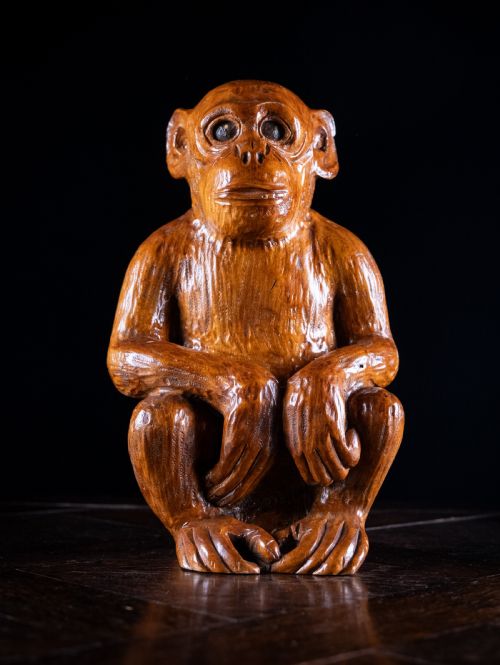
Continental pieces often lean towards Venetian Baroque styles with polychrome paint and gilding, while other items showcase folk art traditions, Art Deco animals and intricate Asian hardwood carvings.
What varies in quality
Original surface treatments, such as untouched polychrome paint, giltwood layers and natural patination, elevate a piece significantly above examples stripped or repainted in later periods.
Listings span from the sixteenth century through to the Art Deco era, encompassing oak, ebony, limewood, and painted hardwoods.
Valentino Besarel·Hans Müller
The Decorative Carved Wooden Figure Glossary
- Polychrome paint
- Decoration applied in several colours directly onto the wooden surface. This technique frequently appears on Venetian and Continental figures.
- Giltwood
- Timber coated with a thin layer of gold leaf or gold paint. It provides a reflective, ornate finish often found on Baroque and decorative carvings.
- Folk art
- Utilitarian or decorative objects created by self-taught or traditional artisans. These pieces prioritise expressive charm over academic precision.
- Hardwood
- Dense timber derived from broad-leaved deciduous trees. It allows for intricate, sharp detailing in sculptural works.
Decorative Carved Wooden Figure: Frequently Asked Questions
How do I clean a carved wooden figure?
Dust the surface gently with a soft, dry brush to prevent dirt accumulation in carved recesses. Avoid using liquid cleaners or polishes that might degrade original paint or gilt layers.
For pieces with delicate finishes like gold leaf or polychrome, professional advice is recommended before undertaking any form of conservation.
Where should I place these figures at home?
Large life-size sculptures and figures on pedestals suit entrance halls or empty corners where they command attention. Smaller items like bookends, animal carvings and relief panels sit comfortably on desks, mantels and bookshelves.
Keep wooden figures away from direct sunlight and heat sources to prevent the timber from drying out and cracking.
How do I identify a Venetian blackamoor figure?
Venetian figures typically feature ornate polychrome and parcel-gilt decoration, often depicting attendants or gondoliers in elaborate historic attire. They frequently stand on integral bases and date from the nineteenth or early twentieth century.
Look for skilled detailing in the drapery and the characteristic rich palette associated with Venetian workshops.
What indicates an earlier eighteenth-century oak carving?
Earlier oak carvings display deep, robust hand-tool marks and dense, heavy timber grain developed over centuries. The style often reflects Baroque or vernacular traditions without the machine precision of later eras.
Inspect the back and underside for construction methods and natural shrinkage that confirm genuine age.