
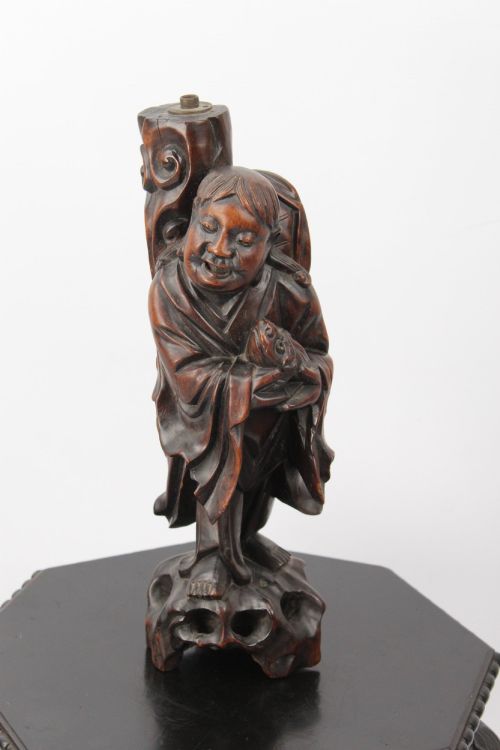
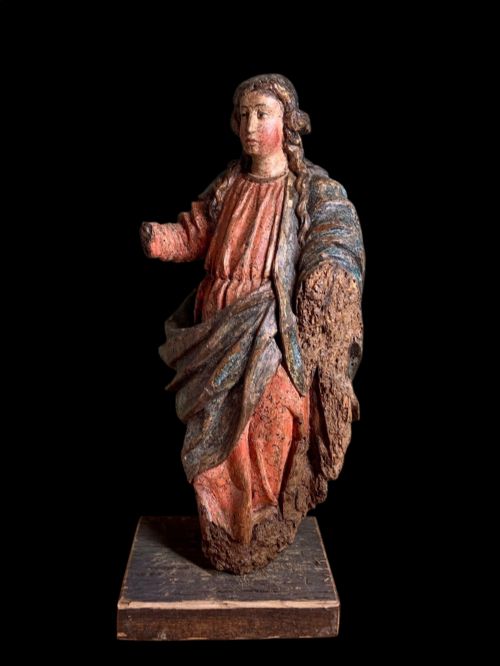
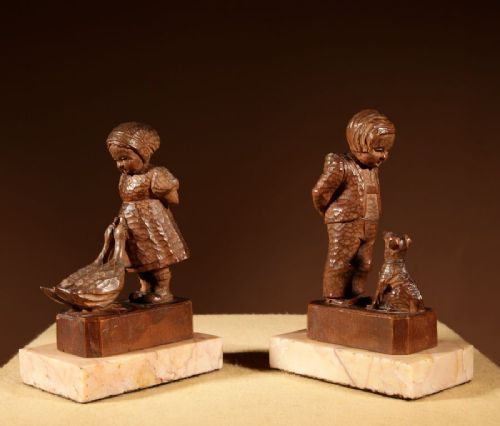
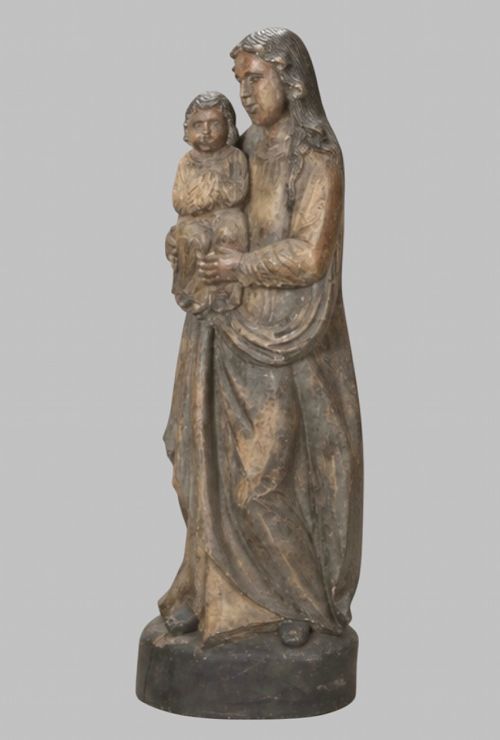
Brown Carved Wood Statue
A brown carved wood statue brings warmth and character to an interior, drawing the eye with rich textures and hand-wrought detail.

Brown Carved Wood Statue
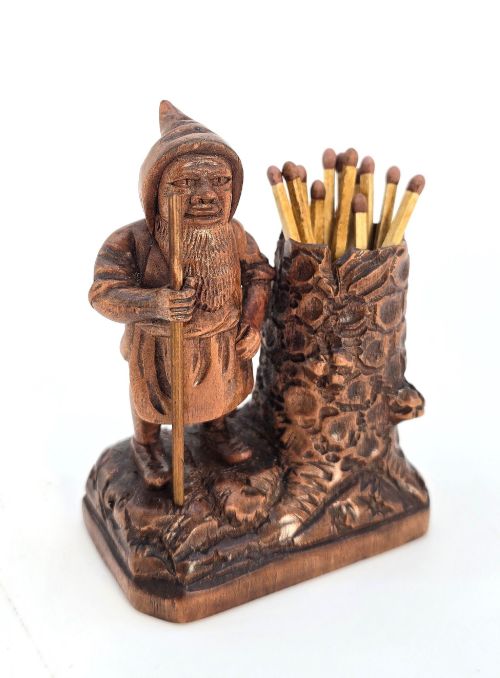
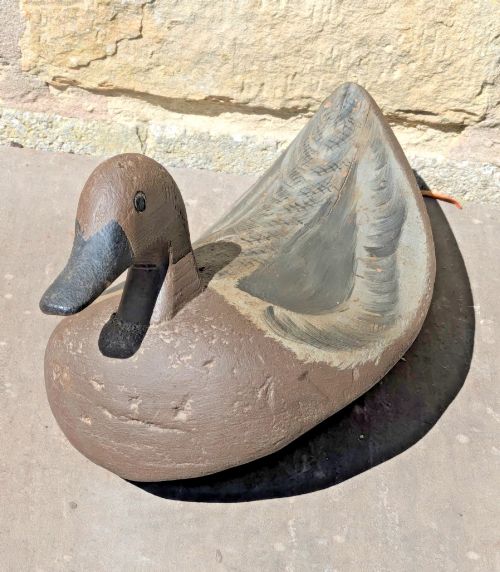
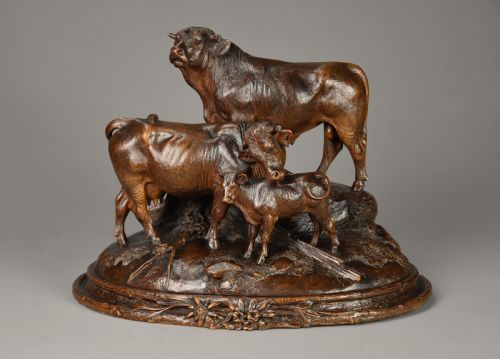
Every brown carved wood statue on this page reveals the hand of a maker, shaped from timber across the eighteenth, nineteenth and early twentieth centuries. These pieces encompass figural sculptures, devotional saints, animal studies and folk art carvings originating from European workshops, Asian dynasties and African traditions.
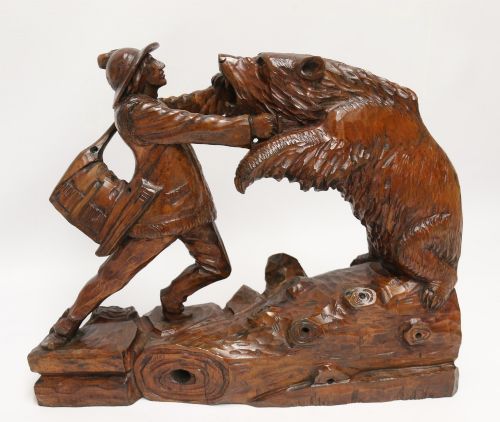
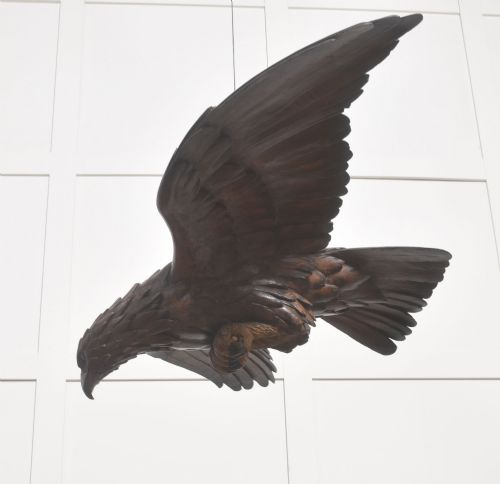
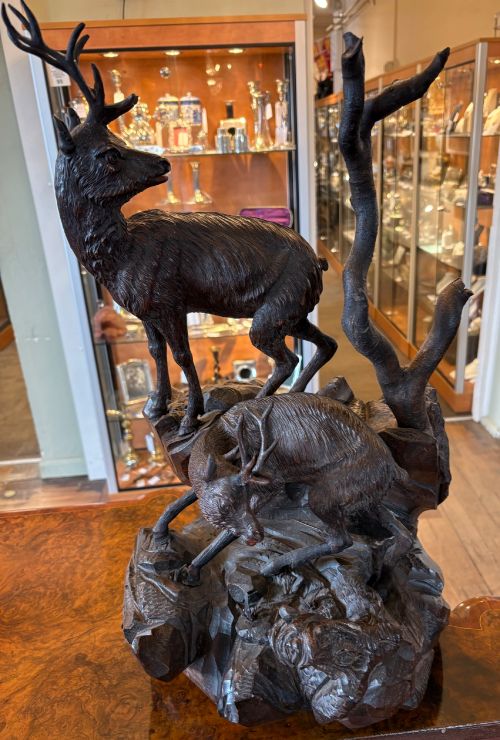
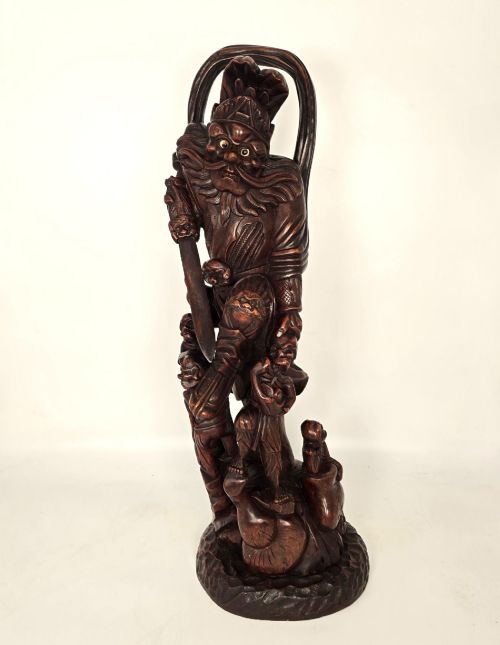
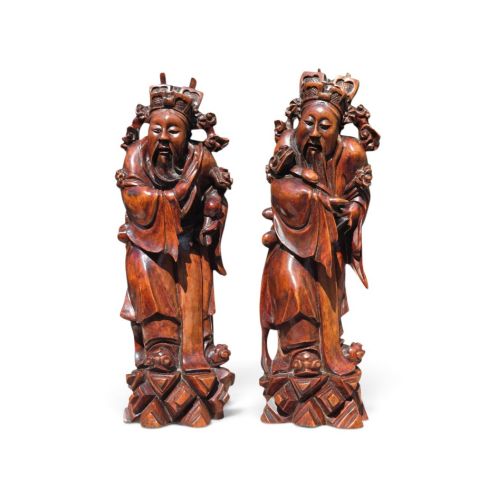
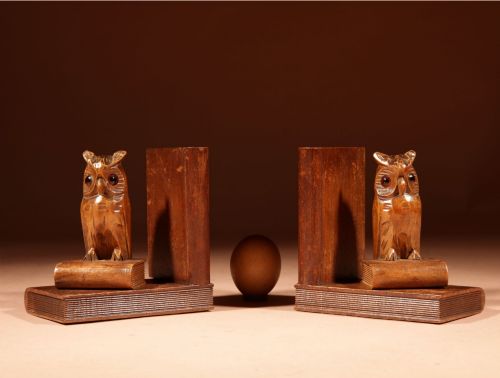
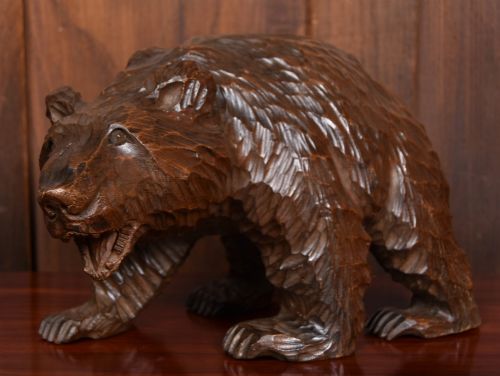
The most common examples you will encounter include Swiss Black Forest bears and wildlife groups, Chinese hardwood deities, and European oak or walnut religious figures. These objects served varied roles, from domestic decorative bookends and tobacco holders to temple guardians and shrine centerpieces.
Makers utilised timber varieties suited to their region and purpose, producing forms that range from naive folk carvings to monumental life-size sculptures. The selection spans distinct cultural movements, uniting diverse global traditions through the medium of worked wood.
Materials and construction methods
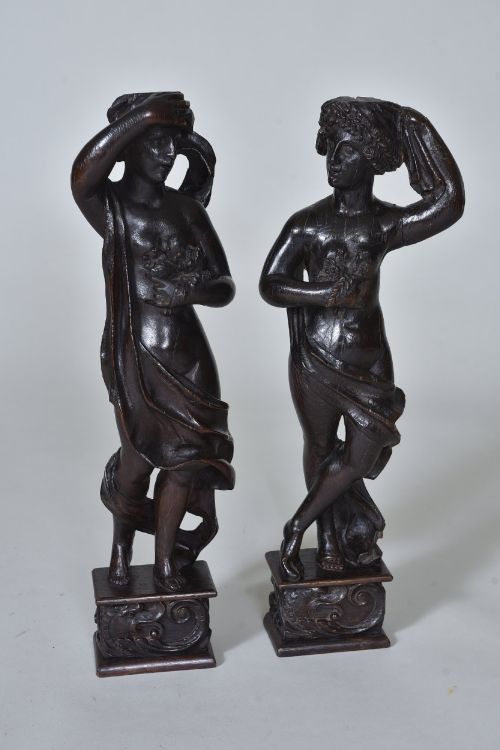
Artisans carved these figures primarily from dense hardwoods, walnut, oak, boxwood, teak and linden wood, selecting timber with tight grain and warm natural tones. Many pieces retain traces of original paint, polychrome decoration, lacquer or mixed metal mounts that complement the carved surfaces.
The carving process relied on chisels and gouges to build depth, muscular form and intricate texture, whether depicting the fur of a bear, the folds of a saint's robes or the scales of a dragon sculpture. Finished surfaces often received wax polish to nourish the wood and enhance its dark patina.
Several bears hold pipes or tobacco, reminding us that Victorian carvers enjoyed a quiet joke in the woods.
Evaluating craftsmanship and age
Quality rests in the anatomical precision, depth of undercut and vitality of expression achieved by the carver. Finer examples display confident tool marks and convincing proportions, whereas simpler folk art pieces rely on naive charm and direct execution.
The integrity of the timber, the preservation of original polychrome or wax surfaces, and the subtlety of regional detailing distinguish standard decorative items from exceptional sculptural works.
J Huggler
The Brown Carved Wood Statue Glossary
- Black Forest
- A style of wood carving originating from the Swiss region, famous for realistic animal figures, bears and foliage. These pieces typically utilise linden or walnut timber.
- Polychrome
- A decoration method involving multiple colours painted onto the wood surface. It frequently appears on religious statues and saints from earlier centuries.
- Hardwood
- Timber from broad-leaved deciduous trees such as oak, walnut and teak. This dense material allows for sharp detail and durable carving.
- Folk Art
- Objects created by self-trained makers or within traditional community practices. They often exhibit naive proportions and direct material expression.
- Boxwood
- A dense, pale yellow-brown wood favoured for miniature and intricate carvings. Its fine grain permits microscopic detail without splintering.
Brown Carved Wood Statue: Frequently Asked Questions
What is a Black Forest carving?
A Black Forest carving refers to nineteenth-century wooden sculpture originating in Switzerland and Germany, renowned for realistic depictions of bears, deer and woodland animals.
These pieces were carved from local timbers like linden wood and walnut, serving as decorative ornaments, umbrella stands or practical household items.
How do I identify antique wood figures?
Examination of the timber, tool marks and surface patina helps determine the age and origin of a wooden sculpture. Older pieces often display hand-chiselled surfaces and dry, oxidised finishes rather than modern machine tooling.
Styles, clothing details and regional iconography also provide clues to the period and culture in which the carver worked.
Where should I place a wooden statue?
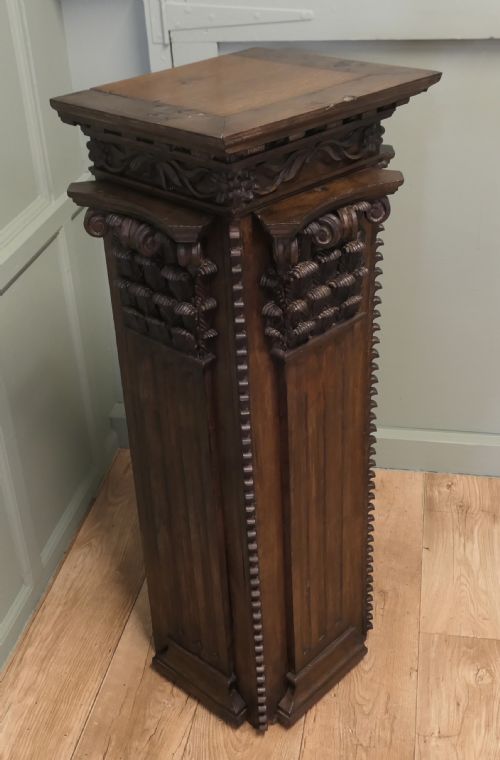
Wooden sculptures suit stable indoor environments away from direct sunlight and rapid temperature fluctuations, which can cause timber to split. Placing them on sturdy sideboards, pedestals or mantels allows proper appreciation of their carved depth.
Avoiding humid areas helps preserve original paint, lacquer or wax finishes on older pieces.
What is a Santos figure?
A Santos figure is a carved devotional statue representing a Christian saint, angel or the Virgin Mary, traditionally used in household shrines or religious processions. These figures frequently feature articulated limbs or carved wooden garments.
Many examples retain remnants of gesso and polychrome paint applied over the timber base.