

Decorative Bronze Sculpture
These decorative bronze sculpture pieces bring character to a room through cast metal and patinated surfaces.
Decorative Bronze Sculpture
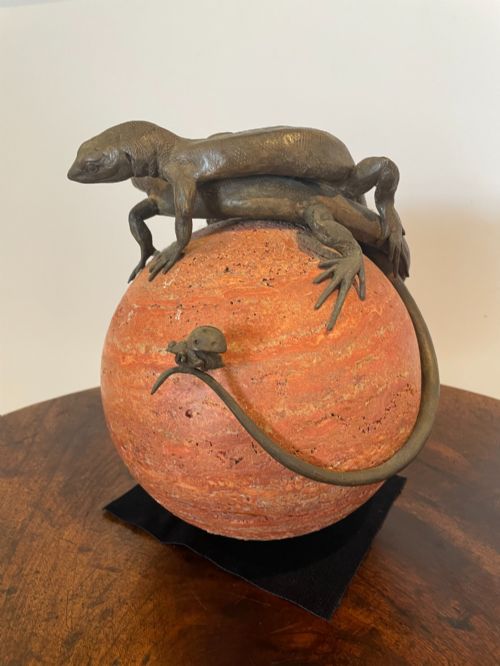
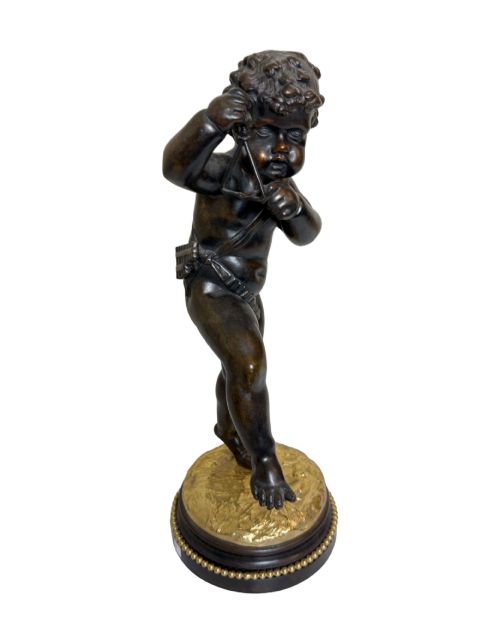
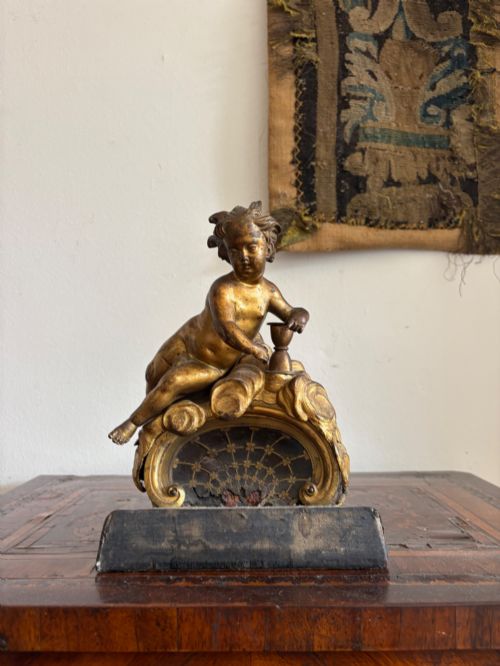
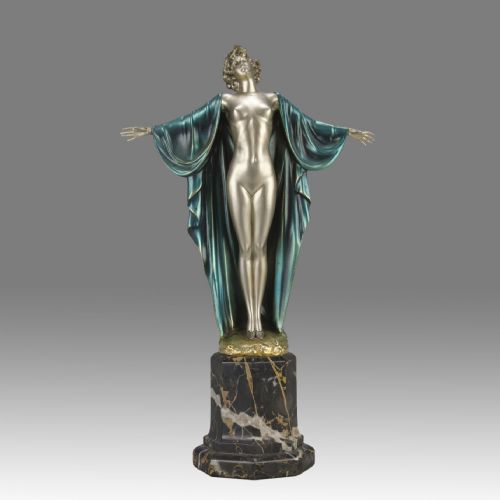
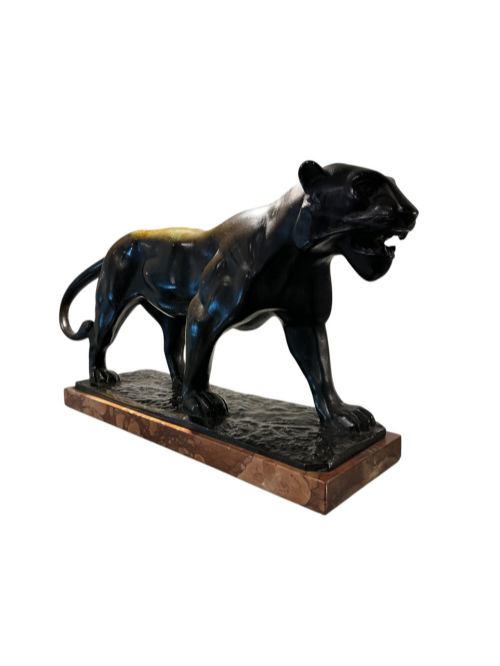
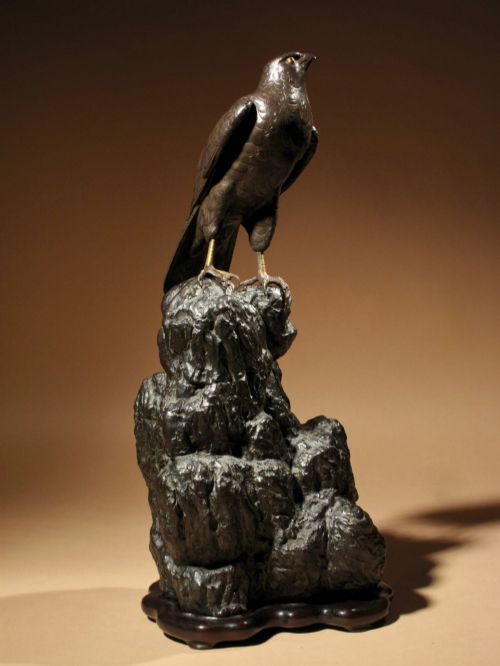
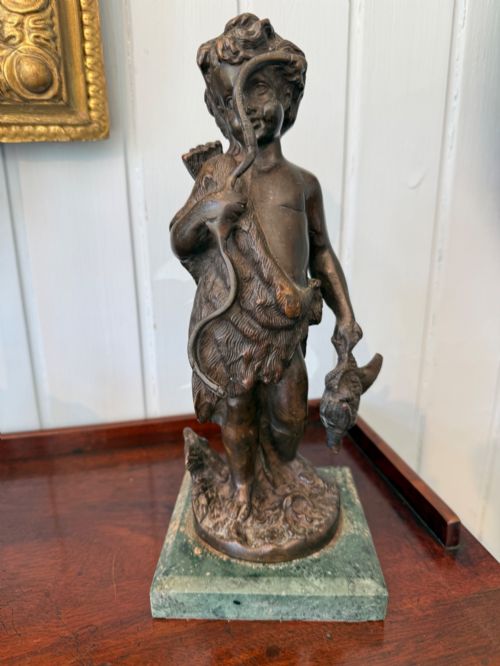
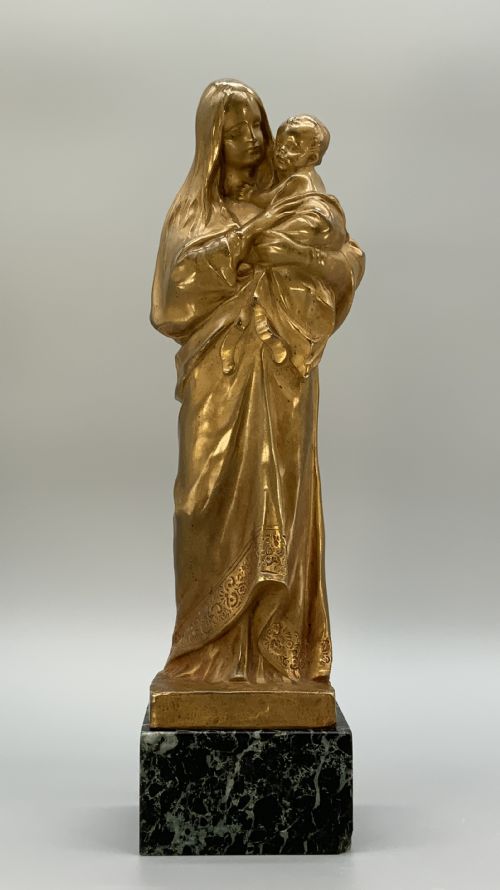
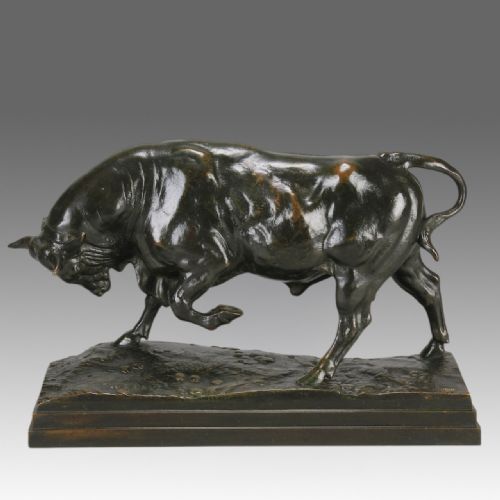
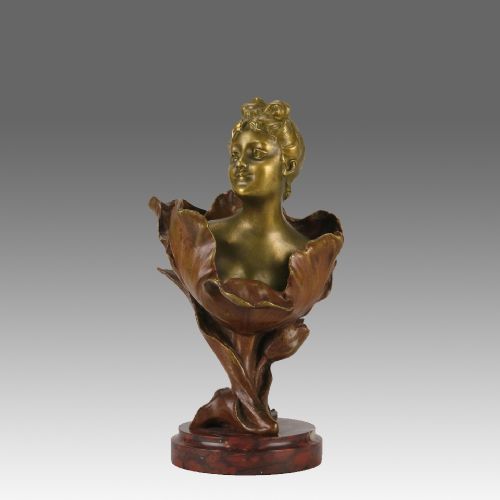
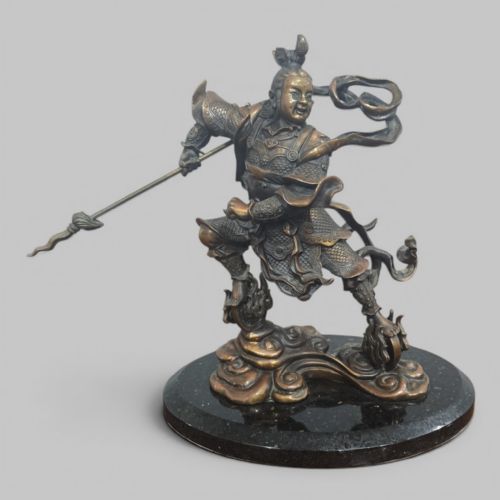
Nineteenth-century animalier studies and classical figures appear alongside Art Deco dancers and mythological subjects. Collectors regularly encounter patinated and gilt bronze works mounted on marble or stone bases.
How they were made
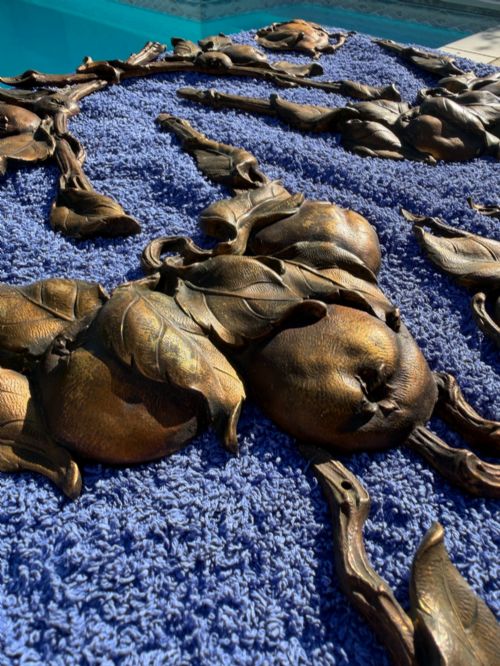
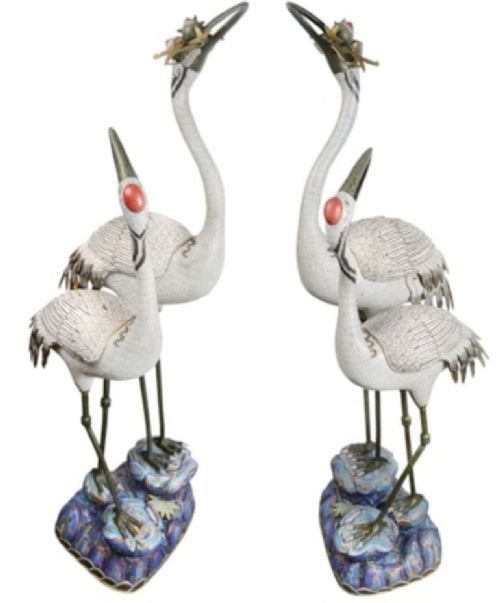
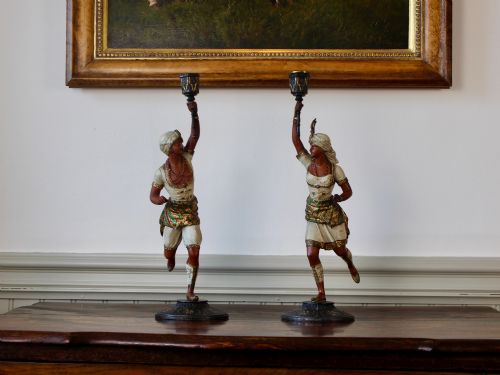
Foundries utilised the lost-wax casting technique to capture fine anatomical details and textures in molten bronze. Cold painting was often applied by hand after casting to add permanent colour to robes, feathers and foliage.
Mounts and figures were frequently combined with contrasting materials such as carved marble, onyx and exotic woods to create substantial desk ornaments and garnitures.
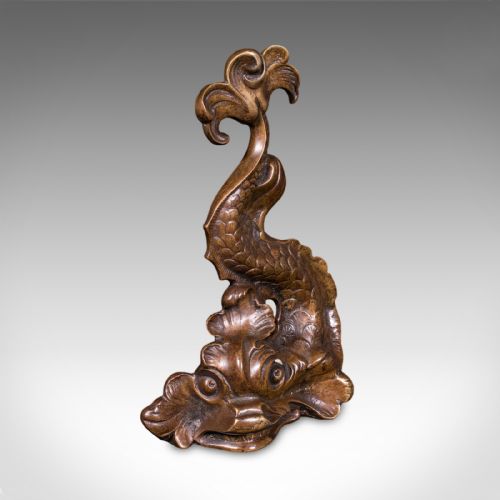
Bronze lizards and leaping dolphins remind us that Victorian desks needed significantly more aquatic reptile supervision than ours do.
What varies in quality
The depth and uniformity of the patination indicate careful chemical application and subsequent handling. High-grade mountings and integral bases demonstrate balanced proportions and secure fixings.
Poix Blin·Ferdinand Preiss·Hans Müller·Antoine Louis Barye·Henri Godet·Demetre Chiparus·C Omin·Emile Picault·Charles Korschann·Lucien Madrassi·Edith Parsons
The Decorative Bronze Sculpture Glossary
- Patinated bronze
- Metal treated with chemical solutions to produce a controlled surface colour ranging from warm brown to deep green. This coating protects the underlying metal from oxidation while adding visual depth.
- Animalier
- A nineteenth-century French artistic movement focused on realistic depictions of animals in motion or repose. Sculptors in this tradition studied anatomy closely at menageries.
- Ormolu
- Gilded bronze produced by applying a mercury and gold amalgam to the metal surface and heating it to drive off the mercury. The resulting golden finish resists tarnishing.
- Cold painted bronze
- Metal sculpture painted with oil or enamel colours without subsequent kiln firing. This technique gained popularity for small cabinet figures and novelty items.
- Spelter
- A zinc alloy utilised as a cheaper alternative to bronze for decorative figures and candlesticks. It is lighter than bronze and often patinated to imitate copper alloys.
Decorative Bronze Sculpture: Frequently Asked Questions
How do I clean a bronze sculpture?
Dust gently with a soft, dry brush to prevent accumulation in crevices.
Avoid liquid cleaners and polishes, which can strip the original patina from the metal.
What is an animalier bronze?
An animalier bronze is a realistic study of animals, birds or marine life produced predominantly during the nineteenth century.
These pieces focus on accurate musculature and natural behaviour rather than idealised forms.
Why are some bronzes on marble bases?
Marble and onyx bases were added during the late nineteenth and early twentieth centuries to provide stability and visual contrast.
Art Deco figures in particular relied on stepped stone bases to anchor the dynamic postures of dancers and animals.
How can I tell bronze from spelter?
Bronze feels heavier and cooler to the touch than spelter, with a resonant ring when tapped gently.
Spelter is softer and may show silvery grey metal beneath worn areas of paint or patination.