







Decorative Brass Urn Pedestal
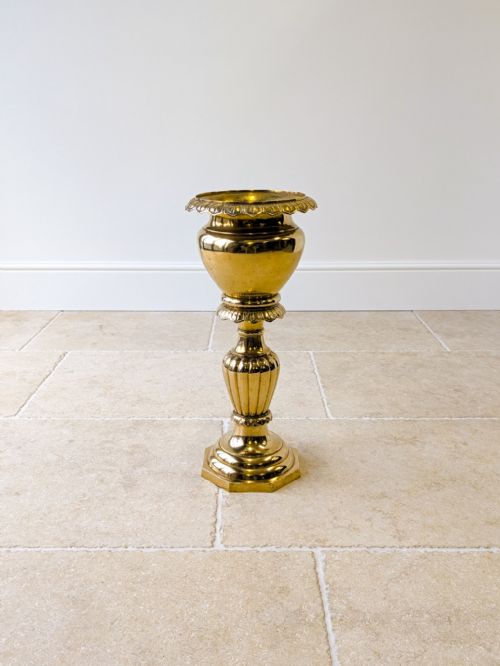
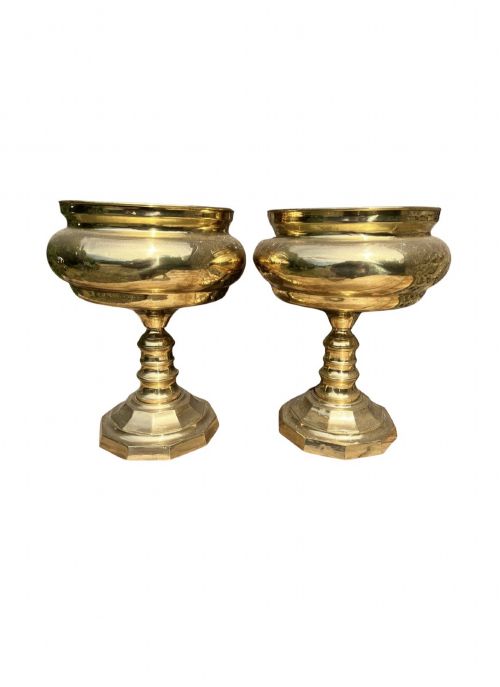
These decorative brass urn pedestals bring classical form and heavy metalwork into a room.
Decorative Brass Urn Pedestal
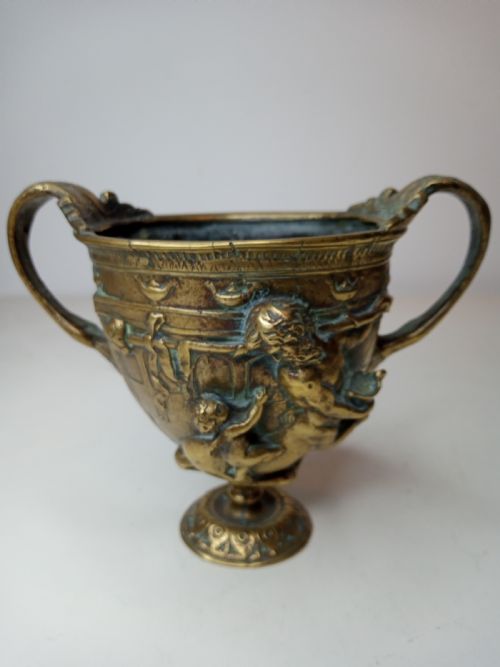
A decorative brass urn pedestal combines vessel and stand forms, drawing on Victorian, Edwardian, and earlier revival styles. When searching for a decorative brass urn pedestal, buyers encounter items ranging from jardinieres and planters on stands to covered urns and handled cups.
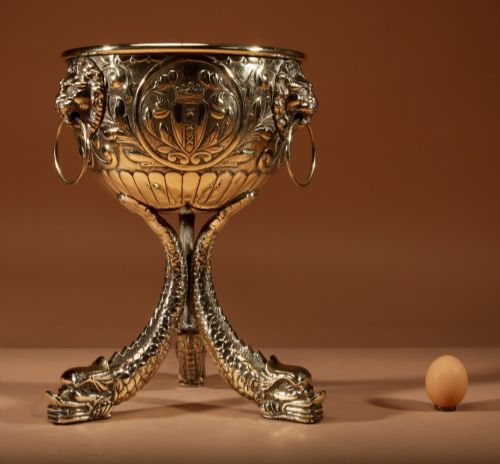
The pieces on this page span the nineteenth and twentieth centuries, including Edwardian, Victorian, and later twentieth-century examples. Forms vary from cast and pressed brass planters to handled goblets, amphora-shaped vases, and mounted horns.
Origins stretch across European and continental workshops, incorporating Neoclassical, French Empire, Grand Tour, and Gothic influences. Buyers often select these vessels to anchor a room with nineteenth-century metalwork or to hold plants and floral arrangements.
Materials and construction methods
The physical construction relies on brass, gilt bronze, ormolu, and toleware, often shaped through casting, pressing, or embossing. Dinanderie techniques appear alongside cast brass components, creating textured surfaces on stands and urns.
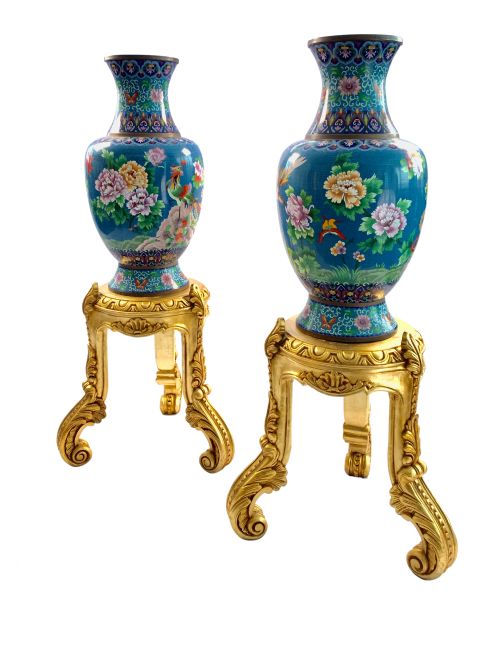
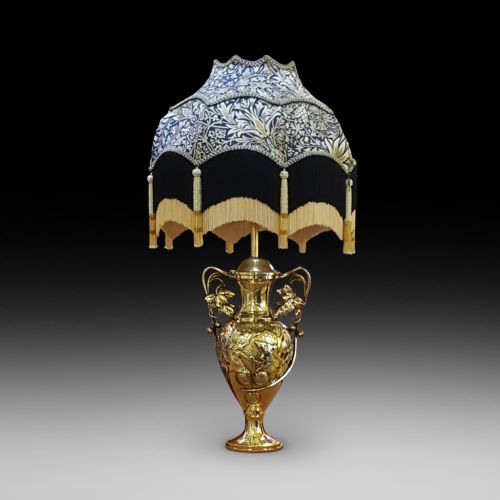
Some examples combine metal vessels with organic materials or fabric elements, such as brass-mounted horns or lamps paired with shades. Gilding and enamel work also feature across the selection, adding colour and decorative detail to the metal bodies.
Decorative Brass Urn Pedestal Retail Price Guide 2026
Typical asking prices for decorative brass urn pedestal among the pieces listed under this phrase on Sellingantiques today, from the lower quarter to the upper quarter. They describe what is for sale here now, not the wider market.
Some nineteenth-century makers mounted natural animal horns in brass, proving that Victorians would put handles on practically anything.
Assessing quality in metal vessels
Quality rests on the crispness of the casting or embossing and the weight of the metal used in the urn and pedestal. Pieces featuring chased detail or heavier cast brass show greater attention to finish than lighter pressed alternatives.
The integrity of surface finishes, whether patinated brass, gilt bronze, or applied enamel, dictates the visual success of the piece. Matching pairs and integrated stands require balanced proportions between the vessel and its base.
The Decorative Brass Urn Pedestal Glossary
- Jardiniere
- A large decorative pot or stand designed to hold plants or floral displays. They often sit on integral pedestals or matching stands.
- Ormolu
- Gilded bronze applied to ornamental objects and furniture mounts. This technique gives a bright golden finish to nineteenth-century metalwork.
- Dinanderie
- Medieval and later brass or bronze ware produced in towns along the Meuse valley. The term covers hammered, cast, and embossed decorative vessels.
- Kantharos
- An ancient Greek cup type with two handles and a footed base. Nineteenth-century revivals reinterpreted this classical vessel form in brass.
- Toleware
- Enamelled and painted tinplate items popular for decorative lamps and vessels. It provides a coloured surface alternative to raw metal.
Decorative Brass Urn Pedestal: Frequently Asked Questions
What is a decorative brass urn pedestal?
A decorative brass urn pedestal is a metal vessel, jardiniere, or cup raised on a base or stand, drawing on historical revival styles. These pieces function as decorative focal points or plant holders in domestic interiors.
They reflect periods from the nineteenth century through the mid-twentieth century, utilising casting, pressing, and embossing techniques on brass and bronze.
How were these metal vessels used?
Historically, many of these pieces served as jardinieres for indoor plants, table lamps, or purely decorative vessels on sideboards and pedestals. Grand Tour souvenirs and classical revival items were displayed to signal learning and taste.
Today, buyers use them to hold floral arrangements, act as lamp bases, or stand alone as sculptural metal objects in traditional and eclectic rooms.
How do I date a brass urn?
Dating relies on examining the manufacturing marks, casting quality, and the specific stylistic revival movement influencing the piece. Victorian and Edwardian examples often show distinct assembly methods, such as threaded bolts or hand-finished chasing.
Materials like toleware, ormolu, and cloisonné enamel align with specific nineteenth and twentieth-century production periods seen across the listings.
Where should I place an urn pedestal?
These pieces suit fireplace mantels, entrance hallways, large sideboards, or dedicated plant stands where their height and form are visible. Pairs work well balanced on console tables or framing a doorway.
Ensure the surface supports the weight of cast brass or bronze, and protect timber furniture from dampness if using the vessel for live plants.