


Antique Botanical Stand
An antique botanical stand brings living greenery indoors on timber, iron, or ceramic supports made during the Victorian, Regency, and early twentieth-century periods.
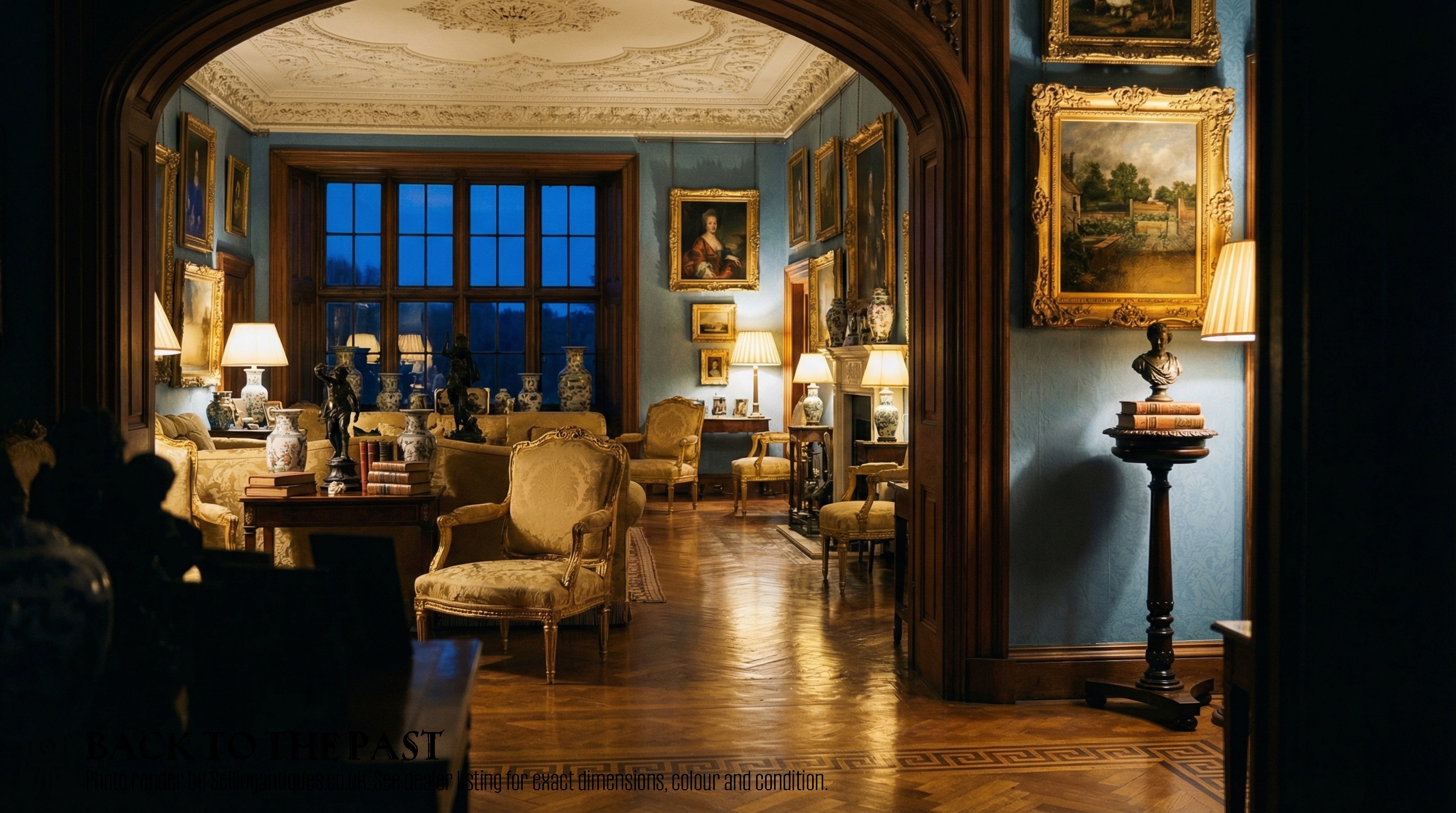
Antique Botanical Stand
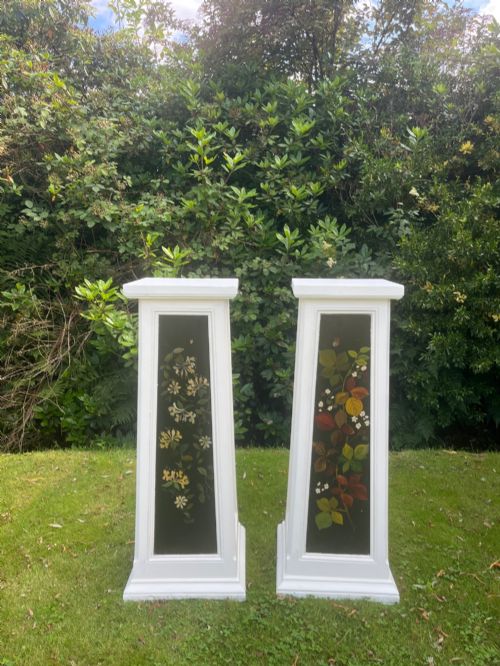
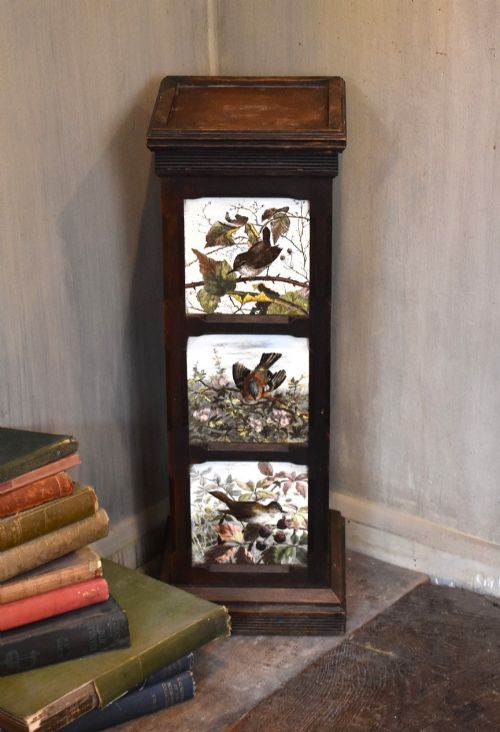
An antique botanical stand encompasses various forms designed to display plants, flowers, and ceramic cachepots within domestic interiors. Buyers searching for an antique botanical stand will encounter pieces ranging from nineteenth-century tiled pedestals and wrought iron jardinieres to carved walnut plant tables.
The selections span distinct periods including the Victorian era, the Regency period, and the early twentieth century. Common configurations include side tables, occasional tables, and dedicated pedestals or plinths created to hold botanical vessels.
Materials and construction methods
These stands utilise traditional timber construction, featuring woods such as oak, walnut, and rosewood shaped into occasional tables and display tiers. Metalwork also appears frequently through slatted iron, wrought iron, brass, and engraved copper trays.
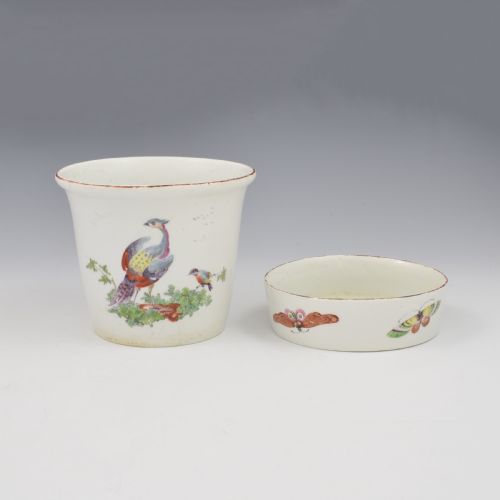
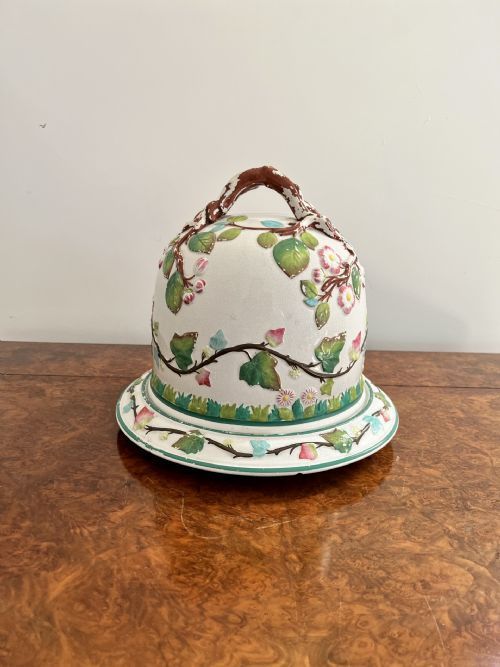
Ceramic elements integrate closely with these structures, incorporating earthenware, porcelain, and majolica tiles or glazed pots. Paint and enamel finishes frequently decorate the wood and iron surfaces across nineteenth-century and twentieth-century examples.
An early twentieth-century plaster botanical model of a sunflower brings oversized botany indoors without requiring any watering.
Distinctions in craftsmanship and design
Quality rests upon the integrity of the joinery and the selection of materials, whether dealing with carved hardwoods or riveted iron frameworks. Finer examples display meticulous attention to detail in carved ornamentation or precision in fitted tile tops.
Design ambition separates standard utilitarian stands from distinguished pieces associated with known makers or specific aesthetic movements like Art Nouveau and the Arts and Crafts movement. The integration of hand-painted ceramic components or specialist metalwork elevates the standing of the piece.
Coalport or Coalbrookdale·Alexandre Clerget·Liberty and Co
The Antique Botanical Stand Glossary
- Jardiniere
- A decorative pot or stand designed to hold growing plants or flowers. These vessels appear in ceramic, metal, and painted finishes.
- Pedestal
- A tall support or base used to elevate a plant pot, bust, or decorative object. They occur in wood, tile, and plaster forms.
- Cachepot
- An ornamental container used to conceal an ordinary flowerpot. Examples include earthenware and porcelain bodies.
- Occasional table
- A small, versatile table used for specific secondary purposes such as holding a lamp or a plant stand. These pieces frequently feature carved timber or inlaid tiles.
Antique Botanical Stand: Frequently Asked Questions
How do I use a plant stand in a modern room?
Place a slender pedestal or a tiled occasional table in a corner to add height and architectural interest to an interior.
Pair wooden or iron stands with trailing houseplants to echo the traditional nineteenth-century manner of displaying indoor greenery.
What is the difference between a jardiniere and a plant stand?
A jardiniere typically refers to the pot or container that holds the soil and plant itself, whereas a plant stand is the supporting table or pedestal.
Many antique pieces combine both functions into a single integrated unit or feature a removable tray designed for holding wet pots.
How can I tell a Victorian stand from a later piece?
Victorian examples often employ heavier timber framing, dense carving, or majolica tiles, reflecting the ornate tastes of the nineteenth century.
Later pieces from the early twentieth century lean towards cleaner lines, studio pottery elements, or the stylized flora associated with the Art Nouveau and Arts and Crafts movements.