

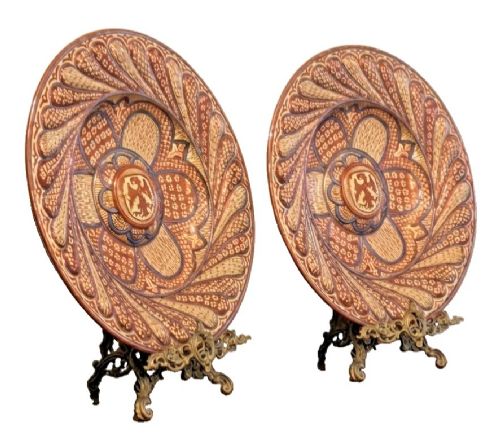
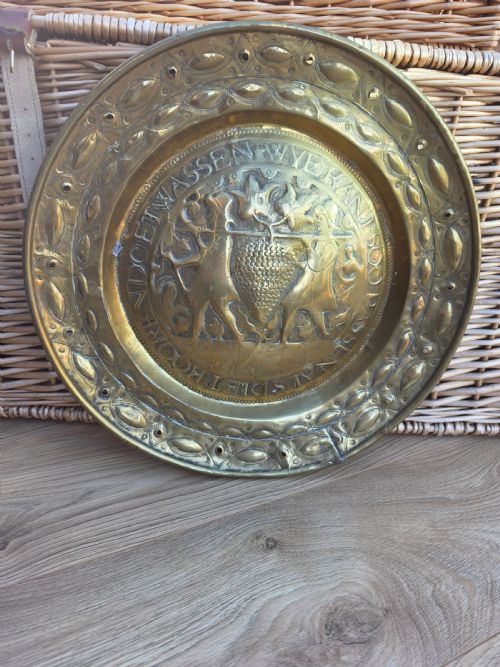
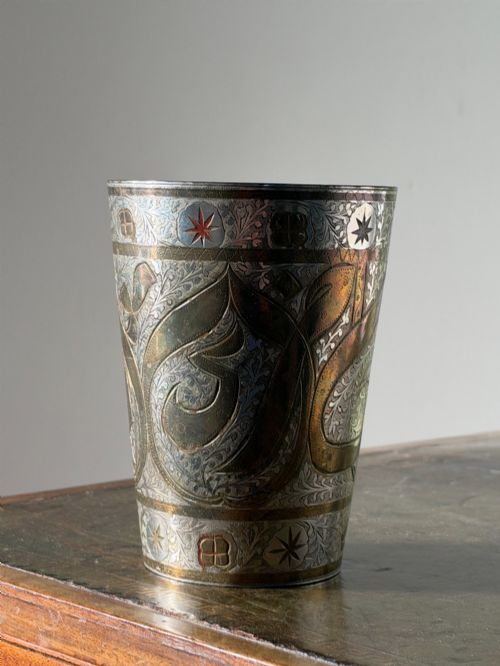
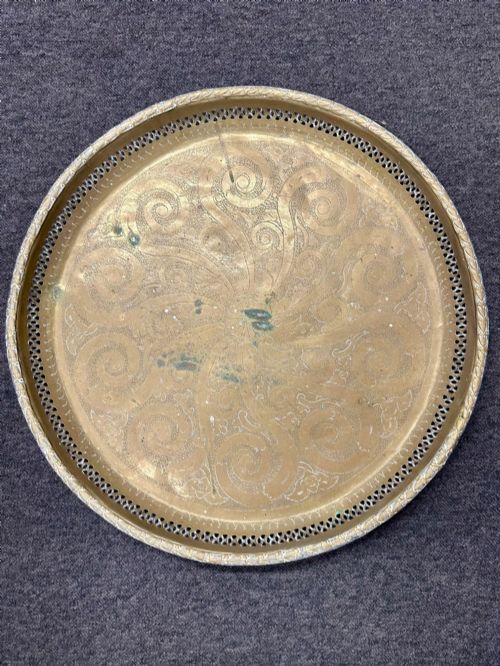


Decorative Brass Plate
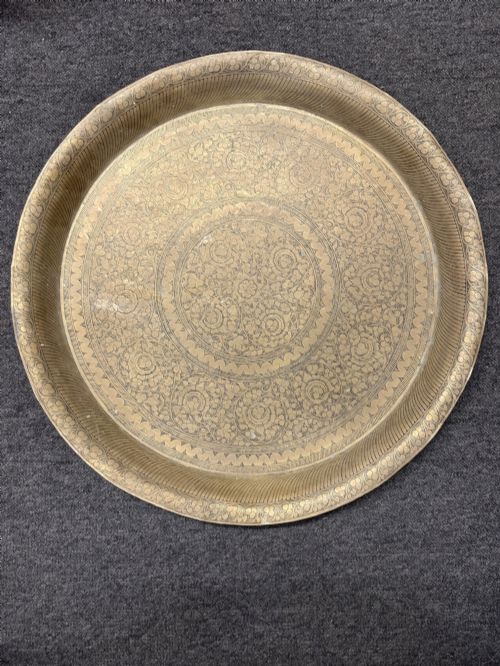
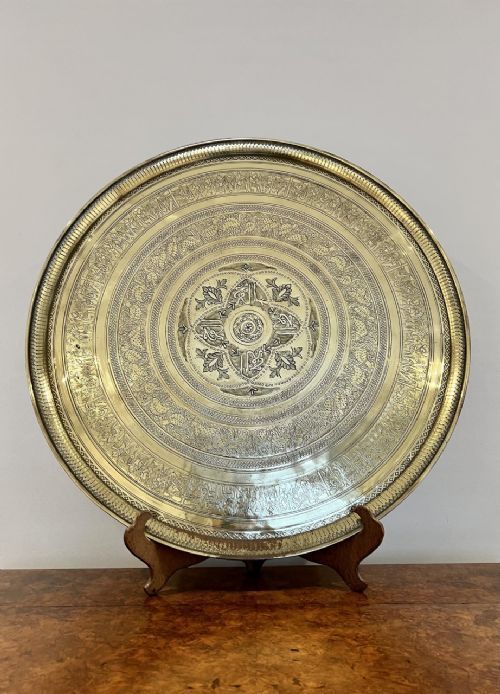
A decorative brass plate brings warmth and intricate pattern to a room, spanning Victorian wall hangings and detailed Japanese cloisonné chargers.
Decorative Brass Plate
When searching for a decorative brass plate, collectors encounter a diverse group of objects spanning the eighteenth, nineteenth, and early twentieth centuries. These range from heavy domestic door hardware and embossed alms dishes to expansive chargers and trays originating from British, European, and Asian workshops.
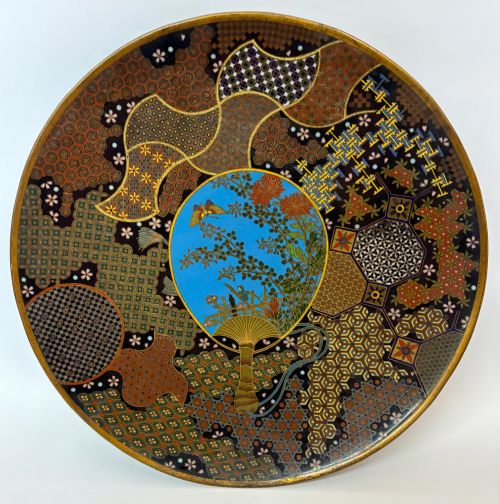
The selection on this page leans heavily towards large Japanese Meiji period cloisonné chargers featuring birds, flora, and landscapes alongside Victorian and Edwardian brass work. Pieces appear in various forms including wall-hanging plaques, table trays, and architectural elements such as ceiling roses and finger plates.
How they were made
Makers utilised traditional metalworking techniques including hand hammering, chasing, and engraving to pattern solid brass, bronze, and copper surfaces. Many metal trays and dishes display raised motifs and textured fields created by skilled artisans working in the Arts and Crafts and Art Nouveau traditions.
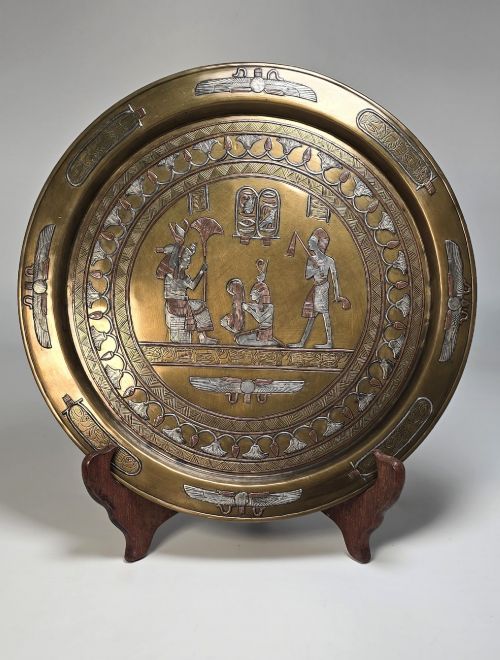
In addition to plain and patinated metalwork, several items incorporate decorative inlays and surface treatments. Japanese cloisonné pieces apply delicate wirework to section off coloured enamels, while Middle Eastern Cairo Ware introduces contrasting silver and copper inlays into bronze and copper substrates.
Decorative Brass Plate Retail Price Guide 2026
Typical asking prices for decorative brass plate among the pieces listed under this phrase on Sellingantiques today, from the lower quarter to the upper quarter. They describe what is for sale here now, not the wider market.
Several plates come complete with unexpected wildlife scenes, featuring owls, shrimp, frogs, and even an alpine Mt Fuji.
What varies in quality
The standard of a decorative brass plate rests upon the crispness of the hand-chased detail and the structural integrity of the metal body. Superior examples demonstrate precise control in engraved lines and hammered textures, whereas lesser items rely on simpler, shallower stamping.
For enamelled and inlaid pieces, quality is determined by the complexity of the design and the preservation of the surface materials. Intricate wirework without pitting in the enamel distinguishes high-grade Japanese and Middle Eastern metalwork from standard commercial output.
The Decorative Brass Plate Glossary
- Cloisonne
- A decorative metalwork technique where thin metal wires are soldered to a base plate to create compartments filled with enamel paste. This method produces vibrant, multi-coloured patterns often seen on Japanese chargers.
- Charger
- A large ornamental plate or shallow dish traditionally used for display rather than dining. These pieces frequently hang on walls or sit upon sideboards to showcase detailed engraving or pictorial enamel scenes.
- Cairo Ware
- Nineteenth-century metalware produced in Egypt, typically comprising bronze, brass, or copper inlaid with intricate silver and copper calligraphy or geometric patterns. These items were popular during the European Grand Tour.
- Alms Dish
- A shallow metal bowl or plate historically used in churches to collect offerings. Antique brass examples often feature embossed religious or secular motifs across the centre and rim.
- Finger Plate
- A flat metal plate attached to a door around the handle to protect the wood from wear and marks. Arts and Crafts examples often display hammered textures and stylised plant motifs.
Decorative Brass Plate: Frequently Asked Questions
How do I hang a heavy decorative plate on the wall?
Most large chargers and trays require a sturdy, adjustable spring-loaded brass hanger that grips the rim securely without damaging the metal. It is essential to fix the wall mount directly into a wall stud or use a heavy-duty wall anchor to support the substantial weight of solid brass or bronze.
Ensure the wire or mounting bracket sits evenly behind the piece so the plate displays flat against the vertical surface. Period wall-hanging mirrors and plates often feature integrated loops or rings designed specifically for secure suspension.
Can I clean and polish antique brass plates?
Polishing antique metal depends entirely on the intended finish and presence of original patination. Heavy scrubbing removes aged patinas that collectors value, particularly on nineteenth-century copper, bronze, and patinated brass pieces.
Dusting with a dry microfibre cloth is usually sufficient for regular maintenance. If cleaning is necessary, use a mild, non-abrasive soap solution and dry thoroughly to prevent spotting.
What is the difference between a charger and a tray?
Chargers are primarily designed for ornamental display, featuring detailed pictorial scenes, cloisonné enamel, or elaborate engraving across the well and rim. They are typically deeper and intended to be seen rather than handled frequently.
Trays generally include integrated handles or flat bases suited for functional use, though many Victorian and Edwardian examples crossed over into decorative wall display due to their fine surface ornamentation.
How do I date a nineteenth-century brass plate?
Dating relies on stylistic markers, manufacturing methods, and any maker's marks or signatures present on the reverse. Victorian and Edwardian pieces often reflect broader design movements like Arts and Crafts hammer marks or Art Nouveau organic lines.
Examining the back of the plate reveals manufacturing clues, such as hand-beaten tool marks indicating nineteenth-century workshop production versus later machine stamping.