
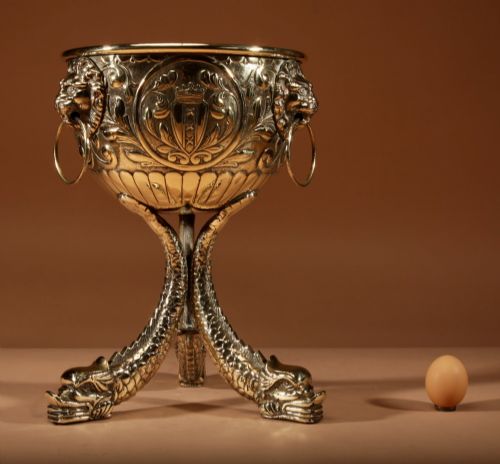


Decorative Brass Jardinieres
These decorative brass jardinieres bring polished metal and planted greenery together, offering a traditional way to display foliage inside the home.
Decorative Brass Jardinieres
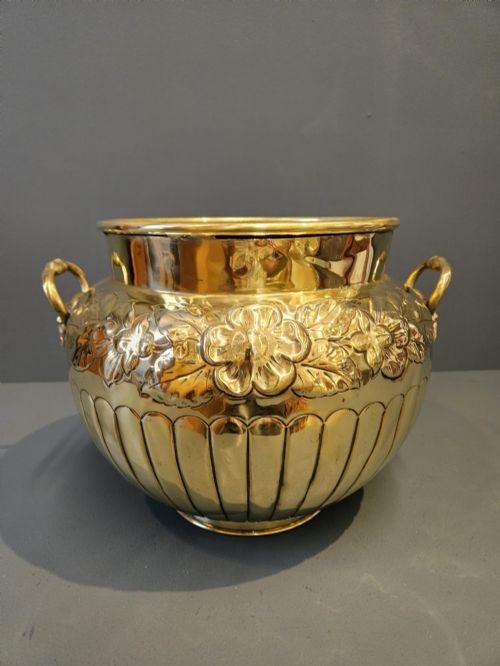
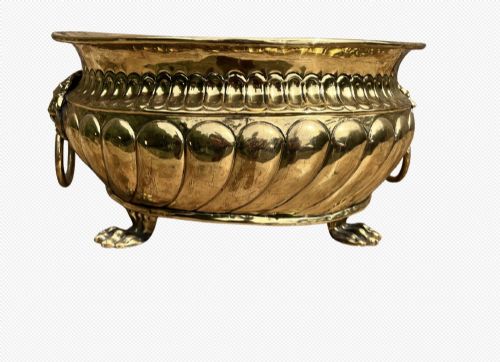
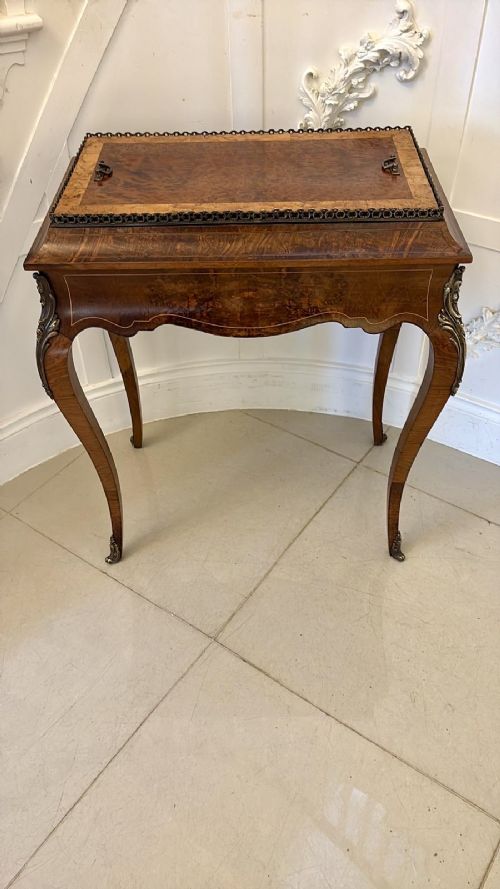
When you search for decorative brass jardinieres, you encounter vessels designed specifically to hold indoor plants, often paired with copper, bronze, or turned timber stands. The selection spans cylindrical planters, handled bins, and elaborate tables intended to showcase potted greenery.
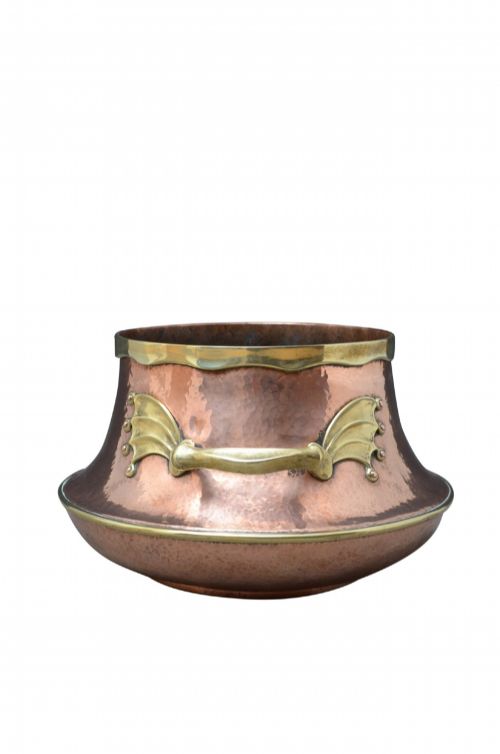
Most examples originate from the Victorian era and the turn of the twentieth century, with styles ranging from plain English country pieces to ornate Dutch colonial designs. You frequently meet hammered and embossed metalwork alongside coopered wooden vessels bound in brass.
How they were made
Craftsmen shaped these vessels using sheet brass, copper, and bronze, often applying hand-hammered, pressed, or embossed techniques to create surface relief and pattern. Dinanderie work appears regularly, showing the traditional method of ornamenting brassware through casting and beating.
Many larger planters and wine coolers utilise coopered construction, joining staves of walnut, oak, mahogany, or teak with metal bands. Pierced rims and cast brass mounts complete the construction, combining durable timber with waterproof metal interiors.
Several heavy brass vessels spent their youth cooling wine before retiring to hold ferns.
What varies in quality
The standard of workmanship shows clearly in the crispness of the embossed or hammered detail and the weight of the metal used. Heavier gauges of brass and well-defined casting separate robust vessels from thinner, lighter alternatives.
Joinery and assembly dictate the integrity of coopered wooden stands and banded planters. Tightly fitted timber staves and securely fastened mounts indicate superior domestic manufacture.
The Decorative Brass Jardinieres Glossary
- Dinanderie
- Ornamental brassware and bronze objects produced using traditional European metalworking techniques. The term covers both cast and beaten items with surface decoration.
- Coopered
- Built from vertical wooden staves held together by metal hoops, much like a traditional barrel. This method forms many of the larger planters and wine coolers.
- Jardiniere
- A decorative pot or stand designed to hold growing plants or flowers indoors. They appear in ceramic, metal, and wood across various historical periods.
- Cloisonne
- An ancient enamel technique where metal wire forms compartments on a bronze or copper base before filling with coloured paste. Examples include Chinese bowls and desk pots.
Decorative Brass Jardinieres: Frequently Asked Questions
What is a jardiniere?
A jardiniere is a decorative container designed to hold potted plants or cut flowers indoors. The name derives from the French word for a female gardener.
Historically, these vessels sat on tables, dedicated stands, or the floor to bring greenery into domestic rooms. They frequently doubled as wine coolers or log bins.
How do I date a brass jardiniere?
Dating relies on examining the manufacturing techniques, metal thickness, and associated timber styles. Victorian and turn-of-the-century pieces often feature machine-rolled sheet brass or hand-hammered dinanderie work.
Earlier examples from the eighteenth century or Regency period show different construction methods, hand-beaten surfaces, and distinct patination that separate them from later reproductions.
Were these always used for plants?
Many vessels served multiple domestic functions beyond holding plants. Coopered wooden and metal pieces often doubled as wine coolers, peat buckets, or waste bins.
Larger floor-standing examples transitioned between holding logs near the fireplace and containing large palms or ferns in reception rooms.