





Decorative Blue White Ceramics
Decorative blue white ceramics bring together centuries of global kiln traditions, offering patterned chargers, bowls, and vases that anchor a room.
Decorative Blue White Ceramics
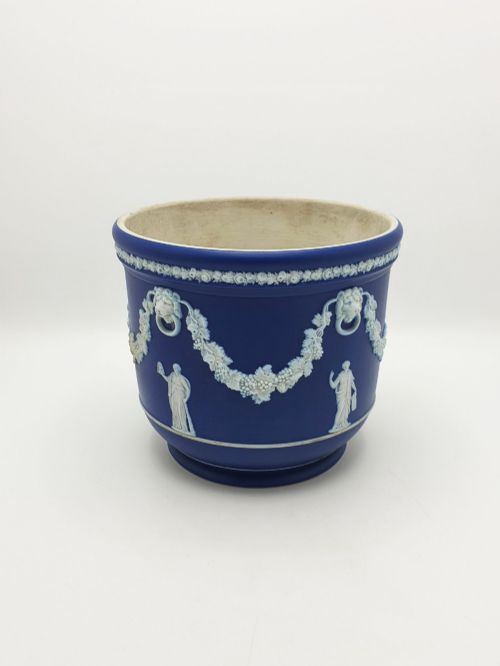
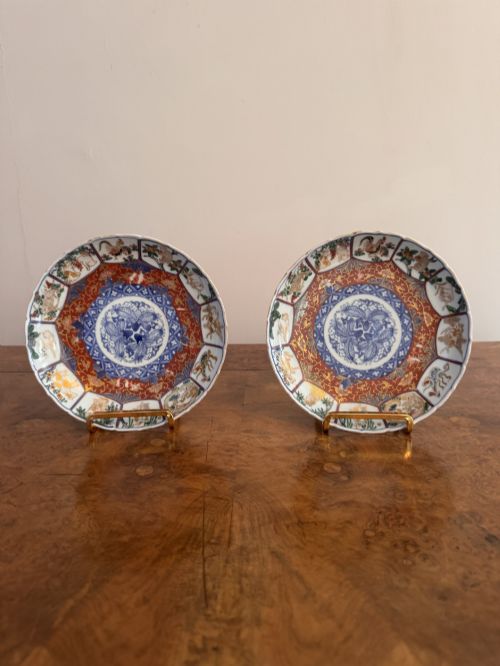
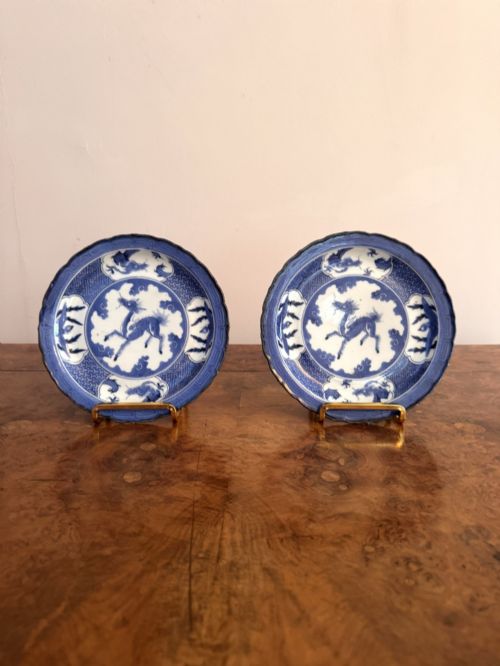
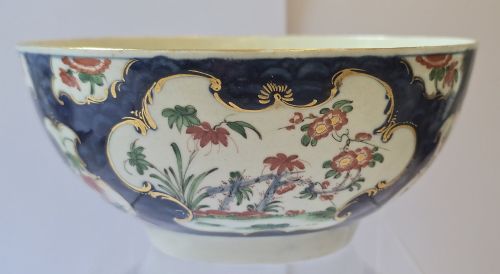
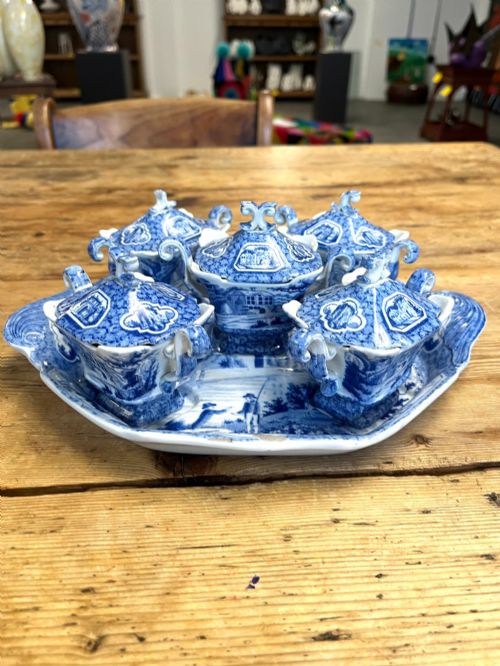
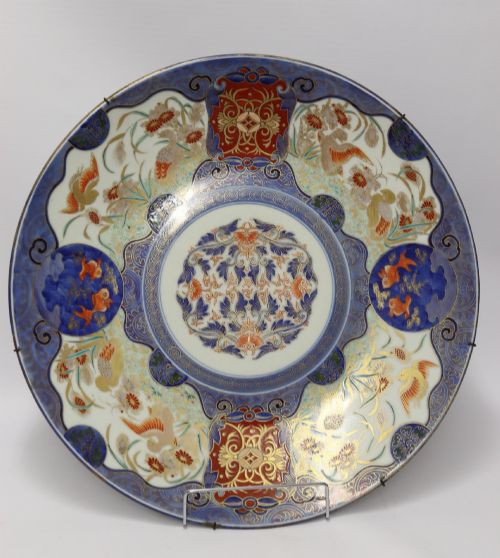
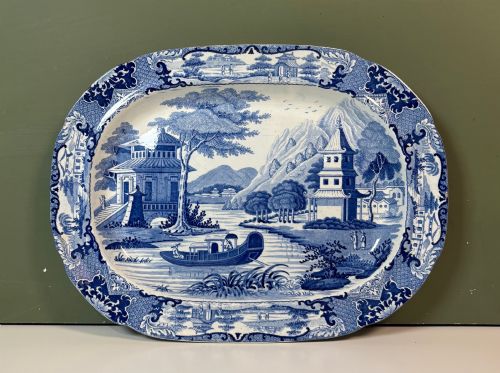
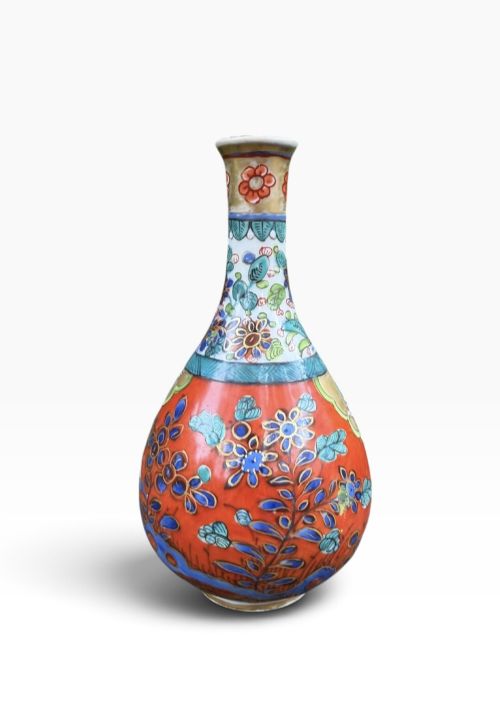
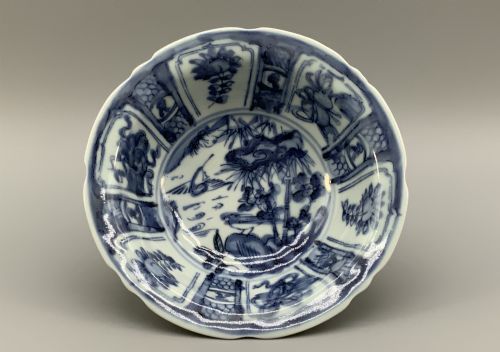
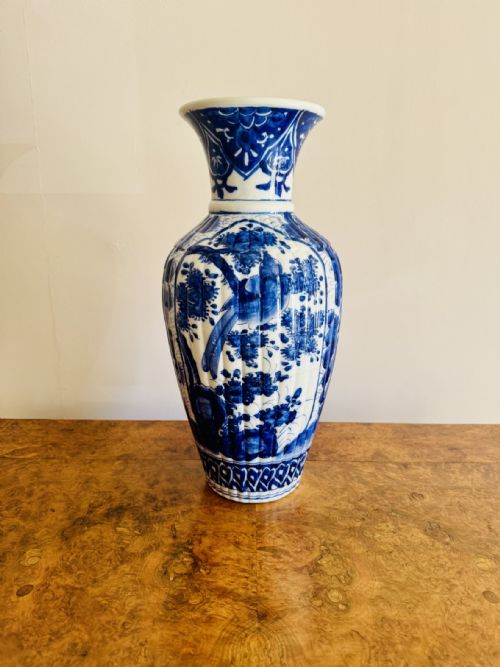
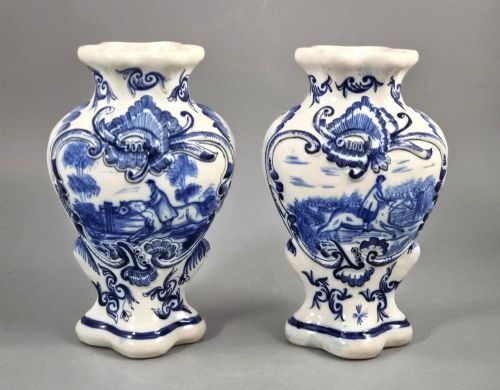
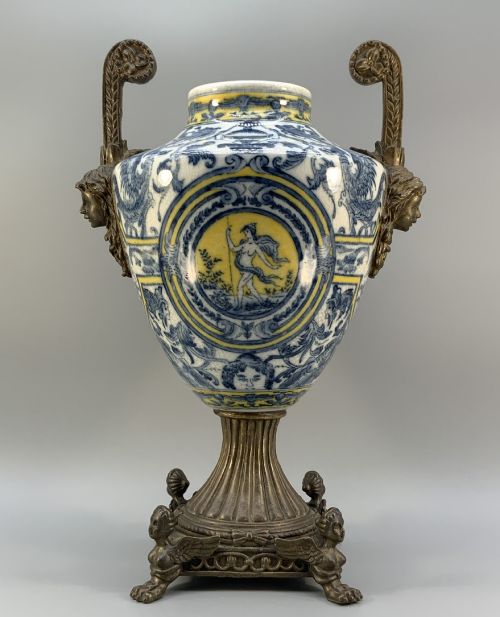
Decorative blue white ceramics encompass a broad selection of vessels and display pieces originating from English, European, and Asian potteries. The objects span centuries of production, ranging from eighteenth-century chargers to nineteenth-century transferware platters and Japanese porcelain vases.
Buyers frequently encounter large chargers, baluster vases, and transfer-printed dishes featuring botanical or narrative scenes. These items serve primarily as ornamental focal points, drawing the eye through high-contrast cobalt pigments against white backgrounds.
The material composition ranges from dense earthenware and ironstone to delicate porcelain and soft-paste bodies. Forms vary from simple scalloped plates to monumental vases fitted with bronze mounts or lacquer panels.
How they were made
Makers utilised cobalt pigment applied directly to the unglazed clay body or onto an initial slip, fixing the deep blue colour beneath a clear protective glaze during high-temperature firing. Transfer printing emerged later, allowing intricate pictorial designs like pastoral views to be transferred mechanically onto pottery surfaces.
Potters shaped bodies using wheel-throwing techniques or press-moulding for complex forms such as lobed bowls and campana urns. Enamel and gilt highlights were sometimes added over the glaze in secondary low-temperature firings for additional visual richness.
Decorative Blue White Ceramics Retail Price Guide 2026
Typical asking prices for decorative blue white ceramics among the pieces listed under this phrase on Sellingantiques today, from the lower quarter to the upper quarter. They describe what is for sale here now, not the wider market.
Listings feature porcelain, earthenware, and faience spanning the eighteenth, nineteenth, and twentieth centuries.
What varies in quality
Quality rests on the crispness of the painted or transferred detail and the purity of the white ground beneath the glaze. Superior examples display controlled brushwork or precise transfer lines without blurring or pooling in the cobalt pigment.
The sophistication of the potting shapes the overall merit, distinguishing heavy utilitarian wares from finely potted cabinet pieces with balanced proportions and well-finished foot rims.
Fourmaintraux-Courquin at Desvres·Hicks and Meigh·Doulton Burslem·Wedgwood·Ambroise Michel
The Decorative Blue White Ceramics Glossary
- Charger
- A large ornamental plate designed for display on a wall or sideboard rather than for dining use. These broad surfaces often showcase complex pictorial transfers or hand-painted cobalt scenes.
- Transferware
- Pottery decorated by applying a printed design from an engraved copper plate onto tissue paper, which was then transferred onto the unglazed ceramic body. This technique enabled consistent mass production of detailed topographical and narrative patterns.
- Clobbered
- Ceramic ware that has been decorated over an existing glaze, often adding enamel colours and gilt to earlier blue and white imports. This secondary embellishment typically altered the original appearance to suit changing European tastes.
- Faience
- European tin-glazed earthenware produced with an opaque white glaze that accepts painted decoration directly onto the surface before firing. The resulting finish resembles porcelain while utilising a softer clay body.
- Imari
- Japanese porcelain decorated in underglaze blue supplemented with iron red and gilt highlights, taking its name from the port of shipment. These colourful export wares heavily influenced European ceramic design.
Decorative Blue White Ceramics: Frequently Asked Questions
How do I date these ceramics?
Dating relies on identifying potting styles, glaze characteristics, and factory marks stamped or painted on the base. Comparing the cobalt shade and decorative motifs against known production periods helps narrow the timeframe.
Changes in clay bodies, from early soft-paste porcelain to later ironstone and dense earthenware, provide further clues to an object's age.
Were chargers meant for dining?
Large chargers served primarily as decorative table centrepieces or wall displays rather than functional dinner plates. Their generous diameters allowed artisans to showcase complex landscapes and floral arrangements.
Over time, many of these heavy plates survived precisely because their role was ornamental rather than utilitarian.
How should I display them?
Large chargers and platters sit securely on sturdy wire display stands or hang safely from wall brackets designed for heavy ceramics. Vases and urns function well on mantelpieces or side tables where their profiles stand clear.
Keeping them away from direct foot traffic protects projecting rims and handles from accidental impact.
What is transfer printing?
Transfer printing is a mechanical decoration method developed in the eighteenth century to apply complex designs onto pottery surfaces. Engraved copper plates transferred ink onto tissue paper, which workers pressed onto the clay before glazing.
This process allowed potteries to produce uniform patterns like landscape views across multiple plates and jugs.