






Decorative Bedroom Seating
These decorative bedroom seating options bring period character to a dressing room or parlour through thoughtful craftsmanship.
Decorative Bedroom Seating
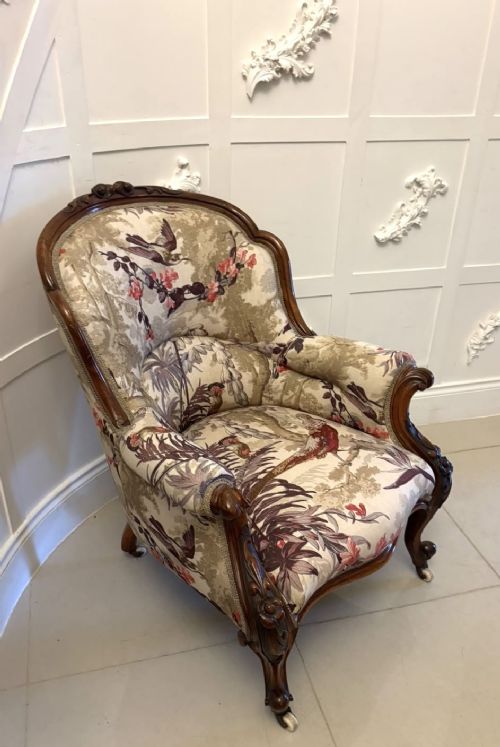
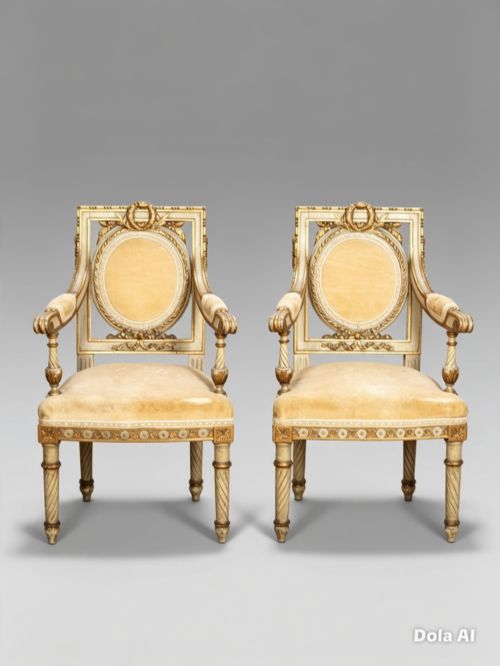
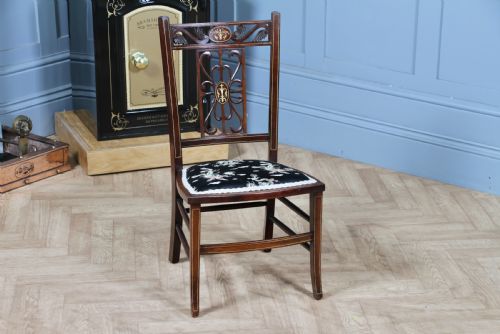
Decorative bedroom seating spans items intended for personal chambers, boudoirs, and dressing spaces, drawing from Victorian, Edwardian, and nineteenth-century traditions. Buyers seeking decorative bedroom seating will most commonly encounter side chairs, armchairs, window seats, and nursing chairs originating from these periods.
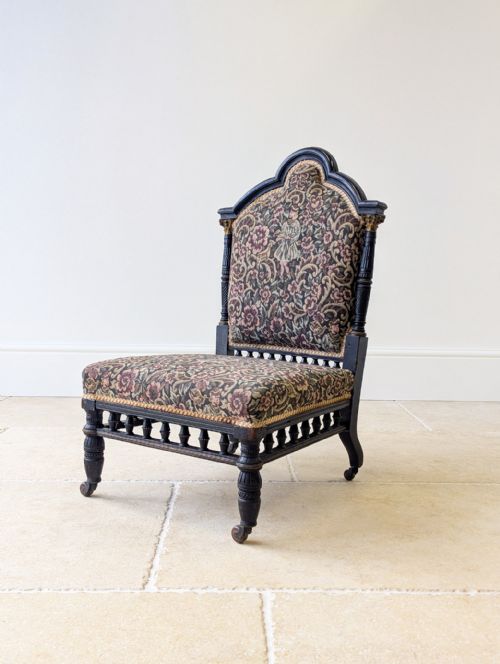
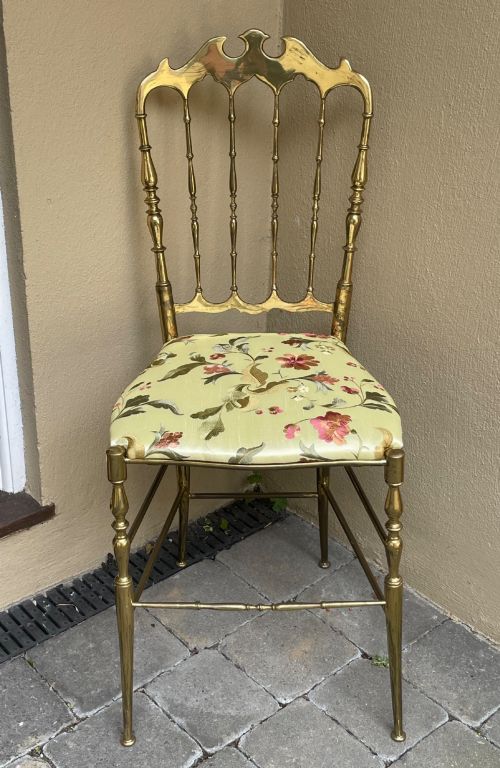
The forms range from low salon chairs and spinning chairs to inlaid window seats and polished brass frames. Stylistic influences include Sheraton Revival, Aesthetic Movement, Louis XVI, and Art Nouveau designs.
Origin points encompass British and French workshops, utilising woods like mahogany and ebonised timber alongside brass and upholstery fabric. Each piece offers a specific function, whether for a dressing table or beside a window.
Materials and construction
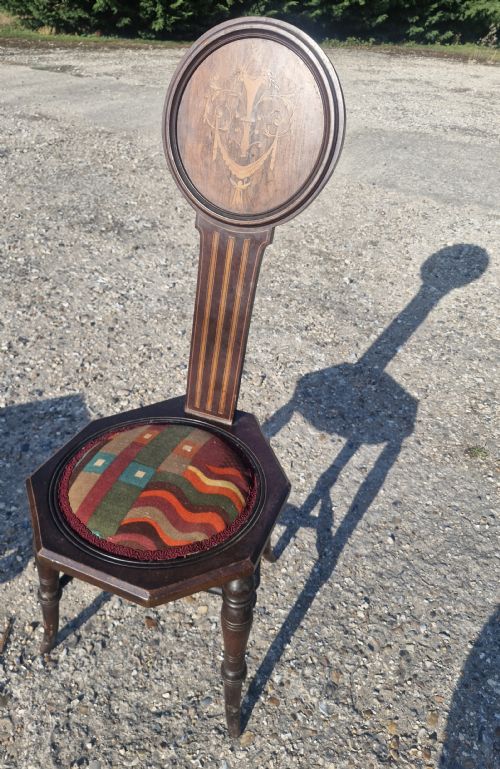
Construction relies heavily on solid wood frames, particularly mahogany and ebonised wood, often shaped with hand-carved detailing. Wood inlay, brass accents, and painted finishes add decorative surface contrast to the structural timber.
Upholstery forms an integral part of the manufacturing process, utilising silk and various traditional fabrics fixed over sprung or padded seats. Cane work also appears on select frames, providing texture and lighter visual weight.
Decorative Bedroom Seating Retail Price Guide 2026
Typical asking prices for decorative bedroom seating among the pieces listed under this phrase on Sellingantiques today, from the lower quarter to the upper quarter. They describe what is for sale here now, not the wider market.
Current listings feature materials including mahogany, brass, cane, and ebonised wood across Victorian and Edwardian periods.
Assessing quality in construction
Quality rests upon the crispness of hand-carving and the precision of inlaid woodwork, where tighter joints and cleaner lines distinguish finer examples. The integration of materials, such as polished brass fittings secured firmly to timber frames, marks a higher standard of manufacture.
The integrity of the original frame structure and the quality of applied finishes, whether gilding, ebonisation, or polished mahogany, dictate the enduring appeal of each piece. Finer items display a harmony between decorative embellishment and structural proportion.
The Decorative Bedroom Seating Glossary
- Ebonised wood
- Timber treated to imitate ebony, commonly used during the Victorian era for striking contrast. It provides a dark, polished finish that highlights gilt or inlaid details.
- Aesthetic Movement
- A late Victorian artistic movement emphasising visual beauty over narrative function. Pieces from this style often incorporate ebonised surfaces and stylised motifs.
- Nursing chair
- A low-seated chair traditionally designed for comfort in a bedroom or nursery. These items usually feature an upright back and low seat to assist with domestic tasks.
- Window seat
- A long bench or seat designed to fit within a window recess. They frequently incorporate upholstered tops and carved wooden frames.
Decorative Bedroom Seating: Frequently Asked Questions
Where should I place these seats?
These pieces suit bedrooms, dressing rooms, and hallways where a compact, ornamental seat adds practical function and period style.
Their varied forms, from low salon chairs to narrow window seats, allow them to fit easily into smaller alcoves or beneath dressing tables.
How do I identify an Edwardian piece?
Edwardian items often display lighter mahogany frames, subtle wood inlay, and slender legs influenced by eighteenth-century revivals.
They tend to feel lighter in scale compared to heavier high Victorian furniture, reflecting changing domestic tastes around nineteen hundred.
What is a spinning chair?
A spinning chair is a low, traditional seat designed originally for domestic textile work, featuring a small seat and often an elaborately carved back.
In modern interiors, these make distinctive occasional chairs due to their unusual proportions and decorative woodwork.
How do I care for antique upholstery?
Maintain upholstered surfaces through gentle vacuuming with a soft brush attachment and protect them from direct sunlight to prevent fabric fading.
Wooden and brass frames benefit from occasional dusting with a dry cloth and the avoidance of harsh chemical polishes.