

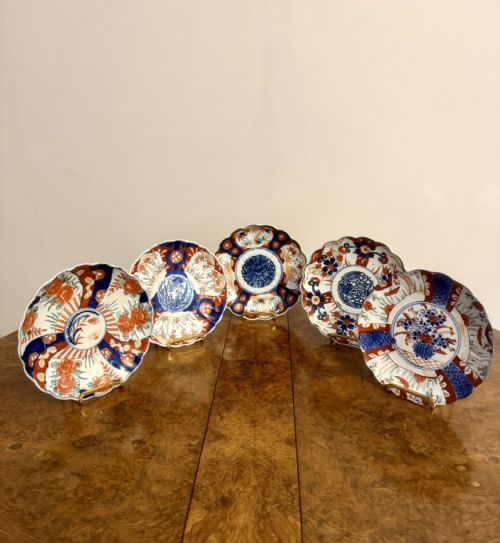
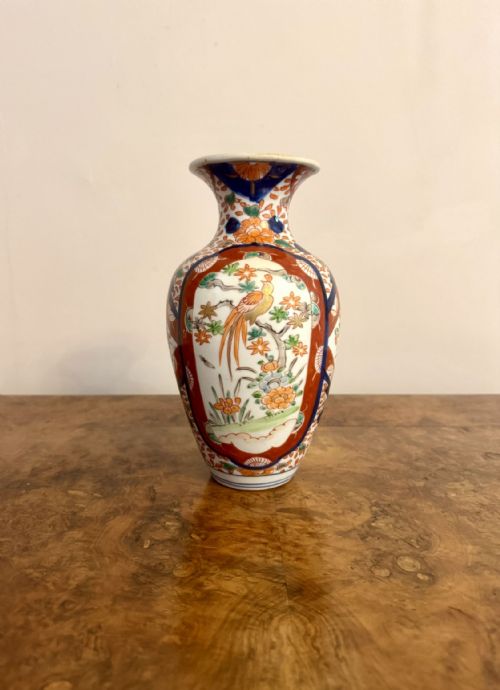
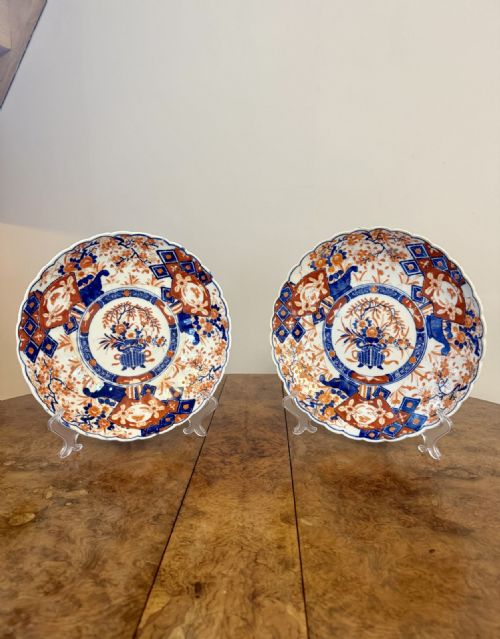
Decorative Asian Porcelain
These pieces of decorative asian porcelain bring centuries of rich hand-painted tradition and intricate craftsmanship directly into modern interiors.
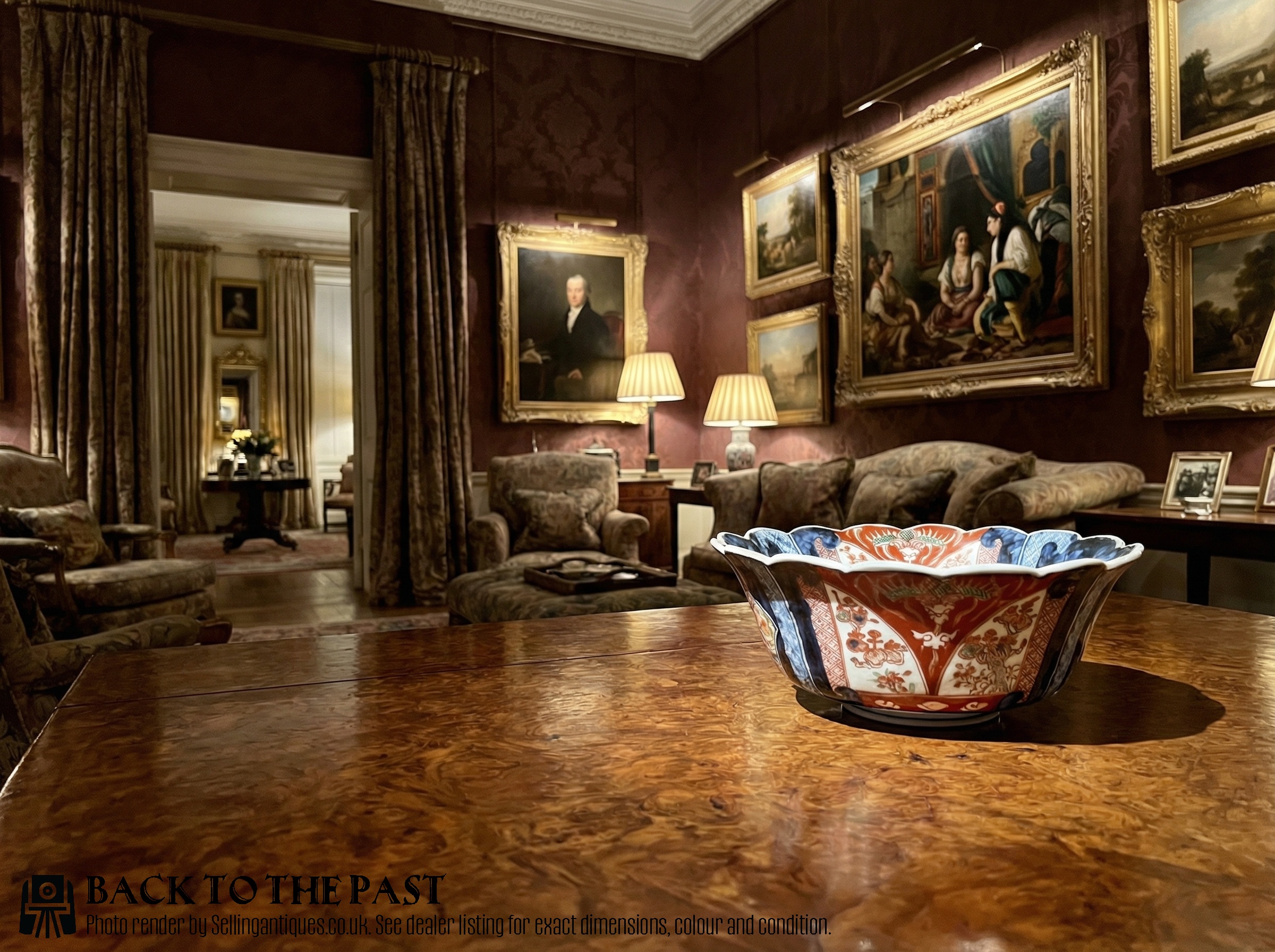
Decorative Asian Porcelain
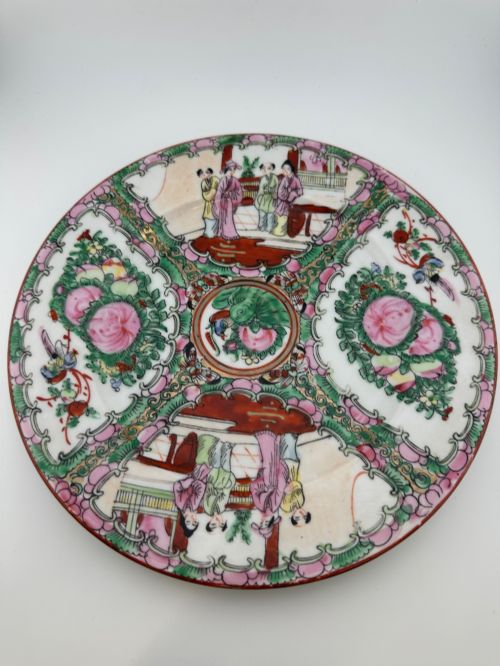
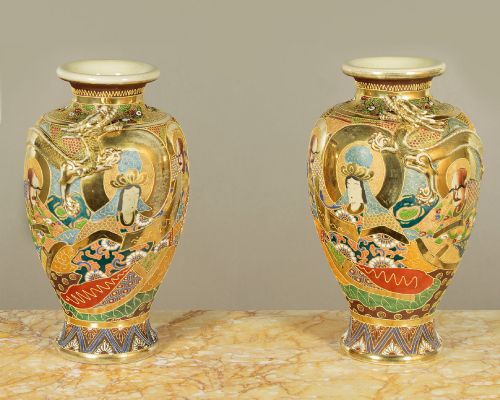
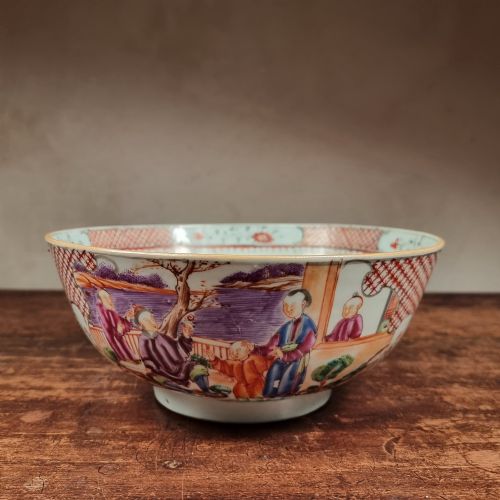
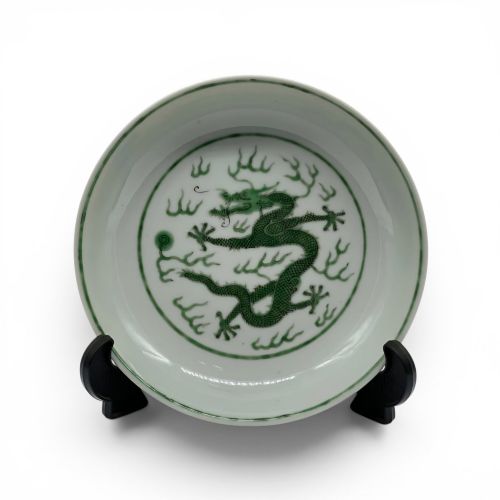
When searching for decorative asian porcelain, collectors encounter a diverse range of items originating primarily from Japanese and Chinese kilns spanning the nineteenth and twentieth centuries.
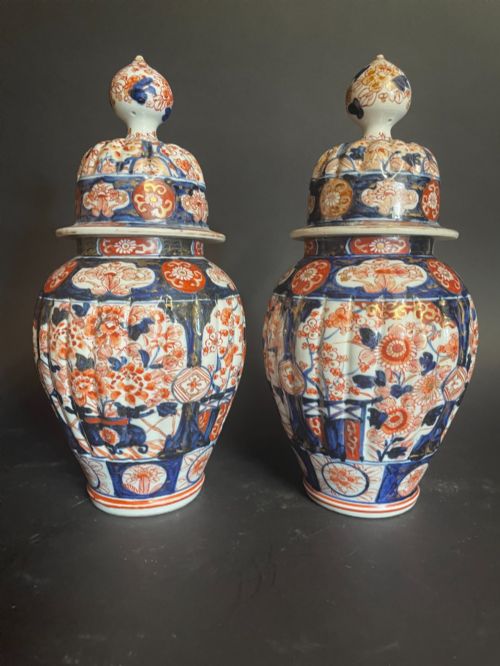
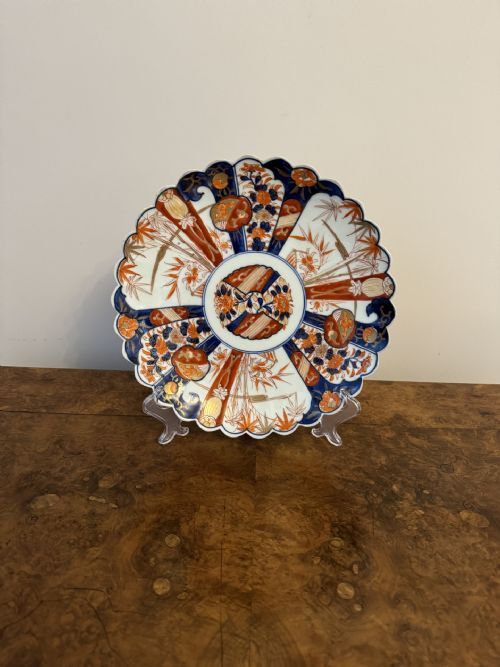
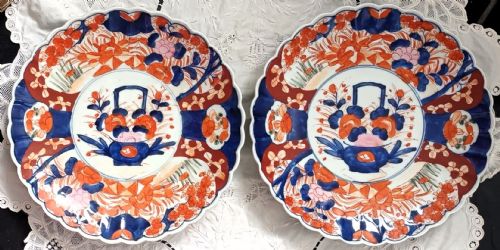
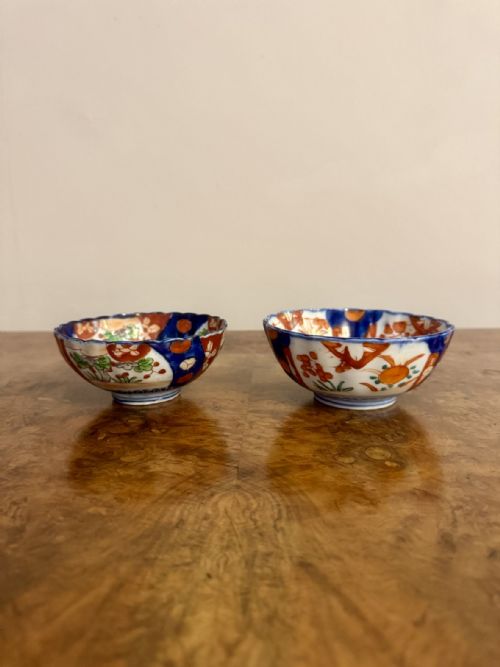
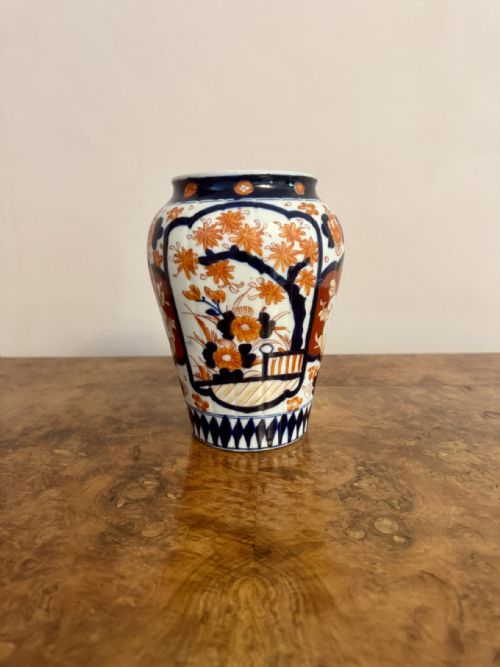
The most common forms found here include large chargers, scalloped bowls, lidded jars, and vases produced during the Meiji and Qing periods.
Makers and artisans created these objects for both domestic display and export, resulting in a rich variety of plates, dishes, and table lamps.
How They Were Made
Potters shaped ceramic and porcelain bodies by hand before applying intricate designs using enamel, glaze, and occasional touches of gold leaf.
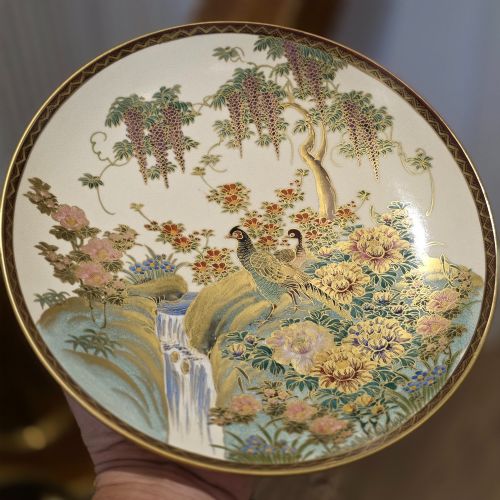
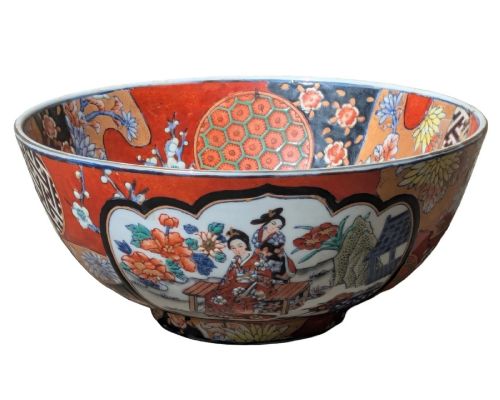
Painters executed detailed motifs by hand, utilising traditional palettes associated with Japanese Imari, Satsuma, and Kutani styles.
Listings span periods from the eighteenth century through the 1940s, featuring porcelain, earthenware, enamel, and gold leaf.
What Varies in Quality
The standard of painting determines much of the distinction between ordinary production pieces and superior works by master artisans.
Careful execution of polychrome enamels and precise application of gilding separate workshop pieces from finely signed bowls and chargers.
Koshida·Manpei, Kobe·Gyokkō·Kozan·Shizan
The Decorative Asian Porcelain Glossary
- Imari
- A style of Japanese porcelain featuring a distinctive palette of underglaze blue, iron red, and gold.
- Satsuma
- An earthenware pottery type with a fine crackle glaze, heavily decorated with enamels and gilding.
- Kutani
- Japanese porcelain or ceramic ware known for bold pictorial designs, often incorporating rich red and gold pigments.
- Charger
- A large decorative plate intended for display on a wall or sideboard rather than dining use.
Decorative Asian Porcelain: Frequently Asked Questions
How do I display a large porcelain charger?
Large chargers work best secured safely on sturdy wall brackets or supported on heavy-duty stands upon sideboards.
Ensure placement avoids direct sunlight to protect the delicate enamels and gold leaf details.
What is the difference between Imari and Satsuma?
Imari pieces use a hard porcelain body decorated in blue, red, and gold.
Satsuma items typically consist of a cream-coloured earthenware body featuring a fine network of crackle glaze.
How do I clean antique porcelain safely?
Dust surfaces gently using a soft, dry brush to prevent accumulation in recessed areas.
Avoid liquid cleaners or soaking, as moisture can damage older glazes and fragile gilding.
Are these pieces painted by hand?
The vast majority of these decorative items feature hand-painted brushwork executed by skilled artisans in workshops and kilns.
Close inspection reveals subtle brushstrokes and individual variations unique to each piece.