
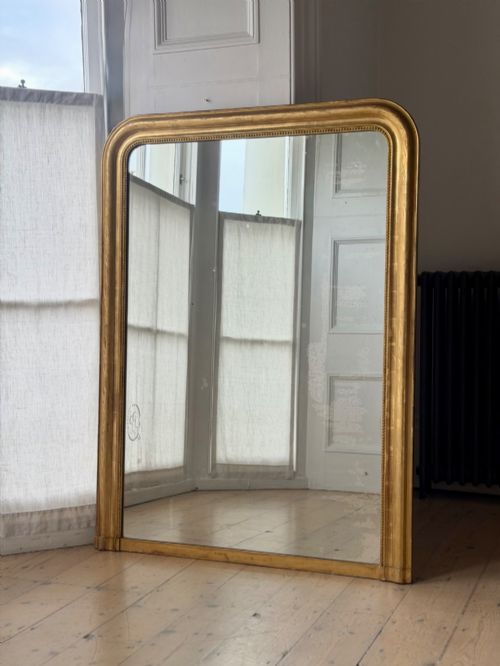
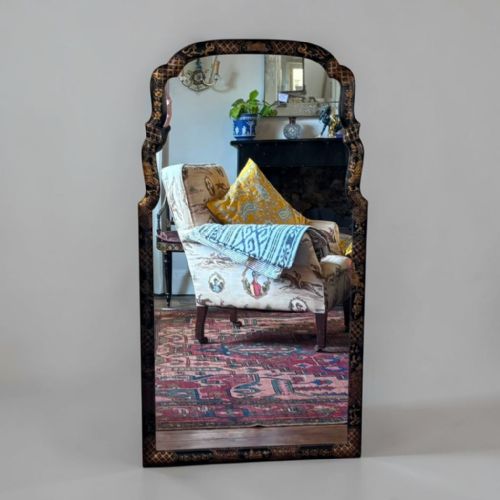
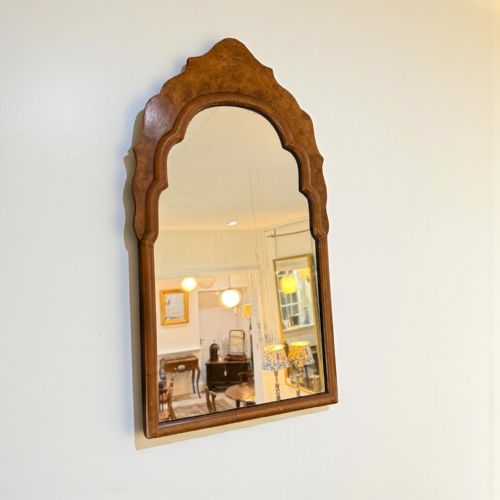
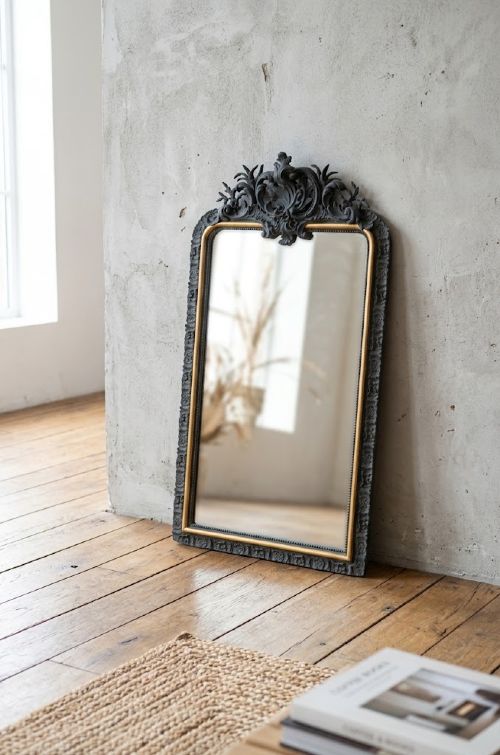

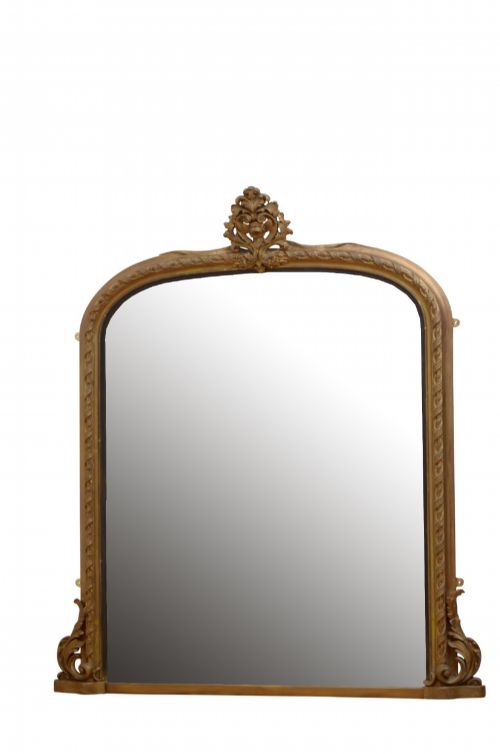
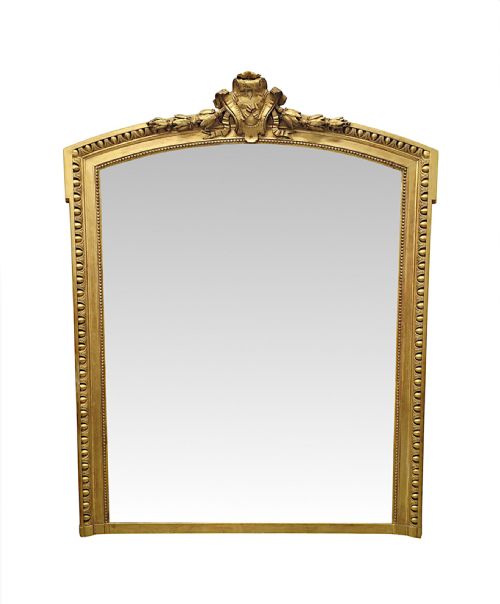
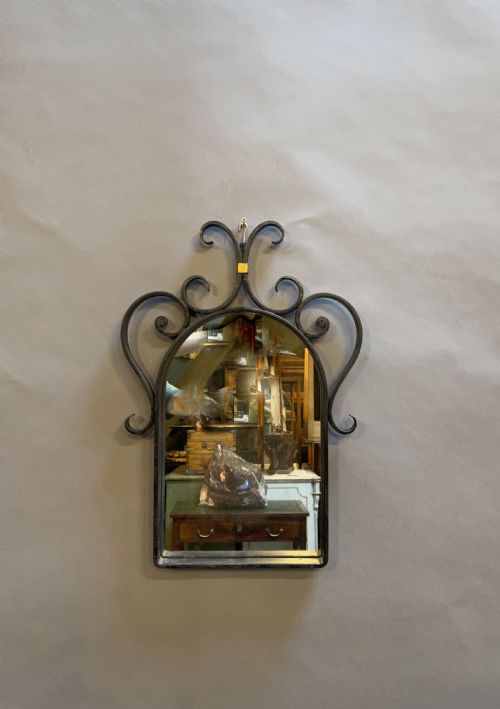
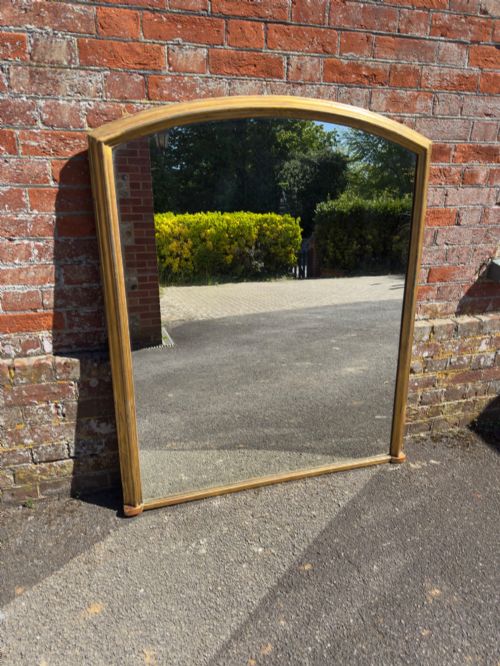
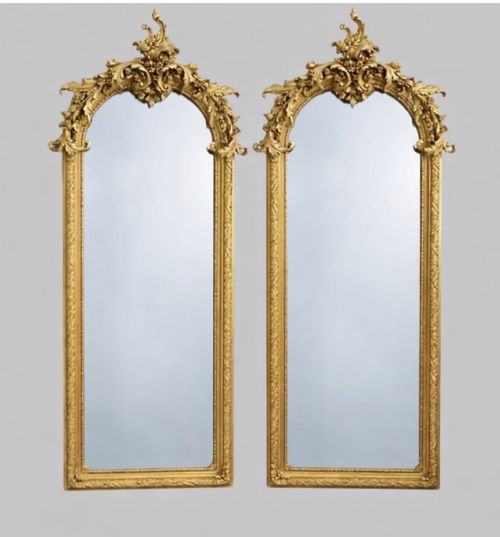
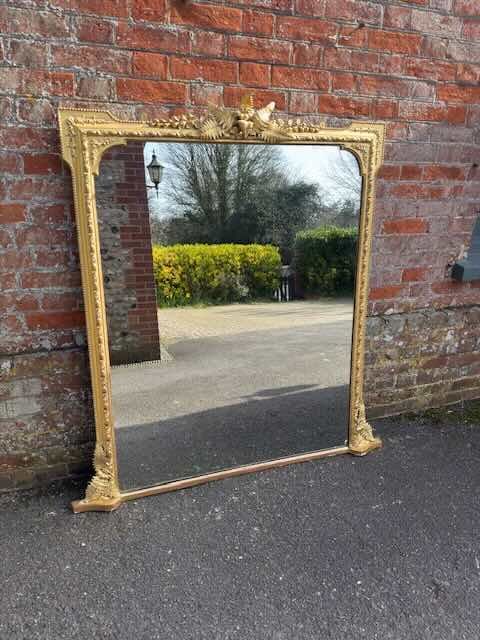

Decorative Arched Mirror
Choosing a decorative arched mirror brings home a architectural glass piece from the eighteenth, nineteenth, or early twentieth century.
Decorative Arched Mirror
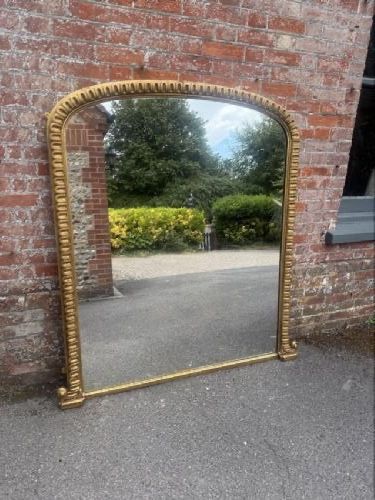
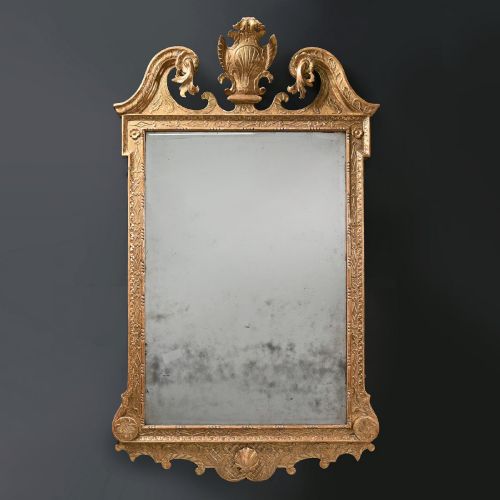
A decorative arched mirror bridges utilitarian function and grand interior ornament, often taking the form of a substantial wall or overmantel glass designed to catch light in a principal room. Buyers seeking this phrase encounter pieces spanning the Georgian era through the Victorian period and into the Art Deco years, with nineteenth-century French and English examples predominating.
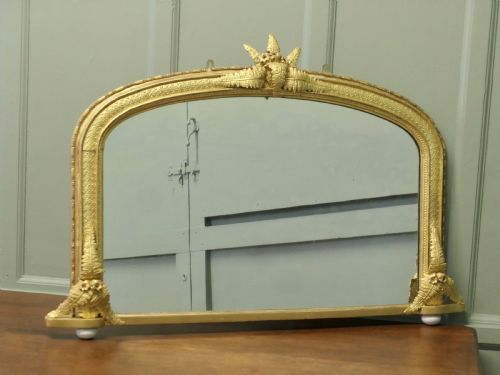
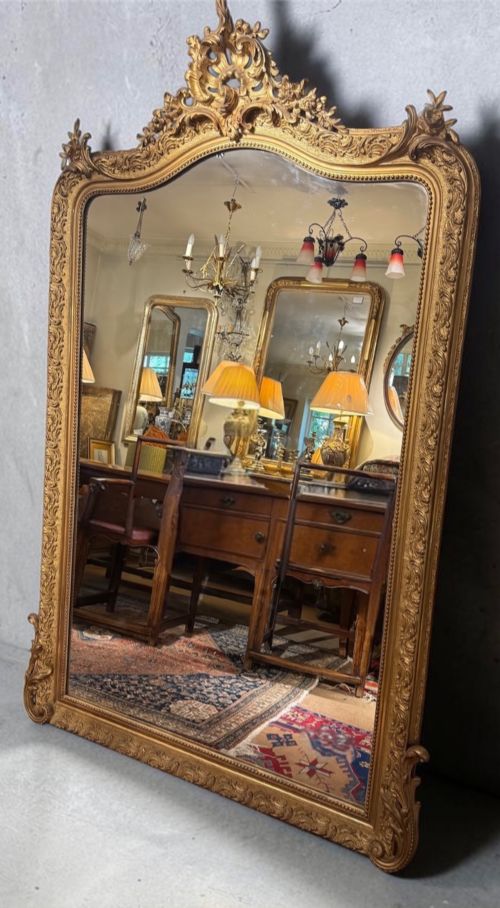
The format ranges from tall pier mirrors intended for placement between windows to wide overmantel frames built to sit above a fireplace mantelpiece. Many incorporate shaped crests, cartouches, or rope-twist details, reflecting styles such as Rococo Revival, French Empire, and Gothic Revival.
How they were made
Frames rely on a foundation of carved timber or moulded plaster and gesso applied over a wooden base to build up intricate relief ornament, including floral motifs and scrollwork. Artisans then finished these surfaces using gold leaf, paint, or eglomise techniques to achieve gilded, silvered, or polychrome effects.
Glass plates were silvered by hand or through chemical processes, sometimes featuring margin-edged borders or coloured glass panels in cobalt blue or peach hues typical of later periods.
Listings feature periods from the 18th Century through the 1930s, utilising materials including giltwood, gesso, carved wood, and coloured glass.
What varies in quality
The depth and crispness of the carved wood and gesso ornamentation dictate much of the visual merit, where sharp relief and well-defined mouldings separate superior workshop output from simpler production. Originality of surface finish, such as untouched period gilding or authentic silvering, carries significant weight over later repainting.
Proportions also govern distinction, as pieces maintaining balanced dimensions between the arched top and the lower body command greater presence in an interior.
The Decorative Arched Mirror Glossary
- Overmantel mirror
- A large glass specifically designed to hang on the wall directly above a fireplace mantelpiece. These frames often feature wide horizontal proportions to complement the fireplace surround below.
- Gesso
- A plaster-like mixture applied to a wooden frame base and carved or moulded into decorative reliefs before gilding or painting. It allows for intricate surface ornament such as scrolls and floral motifs.
- Eglomise
- A technique involving cold painting and gilding on the rear face of glass to produce a reflective, ornate border or panel. It appears on select nineteenth-century pier and wall mirrors.
- Pier mirror
- A tall, vertical glass created to hang on the narrow wall space between two windows. They frequently incorporate lower dimensions designed to match console tables.
- Cartouche
- An ornamental tablet or framed emblem resembling a rolled-up scroll, often carved into the crest of a mirror frame. It provides a focal point at the apex of the arch.
Decorative Arched Mirror: Frequently Asked Questions
Where should an arched mirror be hung?
These mirrors traditionally occupy spaces above fireplace mantels or anchor large wall expanses in reception rooms. Their curved upper sections draw the eye upward and add vertical emphasis to a room.
Positioning them opposite a window maximises natural light reflection and creates an illusion of greater spatial depth.
How do I identify a nineteenth-century frame?
Nineteenth-century examples typically employ carved wood and gesso construction finished with traditional gold leaf or silvering. Inspecting the backboards and construction fixings helps determine the period.
Stylistic cues such as Rococo Revival scrolls or French Empire motifs also point directly to this era.
What is the difference between a pier and overmantel mirror?
Pier mirrors are built tall and narrow to fit the wall space between windows, whereas overmantel mirrors are wider to span the length of a fireplace. Both formats frequently utilise an arched top configuration.
Proportions and intended architectural placement remain the primary distinguishing factors.
Can these mirrors be cleaned safely?
Glass surfaces require gentle wiping with a mild, ammonia-free cleaner applied to a soft cloth rather than directly to the glass. This prevents moisture from seeping behind the plate and damaging the silvered backing.
Frames finished in gesso and gold leaf need only careful dusting with a dry brush to preserve the historic surface.