

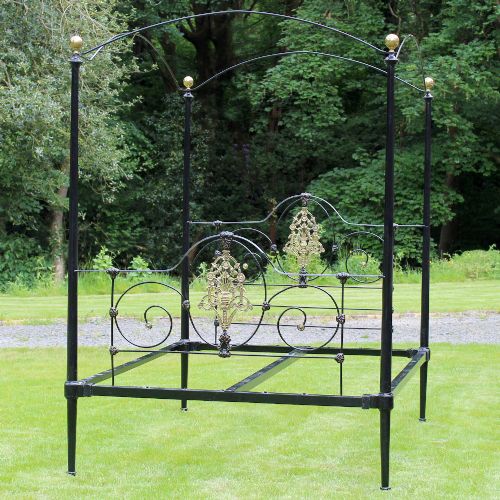

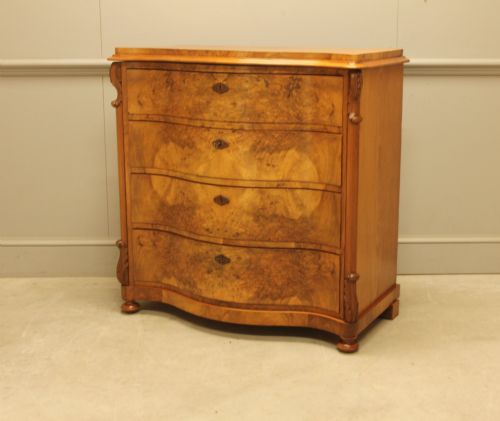
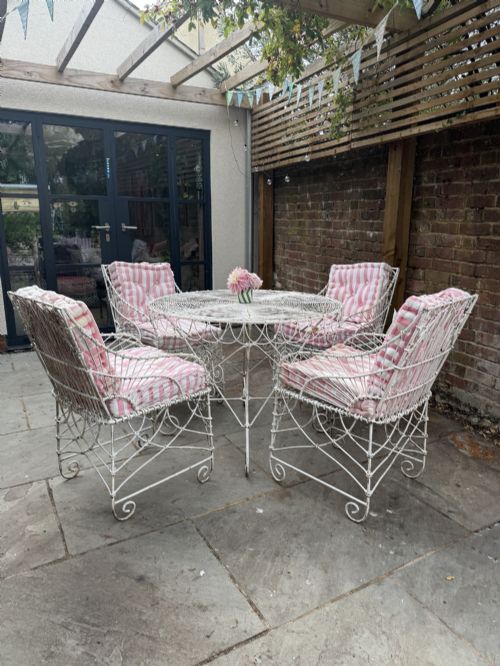
Decorative Furniture
Decorative antique furniture brings character to a room through varied forms like chests of drawers, tables, and cabinets spanning the eighteenth to early twentieth centuries.
Decorative Furniture
Decorative antique furniture encompasses functional domestic items shaped by historical periods from the seventeenth century through to the 1930s. Buyers searching for decorative antique furniture encounter diverse forms including side tables, cabinets, chests of drawers, and seating.
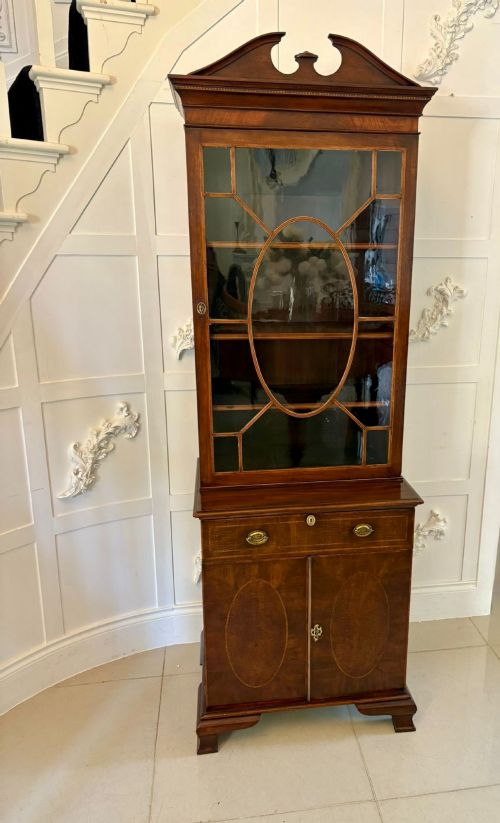
Smaller decorative items such as wall shelves, occasional tables, and stools appear frequently alongside larger case pieces. Each object combines utility with distinct ornamental details characteristic of its period of origin.
How They Were Made
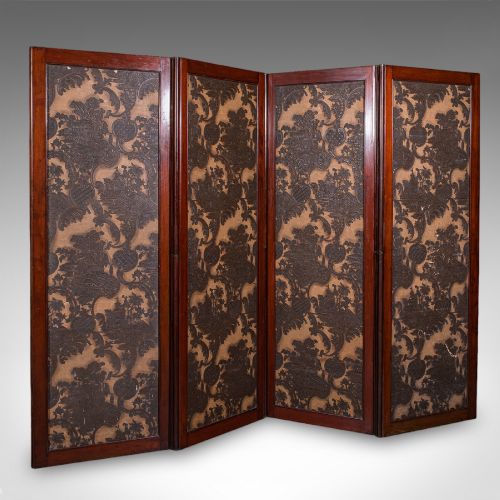
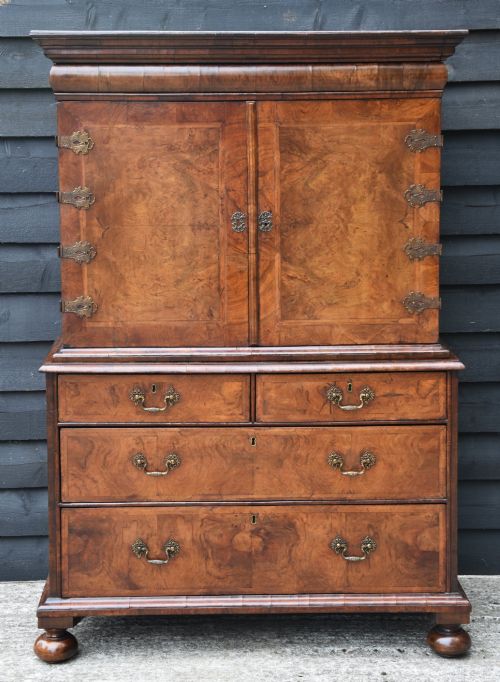
Construction relies upon traditional timbers including mahogany, walnut, burr walnut, oak, beech, and satinwood. Cabinetmakers shaped these woods into structural frames and veneered surfaces, often incorporating contrasting materials.
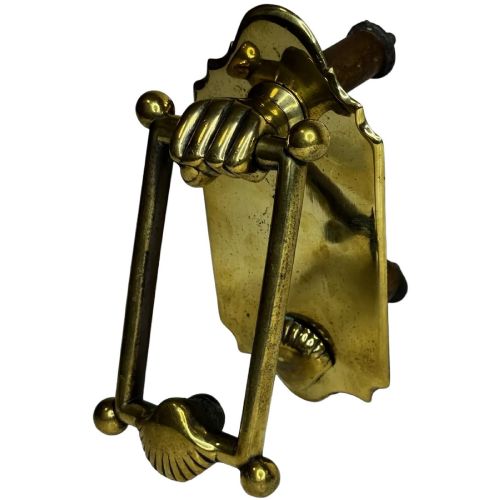
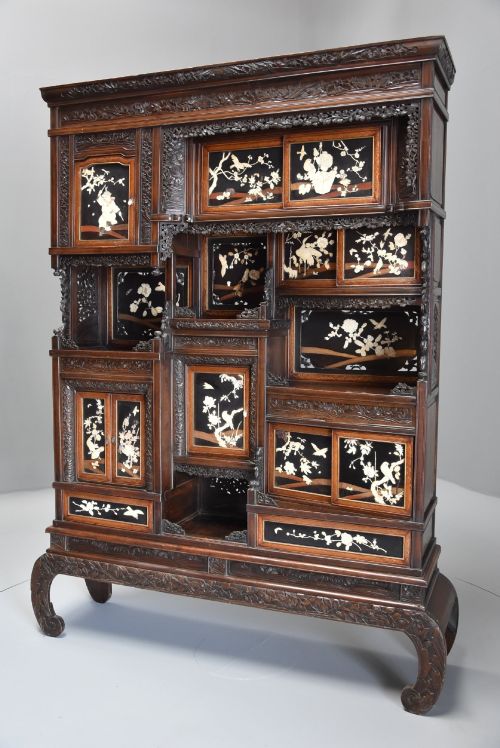
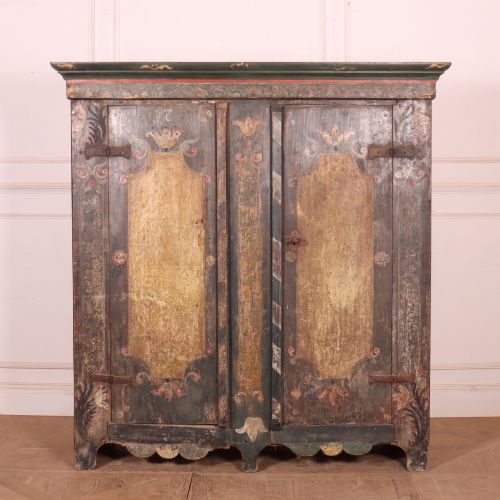
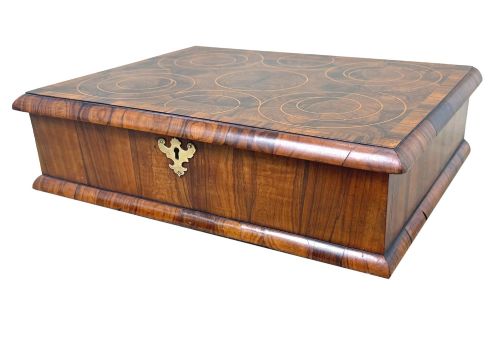
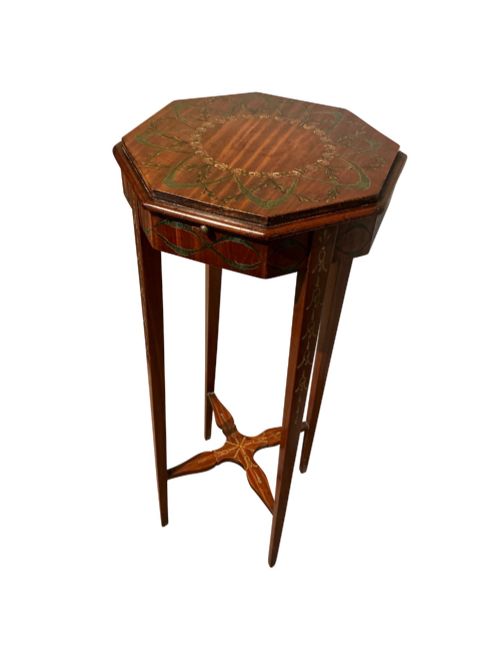
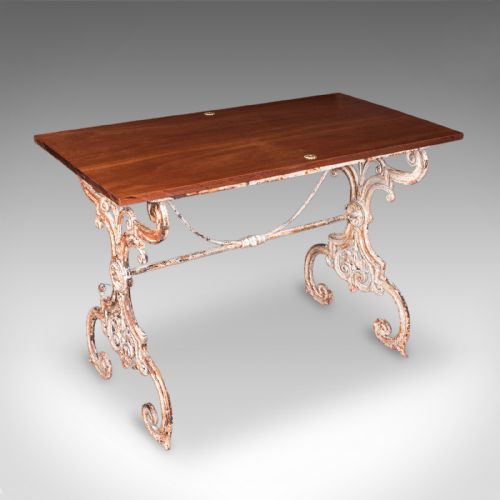
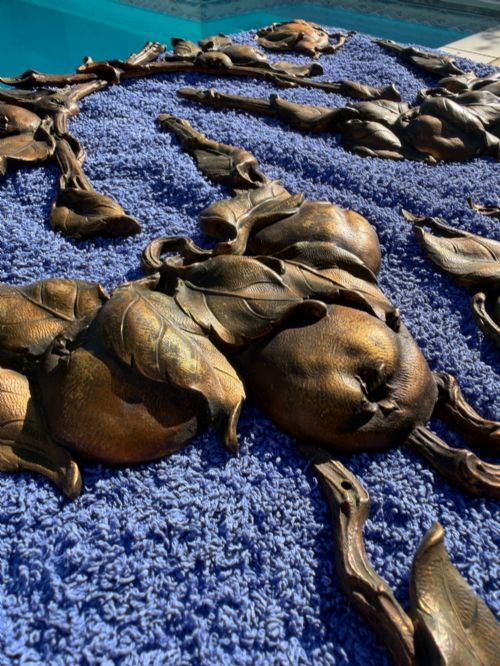
Decoration involves techniques such as hand painting, gilding, lacquering in Chinoiserie styles, and intricate inlay using mother of pearl, ivory, and various metals. Wrought iron, cast iron, bronze, and ormolu provide metallic mounts, hardware, and structural elements for garden pieces and furniture bases.
Decorative Furniture Retail Price Guide 2026
Typical asking prices for decorative furniture among the pieces listed under this phrase on Sellingantiques today, from the lower quarter to the upper quarter. They describe what is for sale here now, not the wider market.
Listings feature walnut, mahogany, oak, and burr walnut alongside painted pine and exotic hardwoods.
What Varies In Quality
Quality rests upon the execution of the surface decoration and the precision of the cabinetwork. Pieces featuring detailed hand painting, fine inlay work, or skilled carving distinguish themselves from simpler utilitarian examples.
The integrity of original finishes, surface patination, and secondary materials define the standing of a piece. Finer items retain their original mounts, painted schemes, and structural fastenings without unconsidered alterations.
Poix Blin·GM Elwood for JS Henry·Jackson & Graham
The Decorative Furniture Glossary
- Chinoiserie
- European decorative style reflecting Chinese artistic traditions, typically executed in lacquered finishes and gilt motifs. It appears frequently on cupboards, cabinets, and piano stools.
- Inlay
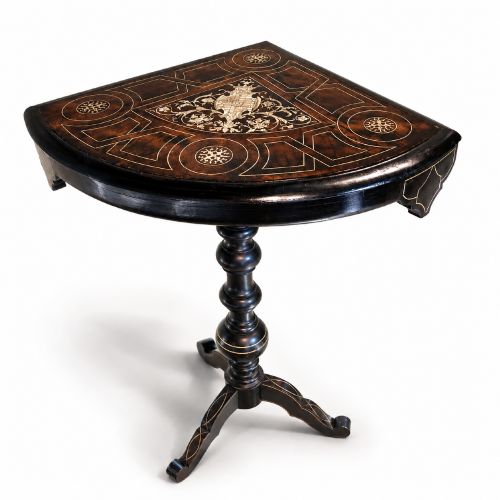
- Decorative technique where contrasting materials such as wood, metal, mother of pearl, or ivory are inserted into recesses within a solid wood base. This method defines many Edwardian and Victorian case pieces.
- Ormolu
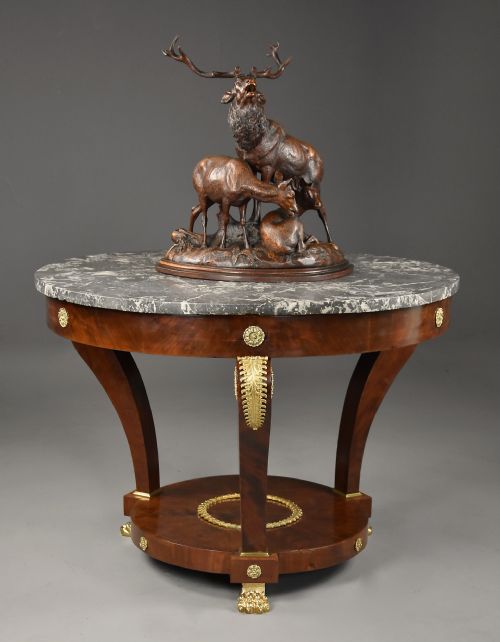
- Gilt bronze mounted onto furniture or decorative objects, providing polished metallic highlights. It characterises French decorative pieces from the eighteenth and nineteenth centuries.
- Tallboy
- A tall chest of drawers consisting of one chest stacked upon another, providing significant vertical storage capacity. Walnut and other timbers were utilised for these case pieces.
- Lowboy
- A small side table with drawers, typically raised on four legs and dating from the eighteenth century. Oak forms a common material for these domestic items.
Decorative Furniture: Frequently Asked Questions
What periods do these pieces cover?
The selection spans from the seventeenth century through the Victorian and Edwardian eras up to the 1930s. Pieces reflect the specific design languages of each successive decade.
Earlier examples from the 1700s share space with later nineteenth-century revival styles and early twentieth-century creations.
How do I identify a Victorian piece?
Victorian furniture often utilises dense timbers like mahogany and walnut, accompanied by substantial construction and distinct period hardware. Details such as ebonised finishes and Aesthetic Movement designs appear regularly.
Maker signatures or specific stylistic markers help confirm the nineteenth-century production date.
Where were these items made?
Origins span across Britain, France, Italy, Germany, Sweden, and various Middle Eastern and Oriental regions. Each region contributed local timber choices and distinct ornamental traditions.
Continental workshops introduced gilt bronze, ormolu, and painted finishes, while English makers favoured mahogany and oak.
How do I care for antique wood surfaces?
Antique timber surfaces require gentle maintenance avoiding harsh chemical cleaners and excessive moisture. Regular dusting with a soft cloth preserves the existing polish and natural patination.
Maintaining stable room humidity protects veneers and inlays from separating over time.